
Sydney, 9 - 10 September 2026
Schedule
Create your personal agenda –check the favourite icon
Opening Remarks & Welcome

Plenary Chair

Access to care in Veterinary Medicine: Current understanding and building moral resiliency in veterinary teams
Access to veterinary care refers to the ability of individuals to obtain necessary health services for animals in their care, companion or otherwise. Barriers to care encompass not just financial aspects, but also factors like geographic location, availability of services, and cultural competence of healthcare providers. Moral distress occurs when healthcare professionals know the ethically appropriate action to take but are constrained from taking it, leading to emotional and psychological stress. In veterinary medicine these scenarios may be a direct result of inadequate access to care.
During this presentation we will explore these connections as we understand it in the profession currently, but also to look at how individuals and teams can address these scenarios to work towards improved occupational wellness and build moral resiliency.
Topics discussed will include reframing team approaches to the spectrum of care, palliative care and humane euthanasia as strategies for improving animal welfare as well as Self-Care and Professional Support.
We will also explore resources that can be implemented by teams to provide support for different barriers to care including: financial flexibility, language accommodations, and cultural competency.
Learning objectives
· Define “Access to Care” and “Moral Distress” to explore the interconnectedness between these two concepts in clinical practice
· Outline and quantify the impacts of barriers to veterinary care and the subsequent moral injury impacts on a practice, community, and profession-wide level.
· Discuss strategies that can be applied on an individual or team level to address challenges to access to care and how to cultivate moral resiliency.

Choosing Apoquel or Cytopoint first?
- A simple, case-led selection framework for antipruritic selection
- Set owners up for success by addressing complicating factors
- Clear troubleshooting pathway if itch isn’t responding as expected

Panel:Itchy Pets, Smarter Diagnosis


Chair (11-13:00)

Chair

Chair

Navigating Client Conversations about Beransa – for Happy Clients, Happy Pets and Happy Vets
- Why exactly you ARE recommending Beransa: how it works, key benefits, patient selection (includes new information).
- Setting expectations: what success looks like and when and how to review.
- Discuss safety with confidence: quantifying risks, including musculoskeletal adverse events and conveying why benefits outweigh risks.
The Latest in Elanco Innovation

Sustainable Equipment, Sustainable Practice: Better Long-Term Outcomes for Your Team and Your Patients
Veterinary sustainability is usually framed around recycling and waste, but the bigger sustainability question is the peopleand patientsinside the practice itself. In this session, Loren Copp explores how the right equipment choices shape efficiency, safety and the everyday experience of staff and clients and theimproved recovery outcomes for patients.
Drawing on current research into patient stress physiology and veterinary ergonomics, including data showing 96% of New Zealand veterinarians report musculoskeletal discomfort - Loren examines where practices are quietly working harder than they need to, and where smarter equipment decisions have the greatest impact on safety, efficiency and long-term outcomes for both patients and teams.Attendees will leave knowing exactly where their own equipment choices are working against them - and which changes will make the biggest difference first, for efficiency, for safety, and for the long-termhealthof their practice and their team.

Veterinary Medicine Woman
Caring for the carers

Software for Life - Technology That Evolves With Your Practice
- ftware for Life - Technology That Evolves With Your Practice
- AI
- Automation
- Mobility
- Connected payments
- Client self-service
- Integrated ecosystemsCome and find out why this is not a software problem but a complexity problem
Is your software helping your practice grow…or holding you back?
Five years from now practices won't win because they have more software.They'll win because they have better connected software. Just look at the trends:

Chair

Pancreatitis in Dogs: Practical Strategies for Diagnosis and Management
- Optimizing diagnosis of pancreatitis – when is a full clinical diagnosis needed and when can we get away with fewer tests?
- New evidenced based recommendations for management of pancreatitis in dogs
- Innovative therapies: fuzapladib sodium, mesenchymal stem cells, corticosteroids

Introducing the Burnout Barometer: A New Tool to Support Veterinary Nurse Wellbeing
Burnout is a growing concern across veterinary teams, yet most support strategies focus on individual coping rather than systemic change. This session introduces a new workplace-based survey tool designed specifically to help veterinary nurse leaders identify and address burnout within their teams - before it escalates. Developed from research into the key drivers of burnout, the tool helps to identify key drivers of veterinary nurse burnout in their early stages, and guides selection of tailored strategies to reduce burnout, and improve wellbeing within teams.

Mind you MAP: management hypotension under anaesthesia
Core communication skills for Veterinary Practice and how to intergrate them into your day to day
Core communication skills to create connection and build rapport and trust. Techniques for integrating these into your day to day practice.
VetTriage

Book signing (11:30-12:00)
Book signing !
𝙔𝙤𝙪𝙧 𝙑𝙚𝙩𝙚𝙧𝙞𝙣𝙖𝙧𝙮 𝙒𝙚𝙡𝙡𝙣𝙚𝙨𝙨 𝙅𝙤𝙪𝙧𝙣𝙚𝙮: 𝘼𝙣 𝙄𝙣𝙩𝙚𝙧𝙖𝙘𝙩𝙞𝙫𝙚 𝙂𝙪𝙞𝙙𝙚 𝙩𝙤 𝙏𝙝𝙧𝙞𝙫𝙞𝙣𝙜 𝙬𝙞𝙩𝙝 𝙂𝙧𝙤𝙬𝙩𝙝, 𝙍𝙚𝙨𝙞𝙡𝙞𝙚𝙣𝙘𝙚 𝙖𝙣𝙙 𝙋𝙪𝙧𝙥𝙤𝙨𝙚
Join Dr Sonja Olson, Veterinary Wellness Educator and author of Creating Wellbeing and Building Resilience in the Veterinary Profession: A Call to Life will be hosting a book signing session at VET Expo. Attendees will have the opportunity to meet the author.
How Smarter Online Booking Can Transform Your Veterinary Practice
Today’s pet owners expect convenience, flexibility and the ability to book appointments when it suits them. In this 15-minute session, we’ll explore how online booking can help veterinary practices capture more appointments, reduce missed opportunities and give clients a smoother booking experience.
We’ll also look at how smart booking features — such as slot exclusions, appointment controls and tailored scheduling rules — can help practices stay in control of their availability, protect their teams’ time and improve operational efficiency.
Perfect for veterinary practices looking to reduce admin, make better use of their team’s time, improve the client experience and get more from their online booking strategy.
Picking the right diet for the chronic enteropathy dog
- Review the causes of chronic enteropathy
- Localizing diarrhea
- Diagnostic approach and rule outs
- How to use low cost and history information to pick the right diet the first time
So, you want to be a VTS?
What the VTS really is; are you ready?; the application simplified; studying without burning out; what to expect for exams; after the letters, what's ne

Categorising Shock for Veterinary Nurses
This talk will cover:- Cardiovascular system overview- Perfusion and assessing perfusion parameters- Discussion on the four main types of shock- How to recognise the type of shock in canine and feline patients This talk aims to be an overview of the types of shock commonly seen in patients presenting to veterinary clinics. The talk is aimed at nurses ranging from GP to emergency nurses, and would be a good refresher for specialist nurses.

Resilience through experiences - building your team culture
Resilience building through experience – the SuncoastVet Way
Changing the way we develop our teams – Ankuara Animal Experience at SuncoastVet
For years as veterinarians and business owners we have experimented with various ways to stimulate our teams, provide rewards and prolong enthusiasm for a career in which many of us have spent decades.
Yes, the later generations of veterinary graduates and nurse and customer care are looking for something more. It's so easy and accepted nowadays to change jobs and even careers every few years. As business owners we know that the cost to procure talented team members is far higher than years ago and retaining them is harder again.
At SuncoastVet we believe in creating a culture that is a little bit different from the norm. Maybe it's not for everybody but we have had some great feedback from our team members and really do have a low turnover of staff.
In this talk I would like to concentrate on an initiative we created last year and have just returned from for the 2nd year.
Ankuara is an immersive 2-week experience in South America’s Colombia where thanks to our business partners we can provide an insight for several of our team members each year into veterinary and animal welfare conditions in another part of the world.
Veterinarians, nurses and customer care are asked to provide an essay on which they give the reasons why they deserve to be awarded this trip of a lifetime fully paid by SuncoastVet and our business partners. In the inaugural year we had a vet and a nurse head over and this year 2 vets and a customer service team member made the trip.
Vetoquinol, Mavlab – great veterinary manufacturers were a key in support of the trip this year and also Etairos accounting from the Gold Coast, DeCameron Hotels over in South America and Dr Richard Burchell’s new venture - Vet Tribal. The costs to run such a program are large but the rewards to the team members are phenomenal.
In Colombia we see - No compassion fatigue, long Hours, Vets and teams are working for the passion of animal care and with systematic approaches that ensure happy workplaces and very little monetary reward .
In this presentation we look into how Ankuara helps build resiliance in our teams.

Empowering Primary Care through Technology - A discussion with Dr Lydia Hambrook. Internal Medicine Specialist and Dr. Willem van Wyk. Veterinarian & Practice Owner

Learning from those ‘oh no’ moments with VetSafe
- Exploring error reporting with VetSafe
- How VetSafe supports practice teams in learning from mistakes
- How VetSafe supports patient safety and quality improvement activities

Butterfly Network iQ3 Vet Live Scanning


Tips on managing the atopic dog
Animal Trauma Triage Scoring
- What is the Animal Trauma Triage scoring, when to use and how.
- What are the benefits of using it?
- What does this mean for the patient?

Therapeutic Benefits of Seaweed Extracts in Wound Healing
The HR Mistakes That Quietly Create Legal Risk
Most legal risk in veterinary practices doesn’t come from dramatic events. It comes from small, everyday people management decisions. This session explores how informal conversations, delayed performance management, inconsistent flexibility, poor documentation, and blurred wellbeing boundaries can unintentionally expose practices to claims. Using real-world veterinary examples, Rosie reframes HR not as bureaucracy, but as a protective system that supports people, culture, and clinical outcomes.

Cyber Threats in Today's Veterinary Landscape – Brought to you by GapOnly
- Cyber threats are evolving: Understand the key risks facing veterinary practices and their potential impacts.
- Connectivity creates exposure: Learn how systems, technology, and third-party providers expand the attack surface.
- Practical resilience strategies: Explore ways to strengthen security, reduce risk,and build cyber resilience.

Consulting Wizardry (Mastering the Consult Room)

Calm in the Consult Room: Behaviour-Based Strategies for Low-Stress Vet Visit
● Beginning the consult before the dog walks in how to set the dog up for success evenbefore the consult starts● What the role of the guardian is in the consult room and how they can influence thedog’s behaviour● How to read stress early – and respond before things go wrong● Choice helps dogs relax – how to give the dog some choice, even in a busy clinic● Post visit – “stress hangovers” and what guardians can do to set their dog up for successnext time.

Sink or Swim; High Volume Shelter Patient Management for the Veterinary Nurse
This presentation will introduce techniques and protocols for efficient management of animals and patients in a high volume shelter environment. It will include discussions about intake, disease and injury identification, animal movement for health, quarantine and illness protocol, medical treatments and recovery, shortening length of stay, behavior management and decompression techniques, and population health.

Cushing's Disease: It is all in the Signs (40mins)

The transformational power of intentional communication and relationship-centered care in Veterinary practice
Building trust and relationships within veterinary teams and with veterinary clients has never been more critical. Effective, relationship-centered communication can support the engagement of veterinary teams, the occupational wellness of veterinary professionals, and the sustainable health of veterinary businesses. This presentation will explore common communication challenges and their impacts and then build awareness and skills around intentional communication, active listening, empathy in communication, and relationship-building techniques.
Fostering a culture of trust, respect, and healthy interactions between colleagues and with clients enhances professional satisfaction and quality of care provided to veterinary patients honoring the human-animal bond.
Learning Objectives:
· Clarifying communication challenges and barriers and understanding the impacts
· Build knowledge and understand techniques that fortify effective, intentional communication
· Explore the elements and strategies of relationship-centered care and communication that can foster trust and support patient care in veterinary practice environments.
Countless Cats, Silent Pain: Uncovering Hidden Feline Osteoarthritis
- Spot OA sooner: practical screening and diagnostic tools that work in clinic.
- Make it real for owners: clear ways to show their cat is painful and why it matters.
- Turn “no” into “yes” for your treatment recommendations: handle objections and improve compliance.
How AI is Changing the Way Pet Owners Search for Veterinary Services
How AI is Changing the Way Pet Owners Search for Veterinary Services
Why adapting now keeps your clinic visible.
AI tools like Google’s Search Generative Experience and ChatGPT are reshaping how pet owners find and choose veterinary services. These platforms don’t just list websites - they generate answers, and that changes what it takes for a clinic to be seen and chosen online.
In this session, veterinary marketing expert and former practice owner Deb Croucher unpacks how AI search is already influencing pet owner behaviour - and what that means for the visibility, growth, and sustainability of veterinary practices.
This session is relevant not only to general and specialist vets, but also to industry partners, including educational providers, diagnostics companies, and suppliers who want to understand better how digital behaviours are changing across the veterinary landscape.
Deb and the Specialist Vet Marketing team work with both clinics and industry partners to develop and deliver tailored marketing strategies that align with their goals. The result is stronger connections, increased engagement, and measurable growth across the veterinary profession.
Key Takeaways:
- How AI tools like ChatGPT and Google SGE are changing the search experience
- What these changes mean for veterinary practices, both general and specialist
- Why visibility in AI-generated answers matters for client acquisition
- How clinics and industry partners can respond with smart, measurable marketing strategies
Pet Probiotics and Clinical Evidence
- I will outline the use-case for probiotics in pet health
- The evidence currently available for pet probiotics
- How to identify high quality evidence when exploring pet health ingredients/products.

It’s Not Kennel Cough; Canine Infectious Respiratory Disease Complex (CIRDC)
This presentation will introduce and deep dive into CIRDC with the different components and variables that make up the complex. It will include disease identification and prevention, treatment options and strategies for varying severities, resistant infections, coinfections, lab testing and recovery
Rewiring Recovery: The Nurse’s Guide to Neurorehabilitation
Neurological injury doesn’t end at diagnosis or surgery — recovery is a process, and veterinary nurses play an important role in supporting that journey.
This practical presentation explores how we can help neurological patients progress towards functional movement by looking beyond the question of “Can they walk?” and instead asking “What can they do now?”
We’ll explore neuroplasticity, assessment of reflexes and muscle tone, and the neurodevelopmental sequence to identify where a patient is getting stuck and what movement should be targeted next. We’ll also consider how rehabilitation progresses from maintaining movement and building control, through to developing strength, proprioception, endurance and functional mobility.
Using real patient examples and videos, including a Border Collie recovering from cervical spinal injury, we’ll demonstrate how small, meaningful movements can be assessed, facilitated, repeated and progressed.
.
Digital Marketing for Vet Clinics: Navigating AI in Search
● How AI is reshaping the way pet owners search for and choose a vet
● The most effective marketing strategies to grow a vet clinic today
● Why proven SEO fundamentals still win, even as AI reshapes search
● How to stay visible and stand out in an increasingly competitive local market
Search is changing, but the fundamentals that grow a vet clinic haven't. Pet owners are starting to ask AI assistants like ChatGPT and Google's AI Overviews for recommendations, yet the clinics showing up in those answers are the same ones doing the groundwork right: strong local SEO, a well-built website and a genuine presence in their community. In this session, Ryan Chilton shows how proven strategies remain the foundation of visibility in an AI world, and how to build on them rather than chase the hype.
Drawing on the award-winning campaign that earned a Brisbane vet clinic a more than 800% return on investment and took home Best Local SEO Campaign at the 2024 APAC Search Awards, Ryan will break down what actually works: localised web design, search engine optimisation and paid ads, and how these same foundations set your clinic up to be found however people search. Expect practical, no-jargon steps that practice managers and clinic owners can apply straight away to strengthen their online presence and continue to level up.

An Advanced approach to Capnography
Direct2Vet
Direct2Vet is RSPCA Pet Insurance’s free online claims portal built specifically for vet clinics. When an RSPCA Pet Insurance customer needs to pay their bill, the vet team submits the claim on the customer’s behalf through Direct2Vet. RSPCA Pet Insurance reviews the claim in under 15 minutes, so customers can leave, only paying the difference between their bill and what their policy covers. No paperwork chasing and waiting on reimbursements, just a faster experience for the vet team and customer. Chris will provide a live walkthrough of Direct2Vet, including how to sign up, and demonstrate how the platform helps veterinary teams simplify claims administration and improve the client experience.

Managing Indolent ulcers in Dogs and Cats
In this presentation I will discuss Indolent Ulcers.We will cover how to diagnose Indolent Ulcers, cover other causes of other conditions that can make ulcers slow healing. We will also cover when to grid, when to DBD – diamond burr debridement, when to use a BCL – bandage contact lens, when to refer for a superficial keratectomy. I will discuss what equipment you will need to do a DBD.
I will also discuss the medications that we use in the management of Indolent Ulcers. Serum is no longer recommended for Indolent Ulcers.
In the past I have stated that all superficial ulcers in cats were FHV – Feline Herpes Virus, it is now recognised that true indolent ulcers do occur in cats. However, you should never grid a feline ulcer and this always causes a corneal sequestrum.

Looking After the People Who Look After the Animals: Supporting Grieving Pet Owners, While Looking After Yourself Too
- this session, everyone in the practice who supports a grieving client, vets, veterinary nurses, technicians, practice managers and reception teams, will come away with practical tools.
- How grief shows up, including distress, anger, guilt and blame
- What to say, and which well meant phrases to avoid
- How to stay steady with a distressed or angry client, with compassion and a clear boundary
- How to spot when the emotional load is building, and reset between consults
- A simple flyer offering your clients free pet loss aftercare, with no admin for your team
Thank you for caring for the animals, and the people who love them.

Triage in the emergency room
Panel: So You Want To Expand Your Vet Practice?



Mastering Radiographic Imaging Using PALACE Approach
- - Positioning
- Why positioning is everything for diagnostic quality
- Key directional terms + quick landmark checks
- Common positioning mistakes (and how to fix them fast)
A - Alignment
- Ensuring the area of interest is centred and straight
- Avoiding rotation: quick visual cues before you shoot
- Tricks for aligning challenging patients (painful, fractious, obese)
L - Labeling
- Correct side markers: why they matter medicolegally
- Preventing mix-ups in multi-view or multi-patient imaging
- Digital vs physical markers — when each works best
A - Artefacts
- Rapid identification of the most common artefacts
- Patient, equipment, and handler artefacts: how to troubleshoot
- Quick fixes before repeating the shot
C - Collimation
- Radiation safety + image clarity benefits
- How to judge correct collimation quickly
- Avoiding cut-off anatomy and unnecessary retakes
E - Exposure
- Fast approach to choosing correct exposure settings
- Recognising overexposure vs underexposure at a glance
- Adjustments you can make without re-positioning
Putting PALACE Into Practice
- Live walk-through of a case using PALACE
- How to mentally run the checklist in <10 seconds
- Building muscle memory for consistently diagnostic images
Use of CBD in chronic pain and palliative care

How Smarter Systems Support Your Team When It Matters Most
In an emergency, how quickly can your team access the medication they need, including S8 drugs - while maintaining complete control and compliance?In this session, Nicholas and Georgia demonstrate CUBEX in action, showing how quickly and efficiently medication can be accessed and dispensed under pressure. With every medication stored in its own individual cubie pocket, CUBEX reduces the risk of selecting the wrong medication, removes the need for manual logbooks, and automatically records and bills each transaction to the patient's account - so your team can focus on patient care, not paperwork.It's also a smarter way to protect your bottom line, closing the gap on missed charges and unaccounted-for inventory along the way.CUBEX is customised around each clinic's own workflow, not the other way around, and scales from small practices to large emergency and specialty hospitals.Come and join us for a demonstration and find out how CUBEX could fit into your clinic.

Testing in Practice: A Smarter Approach to Vaccination

How to stop killing cats: By desexing them instead
For decades, the primary response to unwanted and free-roaming cats in Australia has been impoundment and euthanasia. Yet despite the destruction of hundreds of thousands of cats, population-level outcomes have remained stubbornly poor. The RSPCA NSW Keeping Cats Safe at Home (KCSAH) program demonstrates that a different approach is possible. By focusing on accessible desexing, particularly for unowned cats, including unsocialised cats and pre-pubertal kittens, communities can achieve measurable reductions in cat numbers, shelter and pound intake, euthanasia, nuisance complaints, and roaming behaviour.
General practice veterinarians are uniquely positioned to drive this change. Early-age desexing before puberty prevents unplanned litters, while desexing unsocialised and community cats reduces ongoing reproduction and population growth.
Veterinarians also have an important advocacy role. Where council contracts require the routine euthanasia of healthy stray cats, vets can promote evidence-based alternatives that prioritise desexing and population management. Holistic cat management benefits not only cats, but also their caregivers, local communities, wildlife, and veterinary teams who otherwise bear the moral burden of preventable euthanasia. If we are serious about reducing cat deaths, the solution is clear: stop killing cats, desex them instead.
Non-Amputation Pathways for Osteosarcoma: Integration of Systemic Therapy, RT and Palliative Protocols
-Management of Unresectable Canine Osteosarcoma.
Evaluating SRT and Chemotherapy vs. Surgical Standards.
Case Selection and considerations.
Limb Sparing Stereotactic Radiotherapy (RT process from diagnostic CT Simulation to Treatment)
Comparing Amputation to Advanced Stereo RT-Driven Management of Large-Breed Osteosarcoma.
-Palliative Radiotherapy.
Same day, immediate treatment with parallel opposed pair RT.
rapid pain relief.
Fuctional and quality of life outcomes.
-Case driven insights.

Turn first visits into lasting client relationships: Meeting the expectations of the 2026 pet parent
Where have your lapsed clients gone? How often are you communicating with your client base – and is it making an impact? Is your practice keeping pace with what today’s pet parents expect?
Join Paula Sadler to discover how veterinary practices across Australia and New Zealand are creating connected client experiences – from the first booking through every stage of a pet’s life.
Through real case studies and standout results, Paula will share practical ways to strengthen loyalty, improve pet parent compliance, and drive sustainable practice growth.

FAST & FOCUSED- Point-Of- Care Ultrasound for Vet Nurses/Techs

The VET Expo - speed dating 14:40-15:00 - you have 5 minutes to introduce yourself and build your network over 4 rounds
Welcome and how it works
- Welcome to speed dating
- 4 rounds of 5 minutes
- Switch to a new connection for each round
- Each person has a short opportunity to introduce themselves, their role and what they’re looking for
Speed dating rounds - 4 rounds of 5 minutes
- 14:40
- 14:45
- 14:50
- 14:55
- 15:00 finish
What to say to your new connection
- Share one current challenge, opportunity or area of interest
- Exchange ideas, contacts and potential opportunities
- Rotate to a new connectionat the 5 minute buzzer
Interventional Oncology in Veterinary Medicine: New Minimally Invasive Options for Cancer Care
Interventional oncology is an exciting and rapidly evolving field that offers minimally invasive, image-guided treatment options for veterinary cancer patients. This presentation will provide general practitioners with an overview of the interventional oncology procedures currently available at VSOS, including tumour embolisation, ablative therapies, stenting procedures, and palliative interventions aimed at improving quality of life. The session will focus on practical applications, case selection, and how these techniques can complement surgery, chemotherapy, and radiation therapy in modern cancer care.
Designed for the general veterinary audience, the talk will highlight how interventional radiology is changing the way we approach certain cancers by providing fewer invasive alternatives with shorter recovery times and reduced morbidity. Attendees will gain insight into emerging treatment possibilities, referral indications, and the role of interventional oncology in both curative-intent and palliative patient management.

Why has Sophie's Legacy Resonated?

Beyond the Patient: The practice-wide impact of Fear Free veterinary care
- Why Fear Free benefits more than just patients.
- How reducing fear can improve safety, morale, and client relationships.
- Simple ways to create a calmer, more sustainable veterinary workplace.

Getting to Grips with Multiparameter Monitoring - How Accurate Are Your Results?
Feeding Tubes - placement and maintenance
Should a feeding tube be placed? What type of tube should be placed? These are regular questions that get asked in veterinary hospitals. This session will cover these questions and the placement of different types of feeding tubes and why one would be chosen over another, different foods that can be placed down these tubes, how the tube can be stop from blocking, and how to make it more comfortable for the patient during feeding. We will also touch on resting energy requirements for the patient.
Learning Objectives:
1. Reviewing when a feeding tube should be placed in small animals
2. Identifying different types of feeding tubes that can be placed
3. Placement of naso-oesophageal tubes, nasogastric tubes, oesophageal tubes
4. How to maintain different feeding tubes after placement
Canine osteosarcoma. What have we learned and where is the future heading

The top myths and misconceptions in veterinary anaesthesia
Muscles Matter!
Muscle pain is a significant cause of lameness and poor surgical outcomes. The aim of this talk is to improve your awareness of in clinic diagnostic and treatment options to improve lameness workups and surgical outcomes.

The “They’ll Be Back” Factor: Providing a great client experience
The client experience is not always about giving customers what they want; it is about creating interactions that make them feel engaged and committed to your service and your clinic.In this session, Michael will share several concepts that complement customer service and enhance the client experience, resulting in greater loyalty.Join him for this engaging session and walk away with a few proven techniques you can apply straight away in your clinic.

Can AI Support Better Veterinary Outcomes?
When standard treatments have been exhausted, what's next?This session explores how precision medicine is helping veterinarians answer that question and why the future of companion animal oncology is becoming increasingly personalised.Attendees will leave with:
- A clear understanding of how precision oncology is reshaping companion animal cancer care.
- Practical knowledge of the clinical workflow from diagnosis through genomic sequencing and personalised treatment planning.
- An appreciation of how AI can assist, not replace, clinical judgement.
- Insight into the emerging technologies that are likely to influence veterinary practice over the coming decade.
- A roadmap for how practices can prepare for the next generation of cancer care.
The future of veterinary oncology isn't about replacing today's treatments—it's about giving veterinarians more options, more information and more confidence when caring for patients with cancer. By combining genomic science, artificial intelligence and collaborative clinical care, precision medicine has the potential to transform outcomes for companion animals and redefine what's possible in veterinary practice.

Advances in veterinary oncology. Will immunotherapy be the game changer?
The top avoidable anaesthetic accidents
Pain Scales: Updates and Future Directions

Reward and recognition for the real world: why do they STILL not feel recognised no matter what you do?

Taking the Perfect Orthopaedic Radiograph
The use of PET/CT in the diagnosis and staging of cancer in dogs and cats
An introduction of PET/CT scans, what are they and how do they fit in our diagnostic armoury . What is Theranostics and why are they becoming more widespread in use in human oncology patients. Besides looking for cancer PET/CT can help with diagnosing neurological diseases, cardiac disease and inflammatory diseases. Case examples of recent clinical cases will be presented
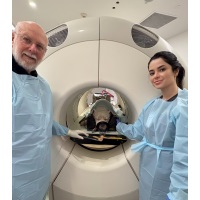
Chronic hepatitis in dogs — copper, inflammation, and what human hepatology can teach us (30mins)
A practical 30-minute update on recognising, investigating and managing chronic hepatitis in dogs, with a comparative look at Wilson disease as the closest human analogue to canine copper-associated hepatitis.
Learning objectives — by the end of the session, attendees will be able to:1. Recognise the clinical and clinicopathological patterns that should prompt a chronic hepatitis workup rather than repeated ALT rechecks2. Identify breeds at risk of copper-associated hepatitis and understand the COMMD1 / ATP7B story3. Describe the role and limitations of liver biopsy, and the value of quantitative hepatic copper quantification4. Apply a rational, staged treatment approach — chelation, dietary restriction, immunomodulation, hepatoprotectants — and know where the evidence is thin5. Draw practical parallels between canine copper-associated hepatitis and human Wilson disease that inform prognosis and client communication

Critical First Steps- Approaching the Trauma Patient
Trauma cases require rapid, structured assessment to support timely stabilisation and improve patient outcomes. This presentation outlines an evidence informed approach to the initial management of the trauma patient, highlighting key priorities in the early phase of care and the role of the Animal Trauma Triage Score in guiding clinical decision making. Attendees will gain clarity on recognising severity, avoiding common early stage pitfalls, and enhancing communication and efficiency during high pressure presentations.

Panel: Social License and the Veterinary Industry

CX Panel: Customer Experience (CX) in Veterinary Practice- Elevating the Client Experience
- Building trust and long-term loyalty through clear communication, empathy, and personalised care at every stage of the client journey.
- Leveraging digital tools and technology to create seamless experiences, from online bookings and reminders to telehealth and post-treatment follow-up.
- Turning fee discussions and challenging conversations into opportunities to strengthen relationships, improve transparency, and increase client satisfaction.


Medical Laser Therapy (MLT) : Focusing on the Science, not the Spin
- The Scientific basis of Medical Laser Therapy/Photobiomodulation( PBM)
- Literature Review: Ditch the Spin and Stay with the Science
- Understanding the ‘Drug-equivalent’ therapy aspect of MlT-PBM

Field study to evaluate the efficacy and long-term safety of molidustat in cats with CKD-associated anaemia
Create your personal agenda –check the favourite icon
Plenary Chair
Professionalisation in Vet Nursing - legislative changes, training program reforms, and the progress towards mandatory registration
Review of the veterinary practice regulatory framework in NSW

Fireside Chat: Is veterinary practice sustainable? The Future of the profession, financial pressures and what comes next
Veterinary medicine is one of the most rewarding professions, but also one of the most demanding.
Workforce shortages, burnout, compassion fatigue, rising client expectations and growing concerns around remuneration continue to challenge veterinary teams across Australia. At the same time, many veterinarians are navigating increasingly difficult conversations about affordability and treatment options, adding further pressure to an already stretched profession.
Join Dr Katrina Warren for a thought-provoking fireside chat featuring Dr Melissa Meehan (Director of Veterinary Services, RSPCA Victoria), Dr Liz Walker (CEO, RSPCA Victoria) and Brad Smith (CEO, RSPCA Pet Insurance).
Together, the panel will explore:
- Why so many veterinarians are leaving the profession, and what can be done about it
- The impact of remuneration, burnout and workforce pressures on career sustainability
- How financial constraints affect patient care, treatment decisions and veterinary wellbeing
- Practical spectrum of care conversation strategies
- The role pet insurance may play in improving patient outcomes, supporting a sustainable veterinary career and reducing financial barriers to care
- Fascinating claims trends, surprising real-life cases and what claims data can tell us about the future of pet healthcare
- The role of community vet clinics (NDIS funded vet care taking pressure off mainstream vet clinics along with the support of growing pet insurance coverage.
This discussion will provide valuable insights for veterinarians, practice owners, managers and veterinary nurses looking to better understand the challenges facing the profession, and the opportunities to create a more sustainable future. Whether you're early in your career or have been in practice for decades, this is a conversation you won't want to miss.



Chair
Chair
Chair (10:59-14:00)
Chair
Heartworm: A clinical update
- A refresher on heartworm disease, including life cycle, pathophysiology and clinical impact.
- Update on the current prevalence of heartworm in Australia.
- How to get heartworm testing and prevention right – interpreting antigen vs microfilariae results, and choosing prevention protocols to maximise compliance.

Beyond Single Ingredients: Why Formulation Matters in Joint Supplements
- The role of nutritional support in osteoarthritis.
- The evolution of modern joint supplements.
- The science and formulation philosophy behind Cenmaris GFA-868®.

Sound Veterinary Equipment

Well-Places™ for People & Pets: Designing Better Veterinary Environments
Step into the future of veterinary care with a fast-paced tour of what’s next in practice design—presented by Rebecca Reid of Evoke Projects. Discover how truly pet and people centric environments, that are fear free by design, use biophilic cues to calm animals and clients, while smart tech, strategic workflows, and flexible, scalable layouts boost clinical efficiency.
We’ll explore wellness-focused staff spaces, sustainable and hygienic materials, and luxury, design-led moments that elevate your brand. You’ll also see how Evoke Projects’s Well-Places methodology and deep experience in medical & veterinary fitouts translate the science of wellbeing into spaces that soothe anxious pets, support teams, and delight owners.

Veterinary sustainability made easy for management and fun for your team
Sustainability made easy with a clear understanding of Why, What, How and Who.
Implementing a well-designed sustainability program in your practice delivers benefits to profit, team purpose and client value. You can take advantage of new technologies and systems reviews if you have the right framework to drive the necessary changes.
Long term success requires a clear understanding of what sustainability means and how to make it work in your particular practice setting. The secret is to get your whole team engaged with a clear vision while also making it engaging, creative and fun.
Find out how the newly updated Climate Care Program provides your team with the strategies and tools to deliver a better future for the animals we care for and the planet we share.
AI in veterinary dentistry

Regional Anaesthesia of the Hindlimb for General Practice

Managing triaditis in cats with confidence
- Overview of what triaditis is
- Review of how inflammation in the pancreas, intestines, and liver may be linked
- Optimizing diagnosis: practical tips for the busy clinician
- Developing treatment plans
SURGERY Getting the most from an exploratory laparotomy

Not a Death Sentence; Normalizing Positive Outcomes for Feline Calicivirus in the Shelter
This presentation will introduce a modernized approach to feline calicivirus in the shelter environment. It will include disease identification and prevention, coinfections, management of the general feline population in the shelter following direct and indirect exposure, quarantine protocol, supportive care and disease management, lab testing, and long term prognosis for the positive patient leading to a positive outcome
It’s just human error, right?
- In the challenging environment of the veterinary profession, ’mistakes’ are not uncommon – This is often put down to human error, but is this where our investigations into these situations stop?
- In this presentation we will look at why mistakes occur (introducing Human Factors and systems thinking), and how to learn from them
AI in veterinary dentistry
From Subtle to Significant: Detecting Orthopaedic Disease in Cats
SURGERY Lumps and bumps of the head and neck - deciding how to remove and reconstruct
The Long Game: Veterinary Careers in Government and Looking After the People Doing the Work

The Power of Follow-Up Calls: Elevating Patient Care and Client Loyalty
In the fast-paced world of veterinary medicine, it’s easy to focus solely on the patient in the exam room. But what happens after they walk out the door? That’s where the real magic of client care happens.
Follow-up calls are far more than just a task on a checklist; they are a vital clinical tool. By moving away from the "no news is good news" mentality, we can:
● Improve Patient Outcomes: Catch complications early and ensure treatment plan adherence.
● Build Lasting Trust: Strengthen the bond between the clinic and the client through proactive communication.
● Drive Business Growth: Increase retention and referrals by showing clients their pet's well-being is our top priority.
Join me as we discuss how to empower receptionists—the front line of every practice—to lead this process and turn a simple phone call into your practice’s most powerful tool for loyalty and care.
GENIA Doppler BP: blood pressure in a heartbeat 🩺
For almost 15 years, Genia Australia has proudly worked alongside vets and vet nurses across the country, supporting clinics, hospitals, specialists, universities, wholesalers, and veterinary groups with trusted consumables and practical equipment solutions.
Since 2011, our approach has always been hands on and people focused. We spend time in vet clinics, listen to teams on the ground, and work closely with vets and vet nurses to better understand the realities of everyday practice. From sutures, gloves, needles, and surgical instruments to monitoring and surgical equipment, our goal is simple: providing reliable solutions that help make daily clinical work easier, safer, and more efficient.
In this session, we will showcase one of our clinic favourites: the GENIA Doppler Vet BP. Compact, reliable, and easy to use, it has become a trusted tool in vet clinics across Australia for fast and accurate non invasive blood pressure monitoring. Widely used for monitoring hypertensive cats, supporting anaesthetic monitoring, and everyday patient care, it is valued for its portability, versatility, and practical design. With multiple cuff sizes, headphones designed to reduce patient stress, and additional probes available for exotic patients, it is a solution designed with real clinical use in mind.
Join the Genia Australia team at the Demo Theatre on the 10th of September at 12:00PM for practical tips, live demonstrations, and clinical insights

Periodontal disease: The Hidden Truth behind the "routine" case
Periodontal disease is the most common disease seen in small animal practice, as much of its true pathology remains hidden beneath the gumline. What appears to be a “routine dental” often masks this progressive, irreversible disease that cannot be recognised without tooth by tooth assessment, conscious and unconscious examination, full mouth intraoral dental radiographs, and professional plaque removal both supra and subgingivally. This session uncovers the hidden truth behind periodontal disease: why “just cleaning teeth” alone is insufficient, why extractions can be both necessary and risky, how systemic inflammation elevates this condition far beyond cosmetic problems, and why homecare so often fails. This lecture outlines practical, clinically grounded improvements that strengthen periodontal assessment and treatment in everyday general practice.

Small Intestinal Surgery: Prevention and Management of Complications
The use of probiotics and prebiotics in gut health
1. Benefits of using probiotics and prebiotics in dogs and cats.2. There are so many probiotic-based products on the market. Which should I consider?
3. Published clinical studies supporting these products
To spade or not to spay? Questions and Answers on desexing rabbits & guinea pigs
From Scrub Sink to Startups and Side Gigs: Vet Techs, Nurses, and Vets as Business Owners – my journey and challenges
Sick cat sedation: What would you do?
Does sedating the aggressive sick cat concern you? What if the sedation “tips it over the edge”? Join Specialist Anaesthetist Dr Scott Cumming for an interactive, case-based quiz where you choose the sedation, we will compare the options and workshop to pros and cons of each.

'Staged Dental'...what? Are We Using It The Way It Was Intended?
Staged dental” has become a familiar phrase used in general practice, yet the intention behind it is often vague. This ambiguity affects the care we provide and the confidence of the clinicians delivering the treatment. This session clarifies what staged treatment plans are truly intended to achieve by exploring medical indications, patient-centred reasoning, and practical decision-making. The presentation will gently unpack common assumptions, identify where misunderstandings arise, and outline a clearer framework for planning multi-anaesthetic treatments with confidence. The aim is to strengthen clinically grounded, ethically sound decision-making and to distinguish staged treatment from a staged procedure.
Low Stress, Better Outcomes: Applying Fear Free Techniques in Everyday Practice
- Practical Fear Free techniques for consultations, procedures, hospitalisation, and patient handling.
- How small changes in approach can improve patient comfort, team safety, and procedural success.
- Real-world strategies for integrating Fear Free principles into busy veterinary practice.
Triage to reception! A nurse guide to rabbit emergencies
- is presentation aims to equip nurses to confidently assess a rabbit emergency patient, from owners calling over the phone to the walk-in client. Information discussed will include
- Importance of vaccination status
- CPR
- Questions to ask owners
- Taking vitals
- Common emergency presentations
Backyard poultry: Chickens, avian care, husbandry

Rewriting the Hierarchy: How Veterinary Nurses Are Reshaping Clinical Care, Leadership, and Ownership
The traditional hierarchy of veterinary practice is no longer fit for purpose, and veterinary nurses are at the centre of its disruption.This session challenges long-held assumptions about the role of veterinary nurses and technicians, arguing that underutilisation of this workforce is not just inefficient, but a direct contributor to burnout, workforce shortages, and poor retention across the industry.
Drawing on my experience as a veterinary nurse turned MBA-qualified business owner operating multiple hospitals, I explore what happens when nurses are empowered beyond task-based roles into positions of clinical responsibility, operational leadership, and even practice ownership, an uncommon but rapidly emerging model.
This is not about replacing veterinarians; it is about redefining teams. When nurses are trained, trusted, and strategically integrated, practices become more efficient, more profitable, and more sustainable.
We will unpack the real barriers, cultural, educational, and regulatory, that continue to limit progression, and outline practical, scalable strategies to elevate nurses within your business.
If we are serious about addressing the mental health crisis in veterinary medicine, we must rethink how we structure our teams.
The future of veterinary care is not hierarchical, it is collaborative. And it starts with fully utilising the people we already have.

Mastering Pain: Physiology for Veterinary Nurse
Hyperkalemia during general anaesthesia in dogs and cats
Anaesthesia and analgesia play a major role in small animal veterinary dentistry. Many dental patients are older and/or have comorbidities. Greyhounds are very prone to dental disease and are also prone to delayed stress hyperthermia and hyperkalaemia under general anaesthesia. Dental procedures can involve prolonged general anaesthesia, often exceeding two hours, so we need to be aware of the risk of hyperkalaemia occurring during GA.
Unanticipated, severe hyperkalaemia can develop acutely during general anaesthesia and requires prompt recognition and treatment. Hyperkalaemia under GA has been reported in greyhounds, and less commonly in other breeds. It has also reported in large cats in association with alpha 2 agonists and has also in a small number of domestic cats, including during dental procedures.
Hyperkalaemia can develop rapidly and be fatal. If a patient under GA develops sudden bradycardia, hypotension and poor response to anticholinergics then consider hyperkalaemia.
The presentation will present a case of acute hyperkalaemia in a domestic short-haired cat undergoing dental treatment and discuss monitoring and treatment options.
The Process of Elimination: Empowering Veterinary Nurses in Food Allergy Management
Food allergies and dietary elimination trials: how veterinary nurses can improve owner compliance, patient outcomes, and long-term nutritional management.
Key Learning Points:
- Understanding the role of dietary elimination trials as the gold standard for diagnosing food allergies.
- Practical strategies to improve owner compliance through education, structured follow-up, and clinical resources.
- Choosing appropriate hydrolysed and novel protein diets, including alternatives for challenging patients.
- Refining the elimination diet process to identify specific food allergens rather than simply confirming a dietary reaction.
- The value of veterinary nurse-led nutrition support, including client communication, monitoring, and ongoing case management.
- Real-life case studies demonstrating how nurse-led interventions improved patient outcomes and strengthened client confidence.

Understanding Invasive Blood Pressure Monitoring
- Why Use Invasive BP?
- Gold standard for accuracy vs NIBP limitations
- When IBP truly matters: critical patients, unstable anaesthesia, vasoactive drugs
- The clinical value of waveforms (not just numbers)
2. Arterial Catheter Placement Basics
- Common sites: dorsal pedal, radial, auricular, coccygeal
- Quick anatomy review of chosen sites
- Aseptic prep & cannulation technique
- Securing the line to prevent movement/occlusion
3. Setting Up the Transducer
- Components: catheter → tubing → flush bag → transducer → monitor
- How to zero the transducer (and why it matters)
- Leveling at the phlebostatic axis
- Ensuring proper fluid flush pressure
- Common setup errors and fast troubleshooting
4. Anatomy of a Waveforms
- What a normal arterial waveform looks like
- Systolic, diastolic, MAP - what they truly represent
- Damping vs underdamping: how to spot and what to do
- Artefact recognition (movement, air bubbles, clotting, kinked line)
5. Caring for the Arterial Line
- Maintaining patency (continuous flush, minimising blood backflow)
- Preventing complications: thrombosis, bleeding, infection
- Dressing changes and monitoring the insertion site
- When to remove the line
6. Blood Sampling from an Arterial Line
- Step-by-step sampling technique
- Preventing dilution, contamination, and air bubbles
- Ideal for blood gases: rapid, accurate, repeatable
7. Rapid Clinical Application
- Real-world examples: shock, anaesthetic instability, respiratory failure
- How IBP monitoring changes your case management in real time
- When to escalate intervention based on trends
Vaping and Companion Animals: Emerging Evidence, Exposure Risks, and Implications for Veterinary Practice
- Current understanding of electronic cigarette/vape exposure risks for companion animals
- How pets may be exposed through second-hand aerosol, contaminated surfaces, homes, vehicles, and accidental ingestion of e-liquids or vape devices
- Potential animal health and welfare concerns, including respiratory effects, nicotine toxicity, and unknown long-term impacts
- Why companion animals may act as sentinels for environmental and household exposure risks
- Knowledge gaps in pet guardians’ awareness of vaping risks around animals
- The role of veterinary professionals in client education, prevention, and One Welfare approaches
- Future directions, including educational toolkits and evidence-based communication for pet owners

Panel: Vet practices profitability through building client loyalty and client retention
- Client retention and building client loyalty
- Designing Wellness Plans and Packages
- Growing High-Value Services and preventive care programs
- Balancing client affordability while maintaining profitability

EluracatTM - support cats with chronic medical conditions by helping them maintain and gain weight over time

Tricky Dental Extractions


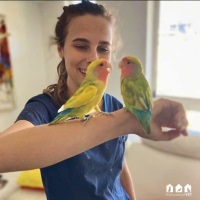
How to make seeing birds in GP practice less "scary"
Veterinary palliative care vs hospice
Beyond just pain management and euthanasia

ECC: Emergency and Critical Care: Initial pain management at triage
Beyond the Consult: What Veterinary Practice Can Learn from Oregon Humane Society
- at can Oregon Humane Society and Veterinary Emergency Group teach us about the future of veterinary care?
- creating greater transparency and client participation
- designing environments around patients, clients and clinical teams
- strengthening community relationships
- recognising problems earlier, before they become crisis
- building trust, retention and a better overall care experience
Rather than presenting these organisations as models to replicate, Gavin will explore the ideas behind what they do differently – and what those ideas could mean for Australian veterinary practice.
If you are interested in how veterinary care could work better for patients, clients and teams, this is a conversation worth joining.
Some of the most interesting ideas in animal care are coming from organisations willing to question the traditional model.
Veterinary Emergency Group has rethought the emergency experience by bringing clients closer to the care of their animals, creating greater transparency and changing the relationship between the clinical team, the client and the patient.
Oregon Humane Society has taken a different but equally compelling approach - looking beyond what happens inside the shelter to understand the people, circumstances and community around each animal, and using that knowledge to help prevent animals reaching crisis in the first place.
In this session, Gavin Biggs brings these two models together and asks:
What could Australian veterinary practices do differently if we looked beyond the consult room?
Drawing on more than two decades working across veterinary hospitals, shelters, boarding facilities and emergency-care environments, Gavin will translate these ideas into practical considerations for veterinary practice, including:

Linguoverted Canines
Antimicrobial stwewardship - what is it? why do I need it? how do it do it?
Antimicrobial resistance (AMR) is a global health concern as we need access to effective antimicrobials for the welfare of both humans and animals. Overuse of antimicrobials drives selection pressure and increases resistance. Antimicrobial stewardship (AMS) is a coordinated set of actions that support appropriate prescribing of antimicrobials. There are many different pressures that companion animal veterinarians face when prescribing antimicrobials. Having a stewardship program helps support better prescribing decisions. Come and discuss and learn about AMS in small animal practice and how to implement a program or if your practice has one, how to do things better.

Protecting staff and vet wellbeing – keeping cats out of shelters and pounds

The Evolution of Senior Care: Getting Ready for the Longevity Medicine Era
Our understanding of ageing is changing rapidly, and veterinary senior care is poised for a significant shift. This session explores emerging trends in senior care and the latest developments in geroscience, including what we are learning about biological ageing, frailty and healthspan.
For many clients, ageing and early frailty remain difficult to recognise, while veterinary practices may lack the structure needed to identify and proactively manage these changes.
Excitingly, the science, assessment tools and emerging therapeutic options are increasingly available to help us do better. Join Jackie as she explores how key developments are set to reshape the way veterinary teams approach ageing — not simply treating the diseases of older patients, but identifying physiological changes earlier and supporting better healthspan with new therapeutics. Drawing on her extensive experience in senior, palliative and end-of-life care, Jackie will consider what practices can do now to prepare for this emerging era, inspiring us to recognise the clinical opportunity, close the care gap and begin building the senior care models of the future.
AVIAN Reproductive disease in backyard chickens Avian Medicine
Why Being Good at Medicine Isn’t Enough: Understanding Effective Clinical Teaching
This presentation shares original research examining the personal and interpersonal characteristics that contribute to effective clinical teaching in veterinary settings. While previous literature has long suggested that educator qualities influence learner outcomes, this study explores how contemporary learners—particularly those engaged in distributed teaching models—define and experience effective clinical education. The findings highlight the traits and behaviours that learners identify as most supportive of their development and offer practical insights for clinicians, supervisors, and formal educators who work with veterinary and veterinary nursing students in placement environments. This session provides an evidence informed perspective on what truly enhances learning in practice based contexts
Oral nerve blocks and avoiding complications: cats
- Key anatomical landmarks for local anaesthesia
- Recommended anaesthetic agents, doses, and volumes for each block
- Severe complications from improper oral nerve block techniques

Inherited neurologic diseases in ruminants

Good Days and Bad Days Aren't Enough: What QoL Assessment Actually Requires
"He still has good days" — it's one of the most common things we hear in end-of-life consultations, and one of the hardest to work with. Subjective quality of life assessment leaves both clinicians and families without a shared language, often prolonging suffering and deepening caregiver distress. This session introduces structured QoL assessment as a genuine clinical skill: what validated tools exist, how to use them, and crucially, how to hold a productive conversation when the numbers say one thing and the client says another. Grounded in the HHHHHMM scale and the latest IAAHPC guidelines, this talk offers practical frameworks you can use in your next consult.
Learning outcomes:
- Explain the limitations of subjective QoL assessment and the clinical case for structured tools
- Use the HHHHHMM scale to conduct a structured quality of life assessment with a client
- Navigate the clinical and communication challenges that arise when QoL scores conflict with client readiness

Problem solving and decision making in emergency and critical care

5 AI Use Cases Reshaping Veterinary Practice
Veterinary teams are stretched thin by administrative work.Documentation, lab reviews, case research. The work around the work has grown, while the number of hours in the day have stayed the same.AI is starting to take some of that load off, but only if it's built for how vets actually work.In this talk, we will explore five places where AI is making a real difference in clinics today.
- Consultations
AI-generated clinical records across small animal, equine, herd health, and referral workflows. Most current tools focus narrowly on companion animal practice, leaving mixed and large-animal vets to either adapt templates that don't fit or keep documenting by hand. The platforms that handle the full breadth of veterinary work will be the ones that actually reach the whole profession.
- Client Communications
Capturing and transcribing everything from reception calls to post-consultation follow-ups and telemedicine consultations. A huge portion of client communication happens by phone, yet it's a workflow many ambient AI tools skip entirely, meaning the documentation burden simply shifts rather than disappears.
- Integrated Diagnostics
Integrating lab results alongside consultation recordings and patient history creates a more complete patient record, allowing AI to generate richer case summaries, referrals, and discharge notes grounded in the full clinical context.
- Dental Charting
Voice and image-assisted charting that makes documentation faster and more consistent. Dental work is routine and documentation-heavy in most clinics, yet it remains underserved by AI tools.
- Case Assistance
AI-supported differential diagnoses drawing on trusted, referenced veterinary sources rather than generic large language model output. The distinction matters: a tool grounded in real veterinary literature is fundamentally different from one improvising from general training data.
Together, these five point to the same underlying shift: AI in veterinary medicine is moving from novelty to infrastructure. The tools that get the details right will be the ones that give clinicians hours back in the day and records that actually reflect the work being done.

The VET Expo Pitchfest
Pitchfest Listen to veterinary industry start-ups get their ideas off the ground (15:00-16:00)
Judges will assess the pitches for criteria of ingenuity, impact and business model

Oral nerve blocks and avoiding complications: dogs
- Key anatomical landmarks for local anaesthesia
- Recommended anaesthetic agents, doses, and volumes for each block
- Severe complications from improper oral nerve block techniques
Pitch 1: Next Paws Innovations

Pitch 2: Pawfect Aus

Revisiting Routine Prescribing: Unintended Consequences of Standard Equine Drug Protocols (50mins)
Pharmaceutical therapies are fundamental to modern veterinary practice and are often essential for managing pain, inflammation, infection, and surgical intervention. When used appropriately, these medications are highly effective. However, routine or repeated prescribing can also have unintended physiological consequences that may influence recovery and long-term health.This session will review commonly used equine drug classes, including:
- Corticosteroids
- Non-steroidal anti-inflammatory drugs (NSAIDs)
- Gastric ulcer medications
- Antibiotics
- Anthelmintics
- Sedatives and general anaesthetic agents
With discussion focused on:
- Effects on gastrointestinal function and microbiome balance
- Impacts on nutrient absorption, metabolism, and excretion
- Polypharmacy and interaction risks
- Systemic physiological effects
- Practical strategies will be explored to support safer use, minimise avoidable side effects, and promote physiological recovery when pharmaceutical intervention is clinically necessary.
Pitch 3: EquiPatch

Pitch 4: The Pink Stethoscope App
Pitch 5: Dr Fetch


From Genes to Guidance: Resources for Genetic Counselling in Cats and Dogs
Inherited diseases can significantly affect animal health and welfare, and veterinarians play a key role in their prevention through effective genetic counselling. As knowledge of inherited conditions continues to expand rapidly, access to practical and reliable resources is increasingly important. This presentation will highlight freely available online tools that can support veterinarians in the genetic counselling of inherited diseases in cats and dogs.

Panel: Supporting Learners in Practice: Empowering Strategies for Clinical Staff
Workplace Learning is a cornerstone of Veterinary and Veterinary Nursing education, offering students essential opportunities to develop clinical, communication, and professional skills while strengthening their identity within the profession. The clinical staff who mentor, supervise, and teach students in veterinary practices play a crucial role in shaping these learning experiences. Yet many dedicated clinicians receive little formal training or support for this important educational role.
This session will introduce practical, evidence‑informed strategies to help you grow your confidence and effectiveness as a clinical educator in practice. To enable you and your students go from surviving to thriving in the clinical learning environment.


Leisure is not a luxury: Getting yours for individual and team success
Serious leisure is getting more attention in the Occupational Health & Safety communities worldwide as a source of workplace recovery, a means of preserving identity and also a means of finding or preserving meaning in the wider world of life as well as at work. Yet, for many in the veterinary professions there is little time or energy left at the end of the working week to engage in leisure activities. If you have hit a wall and already experiencing more serious mental health challenges, you may have already neglected your need for leisure and self-care. Whatever your leisure and however long you might spend on it, there are some key features informed by the science and practice of psychology that you can harness to reap the benefits of serious leisure for yourself and for your team. It does not matter what you do, it is how you do it that counts!
Retrieving fractured roots: Performing a risk-benefit assessment
- Decision making with fractured roots? Radiography is your friend.
- When risk outweighs the benefits of retrieving a small, fractured root
- When benefit outweighs the risk and a small, fractured root should be retrieved
- Complications that can occur with leaving a root in situ
- Complications that can occur in retrieving a fractured root
Pitch 6: Biome Innovation Ltd

Pitch 7: Veterinary Care Training Academy
Pitch 8: Savvy Enrichment

Pitch 9: Vetdesk

Pitch 10: CompaniCalm
Announcement Pitchfest Winner the VET Expo
Contact us
Sponsorship Enquiries
Ellen.phelan@terrapinn.com
Speaking Enquiries
Amanda.liversage@terrapinn.com
Marketing Enquiries
natalie.mcclelland@terrapinn.com
Chinese Sales Enquiries
zhengyumeng@cccmhpie.org.cn
Startup Enquiries
Meg.OBrien@terrapinn.com






Created by


Terrapinn is proud to be a member of isla.
Working together to build sustainable events