THE CONFERENCE AGENDA

Washington DC, 2 - 3 September 2026
Schedule
Create your personal agenda –check the favourite icon
Keynote Presentation
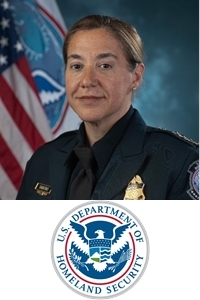
Keynote: The unseen shield: Professionalizing America's identity workforce for national security
This keynote address argues that a professionalized identity workforce is a critical and urgent necessity for U.S. national security. The speaker highlights that while identity is the foundation for countering every major threat—from border security and cyberattacks to insider threats and fraud—the thousands of government professionals performing this work lack unified standards, formal training, and a defined career path.
The address warns that without a formalized and interoperable identity workforce; the nation remains vulnerable to adversaries who exploit identity vulnerabilities with increasing sophistication. The proposed solution is to establish a professionalized corps of identity experts, modeled after cyber and intelligence career fields. This would involve creating a clear competency framework, a training and certification pipeline, and formal career tracks. The result would be a more resilient nation, capable of faster threat attribution, stronger fraud prevention, and enhanced public trust in a rapidly evolving digital world.
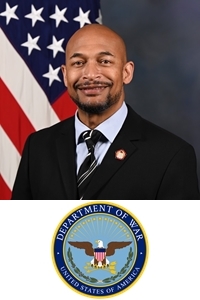

Reactive or roactive? Why the architecture matters
Historically, both cyber and identity security systems have been designed to react to known threats, rather than proactively prevent the next threat. But is this wise? Has that orientation actually worked? It would appear that cyber attacks, breaches, hacks, frauds and other identity-related problems have grown, seemingly unencumbered, despite a massive economic investment in systems claiming to mitigate them. In fact, it's the reactive nature of these systems that enables the next attack to go unnoticed until after the fact. The dogma that identity data and biometric data must be bound to devices, rather than to each other, might help device manufacturers sell future generations of devices, but it also forces the reactive nature of identity and cyber security. It’s the intentional separation of these attributes that enables the attacks that traditional architectures can only react to. In this presentation, Jay describes why a proactive system architecture, the proper binding between a verified identity, the human that identity describes, and the privileges that person is entitled to is the key to preventing the next cyber-identity attack.


Digital ID in financial services presentation

IAM presentation

Mobile driver's license presentation

NIST Tatt-E: Benchmarking the state of the art in tattoo recognition
Law enforcement agencies have used tattoos for many years to assist in investigations. Historically, this has involved searching tattoo image databases using text descriptions of tattoos. However, the effectiveness of this method has been limited by the subjectivity of text-based descriptions. Recent advances in technology have enabled developers to leverage artificial intelligence (AI) to create automated, image-based tattoo search capabilities. Compared to traditional approaches that rely on subjective text descriptions, image-based searching provides a more objective means of retrieval. To determine whether these systems are fit for purpose, decision-makers will need to know their capabilities and limitations. NIST is running an evaluation program to assess the accuracy of tattoo recognition algorithms. This evaluation will measure the capability of these algorithms to detect tattoos in an image and to perform automated matching of different images of the same tattoo from the same subject over time. Thistalkwill present the state-of-the-art accuracy in image-based tattoo recognition and discuss current capabilities and limitations of the technology.

Panel: Beyond the fingerprint: Navigating the next generation of biometric innovations and their real-world impact
- Review the most important recent innovations in biometric technologies and the real-world applications of these
- Highlight the rapid evolution of biometric modalities beyond traditional fingerprint and facial recognition
- Analyze the unqieu advantages and shortcomings of each of these types of biometric technologies,e.g. increased accuracy, fraud prevention, authentication - and establish where these innovations will have the most impact
- What are you most excited for regarding potential developments and future use cases for biometric technologies?



Panel: Evolving IAM: Trends, best practices, and future proofing
- Review the evolution of IAM practices in an age of increasing scam sophistication
- Address the challenges of scalabiliy, user experience, and compliance in IAM solutions
- Review the impact PAM has on cybersecurity assurancce and discuss the ease of creating and maintaining PAM accounts throughout small, medium, and large enterprise systems
- Look across different industries and sectors, public and private, for IAM best practices






Panel: The new baseline: Adopting digital ID to future-proof customer experience and security in financial services
- How is the role of digitl identity evolving in financial services?
- Assess the financial sector in the US' adoption of digital ID programmes (e.g. mDLs( into verification procedures
- Discuss how digital ID is being innovatively applied across operations to verify customers, such as voice biometrics, onboarding, and fraud monitoring
- Review the current threat level to the digital ID ecosystem in the financial service sector. Could we be doing more to protect identities?


Panel: The road ahead for mDLs: Progress, challenges, and potential
- Review the progress of mDL adoption across different states
- Discuss the issues that have arisen from mDL rollouts and how these issues can be solved at either a state or federal level
- Look into the current and potential use cases of mDLs being utilized in commercial environments
- Address privacy concerns and interoperability challenges





Sponsored presentation (Regula Forensics)


Cybersecurity presentation
Facial biometrics presentation

Fighting fraud presentation

SEDI: From inception to legislation

Panel: Beyond the unlock: Practical applications, future use cases, and the technology driving next-gen facial recognition
- Examine advancements, challenges, and ethical considerations in facial recognition technology
- Explore practical applications of facial recognition across industries, the challenges and success stories, and what future use cases you are hoping/expect to see in the coming years
- Discuss the importance of responsible and ethical use of facial recognition - address public response to recent use cases from law enforcement and online safety initiatives
- Review efforts to reduce bias and improve fairness in facial recognition technologies


Panel: Integrating decentralized identity: benefits, challenges, and lessons learned from 'no phone home'
- Review the latest frameworks and standards for developing decentralized identity systems
- How can decentralized identity be integratede into existing or upcoming digital identity initiatives - what benefits would this bring?
- No Phone Home - What has this issue taught the community to consider moving forward when developing decentralized identity systems?
- Identify challenges associated with decentralized identity programmes,and discuss how these challenges can be addressed or solved





Panel: The criminal gravy tr(ai)n: Where are cyber threats evolving and how can you future proof your security?
- What are the biggest threats in the cybersecurity landscape?
- How can AI strengthen cybersecurity threat detection, response automation, and predictive analytics?
- Address the risks of AI misuse in cyberattacks, including identity fraud, social engineering, and deepfakes
- Review use cases of AI enhancement of cybersecurity operations
- Discuss the importance of public-private sector collaboration to harness the potential of AI while mitigating emerging threats



Panel: The unified front: Coordinating best practices to prevent rising fraud risks
- Review trends in identity theft and fraud, their impact on individuals, and how to educate and protect consumers effectively
- How can you effectively balance friction and risk in authentication processes. Which of these two is most pertinent to consumers?
- Is there a one-size fits all V&A approach for consumers and employees or does each subsect need different processes?
- What current initiatives are being implemented to improve the detection of fraud across the US?
- Assess the role of government entities, telcos, and private sector commpanies in implementing effective V&A systems





Panel: Coordinating government, telcos, and the private sector to enhance V&A practices
- Explore real-world experiences with verification and authentication solutions from a diverse range of industries
- Balance customer priorities; how do we address friction versus risk in authentication processes?
- Highlight the newest solutions and technologies shaping rhe future of identity verification
- Understand how different sectors and populations require tailored approaches to identity solutions -can customers and worker be treated the same?
- Examine the varying priorities and unnique challenges faced by industries in implementing effective verification and authentication systems





Panel: Frictionless security: Balancing risk and user experience with next-gen CIAM authentication
- Identify and address gaps to enhance security and user experience
- Explore how CIAM priorities differ across industries and adapting solutions accordingly
- Leverage CIAM innovation for fraud prevention and trust-building
- Balance friction versus risk with technologies like passwordless authentication, MFA, and facial recognition




Panel: From stadiums to statehouses: Analyzing commercial biometric implementation and impact
- Review biometric adoption for commercial purposes across different industries - is sports & entertainment leading the way?
- What can government branches learn from the experience gained through commercial implementation of biometric technologies?
- Discuss the benefits gained through biometric adoption in commercial environments
- Review the human response to biometrics being deployed. What friction was faced during rollouts?


Panel: Integrating digital identity into digital public infrastructure
- Explore how DPI is evolving to meet the demands of an increasingly digital and interconnected world
- Examine the role of international collaborations and standards in shaping the future of national identity infrastructure
- Address the need for security, privacy, and user convenience in national identity programs amid rising data protection concerns
- Analyze the impact of emerging innovation like AI, biometrics, and decentralized technologies on the development of dgital public infrastructure




CAMARA project: How telcos are uniting to enhance A&V practices

Commercial biometrics case study

Modernising account recovery: How eBay made secure access seamless


Strengthening Caribbean border systems: Advancing the sensor–decider–effector model

Keynote: Bio Sole
Create your personal agenda –check the favourite icon
Keynote fireside chat

Keynote panel: Seamless travel – pilots, passenger pathways, and progress



Digital wallets presentation

GPO's 100 year journey in designing the U.S. passport

Non-human identity presentation

Panel: Grand designs: Reviewing document design features
- Review the latest credential security features that can be incorporated into physical documents
- What document security features are available that are currently unable to be duplicated by bad actors?
- How do you see digitally encrypted features (e.g. NFC chips) being used in physical documents?
- Discuss the role of futureproofing physical documents in an age where digital transformation is affecting everything
- What documents and credentials must remaing physical and why?

Panel: Smart borders: Leveraging digital identity, biometrics, and automation to enhance security and traveler convenience
- Explore what technologies are currently enhancing identity verification and strengthining security at ports and border crossings
- Discuss the role of biometrics, digital credentials, and automation in streamlining immigration and customs processes
- Examine initiatives to enhance efficiency and traveller convenience (e.g. MCP) and if there are additional risks to border scurity as a result of these
- Gain insights from US and international leaders on the challenges and innovations shaping border management





Panel: Wallet give you control? Finally unlocking a decentralized future for digital identity
- Review digital wallet adoption in the US and other regions
- Explore new wallet technologies and assess their role in enhancing user experience
- How well is the decentralized aspect of digital wallets being communicated (is a lack of understanding resulting in push-back to digital ID initiatives that would use digital wallets due to privacy concerns)?
- Address privacy, fraud, and cybersecurity risks relating to digital wallets
- Discuss the need for cross-border and cross-platform compatibility and how this can be achieved
- Assess the role of government in forwarding the ability of digital wallets to store personal credentials. Should the public sector take a leaf out of the private sector's book?


Panel: Who's logging in? How should enterprise architecture evolve to factor in non-human identity management?
- Assess the rise in use cases for NHI's and the new security concerns that are raised by this
- Review the validity of zero trust models for NHI's to prevent compromised assets becoming a threat
- Explore what the future looks like for NHI usage across different industries and sectors
- Where are the best use cases that demonstrate NHI's enhancing existing enterprise architecture?
- How will 'sentient' NHI's, such as agenti AI operators, increase and reduce security risks pertaining to user authentication and verification?





From account takeover to agentic takeover: Securing identity in the age of autonomous AI

Panel: Dual-edged onboarding: Managing the risks and benefits of face-scanning, digital IDs, and AI integration in KYC onboarding operations
- Review the latest innovations in KYC operations
- Discuss the risks and benefits of integrating digital IDs and face-scanning technologies to verify authenticity when onboarding
- How is AI enhancing KYC/B processes - is this allowing for more effective identity verification through improved trnsaction monitoring techniques?
- Alternatively, what threats have been created from AI misuse?

Panel: License to thrill: AI agents in the field, can we control and authorize their actions effectively?
- Assess the state of play for 'AI' in the identity ecosystem. Is this overhyped, or do sectors need to shift their approach and incorporate AI entities into their identity management?
- Discuss AI agents and how they integrate into access management systems. What permissions should they be granted?
- Review the security concerns with autonomous agents requesting access on behalf of a human user
- Should AI receive its own identity credentials and how should they be authenticated if representing a human user?
- How far can authorization for an AI agent be trusts if users aren't able to account for the infinite permutaations of how an agent will act to achieve it's set goal? Should sub-agents be considered separate entities?





Panel: Seamless travel initiatives: Assessing the World Cup and looking forward to the 2028 Olympics
- Review the challenges and success stories from seamless travel initiatives at the 2026 World Cup
- Discuss new innovations and their adoption, such as touchless check-ins and automated security processes
- Evaluate best practices for frictionless travel outside of the US - what can be learned from other pilots?
- Assess what effortsneed to be made to make the 2028 Olympics a frictionless travel feat. What new technologies need to be deployed, how can airlines and airports collaborate more effectively, and what lessons can be learned from 2026?




Panel: The counterfeit crisis: Futureproofing physical documents with unbreakable security
- Review the current state of counterfeiting in the US - do we have a problem?
- Where can counterfeiting be seen to cause the most damage currently in the US?
- Review new methods to combat document fraud
- How can innovative technologies be leveraged to enhance document security and counterfeit detection?


Panel Reimagining the Border: The promise and practicalities of digital travel credentials
- What advantages will the digital travel credential bring to border security, the travel industry, and individual travellers?
- How can, and should, border authorities engage with passport developments for DTC design and implementation?
- Are mitigations being factored into DTC developments for those who are unable to access the required technology?
- Where can use cases for DTCs and seamless travel be observed, and what lessons have been learned so far?


Panel: From paper to platform: Rethinking document security in a digital age
- Discuss the momentum behind the shift to digital documentation
- Weigh up the pros and cons of digitizing sensitive documents
- Are there examples of documents that must remaing physical? What security concerns exist surrounding digital documentation?
- What options are available to citizens that wish to opt-out of digital ID initiatives?
- Is the risk appetite increased or decreased by digitizing documents from a counterfeiting perspective?

Panel: Is passwordless inevitable? Adoption, friction, and the zero-trust reality
- Review the adoption of passwordless technologies and assess whether 'passwordless' is feasible and/or necessary
- Identify which challenges for adoption of zero-trust methodologies are a resuly of increased friction, lack of interoperability, or undereducated users
- Examine leading use cases from a variety of sectors that have transitioned to passwordless authentication
- Discuss the security benefits for implementing zero-trust in enterprise systems - is this more necessary than ever considering the rise in fraudulent activity and phishing attacks?


Panel: The future of payments: Security, identity, and intelligent innovation
- Explore how emerging technoligies like blockchain, AI, and biometrics are transforming payment systems and driving future innovations
- Examine advancements in payment security and strategies for balancing robust protection with seamless user experiences
- Discuss the impact of evolving regulatory landscapes on the payments industry and how companies can ensure compliance
- Highlight the role of identity verification in fraud prevention and its integration into modern payment systems at the point of sale


Panel: The future of payments: Security, identity, and intelligent innovation
Digital travel credentials presentation
Passkeys at PayPal - learnings, best practices and beyond!
In this session, we'll share PayPal's journey deploying Passkeys across our platforms, reaching millions of customers worldwide. If you're interested in passwordless authentication or planning your own passkey implementation, we'd love to see you there.


Seamless payments presentation















































































GET INVOLVED AT IDENTITY WEEK AMERICA



Created by


Terrapinn is proud to be a member of isla.
Working together to build sustainable events