
Free expo seminar on First Nations
Supported by

Explore creating culturally safe classrooms, embedding Indigenous perspectives, language revitalisation, and educator cultural competency. Sessions cover student wellbeing, community engagement, Indigenous STEM initiatives and career pathways, highlighting the role of Elders and community leaders in enhancing education for Aboriginal and Torres Strait Islander students.
Benefits of attending
- Culturally responsive teaching: learn the importance of creating inclusive classrooms that celebrate and respect Aboriginal and Torres Strait Islander identities, languages, and traditions, fostering a sense of belonging and promoting positive student outcomes.
- Embedding first nations perspectives: gain practical approaches to integrate First Nations histories, cultures, and perspectives into the curriculum across all year levels, enriching teaching and learning and supporting cultural awareness.
- Cultural competency development: access training and resources to help non-Indigenous educators respectfully and effectively teach First Nations content, enhancing the cultural responsiveness of teaching practices.
- Language revitalisation and preservation: understand strategies and resources to support Indigenous language learning in schools, emphasizing the importance of language in cultural preservation and student identity.
- Community partnerships: discover ways to build strong, authentic relationships with local Indigenous communities, ensuring that teaching practices are culturally authentic and enriching the overall educational experience.
- Land-based and creative learning: explore land-based and outdoor education methods that connect students to Indigenous ways of knowing and learn how to incorporate traditional and contemporary Indigenous art, music, dance, and storytelling into the classroom to enhance creativity and engagement.
- Promote wellbeing and future opportunities: access tailored programs that address the social and emotional needs of Indigenous students and connect them to cultural and career pathways, empowering their future success.
Who is it for?
- Principals and deputy principals
- Indigenous education officers
- Community engagement officer
- Cultural liaison officers
- Heads of curriculum
- Classroom teachers
- Student wellbeing coordinators
- Language and culture teachers
- Professional learning coordinators
First Nations, Wednesday 3 June 2026


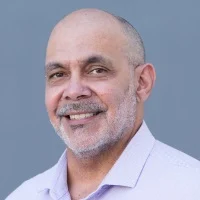
PANEL - Guiding with care: Teachers, AI & cultural bias


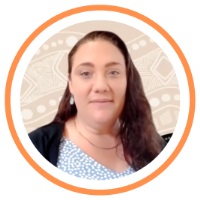
Connecting classrooms and culture: Practical tools to embed Aboriginal perspectives with Wingaru Kids
Allyship in action: Embedding Indigenous perspectives in K–6 learning
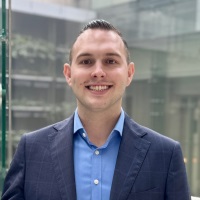

Sharing the cultural load: Building collective responsibility in education
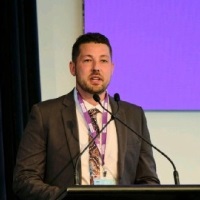
Measuring what matters: Embedding First Nations perspectives in government-supported national formative assessment

Nyangatjatjara College Presentation
First Nations, Thursday 4 June 2026

Power of literacy built on language and culture


Bilaarr AI: Culture-led AI transforming classrooms and protecting knowledge
Bilaarr Ai is reshaping how educators embed First Nations perspectives with confidence, cultural safety, and integrity. Built on community guidance, ICIP protections, and strong cultural governance, she offers teachers authentic curriculum-aligned support while honouring data sovereignty and First Nations voices.
This session will explore how a culture-led AI system like Bilaarr Ai can strengthen teaching practice, uplift First Nations knowledge in the classroom, and show what safe, community-driven AI looks like for the future of education.

Importance of roles models in the classroom
DeadlyScience Presentation
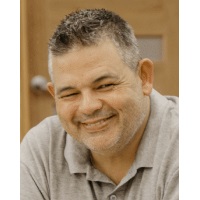
Intercultural communication
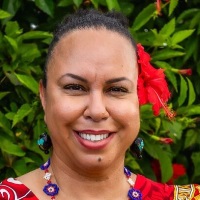
It’s all about representation: The importance of Torres Strait perspectives in the curriculum
Contact us
Sponsorship Enquiries
Arron.Penman@terrapinn.com
Speaking Enquiries:
Elizabeth.Paterson@terrapinn.com
Marketing Enquiries:
Natalie.Mcclelland@terrapinn.com
Start-Up Enquiries
Joseph.Zeko@terrapinn.com






#EDUtechAU
Created by

Terrapinn is proud to be a member of isla.
Working together to build sustainable events