Mikel Berdud | Senior Principal Economist
Office of Health Economics
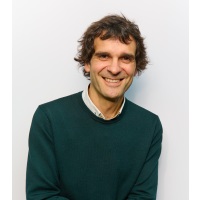
Mikel Berdud is an economist at the Office of Health Economics (OHE), specialising in pharmaceutical R&D incentives, pricing and reimbursement, and the social value of innovation. He holds a PhD in the economics of organisations and behavioural economics. He is an honorary visiting professor at City St George’s, University of London and the Public University of Navarre (UPNA). Within OHE’s Economics of Innovation theme, Mikel studies how regulation, pricing and health technology assessment (HTA) shape access to new medicines and the incentives to invest in R&D. His recent work covers the life-cycle value of medicines, generic and biosimilar markets, orphan medicinal products and rare diseases, and incentives for new antibiotics. Mikel recently co-authored OHE’s analysis of how the choice of comparator in HTA affects price headroom, access and innovation incentives, with particular relevance for areas of limited innovation such as rare diseases.
Appearances:
Day 1 @ 11:30
Getting comparators right to support access to rare disease medicines: lessons from off-label comparator use in PBC - Room E104
Patients with rare diseases often have limited licensed treatment options, leading to the use of off-label therapies that may be considered as comparators in value assessment. However, clinical use alone does not necessarily make an off-label treatment an appropriate comparator, and comparator choice can materially influence the assessment of licensed treatments and subsequent patient access. Drawing on expert perspectives and the example of primary biliary cholangitis, this panel will explore the key considerations that should guide comparator selection in rare diseases, including regulatory status, evidence quality, clinical relevance, legal and ethical safeguards, and longer-term access implications. It will also consider potential ways forward to support fair assessment and patient access.

Created by


Terrapinn is proud to be a member of isla.
Working together to build sustainable events