Chrissy Green | Co-Founder and President
Finding Hope for FRRS1L
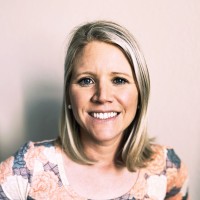
Christine Green is the Co-Founder and President of Finding Hope for FRRS1L, where she is a leading advocate for parent-led innovation in rare disease drug development. Her work focuses on redefining traditional therapeutic development models by positioning families and patient organizations as active leaders in development strategy, timelines, sponsorship, and execution.
Under Christine’s leadership, Finding Hope for FRRS1L became the sponsor of its IND and she restructured the timeline to treatment to significantly accelerating progress toward clinical readiness. She has helped advance Frizzle gene therapy program to first-in-human readiness in substantially less time and with fewer resources than traditional academic-led models typically require. Confronted with the urgent needs of her daughter, who lives with the devastating genetic disease Frizzle (FRRS1L) that causes epilepsy, regression, and loss of function by age 2, Christine and her team assumed direct control and sponsorship of the Frizzle treatment program to drive drug development for Frizzle forward.
Christine has played a central role in building and fully funding the organization’s therapeutic program through focused, community-driven fundraising efforts. She currently serves on the organization’s Board of Directors and as President, helping guide strategic direction, governance, and long-term commitment to treatment development for Frizzle.
Prior to her work for Finding Hope for Frizzle (FRRS1L) and as a rare disease advocate, Christine spent 13 years as a communications, training, and marketing professional for non-profit, for-profit, and government agencies. She now applies that expertise to outreach, advocacy, education, and stakeholder engagement. She is passionate about supporting other rare disease organizations seeking to accelerate therapeutic development, particularly in neurological disorders.
Christine lives in Colorado with her husband and three children, including her daughter Everly, who has FRRS1L disease.
Appearances:
Day 1 - World Orphan Drug Congress USA 2026 @ 13:40
Working Group: Patients as Partners: The Next Frontier of Foundations for Rare Drug Breakthroughs
Explore the impact of patient-led rare-disease foundations, who are increasingly driving therapeutic development. Showcase how patient-driven models are accelerating innovation for ultra-rare diseases and reshaping the landscape of rare-disease drug development.
· Feature three foundation partners at different stages of the development journey—early-stage formation, mid-stage R&D progress, and clinical trial readiness/execution—sharing practical, real-world experiences. Highlight actionable lessons learned in identifying research partners, navigating contracts, initiating manufacturing, and designing or launching clinical studies.


Created by


Terrapinn is proud to be a member of isla.
Working together to build sustainable events