Ali Bashashati | Associate Professor/Director of AI
BCCRC
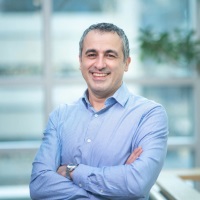
Dr. Ali Bashashati is an Associate Professor with the Department of Pathology and School of Biomedical Engineering at UBC and Director of Artificial Intelligence (AI) and Bioinformatics Research in BC's Ovarian Cancer Research Program. Dr. Bashashati's research area lies at the interface between computational, engineering and biomedical sciences. He is interested in developing machine-learning algorithms to combine various sources of imaging, digital pathology and 'omics data in the context of cancer. Dr. Bashashati aims to improve pathology efficiency, identify new biomarkers for treatment selection and derive biological insights for various health conditions with major emphasis on cancer. He has published extensively in cancer genomics, bioinformatics, computational biology, and machine learning. His papers, cited more than 21,000 times, have appeared in top-tier journals such as Nature, Nature Genetics, and Nature Medicine as well as top-tier AI conferences.
Appearances:
Day 1 - World Orphan Drug Congress USA 2026 @ 15:30
Beyond the Single Biomarker: Advancing Rare Disease Insights with AI
The goal of the panel is to move beyond the usual high-level conversations and instead focus on the practical ingredients needed to build truly actionable biomarkers. In particular, we want to highlight three dimensions that must come together:
Affordable data – Dave Zhang from BioState AI will discuss how new sequencing platforms combined with AI/ML analysis are dramatically reducing the cost of generating high-quality molecular data.
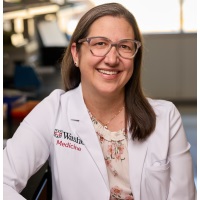
Accessible data – Maxine Chan from Washington University will be the voice who can speak to the real barriers around accessing clinical data from systems such as EPIC/Oracle and the complexities surrounding data interoperability.
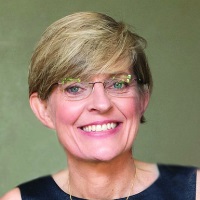
Available multimodal data – Ali Bashashati, in digital pathology and large-scale image analysis and Angela Hirbe on liquid biopsies to predict malignant transformation, beautifully illustrate how new tools are enabling researchers to interrogate enormous datasets and extract meaningful biological signals.
The central message of the panel is simple: breakthrough biomarkers will not come from a single data modality. They will emerge when genomics, clinical data, and imaging are integrated thoughtfully.


Created by


Terrapinn is proud to be a member of isla.
Working together to build sustainable events