2026 AGENDA
Basel, 6 - 8 October 2026
Schedule
Create your personal agenda –check the favourite icon
Chair's remarks

How AI is changing for drug discovery at Novartis

The use of agentic AI in R&D


BioTechX Connect
1 hour. For Partners. Optimal Efficiency
A dedicated power-hour of pre-scheduled 1:1 meetings designed to solve specific challenges
- The format: 4x15 minute meetings
- The Goal: Rapid sourcing and partnership vetting
- The Match: 100% double opt- in (AI-Powered)
Chair's remarks

Chair's remarks

Chair's remarks

Chair's remarks

Chair's remarks

Chair's remarks

Chair's remarks

Chair's remarks

Chair's remarks

An AI powered “neural system” that enriches operational decisions in Clinical Development

Building an AI Agent on top of small language models to automate Molecular Dynamics simulations

Donor-derived cell-free DNA monitoring for personalized immunosuppression in transplantation

From Data to Design: Building Platforms for Medicinal Chemistry

Increasing engagement with digital health

Multimodal Data Assets - Optimizing Drug Development with Actionable Data Insights

Quality of life as a real-world endpoint

Research data modelling at scale

Using ML-enabled multi-omics bioinformatics to accelerate immunotherapy development

Utilising multimodal data in early drug development

Breaking Barriers in Virtual Hit Identification: High Hit Validation Rates from Low-cost Exploration of Highly Synthesizable Ultra-Large Virtual Libraries
Virtual chemical space consisting of tens of trillions of molecules is now readily available. However, searching such spaces to identify biologically relevant hits and ensure diverse coverage of the space is not a simple task. As a result, much of the chemical space can often be left unexplored. To facilitate exploration of such large space, 2D searches are frequently utilized, due to computational restraints, but this is misaligned with the fundamentally 3D-nature of molecular recognition.
A range of technologies are now emerging that utilize advanced hardware, machine-learning and AI to rapidly explore ultra-large chemical spaces. Herein, we present low-cost workflows that combine the virtual exploration of our highly synthesizable, multi-trillion virtual library with rapid automated synthesis (2-4 weeks). In collaboration with our clients, such approaches have delivered outstanding confirmed hit rates (> 50%) following biological testing.

Enabling AI for modern drug discovery: from multimodal data to target and further

Scaling the Complexity: Data Infrastructure Challenges for Macromolecules and Monomer Libraries

The Foundation for Trustworthy AI: From FAIR Data Principles to Enterprise-Ready AI in Pharma

Unlocked & Validated: How Human-in-the-Loop LLMs Transform Unstructured EHR into High Quality RWD
Real-world data (RWD) is essential to biopharma R&D, but critical signals often remain locked in unstructured data types such as clinical notes, out of reach from standard analytics. Automation alone cannot reliably extract these features; success requires context, and context only emerges when clinical expertise is embedded throughout such workflows.
To capitalize on the phenotypic depth of its EHR-derived RWD, NashBio built a multi-layer LLM extraction system designed around clinical experts who informed extraction criteria, guided prompt and workflow refinements, and evaluated model output against source records to improve capture of clinically meaningful events. Applied to a 2,800 patient inflammatory bowel disease (IBD) cohort, the pipeline surfaced treatment response outcomes from each patient’s IBD clinic notes, spanning a predefined list of 25 medications. The result was more than 58,000 structured medication-response assessments, each substantiated by a verbatim quote from the attending healthcare provider and reviewable in context. This human-in-the-loop architecture achieved >90% accuracy on sampled review and 96% reproducibility – a level of rigor typically reserved for manual chart review – delivered at scale to advance more personalized medicine. Automation alone also missed important documentation patterns unique to specialty care and institutional practice.
NashBio's experience challenges the perception that AI eliminates the need for humans. This work reinforced the fact that, as extraction systems scale, human-in-the-loop matters more, not less; it is what keeps accuracy and context intact. We will also demonstrate how this framework extends to other applications relevant for biopharma R&D, including hepatology feature extraction and biomarker curation.

AI in Model-Informed Drug Development (MIDD)

Applications of biological foundation models to accelerate clinical trials

Computational approaches for target discovery

Driving Organisational Change Through Digital Transformation at Novartis
Evidence generation in early-stage drug development

Generative AI in service of data life cycle management
Human Gut Microbiome Health redefined

Predictive & Generative Modelling in Drug Design Opportunities and Challenges of Augmented Intelligence

Tailored GenAI Solutions for Enterprise Use Cases

The Power of an R&D Unified Data Catalog with Domain Models: Accelerating Insights and Enhancing Data Governance


Accelerating Drug Discovery with AI: Hybrid AI Innovation Across Public and Private Environments
Pharmaceutical and biotech organizations are leveraging Hybrid AI innovation across public and private environments to accelerate drug discovery by enabling secure, scalable access to complex scientific and clinical data. This distributed approach, combined with Hybrid AI capabilities that blend centralized model training with local AI inferencing for low-latency decision-making, helps shorten time to insight through faster analytics, improved data integration, and seamless collaboration across research and development teams, while maintaining data security, privacy, and regulatory compliance. By extending these capabilities across the value chain, biotech organizations can optimize discovery and development workflows through predictive modeling and real-time data analysis.
The Hybrid AI approach enables a balance between centralized intelligence and localized inference, improving responsiveness, compliance, and efficiency across environments. Together, these improvements strengthen operational agility and precision, ultimately helping organizations deliver measurable ROI across the drug development lifecycle.
Agentic AI and large language models: Tapping into new drug discovery possibilities

Augmented AI: Building Contextual Intelligence with Knowledge Graphs
Large Language Models are only as good as the context they receive. In this keynote, discover how knowledge graphs provide the semantic foundation for enterprise AI: powering GraphRAG, improving reasoning, reducing hallucinations, and delivering more accurate, explainable results. Through real-world examples from the pharma and life sciences industry, learn how organizations combine LLMs with knowledge graphs to accelerate research, enhance decision-making, and unlock greater value from connected data.

Designed to bind, built to fail: closing the antibody developability gap

Epam sponsored presentation

Benefits of AI in signal management workflow

DCAM (Data management capability assessment model) framework

Enhancing discoverability with the SPHN Metadata Catalog
Evaluating digital health opportunities: An investor perspective.

From unstructured distributed real-world healthcare data to Virtual Health Twins

ML in drug discovery

Programmable medicine with digital twins

There’s no AI in 'Silo': Decentralized Clinical Trials, from Patients to Nations
The decisive advantage in Precision Medicine will not belong to whoever holds the largest data silo or trains the largest frontier model. It will belong to whoever maximizes access to patient data. Most of the industry is investing as if the opposite were true.
The evidence is already on the record. Sequencing costs have fallen five orders of magnitude in two decades, yet the cost of assembling a usable cohort has risen; in the UK, per-patient trial costs nearly tripled between 2018 and 2023. Data has never been cheaper, while accessible and genuinely usable datasets have never been more expensive. It took a decade and hundreds of millions in public funding to build the most utilized biobank, and over a billion in private capital to create an industry leader in precision oncology, because the hard part was never the data, it was the governance layer around it.
The same logic exposes the AI race: a proprietary model trained on datasets everyone can license is a commodity. A $300M deal for a consumer-genetics database was renewed for a fraction; the data was abundant, the signal was not. The window for a genuine solution has been open for a decade, especially for the well-funded digital health industry.
This talk sets out where durable advantage in health data research actually accrues, connecting the dots from persons to health systems, from patients to nations, and confronts the choices the industry has avoided to make precision medicine a reality for all patients, not just those who happen to sit in the right data bucket.

UniProt, Rhea and Chebi: Biological curation with a Chemical impact

What do building a start-up and choosing an AI tool as a pharmaceutical programmer have in common? Design Thinking

Roundtables
AI in Model-Informed Drug Development (MIDD)

AI-powered drug discovery for startups & mid-sized biotech. Build, buy, or partner


Generative AI adoption: drivers and barriers




How to bridge academia and industry

Invite Only: Building the Future of AI & Data Strategy in Life Sciences













Lost in the Numbers: Managing Data Overload?

Self-Driving Laboratories in Drug Discovery

When AI Scales in Pharma: Why Governance, Data Lineage and Operating Reality Matter More Than the Model

BioTechX Connect
1 hour. For Partners. Optimal Efficiency
A dedicated power-hour of pre-scheduled 1:1 meetings designed to solve specific challenges
- The format: 4x15 minute meetings
- The Goal: Rapid sourcing and partnership vetting
- The Match: 100% double opt- in (AI-Powered)
Chair's remarks
Chair's remarks
Chair's remarks

Chair's remarks
Chair's remarks
Chair's remarks
Bioinformatics & AI for nucleic acid therapeutics safety

Building an open scientific RWD platform


Digital fundamendals of hybrid care

End-to-end AI Implementation in Dossier Submission

FAIRifying patient registries in hemoglobinopathy research

Information grounding of LLMs using knowledge graphs and documents

It all about change - are we AI ready

Modernisation of the Statistical Computational Environment


Standardizing the Reaction Data Pipeline: Building a Unified Foundation for a Vibrant AI and Synthesis Ecosystem


Utilizing an organ-chip platform to improve digital twin models
A Practical Path to AI-Grounded Drug Discovery with Knowledge Graphs
Accelerating Scientific Discovery with Seqera: Reproducible Pipelines, Self-Optimizing Compute, and Agents that Take Action

Data Management in the era of AI - What it takes to deliver value at scale

Self-Service Bioinformatics at Scale with AWS HealthOmics and Kiro
In the age of highly available, high throughput next generation sequencing, users want to leverage cloud infrastructure to orchestrate bioinformatics pipelines at immense scale. In the past, this has required the joint effort of multiple personas: the bioinformatician, the wet lab scientist, the cloud engineer, and the IT manager all working at different paces and with different priorities. Today, this can be achieved self-service by a number of personas. In this session, we will demonstrate how agentic tooling can be leveraged to provision, deploy, debug, and monitor bioinformatics pipelines powered by purpose-built infrastructure like AWS HealthOmics, compressing the time to science from months to hours.

AI-Powered Regulatory Writing I: From Blank Page to First Draft
Talk I, From Blank Page to First Draft, introduces the challenges of regulatory writing and the motivation for AI-assisted drafting. Building on our PRINCE multi-agent framework, we demonstrate how approaches such as prompt engineering, draft reflection, and model customization enable the transition from fragmented source material to structured first drafts, while keeping expert oversight central to the process.

Building a Trusted Research Environment to enable Biobank data analysis at scale and enable secondary use of internal clinical data

Digital Transformation through AI and data analytics
Exploratory rare variant analysis in neurodegeneration using AI within UK Biobank and clinical trials

FAIR business value framework

How digital health is transforming our care system

Partnerships between industry and public sector

Strategic foresight for prioritisation of AI applications in RWE
The Backbone of Modern Medicine: Scaling NHS Data Infrastructure for Precision Healthcare

AI Applications: From Clinical Research To Operational Feasibility

AI-Powered Regulatory Writing II: The Harness Engineering for Deep Research
Talk II, The Harness Engineering for Deep Research, focuses on the system architecture required to support reliable, long-running workflows. Regulatory writing is inherently iterative, involving clarification, evidence retrieval, synthesis, drafting, and refinement. We highlight key design patterns in harness engineering and context engineering, including agent orchestration, tool integration, state management, and iterative reflection, to ensure robustness and adaptability.

CIME (Cheminformatics Model Explorer): Integrating Machine Learning into an Interactive Human in the Loop Workflow


From Silos to Synergy: How an Ecosystem-Driven Platform Accelerates Scientific Discovery

How CDMO can use FAIR to control their infrastructure play
In this session we will show how to enablecross-site process comparability, faster tech transfer, AI-ready manufacturing data, and frictionless regulatory submissions. The interoperability pillar (shared ontologies across sites and systems) is where the biggest wins and biggest effort lie.

Making innovation simple: scaling what works

Accelerating recruitment with engaged real-world data cohorts

Beyond the AI Model: How Context Layers Help Shape Agentic AI in Drug Discovery
In agentic AI for drug discovery, the model is only as useful as the biological context it can access, connect, and reason over. ETL pipelines and ELN/LIMS repositories store and organize records, but they are not designed to fully represent biology: data joins can remain syntactic, retrieval may rely on text similarity, and functional relationships, cross-modal linkage, reasoning provenance, and negative-result memory can remain fragmented. The data can sit static, and relations and semantics can stay incomplete. ReefIQ™, powered by HYFT® Technology, is MindWalk’s newly launched biological context layer for AI in drug discovery. It connects and contextualizes discovery data across sequence, structure, function, mechanism, pathway, and literature in one connected representation, creating queryable biological context designed to work with the AI infrastructure around it — whether a customer’s own AI models or MindWalk’s LensAI™ platform. In either configuration, ReefIQ provides the connected context, structured retrieval, and validation layer, while reasoning happens in the AI layer above it. When paired with LensAI™, MindWalk’s reasoning and application layer, that context can inform auditable, human-in-the-loop decision support across target discovery, pan-serotype biologic design, candidate diligence, and mechanism-aware variant interpretation. Ultimately, context can become more useful with each program and measurement as relationships within the data are refined over time.

Bridging the gap between FEMtech and FEMhealth
GenAI and Knowledge Graphs and how these technologies can accelerate the drug development pipeline

Investing in clinical trial technologies
LLMs and knowledge graphs

Predictive Toxicology: Rational Digital Toxicology in the Cloud with a New AI-Accelerated Physics-Based Workflow

Semantic Data Product Architecture

Autonomous R&D: Transforming Data and Regulatory Complexity into a Strategic Decision Advantage



Beyond the App: Data, People, and the Real Foundations of Digital Health


Build, Buy, or Partner: From Agentic AI Hype to Enterprise Value
As agentic AI moves from demos to decisions, pharma leaders must decide what to build, what to buy, and where partnership creates advantage. This panel cuts through hype to debate ownership, governance, validation, and the real sources of competitive moat.


Data Management & Readiness for AI

Data structures and FAIR processes


From Data to Diagnosis: The Power of Multi-Omics in Clinical Research



Gaining a competitive advantage in drug discovery through linked, multi-dimensional data at scale
Actionability of data in drug discovery depends on the completeness of underlying datasets and the analytical infrastructure to generate meaningful insights. This is amplified in the era of AI-driven interpretation, where models are only as powerful as the data they're trained on. As drug discovery teams adopt rapidly advancing approaches like machine learning for target identification, virtual cell modeling, and multiomic profiling, access to large-scale, diverse datasets with complete metadata has become a strategic imperative. This panel examines how hyperscale initiatives like the Alliance for Genomic Discovery (350,000+ whole genomes and 50,000+ linked proteomes) and the Illumina Billion Cell Atlas are providing the foundational data infrastructure for next-generation drug discovery. Panelists will bring expertise spanning functional genomics, machine learning, ADME, antibody developability and more to discuss what it takes to build AI-ready datasets, the importance and challenges of integrating across diverse datasets and infrastructures, and how both proprietary and pre-competitive collaboration are impacting today’s R&D landscape.
Improving patient care




Navigating AI Adoption in Clinical Trials




Create your personal agenda –check the favourite icon
BioTechX Connect
1 hour. For Senior Decision Makers. Optimal Efficiency
A dedicated power-hour of pre-scheduled 1:1 meetings designed to solve specific challenges
- The format: 4x15 minute meetings
- The Goal: Rapid sourcing and partnership vetting
- The Match: 100% double opt- in (AI-Powered)
Chair's remarks
From Hearing to Brain Health: Biomarkers as a Breakthrough in Early Neuro-Diagnosis and inflammatory diseases

AI at Scale: Charting the Future of Pharmaceutical Innovation
Abstract: The promise of AI to revolutionize drug discovery and development is undeniable. However, moving from isolated AI projects to enterprise-wide, value-driving capabilities presents a formidable challenge for even the most innovative Pharma organizations. The true test lies not in the algorithm, but in the ability to scale.
This panel brings together senior industry leaders to share their strategic perspectives on this critical journey. We will move beyond the hype to address the core operational, technical, and cultural questions that define AI readiness. Our discussion will explore actionable strategies for:
- Crafting a cohesive vision for AI that balances ambitious moonshots with tangible, near-term value.
- Designing effective operating models and data infrastructure to support AI at an industrial scale.
- Cultivating a data-literate culture and empowering the workforce to trust and adopt new AI-driven tools.
- Establishing robust governance and ethical guidelines that foster responsible innovation.

BioTechX Connect
1 hour. For Partners. Optimal Efficiency
A dedicated power-hour of pre-scheduled 1:1 meetings designed to solve specific challenges
- The format: 4x15 minute meetings
- The Goal: Rapid sourcing and partnership vetting
- The Match: 100% double opt- in (AI-Powered)
Chair's remarks

Chair's remarks

Chair's remarks
Chair's remarks
Chair's remarks
Chair's remarks
Chair's remarks

Chair's remarks
Clinical validation of AI tools
Enable compliant preclinical discovery data sharing between organizations
LLMs inside company

NHS secured data environments for RWE generation

Phenomic immune-health profiling through self-supervised representation learning
Prevention instead of treatment, medicine 3.0
Reinvent Drug Development: How AI Agents are supporting clinical trial decisions

The rapidly changing landscape for precision health at a tertiary children’s hospital
Utilising multimodal data in early drug development
Designed In, Not Bolted On: Why Change Management Is the Missing Infrastructure in Clinical AI Deployments
As of late 2024, only 11% of pharmaceutical and biotech companies had fully implemented AI in clinical trial operations — despite years of investment and a technology landscape that has never been more capable. A 2025 McKinsey analysis puts the broader problem in stark terms: more than 80% of organizations report no measurable enterprise-level impact from generative AI. The technology isn't the bottleneck. The organizations receiving it are.
Across clinical operations, a predictable pattern is emerging: a tool clears validation, clears IT, clears legal — and then stalls at the team level. Adoption plateaus. Workarounds persist. The ROI case erodes. Emerging evidence now challenges the assumption that resistance is the culprit. The real barrier is structural: change management is routinely treated as a communication plan appended after build — a series of emails, a training session, a launch announcement. In clinical operations, where process discipline is a compliance requirement, that gap has consequences well beyond a missed adoption metric.
This session makes the case that organizational readiness is not a soft skill — it's a deployment requirement. Drawing on patterns across multiple AI and automation programs in clinical development, this talk presents three design principles that must be embedded at program inception, not activated at go-live:
- Stakeholder impact precedes requirements. Who absorbs the process change, and what does it cost them? That answer should shape the tool design, not follow it.
- Adoption metrics are success criteria, not afterthoughts. If you can't measure behavior change, you can't claim the benefit.
- Capability building is a workstream, not an event. Sustained adoption requires ongoing investment in people infrastructure — not a one-time training push.
Attendees will leave with a diagnostic lens for identifying where their current AI deployments are structurally at risk — and a practical framework for designing organizational readiness in from day one.
Orchestrating the Future of Clinical R&D: From Long-established Expertise to AI‑Driven Expert Agents
For years, digital transformation in clinical R&D has primarily focused on automating existing processes—often reinforcing long‑established functional silos such as data management, statistical programming, analysis, and reporting.
Artificial Intelligence represents a far more structural shift. Rather than simply accelerating current workflows, AI challenges how organizations are designed, governed, and held accountable.
In this joint session,Johnson & JohnsonandSASexplore how AI enables a move from siloed execution to anorchestration‑based model, where human experts leveragespecialized AI agents across data management, statistical programming, analysis, and reporting.
The discussion highlights how governed, auditable AI platforms make this model operational at scale, while addressing emergingrisks and regulatory expectations. A forward‑looking perspective on how health authorities approach AI adoption completes the session.
This session is for leaders looking to understand the fundamental shift in value, from manual production to judgment‑driven decision‑making, coordination, and transparency.


Regulatory-grade real-world evidence from unstructured clinical data
Roughly 40% of the clinical facts research needs never reach a structured data field: diagnoses, medication adherence, biomarkers, staging, social determinants, family history. Frontier LLMs can read that text, but at population scale they're expensive, non-deterministic, and hard to audit. This session shows how specialized medical language models extract and de-identify clinical facts at regulatory-grade accuracy: 98% F1 on PHI detection, and primary site, histology, and tumor staging extracted from unstructured pathology text at regulatory-grade accuracy (over 95%) – all at over 80% lower cost than current frontier models, with deterministic, reproducible output. Those facts become a governed, OMOP-standard real-world-evidence asset, with every value traced to its source note and every extraction carrying a confidence score. With that foundation in place, and a shared MCP boundary on top of it, use cases like cohort building, real-world evidence, clinical trial matching, and protocol design become far easier to build and to audit.

The Translational Stack: Leveraging real-world data and multiomics to decode GLP-1 early response

AI for bioinformatics

Beyond the Silos: Navigating the AI regulatory complexity

Building an agentic AI platform to improve efficiency across the value chain

Continued real world evidence driven by AI

From Prediction to Validation: An Industry-Standard Approach to TCR-Mimic Antibody Development

Guy's Cancer Real World Evidence Programme - an opportunity for collaborative digital health.
Image analysis in cryoEM to rationalise drug discovery

Lighthouse Assistant: Exploiting FAIR Knowledge Graphs and Agentic Workflows for Clinical Study metadata management


Preventing Avoidable Clinical Protocol Amendments using AI

Strategic view on digital innovation in clinical development

AI applications for patient risk certification in opioid use disorder
The compute gap: Why healthcare AI’s biggest bottleneck isn’t the algorithm
Who wins when AI enters the trail? An investor’s view on the landscape
AI for diagnostic imagining in neurodegenerative disease

Biomedical Informatics Platform, (LOOP BMIP)


Engineering Certainty and Clinical Safety: From Probabilistic to Deterministic AI
From Data to Decisions: Building a Scalable AI Engine for Pierre Fabre Pharma R&D
How we are moving from fragmented data and an outsourcing model to an integrated, AI and agentic powered R&D engine. What works (and does not) along the way.

From Noise to Guidance: Rethinking Alerts in EMR Systems
Clinical decision support (CDS) alerts in EMR systems aim to support clinical decisions, yet many are viewed as noise: frequent, disruptive, and often necessary to override. In part, this is because existing CDS alert design recommendations have been shaped predominantly by principles of usability and human factors engineering, which tend to emphasise the limitations of human cognition rather than the complexities of human decision-making. This session presents a different approach: designing alerts not as expedient solutions, but as interventions to guide clinical decisions in ways better aligned with how humans actually make decisions.
Drawing on doctoral research in digital health, the session introduces a multidimensional model for designing CDS alerts with human decision-making considerations. The model defines and organises nine building blocks of CDS alerts and demonstrates how nine behavioural effects from the MINDSPACE framework for behaviour change can inform their design. Developed through design-science research and informed by several conceptual and empirical studies, including interviews with CDS alert designers and users, as well as digital health practitioners and academics, it offers a structured and behaviourally informed approach to rethinking alerts as more meaningful interventions to guide clinical decisions.

Harnessing AI for Global Health Impact: Why NGOs Must Unite to Lead
AI is transforming drug discovery and clinical development faster than any organization can navigate alone. For NGOs, this isn't just a technological shift — it's a defining moment.
DNDi has spent decades proving that partnership is the most powerful engine for impact: 14 new treatments, 6 deadly diseases defeated, millions of lives saved. Now, AI is supercharging that model. From intelligent compound screening to automated clinical documentation and real-time safety surveillance, the opportunities are immense — and they are accelerating.
But here's the hard truth: no NGO can capture this potential in isolation. The data, the talent, the infrastructure required to deploy AI at scale demand a new level of collaboration. The organizations that will lead the next era of global health innovation are those bold enough to build coalitions, join consortia, and co-create shared platforms with aligned partners.
This session makes the case that AI is not just a tool — it's the catalyst for a more connected, more ambitious NGO ecosystem. The future of equitable drug development won't be built by any single organization. It will be built together.

Human genomics in the age of AI

Medical Value Algorithms for Diagnostics and Improvement of Care Along the Patient Journey
Roche approach to modernize shop floor operations with AI
This session explores how Roche is transforming manufacturing shop floor operations through AI-driven digitalization and intelligent process automation. The presentation highlights the Digital Operational Excellence Program (DOEP) and the deployment of a MuleSoft-based MCP (Model Context Protocol) architecture integrated with Tulip to modernize data capture, connectivity, and operational decision-making across manufacturing sites.
Attendees will learn how Roche is replacing manual paper-based shop floor logging with real-time digital process capture, enabling centralized data integration and conversational AI capabilities for manufacturing users. The session willexplainhow AI-powered insights, streamlined workflows, and interoperable systems accelerate operational excellence, reduce manual effort, and improve manufacturing agility at scale.
Key topics include:
- AI-enabled shop floor digitalization
- MCP server deployment and enterprise integration architecture
- Real-time manufacturing data orchestration using MuleSoft and Tulip
- Conversational AI interfaces for manufacturing operations
- Operational efficiency gains and business impact
- Governance, security, and deployment considerations in regulated environments
The adoption gap: why digital transformations fail on Shopfloor (and how to fix it)

BioTechX Connect
1 hour. For Partners. Optimal Efficiency
A dedicated power-hour of pre-scheduled 1:1 meetings designed to solve specific challenges
- The format: 4x15 minute meetings
- The Goal: Rapid sourcing and partnership vetting
- The Match: 100% double opt- in (AI-Powered)
Chair's remarks
Chair's remarks

Chair's remarks
Chair's remarks

Chair's remarks

Chair's remarks
Chair's remarks
Chair's remarks

Accelerating discoveries in diagnostic biomarkers using AI solutions

AI Driven Endpoints: Redifining Clinical Trials for the next decade

An Investigator’s Perspective on Practical Impact Beyond the Hype
Artificial intelligence is rapidly entering clinical trial design and execution, yet its value depends on how well it addresses the real-world challenges faced by investigators, sites, sponsors, and patients. This presentation explores AI in clinical trials from the investigator’s perspective, focusing not on technical algorithms but on practical clinical and operational impact.
The session will examine where AI can meaningfully support trial feasibility, patient identification, eligibility screening, recruitment, retention, risk-based monitoring, endpoint assessment, data quality, and safety oversight. It will also distinguish realistic current applications from hype, while addressing key limitations including bias, poor data quality, lack of transparency, regulatory expectations, and the risk of over-automation.
Attendees will leave with a clear framework for evaluating AI-enabled trial solutions, collaborating effectively with sponsors and technology partners, and adopting AI in ways that improve efficiency while preserving patient safety, data integrity, scientific credibility, and investigator judgment
ELNs and Academia - a difficult story

From Awareness to Adoption: Driving Change Beyond the Go-Live
Most transformations do not fail because people were not informed. They fail because awareness was mistaken for adoption.
This session reframes change as a behavioral journey, not a go-live activity. It explores how Organizational Change Management can help people move from understanding achange, to engaging with it, toconfidently working in a new way. Drawing on experience across complex enterprise IT transformations, the session focuses on designing change interventions that reduce friction, create relevance, and sustain momentum beyond implementation.

From Data to Decision: Bridging Scientific Insight to Reduce Time-to-Market in Biotech
Novel technologies for detecting mutation and methylation-based cancer biomarkers
Rhythms in the gut – A new target to prevent and treat diseases?

Sponsored presentation

Target discovery using LLM

Accelerating clinical trials with AI
AI Blueprint for Lifesciences: AI-Driven Drug Discovery and Molecular Design

Designing Agent-Ready Regulatory and Pharmacovigilance Processes: Data Foundations, Compliance, and Applied Use Cases
Embedded Calibration Markers for Lateral Flow Assay Data Quantification using Smartphone in Point-of-Care Diagnostics

From Data Flood to Decision: Why Peer-Reviewed Science is the Missing Foundation for Trusted AI in R&D

Lessons in building a scientist-first AI protein engineering platform

Strategy for image platform
Architecting the AI Lifecycle: Data Infrastructure, Model Metadata, and Synthetic Data Management

Clinical trials feasibility suite

Clinical-Grade Digital Mindset – Agility & Resilience for Human+AI teams in pharma

Federated Learning Interoperability Platform: Unlocking Real-World Medical Imaging for AI
From target discovery to the clinic - how biology-led AI is transforming R&D
Large Language Models in Pharma Manufacturing: Optimizing End-to-End Processes

MLConfGen - Transforming Hit Discovery with Generative AI

Real World Evidence as drug development catalyzer
Redesigning the Falls Pathway from the Inside Out: AI, Home Care, and NHS in a Single Integrated Pathway

AI influenced nano technology in drug discovery and development

From Fragmentation to FAIR Findability: A Federated, AI-Augmented Service Discovery Layer for Clinical Research in Switzerland
Industry sponsors planning a multicentre clinical study in Switzerland — and the academic researchers they collaborate with — face a fragmented service landscape. Biobanking, trial conduct, data interoperability, ethics submission and regulatory clearance each sit with a different institution; entry points vary by canton; visibility across providers is poor. In this ecosystem, findability is a problem long before interoperability is.
The CPCR Service Finder — technically led by Swiss Biobanking Platform under a SAMS / SERI mandate — applies FAIR principles to services rather than to data. Every offer from the four national research infrastructures, and now from regulators including swissethics, is mapped against a common taxonomy of research activities, making services Findable and Interoperable. Discovery is federated: each organisation owns its descriptions and no content is centralised. An AI-augmented multilingual semantic search captures user intent, with contextual filters, transparent ranking rules and a “Why this result?” affordance on every match. The full stack is open source and Swiss-hosted, a condition of institutional and industry trust.
An open user-testing campaign reached 300+ registrations and engaged 30 participants in task-based search scenarios (data-management-plan templates, consent-form templates, cantonal ethics submission). Navigation scored 4.3 / 5; 72 % asked for an expanded result view and 69 % for predefined filters — both shipped. Insiders rated the tool more appropriate than outsiders, prompting cold-start affordances for sponsors and CROs less familiar with the Swiss landscape. Adoption created its own pull: swissethics is indexed, and Swissmedic, FOPH and SwissPedNet are next.
The result is a reusable, FAIR-aligned discovery layer that bridges three constituencies — academic services, industry sponsors and regulators — in a federated ecosystem where the sovereignty of each actor is non-negotiable. The model transfers readily to any federated resource-discovery problem beyond clinical research.

Innovating towards clinical outcomes in the AI and digital health world

Real life examples of AI in clinical developments

Speed Meets Quality: How Roche Leverages GenAI for 10-Minute Clinical First Drafts


Why digital transformation adoption fails

A novel technique for sensitive detection of disease-specific T cells
Current T-cell diagnostics predominantly rely on cytokine release assays, which may exhibit reduced sensitivity in immunocompromised patients due to impaired effector T-cell function. To address this limitation, we developed ProliSpot, a novel immune-monitoring platform that measures antigen-specific T-cell proliferation at the single-cell level using fluorescence imaging and automated analysis.ProliSpot combines the biological sensitivity of proliferation-based assays with the scalability and standardization required for routine clinical diagnostics. Following antigen stimulation, proliferating T cells are quantified through automated image acquisition and analysis, providing a direct measure of antigen-specific cellular immunity. The platform has been developed as a user-friendly kit format and is currently being translated towards an IVDR-compliant diagnostic workflow.As a first clinical application, we developed ProliSpot-TB for the detection of latent tuberculosis infection (TBI). Preliminary studies indicate that ProliSpot-TB detects TB-specific immune responses in a higher proportion of immunocompromised individuals than conventional interferon-gamma release assays (IGRAs), addressing a major unmet need in tuberculosis prevention.Beyond tuberculosis, the ProliSpot platform has potential applications in infectious diseases, vaccine evaluation, immune monitoring, and personalized medicine. This presentation will describe the technology, automation strategy, clinical validation pathway, and opportunities for broader implementation of proliferation-based immune diagnostics.

AI in Pathology: from pixels to precision

Analysis of Clinical Pharmacokinetic Data

Digital Transformation in Biomedical Research: Challenges and Opportunities
End to end evidence generation ecosystems in neuroimmunology powered by federated learning
Physics-Informed Large Language Models for Biologics: Applying Nuclear Engineering Rigor to AI Safety and Reliability

The Evolution of Data how agentic AI improved my life

17:25 Big Systems or Best-Fit Solutions? Evaluating Value, Impact and ROI in Healthcare Innovation

AI in clinical trials is it all a bit shit?


Bridging AI and Open Source: Advancing Data Science for Clinical Quality by IMPALA consortium




Data Integration: Generating Insights with FAIR Data Principles

Importance of real-world evidence for rare diseases



Research Hospitals’ Role in Digital Health Technology Transfer: New Frontiers


The Future of Bioinformatics: Challenges, Opportunities, and Innovation


Your LLM is Monolingual – Your BioTech Company Isn’t. Now What?
Biotech companies operate across multiple languages and cultures, yet the LLMs supporting their R&D, clinical and regulatory workflows are still built largely on English-only biomedical corpora, including models trained exclusively on PubMed abstracts. At the same time, multilingual clinical NLP research shows uneven data availability and inconsistent model performance across languages, raising important questions about how reliably AI can support global evidence extraction and documentation.
This panel opens a discussion on what happens when multilingual organisations rely on monolingual models – and what teams can do about it. Where do gaps, risks and inefficiencies emerge in cross-site collaboration, terminology alignment, documentation practices and knowledge sharing – and where might new opportunities arise? Bringing together perspectives from AI development, clinical and regulatory operations as well as linguistic diversity management, we explore what it takes to make LLMs more reliable and usable across global teams.

Create your personal agenda –check the favourite icon
Introductory remarks
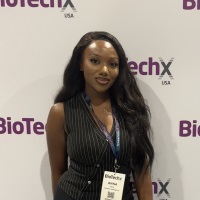
The evolution of Medical Affairs: the drivers of future change, innovation and technology use.
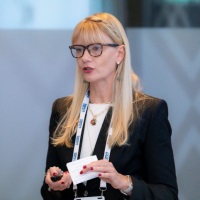
Investment trends in AI




BioTechX Connect
1 hour. For Senior Decision Makers. Optimal Efficiency
A dedicated power-hour of pre-scheduled 1:1 meetings designed to solve specific challenges
- The format: 4x15 minute meetings
- The Goal: Rapid sourcing and partnership vetting
- The Match: 100% double opt- in (AI-Powered)
Chair's remarks

Chair's remarks
Chair's remarks
Judges
Application of Artificial Intelligence and Machine Learning Techniques to Enhance Early Detection and Diagnosis of Niemann-Pick Class C1 Disease and Associated Liver Dysfunction

Digital Transformation and AI how to apply it effectively
Discovery and engineering of next-gen immunotherapies with EMLy Co-pilot

Quantum and AI to discover new medicines

Routine Care to Evidence-Ready: Inside the UK NHS Real-World Data Ecosystem
Swiss personalised health network

Unleashing Innovation: From Data to Discovery with AMD + HPE
When Regulators Come Knocking: Building Agentic AI That Can Answer


Challenges and Solutions for Raw Data Management in Pharmaceutical Companies

AI, you, and the future of work
LLMs at the University of Zurich
Precision Cancer Vaccination: AI-Powered Prediction of Tumor Neoantigens for Individualized Cancer Vaccines
Sorry, Who Are You Again? — Personal Branding and Authority Beyond the Company Badge


Genome2Protocol and The Rare Diseases Case: Between the Data We Have and the Patients We're Missing

AI usage in the small molecule DMTA cycle

Beyond Clinical Trials: AI, Real‑World Evidence, and the Future of Pain Care

From Innovation to Revenue: Fixing the Commercial Gap in Science-Led Companies
Strong innovation doesn’t automatically lead to commercial success. Many science-led companies struggle to translate capability into revenue. This session introduces a platform thatidentifies commercial gaps and turnsinnovation into a clear, execution-ready growth strategy.

How we are changing manual workflows in Novo Nordisk using agentic AI

Scaling Language AI for Multi-modal RWD in the NHS

Tokenization - Linking RCT-RWD for Longitudinal Data Views of the Patient Journey


Use cases transforming pharma with applied behavioural science

Agentic Competitive Intelligence: How to Walk the Trust–Coverage–Speed Tightrope and Stay Upright
This talk presents a practitioner’s view on agentic competitive intelligence built on LLMs, grounded in real deployments of a competitive intelligence agent. I examine the core tension between trustworthiness, coverage, and response time, and show how to balance these forces on a tightrope — keeping agents credible, comprehensive, and timely enough for industrial decision workflows.
From Clinical Evidence to Societal Impact: How Real-World Data Accelerates Access to Innovation

The (R)evolution of Nanocyclix: A Data-Driven AI/ML Platform for Novel Kinase Inhibitors
The Digital Transformation Deadlock: Why Your "Integrated" (PPM) Platform is Killing Your Strategy
The promise of an "all-in-one" PPM platform is often a digital trap. My experience with enterprise-scale rollouts has shown that monolithic tools frequently create a "transformation deadlock," stifling the very decision-making they aim to support. This session introduces a Modular PPM architecture—a framework that separates your System of Record from your essential Logic and Narrative layers. Learn how to architect a technology stack that captures standardized data without sacrificing the "ground-truth" human intelligence required for high-accuracy forecasting and decisive strategic action.
Agentic AI use-cases clinical quality
Agentic workflows and development insights

Evaluating Data Utility in Anonymization, Federated Approaches, and OMOP-CDM
Background:To estimate remaining data utility, we evaluated three data strategies: Anonymization, Federated Approaches, and OMOP-CDM transformation.
Methods: CDISC-SDTM Data from a retrospective HER2+ breast cancer study (73 variables) were anonymized and mapped to OMOP-CDM. Using DataSHIELD, we tested a federated approach by splitting SDTM and OMOP databases into three samples. Statistical analyses (descriptive statistics, regression methods, survival analyses) for each method were compared against the raw CDISC-SDTM gold standard, focusing on information loss, consistency, and reproducibility.
Results: None of the anonymization methods successfully reproduced all statistical analyses. The federated approach demonstrated good consistency but showed decreased accuracy in multivariate models due to database variability. Conversely, CDISC-SDTM was successfully mapped to OMOP-CDM, showing high statistical concordance.Conclusions: Whilst data was successfully mapped to OMOP, utility was reduced when further privacy preserving methods were applied. A trade-off has to be found between privacy and usefulness of data.

Mapping the Path to Clinical Implementation of Multi-omics

Pierre Fabre medical care digital transformation journey

Women in Leadership Keynote Panel


Get involved at BioTechX Europe


Created by


Terrapinn is proud to be a member of isla.
Working together to build sustainable events