
Keynote Sessions
GET YOUR $300 EXPO PASS TODAY
As an Expo Pass holder, you’ll have the option to attend all our daily keynote speeches from top industry experts as they present diverse, visionary sessions on powerful new ideas in identity. This year, we've got a line-up of incredible names as Keynotes - trust us, you don't want to miss them!
2026 KEYNOTE SPEAKERS INCLUDE...
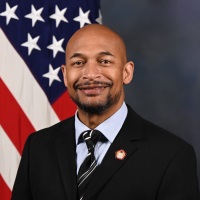



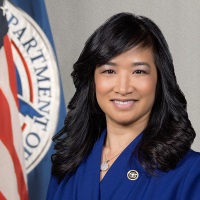

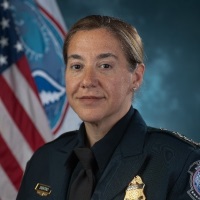



Todd Gray, Founder and CEO, Bio_Sole International Group
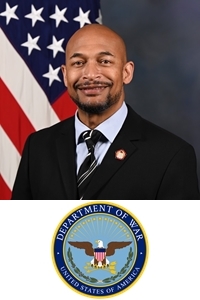
Warren Harris, Chief, Identity Intelligence Division (I2D), Department of War
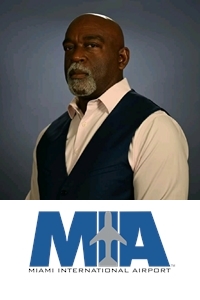
Maurice Jenkins, Chief Innovation Officer, Miami International Airport
Janice Kephart, Chief Executive Officer, Identity Strategy Partners
Ryan Loftus, Chief of Trust & Safety, JPMorgan Chase
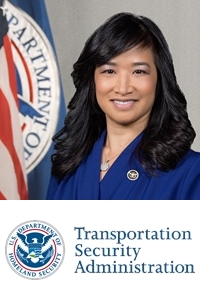
Ha Nguyen McNeill, Senior Official Performing the Duties of Administrator, Transport Security Administration (TSA)
Jay Meier, Chief Identity Technology Strategist, FaceTec, Inc
Diane Sabatino, Acting Executive Assistant Commissioner, Office of Field Operations, U.S. Customs and Border Protection
Albert van Veen, VP Innovation & Chief Innovation Officer, Vancouver Airport Authority
Phillip Washington, Chief Executive Officer, Denver International Airport
Michelle Wilson, Owner & CEO, Blue Cavalry Solutions Inc.
last published: 02/Jul/26 12:55 GMT
Keynote Theater, Wednesday 2 September 2026
09:00
Chair's opening remarks
09:25
Keynote: The unseen shield: Professionalizing America's identity workforce for national security
This keynote address argues that a professionalized identity workforce is a critical and urgent necessity for U.S. national security. The speaker highlights that while identity is the foundation for countering every major threat—from border security and cyberattacks to insider threats and fraud—the thousands of government professionals performing this work lack unified standards, formal training, and a defined career path.
The address warns that without a formalized and interoperable identity workforce; the nation remains vulnerable to adversaries who exploit identity vulnerabilities with increasing sophistication. The proposed solution is to establish a professionalized corps of identity experts, modeled after cyber and intelligence career fields. This would involve creating a clear competency framework, a training and certification pipeline, and formal career tracks. The result would be a more resilient nation, capable of faster threat attribution, stronger fraud prevention, and enhanced public trust in a rapidly evolving digital world.



10:05
Reactive or proactive? Why the architecture matters
Historically, both cyber and identity security systems have been designed to react to known threats, rather than proactively prevent the next threat. But is this wise? Has that orientation actually worked? It would appear that cyber attacks, breaches, hacks, frauds and other identity-related problems have grown, seemingly unencumbered, despite a massive economic investment in systems claiming to mitigate them. In fact, it's the reactive nature of these systems that enables the next attack to go unnoticed until after the fact. The dogma that identity data and biometric data must be bound to devices, rather than to each other, might help device manufacturers sell future generations of devices, but it also forces the reactive nature of identity and cyber security. It’s the intentional separation of these attributes that enables the attacks that traditional architectures can only react to. In this presentation, Jay describes why a proactive system architecture, the proper binding between a verified identity, the human that identity describes, and the privileges that person is entitled to is the key to preventing the next cyber-identity attack.


17:10
Keynote: IBIA panel
last published: 02/Jul/26 13:55
Keynote Theater, Thursday 3 September 2026
09:00
Chair's opening remarks

09:25
Keynote panel: Seamless travel – pilots, passenger pathways, and progress
- Review the performance data and key operational learnings from recent digital travel credential (DTC) and biometric boarding pilots managed by international airlines and airport authorities.
- Examine how digital identity verification is being embedded into passenger pathways to optimize end-to-end traveler throughput and minimize physical friction from check-in to the boarding gate.
- Address the challenges of cross-border interoperability and international standard compliance (such as ICAO frameworks) to support unified identity verification across shifting geopolitical jurisdictions.
- Evaluate the co-dependent relationship between public sector border security agencies and commercial aviation end-users in balancing data privacy mandates, security binding, and guest convenience during full-scale deployment.


last published: 02/Jul/26 13:55
GET INVOLVED AT IDENTITY WEEK AMERICA



Created by


Terrapinn is proud to be a member of isla.
Working together to build sustainable events