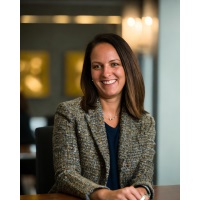
Michaela Gascon | CEO/President
KJT Group
At KJT, we bridge medical innovation with human understanding to help healthcare companies act with confidence and purpose. Our seasoned experts partner with you from insight to impact—bringing therapeutic depth, real-world evidence, and strategic foresight to every challenge. With agility, empathy, and consultative precision, we deliver the clarity and speed today’s healthcare landscape demands—driving stronger performance and better patient outcomes. With a strong focus on patient-centric research, we provide valuable insights to pharmaceutical companies, biotech firms, and healthcare organizations to help them understand patient needs, market dynamics, and strategic opportunities in the orphan drug space. KJT's expertise in designing and conducting research studies tailored to the unique challenges of rare diseases makes them a trusted partner for companies looking to make a meaningful impact in the orphan drug market.
Appearances:
Day 1 - World Orphan Drug Congress USA 2026 @ 14:30
Decoding the Rare Diseases Appointment: Insights from Real Patient-Provider Dialogue
This panel will explore why capturing the patient voice is essential to meaningful, patient-centered research, particularly in areas where lived experience, clinical priorities, and care delivery realities may not always align. Joined by a physician and patient advocate, we will discuss the importance of understanding patient experiences in context, including how patients communicate symptoms, navigate care, make treatment decisions, and interpret interactions with providers. The conversation will highlight multiple ways to bring the patient voice to the forefront including observational approaches and patient diaries. Panelists will also examine the value of these insights for patients and providers, including how patient-informed research can support better communication, more relevant education, and support resources, improved shared decision-making, and ultimately a stronger connection between clinical intent and patient experience.
Day 1 - World Orphan Drug Congress USA 2026 @ 14:30
Decoding the Rare Diseases Appointment: Insights from Real Patient-Provider Dialogue
This panel will explore why capturing the patient voice is essential to meaningful, patient-centered research, particularly in areas where lived experience, clinical priorities, and care delivery realities may not always align. Joined by a physician and patient advocate, we will discuss the importance of understanding patient experiences in context, including how patients communicate symptoms, navigate care, make treatment decisions, and interpret interactions with providers. The conversation will highlight multiple ways to bring the patient voice to the forefront including observational approaches and patient diaries. Panelists will also examine the value of these insights for patients and providers, including how patient-informed research can support better communication, more relevant education, and support resources, improved shared decision-making, and ultimately a stronger connection between clinical intent and patient experience.


Created by

Terrapinn is proud to be a member of isla.
Working together to build sustainable events