Maurizio Mazzi | Senior Associate Director, Patient Advocacy & Professional Relations
Böhringer Ingelheim

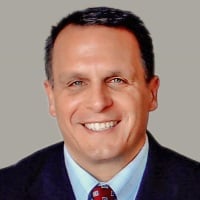
Maurizio Mazzi is a dedicated and experienced Senior Associate Director of Patient Advocacy & Professional Relations at Boehringer Ingelheim, a leading pharmaceutical company. With a strong background in healthcare and a passion for making a difference in the lives of patients with rare diseases, Maurizio is committed to driving patient-centric initiatives and fostering collaborations with advocacy groups and healthcare professionals.
With over 25 years experience in the pharmaceutical industry, Maurizio has a proven track record of developing and implementing successful patient advocacy programs that support access to orphan drugs and improve patient outcomes. He is known for his strategic thinking, innovative approach, and ability to build strong relationships with key stakeholders in the rare disease community.
Maurizio is a thought leader in the field of orphan drugs and rare diseases, and he is dedicated to raising awareness and advocating for policies that benefit patients with unmet medical needs. His expertise in patient advocacy and professional relations makes him a valuable asset to any organization looking to make a meaningful impact in the rare disease space.
At the World Orphan Drug Congress USA 2025, Maurizio will moderate a session amongst experts in the industry sharing best practices around early engagement and partnership between advocacy and industry.
Appearances:
Day 2 - World Orphan Drug Congress USA 2025 @ 11:20
Panel: Early engagement and partnership between advocacy and industry
This session will examine the critical role of early-stage collaboration between advocacy groups and industry stakeholders in the development of orphan drugs and treatments for rare diseases. With the unique challenges posed by these conditions—including small patient populations, high development costs, and regulatory complexities—early engagement between patient advocates and pharmaceutical companies is essential to drive innovation, expedite regulatory pathways, and improve access to life-saving treatments.
Key topics will include the role of early dialogue in shaping clinical trials, the impact of advocacy efforts on regulatory approvals, and strategies for addressing the financial and logistical barriers that often impede progress in rare disease treatments. Participants will leave with practical strategies for fostering effective partnerships and lessons on how to leverage collaboration for meaningful impact in the orphan drug space.





Created by


Terrapinn is proud to be a member of isla.
Working together to build sustainable events