
Melbourne, 15 - 16 September 2027
Schedule
Create your personal agenda –check the favourite icon
Plenary Chair

Chair
Chair
Chair
Chair
Chair

Chair
Demo 1
Peak Performance – Delivering Care in Critical Situations (40 minutes)
Emergencies bring pressure - and pressure changes how we think and perform.In fast‑moving, time‑critical situations, even experienced clinicians can find it harder to stay calm and clear headed. These moments require skills beyond technical knowledge - skills that need deliberate training and practice to develop.
This session introduces simple, evidence‑based techniques to help you stay composed and effective when things get stressful. You’ll learn the basics of cognitive unloading to reduce mental clutter, structured decision‑making tools to improve safety, and physiological techniques to steady yourself in high‑pressure moments. These skills help protect your cognitive bandwidth, reduce errors, and build confidence in high pressure situations.
Ideal for new and recent graduate veterinarians, veterinary nurses, and students, as well as anyone working in GP, ECC, surgery, or any setting where rapid or high stakes decisions are required.
No prior knowledge of performance psychology is needed.

How to Know When a Case Needs Surgical Referral

Practical use of laparoscopy in small animal clinics
After developing a triangular portal technique for laparoscopic OVE's on small animals at the University of Utrecht in 1992 , I started to routinely use this in my practise. Since then I have performed well over 25.000 laparoscopic surgeries, mainly sterilisations, on all sorts of animals. Mostly on dogs and cats, but also on brown bear, red deer, cervals, boar, lions, racoons, fallow deer, monkeys, mara's, sunbear etc.
In this lecture I want to share with you 2 things:
1) I will show you why a laparoscopic OVE with the triangular portal system in a dog or cat has so many benefits over the commonly used mid-line approach. It’s at least twice as quick, needs no expensive coagulation devices and has a much lower complication rate. All-in all a win-win situation for both animal and clinic. Furthermore I will show a practical approach to incorporating the laparoscopy in every day’s practice, showing that it is not some high-end technique only to be used in state of the art clinics.
2) On the wildlife laparoscopies that I have perfomed, I will share video’s and comment on the problems/anecdotes that occured and how we dealt with them. Fe. What to do in Uganda when there is no medical CO2 to inflate the abdomen with 8 lions awaiting laparoscopy.

From Scalpel to Screen: How YouTube Is Changing Veterinary Surgical Education
- From Operating Theatre to Online Classroom: Building VetDojo into a global surgical education platform with 81,000+ subscribers and 10 million views.
- Can Watching Surgery Make Us Better Surgeons?
- Exploring how video-based learning can improve surgical preparation, clinical confidence and practical skills for general practice vets — and where its limitations lie.
- The Future of Surgical Education: AI, Avatars and Interactive Learning: Demonstrating how AI surgical avatars and emerging digital tools could transform veterinary training and support lifelong learning.

Break
Speed Networking (20 mins)
Ultrasound Image Optimisation - ' Why Knowing Your Knobs Save Lives'
Getting closure: Management of tumours and wounds of the limbs
Longevity Medicine: New Discipline or Just Good Veterinary Medicine
What, if anything, does the longevity be lens add to the way we already practise?
Practice management

Ultrasound for the vet nurse - POCUS vet nurse empowerment
Point-of-care ultrasound (POCUS) is becoming aninvaluable tool for veterinary nurses, particularly inemergency and critical care. This practical, nurse-focusedsession explores how ultrasound can be used as anextension of the physical examination to improve patientassessment, monitoring and communication within theveterinary team.

Clinical reasoning in spinal cases: Understanding basic neurolocalisation
Panel: Supporting Learners in Practice: Empowering Strategies for Clinical Staff



presentation
How to Close the Ultrasound Capability Gap and Untap the Hidden Revenue in Your Ultrasound Equipment
- Veterinary Practice Owners and Clinical Directors
- Tackling Revenue Leakage in First Opinion Practice and How to Close the Ultrasound Capability Gap and Untap the Hidden Revenue in Your Ultrasound Equipment
presentation

The VET Expo - speed networking 14:30-14:50
- e VET Expo speed networking session is from 14:30-14:50 - you have 4 minutes to introduce yourself and build your network over 5 rounds
- Welcome
- 5 rounds of 4 minutes
- Switch to a new connection for each round
- Each person has a short opportunity to introduce themselves, their role and what they’re looking for
Rounds - 5 rounds of 4 minutes
- 14:30
- 14:34
- 14:38
- 14:42
- 14:46
- finish14:50
What to say to your new connection
- Share one current challenge, opportunity or area of interest
- Exchange ideas, contacts and potential opportunities
- Rotate to a new connectionat the 5 minute buzzer
Welcome and how it works
Oncology

Managing calm pets and the role of integrative medicine and Aromatheraphy
Addressing client expectations of antibiotics
The case in front of you doesn't need antibiotics but the owner really wants you to give them some. What can you say and do?

BOAS - Introducing the brachycephalic respiratory functional grade into Australia

Feeding Tube – placement and maintenance abstract
Should a feeding tube be placed? What type of tube should be placed? These are regular questions that get asked in veterinary hospitals. This session will cover these questions and the placement of different types of feeding tubes and why one would be chosen over another, different foods that can be placed down these tubes, how the tube can be stop from blocking, and how to make it more comfortable for the patient during feeding. We will also touch on resting energy requirements for the patient.
Learning Objectives:1. Reviewing when a feeding tube should be placed in small animals2. Identifying different types of feeding tubes that can be placed3. Placement of naso-oesophageal tubes, nasogastric tubes, oesophageal tubes4. How to maintain different feeding tubes after placement
RECOVER Newborn Resuscitation Guidelines Overview
Neonatal resuscitation in veterinary medicine present unique challenges due to the physiologically vulnerability of newborn puppies and kittens. The RECOVER guidelines provide an evidence-based framework or early identification of neonatal distress, effective airway and breathing support, circulatory interventions and post-resuscitation care. This presentation will review the 2025 RECOVER recommendations, outlining the essential steps for a structured neonatal resuscitation approach, improving survival outcomes in veterinary neonates.
3. LEARNING OBJECTIVES:a. Describing pre-briefing essentials on what the RECOVER neonatal algorithm can do to help the survival rates on neonatesb. Looking at how the first 30 – 90 seconds is so important for neonatal survivalc. Applying the RECOVER algorithm and looking at when intervention is required, that is so different to adult resuscitation
Vet tech CX Panel: how tech is transformation CX
- From first contact to follow-up: creating a seamless client journey across every touchpoint
- Building trust & loyalty: communication strategies that strengthen client relationships and retention
- Turning challenges into opportunities: handling complaints, difficult conversations and fee discussions with confidence
Create your personal agenda –check the favourite icon
Chair
Chair
Chair
Chair
Chair
Demo 1
canine/feline gastroenterology and hepatology

haematological disease including IMHA, ITP, PIMA and non-regenerative anaemia
Panel: Shelter Management – Managing Capacity, Animal Welfare and Sustainable Shelter Operations
- Tackling overcrowding, intake pressures and length of stay
- Improving welfare outcomes while working within resource constraints
- Effective adoption, foster care and rehoming strategies
- Supporting staff and volunteers in emotionally demanding environments
- Sustainable Shelter Operations & Community Partnerships
- Managing budgets, staffing and veterinary costs
- Working with councils, rescue groups and community organisations

Spectrum of Care / Contextualised Care
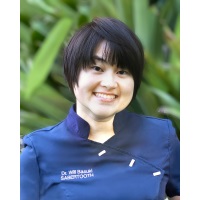
Periodontal disease: The Hidden Truth behind the "routine" case

Panel: Transforming Veterinary Hospital Operations
How leading hospitals are improving efficiency, teams and patient care
- Streamlining workflows, rostering, patient flow and technology to improve efficiency without compromising care
- Recruitment, retention, leadership and creating a culture where veterinary teams can thrive
- Adapting to changing client expectations, rising costs and new technology while delivering exceptional patient outcomes
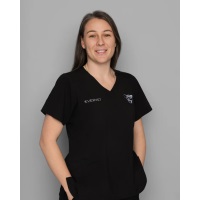
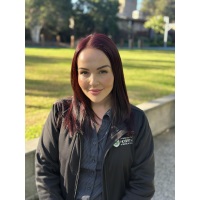
Staged Dental'...what? Are We Using It The Way It Was Intended?
Transition from clinical to managerial
Retrieving fractured roots: Performing a risk-benefit assessment
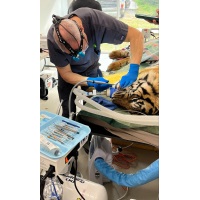
Pitchfest

Panel: Beyond the Clinic – The Future of Zoological Medicine
- Diagnosing the Unusual: Advances in diagnostics, imaging and treatment for zoo and wildlife species
- Medicine Without a Textbook: Adapting anaesthesia, surgery and clinical techniques to species-specific challenges
- From Individual to Ecosystem: One Health, emerging diseases, conservation medicine and the veterinarian’s role in protecting wildlife populations
The Burnout Blind Spot: Burnout in Veterinary Leaders
As veterinary leaders, we champion the wellbeing of our staff while managing a unique set of pressures that can leave us vulnerable to burnout ourselves. This session shares new research into the specific burnout contributors faced by veterinary leaders and explores what aspects of the workplace need to be addressed to allow us to effectively look after ourselves as well as our teams.
Oral nerve blocks and avoiding complications: feline
Lameness - evidence behind novel biosensor objective lameness measurement devices for application in horses
RECOVER CPR: BLS and ALS Made Clear (40 mins)
When a patient arrests, the first few minutes matter most, and a confident, coordinated team can change the outcome. This session gives veterinary nurses and technicians a practical overview of the RECOVER CPR guidelines, covering both Basic Life Support (BLS) and Advanced Life Support (ALS). We'll walk through the evidence-based approach to high-quality chest compressions, ventilation, and team roles, then look at how ALS builds on that foundation with monitoring, vascular access, drug therapy, and rhythm recognition. Whether you're refreshing your skills or feeling less than confident in the resus bay, you'll leave with a clear framework you can apply in your own clinic, and the confidence to step up when it counts.
Learning ObjectivesBy the end of this session, attendees will be able to:1. Describe the key components of high-quality BLS as outlined in the RECOVER guidelines, including compression technique, rate, ventilation, and team rotation.2. Outline the ALS interventions that follow BLS, including monitoring, vascular access, drug therapy, and the role of rhythm recognition in guiding treatment.3. Identify their role within a CPR team and apply practical strategies to improve communication and coordination during an arrest.
Cultural awareness in Veterinary Practice: A Fiji Story
- Veterinary Practice in Fiji: The Bigger Picture
- Beyond Medicine: Culture, Ownership & Community
- Consulting Without the Safety Net
- Surgery & Anesthesia: Making the Most of What You Have
- Outreach & Shelter Medicine: Veterinary Care Beyond the Clinic
- What Can Australian Veterinarians Take Away?
Oral nerve blocks and avoiding complications: dogs
Contact us
Sponsorship Enquiries
Ellen.phelan@terrapinn.com
Speaking Enquiries
Amanda.liversage@terrapinn.com
Marketing Enquiries
natalie.mcclelland@terrapinn.com
Chinese Sales Enquiries
zhengyumeng@cccmhpie.org.cn
Startup Enquiries
Meg.OBrien@terrapinn.com






Created by


Terrapinn is proud to be a member of isla.
Working together to build sustainable events