Veterinary & One Health
MARCH 30 - APRIL 2, 2026
WALTER E. WASHINGTON CONVENTION CENTER, WASHINGTON D.C.

Washington D.C., 30 March 2026 - 2 April 2026
Schedule
Create your personal agenda –check the favourite icon
BIODEFENSE & BIOSECURITY WORKSHOP
- Priorities For R&D And Funding of Medical Countermeasures for Biodefense and Biosecurity
- Panel: Redefining Preclinical: Organ-on-a-Chip, In Silico Models & Regulatory Pathways
- Panel: Navigating the New Federal Landscape: Aligning Innovation with National Biodefense Strategy
- Forecasting Future Biothreats: Integrating AI and Global Surveillance
- Promoting Standardization of International Protocols for Biosecurity
- BRIDGE Alliance
- Panel: Biosecurity & Bots: Setting the Guardrails for AI in Vaccine R&D
- Case Study Panel: Lessons from Regional Biodefense Hubs (Africa, Southeast
- Asia, Latin America + others)





Antimicrobial Resistance Workshop
Workshop Chair: Dr Christian Harding, CSO and Co-Founder, Omniose
- 10.00 Chair’s Opening Remarks
- 10:10 Keynote Intro – Impact of Vaccines on AMR *Topic TBC
- 10.30 Advancing Immunity: Clinical Development of a Peptide Conjugate Vaccine for Group A Streptococcus
- 10.45 Leveraging Serological Insights to Combat Emerging Pathogens and Antimicrobial Resistance
- 11.00 Selecting the Right Platform to Combat AMR
- 11.15 Creative Approaches to Licensure
- 11.30 De-risking Early Vaccine Development: Insights from CHIM, NHP Studies, and Correlates of Protection
- 11.45 Identifying Correlates of Protection
- 12:00 Combining approaches to Maximize Impact: P. aeruginosa Vaccine
- 12.15 Panel Discussion: Perceptions of AMR Vaccine Development in the Current Global Climate
- 14:00 – 15:00 Funding Pipeline Updates
- 14:00 Gates Foundation
- 14:15 CARB-X
- 14:30 TBC
- 14:45 TBC
- 15:00- 16:00 AMR Vaccines Development Updates
- 15:00 Shigella / Acinetobacter Vaccine Development *Title TBC
- 15:15Universal Pneumococcal Vaccine Development *Title TBC
- Dr Tim Hirst, Chairman & CEO, GPN Vaccines
- 15:3015:30 – 15:45 Stopping Superbugs: The Future of Anti-Bacterial Vaccine Development *Title TBC
- 15:4515:45 – 16:00 Advancing a multivalent vaccine candidate to prevent S.aureus skin infections *Title TBC
- 16:00 Panel: Are Combination Vaccines the Way Forward for AMR /Defining the Value of Combo Vaccines
- Economic valuation of vaccines with reduction on AMR
- Improving coverage of viral vaccines which reduce AMR
- Explore the concept of Syndromic vaccines










ANTIBODIES FOR INFECTIOUS DISEASES WORKSHOP
ANTIBODIES FOR ID
Room 202B
Research & Development of mAb therapeutics for infectious diseases
Workshop Chair: Dr Mark T. Esser, Chief Scientific Officer & Head, Paul and Diane Manning Institute of Biotechnology
Topics
· Development of mAbs for infectious diseases
· Development of mAbs for chronic & autoimmune diseases
· Reducing the cost of mAb production
10.10am – 12:00pm Development of mAbs for ID
- Next-Generation HIV mAbs: Optimizing Potency, Duration, and Global Access *Title TBC
- From Discovery to Design: Harnessing Monoclonal Antibodies and High-Throughput SPR to Accelerate Blood-Stage Malaria Vaccine and Therapeutic Development
- Developing long-term antibodies
- The Sepsis Antibody Breakthrough: Restoring Immune Function with hCitH3-mAb
- C.diff mAbs development
- mAbs for S.aureus
12 - 1pm Panel: Next-Gen mAb Manufacturing: Beyond CHO & Protein A *Title TBC

Vaccine Technology Workshop
Topics:
· Cutting-edge technologies shaping the future of vaccine development.
· Adjuvants
· AI tools for Protein Design/Epitopes
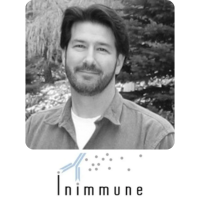
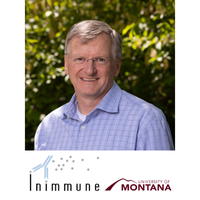
Worlshop Chair: Dr David Burkhart, Chief Executive Officer, Inimmune
- 10am Chair’s Opening Remarks
- 10.10am Self-replicating RNA Platform Development
- 10.25am Designing the Next Generation of Vaccines: Harnessing Generative AI for In Silico Immunogen Discovery
- 10.40 Virus-Like Particle Display for Long-Lasting Vaccine Protection
- Senior Representative, AdaptVac
- 10:55Beyond QS-21: AB-801 – A High-Purity Next-Gen Adjuvant
- 11:10 Reserved
- 11:25 Reserved
- 11:40 Title TBD
- 12:00 Panel: The Evolving Landscape of Novel Adjuvant Development – Navigating Safety, Access and Innovation
- Safety as a priority and hurdle for the acceptance novel adjuvants
- How can we further de-risk adjuvants?
- Changing Models in licensing and access, how will non-exclusive licensing change the field?
- Can innovation and adoption of new technologies overcome barriers in cost and access?





CHRONIC DISEASE, AUTOIMMUNITY & THE VIROME WORKSHOP (AM)
Exploring the drivers and development of vaccines against non-infectious disease targets
- Virome Discovery: Mapping the Invisible Drivers of Disease
- Uncovering the Immune Landscape of Autoimmune Disease: From Parkinsons to ALS
- Vaccines for autoimmunity
- The shingles vaccine and dementia: A causal relationship?
Panel: Adjuvants and Immunity: Exploring Systemic Benefits Beyond Zoster
- - Beyond Shingles: Explore emerging data linking zoster vaccines to reduced risks of cardiovascular disease and Alzheimer’s.
- - Immunological Insights: Discuss how zoster vaccines adjuvant systems may drive systemic immune benefits beyond zoster prevention
- - Correlates of Protection: Identify immune markers that may explain long-term protection and -potential cross-disease benefits.
- - Public Health Implications: Debate whether zoster vaccines should be recommended earlier in life for chronic disease prevention.
- - Future Research: Outline next steps for validating these findings and applying the model to other latent viruses like EBV.
12:15 pm – 1:00pm – Panel: Early Intervention, Big Impact: Regulatory Perspectives on EBV Vaccine Development
- Defining endpoints beyond mono, including surrogate markers for long-term EBV-related diseases.
- Evaluating mono as both a clinical endpoint and surrogate for conditions like MS and IBD.
- Age-targeting strategies: pediatric vs. adolescent populations.
- Balancing early intervention with unknown long-term immune effects.
- Assessing durability of protection and booster needs during peak transmission years.
- Harmonizing data requirements across EBV vaccine developers.
- Fostering collaboration to accelerate development and regulatory alignment.



Vaccine Delivery Workshop
Advanced vaccine delivery methods: novel routes and technologies to optimize administration, efficacy, and accessibility.
- 2pm Chair’s Opening Remarks: Vaccine Delivery Landscape Overview
- 2:15pm -4:00pm Vaccine delivery presentations:
- 2:15 Enabling mRNA stability and efficacy through innovative lipid nanoparticle components *Title TBC
- Senior Representative, CRODA
- 2:30 Improving vaccine uptake and immunization speed with jet injection technology* Title TBC
- Senior Representative, Pharmajet
- 2:45 Needle-Free Frontiers: Practical Considerations for Sublingual and Mucosal Vaccine Delivery Platforms *Title TBC
- Senior Representative, Jurata Thin Film
- 3:00 Reserved
- 3:15 Reserved
- 3:30 Reserved
- 3:45 Reserved
- 4:00 Panel: Targeting Mucosal Surfaces in Respiratory Vaccine Development
- Inducing mucosal IgA and T cell immunity
- Formulation challenges for nasal and inhaled delivery
- Applicability to flu, RSV, TB and COVID vaccines
- Prospects for mucosal combo vaccines.
- 2:15 Enabling mRNA stability and efficacy through innovative lipid nanoparticle components *Title TBC



GLOBAL HEALTH WORKSHOP (PM)
Identifying innovative and collaborative solutions throughout the development pathway to advance NTD vaccine candidates beyond historical roadblocks.
Vaccine Equity—A Historical Perspective and Future Imperative
GH Vaccine Development Updates:
- Vaccine Development Updates for Schistosomiasis / Chagas Disease
- Early development of a blood-stage, whole parasite vaccine for malaria
- New Tuberculosis Vaccines
Panel: How Vaccine Access Differs Across Countries—and What to Do About It
- Examine how systems shape vaccine access from development to delivery.
- Contrast vaccine pathways in high- vs. low- and middle-income countries.
- Highlight barriers like trial investment gaps and delayed approvals.
- Share strategies from global experts to improve equitable access.
4.15pm Digital Twins and the Vaccine Manufacturing Ecosystem: A New Era of Preparedness and Collaboration
- Introduction: Understanding VaxMod – vaccine manufacturing eco-system modeling
- Platform origins, digital twin methodology, Ecosystem components (manufacturing, regulation, market, hesitancy), use cases and stakeholder benefits
- Case Study 1: Afrigen - Tech transfer model and small-scale facility insights
- Case Study 2: Bio-Manguinhos - Regional manufacturing challenges and digital twin adaptation for scale-up
- Case Study 3: Biofarma - Southeast Asian context, regulatory and supply chain modeling
- Case Study 4: Government/CEPI Perspective - Policy and preparedness applications
- Discussion:
- Challenges in ecosystem modeling
- Lessons from COVID and future preparedness
- Regional manufacturing and global equity
- Data sharing and platform access
5pm -End of Workshop



Create your personal agenda –check the favourite icon
Opening US Government Leadership Keynote Address & Fireside Chat
· Federal agencies view and strategy for the future of public health, infectious disease research and pandemic preparedness in the USA
· Understanding the US government’s vision for regulatory reform
Keynote panel: Navigating the Crowded Respiratory Disease Season, How Are We tackling Flu, COVID, RSV, hMPV?
· How has the respiratory season evolved? Co-circulation of respiratory pathogens, duration of the respiratory disease season, what are the dominant pathogens?
· Where are we seeing innovation in vaccines for respiratory diseases?
· How are we progressing with prophylactic antibodies, combination & universal respiratory vaccine approaches?
· Uptake for Flu, RSV, COVID vaccines. Are we seeing vaccine fatigue from a crowded schedule?
· Globally evolving regulatory and policy landscape




Keynote Address Presentation: Reimagining Global Health Governance: A Finite Mandate Approach for 2035
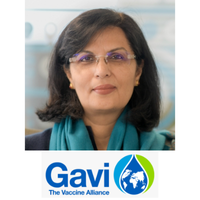
From Geneva to the Globe: Transitioning Global Health Leadership to Regional and National Actors
· What does a “sunsetting” model look like in practice?
· How can donors be aligned around joint replenishment and reform?
· What are the risks and opportunities of decentralizing global health governance?
· How can regional institutions be empowered and resourced effectively
Keynote Panel: New Developments in Long-Standing Global Health Challenges Disease. A focus on TB, MALARIA & other NTDs
· Tuberculosis:
o TB - Vaccine pipeline: Progress toward 2029–2030 implementation; regulatory and pre-marketing timelines.
o Implementation readiness: Infrastructure, access, early planning and potential health and economic impact in LMICs.
o Global TB strategy: Stakeholders role in shaping global TB policy and strategy, especially in LMICs.
o High-level framing: Positioning TB as a global health security issue
· Malaria:
o Vaccine deployment: Lessons from RTS,S and R21 rollouts.
o Vector control: Innovations to address insecticide resistance.
o Climate impact: Adapting to changing transmission zones.
o Sustained funding: Ensuring long-term support for endemic disease control.

Networking Break
1:10 – 2:30 1-2-1 Partnering
1:30 – 2:20 Start-up pitches
2:00 – 2:30 Poster Presentations
Keynote Address: Evidence Endures: Independent Leadership for Vaccine Policy

Keynote panel - Stronger Together: Vaccine Industry Leadership Vision for Next-Gen Vaccines & Global Collaboration
· 2026 key disease focus areas for vaccine manufacturers, upcoming approvals 2026
· What next generation vaccine platforms have the most impact/potential – why?
· Strengthening public-private collaborations – new partnership opportunities of interest




Keynote Address: AI and the Global South: Opportunities and Guardrails in Vaccine Innovation

Keynote Panel: Resilient, Sustainable, and Decentralized: The Future of Global Vaccine Manufacturing
· Sustainability in Manufacturing
o How are manufacturers integrating green technologies? What are the trade-offs between sustainability and cost in LMICs?
· Regulatory Harmonization & Tech Transfer
o What frameworks are needed to streamline cross-border approvals? How can WHO, AVAREF, and regional blocs support harmonization?
· Decentralized & Modular Manufacturing
o What are the benefits and limitations of mobile/modular units? How can these models be deployed in outbreak-prone or remote regions?
· How are different regions evolving?

Keynote closing panel: Future-Proofing Health – Vaccines Against Climate Threats, Food Insecurity, and AMR
- How can vaccination contribute to our broader global health and sustainability agendas?
- Rethinking our approach from response to prevention: mitigating the effects of climate change and reduction of AMR through vaccination
- The effect of climate change and emerging pathogens on food security, is safeguarding livestock and agricultural productivity shaping vaccine prioritization and funding decisions?
Senior Leadership Representative, WOAH (Dr Emmanuelle Soubeyran, Director/ Dr Montserrat Arroyo Kuribreña Deputy Director, WOAH)
Senior Representative, GSK *TBC
Derrick Sim, Managing Director of Vaccine Markets & Health Security, Gavi *TBC
Dr Rino Rappuoli, Scientific Director, Fondazione Biotecnopolo di Siena; Coordinator, European Vaccine Hub* TBC


Create your personal agenda –check the favourite icon
Chair’s opening remarks

Chair’s Opening Remarks

Chair’s Opening Remarks

Chair’s opening remarks

Chair’s Opening Remarks

Panel: Unlocking the Dual Use of Pandemic Platforms
- Designing platforms with dual use in mind
- Scaling up pandemic platforms – what are the remaining bottlenecks?
- How can ‘pandemic platforms’ be adapted to combat high burden or neglected diseases?
- Enabling manufacturing in LMICs to respond to outbreaks and strengthen routine immunization
Harnessing Innate Immunity: Antibody Glycosylation as a New Frontier in Vaccine Design
Panel: CD8 T Cells Without Vectors: The Future of Cytotoxic Immunity
- Explore how emerging platforms (e.g. saRNA, DNA, nanoparticles) can induce CD8+ T cell responses without viral vectors.
- Discuss why CD8+ T cells are critical for vaccines targeting cancer, HIV, and chronic infections.
- Importance of antigen processing via proteasome for CD8 activation.
- Examine the immunological signals and delivery strategies needed to drive durable cytotoxic responses.
- Debate the future of CD8-focused vaccine design in a post-vector era.
- Challenges with RNA-based vaccines (e.g., slippage, inflammation).
- Debate on neoantigen selection, vaccine formulation, and delivery vectors.

Strategies for Improved Access to Trials * Title TBC
Senior Representative, EmVenio

Panel: Modular Vaccine Manufacturing: Engineering Scalable, Portable Platforms
- How are modular and portable vaccine manufacturing platforms transforming how and where vaccines are made.- Challenges for process design for modular systems.- How can these systems be validated, deployed and transferred to LMICs or outbreak zones
Panel: One Health Strategies for Smarter Disease Prevention and Control
- Where can improved coordination between animal and human health sectors accelerate vaccine development and delivery?- In what ways can cross-sector collaboration unlock better use of existing tools — vaccines, diagnostics, digital platforms, and cold chain infrastructure?- How do we fund prevention when benefits are shared, but budgets and responsibilities remain siloed?


Panel: Operation Warp Speed: Lessons in Safety from a Pandemic Response
- li>
- Harmonized protocols, central DSMBs, overlapping trial phases.
- Safety monitoring innovations during COVID vaccine development.
- Countering misinformation about rushed development
Fireside chat: Financing Vaccines from Lab to Last Mile: Aligning Policy, Procurement & Partnerships *Title TBC
- li>
- Bridging procurement and regulatory frameworks.
- WHO’s role in harmonization and technical support.
- Innovative models for funding vaccine production, distribution, and delivery.
- Role of multilateral donors, development banks, and public-private partnerships.
Longitudinal Immuno-Profiling Studies: 5-Year Cohort Study Covering COVID, Pertussis, Influenza, Herpes
LaJolla Institute *TBC
Vaccine Development Updates for Chikugunya/Lyme/Shigella *Title TBC
Senior Representative, Valneva
Operationalizing Therapeutic Vaccine Trials for Enhanced Patient Outcomes* Title TBC
Senior Representative, Thermo Fisher Scientific
Leveraging Innovative Bioprocessing Technologies for Rapid RNA-Based Therapies Development*Title TBC
Senior Representative, Quantoom Biosciences

Panel: Chikungunya & Mosquito-Borne Vaccines: Bridging Outbreak Response, Manufacturing, and Market Creation
- li>
- Outbreak Trends: Chikungunya and mosquito-borne disease surveillance in East Africa and South Asia.
- Vaccine Development: Manufacturing, licensing, and safety insights from CEPI-funded initiatives.
- Policy Challenges: Regulatory hurdles and off-label use in outbreak response settings.
- Market Creation: Strategies for demand generation, stockpiling, and Gavi inclusion.
Building Global Readiness: Infrastructure and Capacity for Pandemic Trials* Title TBC
Precision Vaccine Program Research Updates*Title TBC
Dr Joann D’Arce, Lead, Data Management and Analysis Core (DMAC), Precision Vaccines Program (PVP), Boston Children’s Hospital *TBC
LNPs for cancer vaccines* Title TBC


The Single-Dose, Highly Attenuated Vaccine for MPOX (TNX-801)* Topic TBC
Preclinical Services - From In Vivo Animal Studies To In Vitro Assay Development and Testing * Title TBC
Senior Representative, IQVIA laboratories
Sustainable Vaccine Manufacturing*Title TBC
Senior Representative, Cytiva
Safety Considerations for Vaccine Trials *Title TBC

Cancer vaccine delivery technology* Title TBC
Senior Representative, Terumo, Europe
Catalyzing Change: How Investment in the Livestock Sector Drives Pandemic Prevention and One Health Outcomes
Faster Relief, Greater Impact: The Power of Drug Delivery in a Pandemic* Title TBC
Strengthening CEPI’s Mpox Correlates of Protection (Cop) Framework

AI-Driven Target Discovery for Cancer Immunotherapy* Title TBC
Navigating Vaccine Trials in Low- and Middle-Income Countries: Challenges and Opportunities*Title TBC
Senior Representative, Syneos Health

Launching & Leading Successful Vaccine Studies: The Essential Role of Parexel’s Site Alliance Network
Senior Representative, Parexel

Innovations in RNA Design and Manufacturing
Senior Representative,IDT Biologika

Accelerator™ Drug Development *Title TBC
Senior Representative, Thermo Fisher Scientific
Estimating Background Rates in LMICs: A Hybrid Surveillance Approach to Vaccine Safety & CEPI'S GS-LEARN approach for 100days mission

Development of Delivery Systems to Improve Immunotherapy Effectiveness* Title TBC
Accelerating Respiratory Vaccine Trials with Regulatory-Compliant Immunogenicity Testing *Title TBC
Senior Representative, VisMederi
Next-Generation MVA Mpox Vaccines: Harnessing an Immunomodulatory Peptide for Single-Dose Efficacy

Optimizing Cell Culture Performance and Consistency with High-Purity Recombinant Proteins
Senior Representative, Novo Nordisk Pharmatech
Assay Development Advances in hMPV and PIV-3 Vaccine Research*Title TBC
Senior Representative, Cerba Research
Navigating Challenges in Vaccine Trials for Special Populations* Title TBC
Senior Representative, ICON Plc

A Trailblazing Digital Approach Coupled With PAT-Enabled Rapid Manufacturing from MIT And Recibiopharm (Case Study No. 1 Xrna)*Title TBC
Senior Representative, ReciBioPharm

Panel: Addressing Innovation and Jumpstarting New Projects - The Value & Impact of Product Development Partnerships
- li>
- Enhancing the PDP Model for Global Access: How can product development partnerships (PDPs) be optimized for sustained vaccine affordability and accessibility in LMICs?
- Bridging the R&D Valley of Death: What specific strategies can accelerate the translation of basic research discoveries into viable clinical-stage vaccine projects?
- Strengthening Local Biomanufacturing: How can international collaborations effectively transfer technology and build sustainable vaccine manufacturing capacity in LMICs?
- Evidence-to-Policy Implementation: What mechanisms are needed for rapid integration of vaccine R&D data and evidence into national and global health policy decisions?
- Sustainable Financing for Neglected Diseases: How can diverse funding streams (public, private, philanthropic) be secured to de-risk high-priority, non-commercial vaccine innovation?


The Value of Observational Data Informing Post Licensure Surveillance – How Does It Contribute to Regulatory Decision Making? * Title TBC

Panel: Rethinking Vaccine Supply Chains to Build Sustainable, Locally-Led Immunization Systems
- Building and adapting to increased regional and domestic immunization systems - How are we transitioning vaccine supply and logistics operations for an expanded portfolio and life course vaccination?- Integration of vaccines into medical supply chains- Strategic partnering and sustainable funding approaches to support national immunization strategies and countries graduating from GAVI support.

Trends In Vaccine Related Bills And Legislation *Title TBC

Novel saRNA/LNP Platform Able to Prevent Highly Pathogenic Avian Influenza in Chickens
Senior Representative, Quantoom Biosciences
Panel: Vaccines and Value: Navigating Care, Cost, and Controversy in a Shifting Policy Landscape
- li>
- Why vaccines are essential to value-based, person-centered, prevention-focused care
- The importance of vaccine insurance coverage and potential impact of ACIP changes
- Vaccine cost-effectiveness and the impact of pricing
- Physicians’ strategies for addressing vaccine hesitancy
- The intersection of public health and health system sustainability


Characterization of Vaccine Induced Immune Responses * Title TBC


Advancing Epidemiological Insights to Drive Clinical Development *Title TBC
Senior Representative, P95

Driving Vaccine Adjuvants and Delivery Systems Development to Secure a Sustainable Supply*Title TBC
Senior Representative, Croda Pharma
From Awareness to Action: Transforming Trial Enrollment * Title TBC
Senior Representative, AMR

Breaking New Ground: NTx’s Advances in Biopharmaceutical Technology and Future Horizons*Title TBC
Senior Representative, NTx

Next-Level Vaccines: Ionizable Lipids as the Cornerstone of Scalable Success *Title TBC
Senior Representative, Cytiva
Successfully Advancing Vaccines for Pre-Clinical Development * Title TBC
Senior Representative, Thermo Fisher Scientific
Raising the Temperature: New Challenge Agents, Febrile Illness, and Vaccine Efficacy Testing
Senior Representative, hVIVO

Development of an inactivated EV D68 vaccine using Vero cell platform technology*Title TBC
Senior Representative, Intravacc
Panel: The Advantages of Running Vaccine Clinical Trials in Australia *Title TBC
Next Generation Tools to Support Vaccine Development and Manufacture * Title TBC
Senior Representative, Merck

Panel: Public-Private Partnerships for Pandemic Readiness & Biosecurity: Models That Work
- li>
- Frameworks and pre-agreements for rapid mobilization of public and private resources
- Case studies of successful PPPs (e.g., COVID-19 vaccine partnerships)
- Aligning incentives and access obligations across sectors and funders
- Evolving global funding roles and the impact of the Pandemic Accord
- Building resilient partnerships to ensure equitable innovation and deployment



Revisiting Thimerosal – A Case Study in Vaccine Safety and Public Perception
- li>
- Re-examine the scientific evidence surrounding thimerosal and neurodevelopmental outcomes.
- Explore how misinformation and politicization shaped public perception and policy decisions.
- Reflect on the implications of recent ACIP actions and the normalization of anti-science rhetoric.
- Discuss the global relevance of thimerosal, especially in LMICs where multi-dose vials are still used.

Panel: Vaccine Law in Crisis: Safeguarding Public Health Amid Regulatory Rollbacks and Legal Challenges
- li>
- Legal risks from changes to ACIP and vaccine recommendations
- Impact on vaccine access, funding, and manufacturer liability
- How political shifts are reshaping public health protections
- What legal challenges and reforms may lie ahead?


AI-Powered Target Discovery for Infectious Disease Vaccines*Title TBC
Strategies for Large Scale Vaccinations for the World – Multidose Vial and CMC Challenges

Accelerating Vaccines Research* Title TBC
Senior Representative, Nicoya Life Sciences

mRNA Cancer Vaccine Development – Personalized Vaccine Updates
Senior Representative, Biontech *TBC
Standardizing the viral quality control lifecycle for next-generation respiratory vaccines *Title TBC
Senior Representative, Microbiologics

Achieving Excellence in Vaccine Trials: The New Zealand Advantage * Title TBC
Senior Representative, Optimal Clinical Trials

Using Synthetic Biology and Advanced Biomanufacturing in the Adjuvant Ecosystem*Title TBC
Senior Representative, EVAX

Development of a Trivalent Cell-Culture-Based Vaccine Against Foot-and-Mouth Disease

Chikungunya Vaccine Safety: Lessons from Post-Licensure Surveillance and Regulatory Pathways
- li>
- Examine post-licensure safety signals and regulatory response following serious adverse events in elderly recipients.
- Explore the expedited approval pathway and implications of limited trial data, especially in high-risk populations.
- Compare live attenuated vs. VLP platforms in terms of safety and suitability for outbreak response.
- Discuss global equity challenges in vaccine deployment and risk tolerance in LMICs
Adjuvant heat stability and the future of vaccine cold chain independence *Title TBC
Senior Representative, Chongqing BDSyn Biotechnology Co., Ltd
A New Era in Vaccination* Title TBC
Senior Representative, Samyang Holdings Corp. Biopharm Group

Sustaining Long-Term Efficacy Studies: Best Practices for Achieving Superior Patient Retention in Complex Vaccine Outcomes Trials * Title TBC
Senior Representative, Flourish Research
Transforming Vaccine Development and Manufacturing: Integrating Technology and Accessibility for a Healthier 21st Century*Title TBC
Senior Representative, WuXi Vaccines

Panel: Old Foes – New Vaccines: Innovation in Veterinary Vaccines
- New approaches to longstanding diseases: African swine fever, Avian influenza.- Improving our understanding recombination, immunology and vaccine targets.- How do we define and measure "impact" in the absence of sterile immunity – DIVA vaccines?- Innovative delivery systems including microneedle patches, intranasal, and oral platforms for mass vaccination- Multivalent vaccine development: navigating formulation, stability, and immune interference across species


Needle-Free, Not Market-Free: Unlocking the Commercial Potential of Next-Gen Vaccine Delivery
- li>
- Scaling Innovation: Expanding novel delivery formats in LMICs needs strong public-private partnerships and tech transfer.
- System Readiness: Promising technologies face adoption barriers due to limited infrastructure and regulation (PPP and tech-transfer). Are health systems and delivery programs equipped for novel formats?
- Formulation Focus: Adjuvants and formulation science are key to effective, scalable needle-free platforms.
- Strategic Coordination: Aligning science, strategy, and scale-up is vital to move innovations into practice.
Defining Correlates of Protection for ID *Title TBC
Senior Representative, SeromYx Systems
Personalized Cancer Vaccine Development
Senior Representative, Moderna *TBC
Maximizing Vaccine Trial Efficiency with eSource Technology * Title TBC
Senior Representative, CRIO
Removing the Freezer: Thermostable Platforms as the Essential Step for Next-Generation Vaccine Access*Title TBC
Senior Representative, Jurata Thin Film

Strength in Collaboration: Surveillance and Safety for Marburg Vaccine Trials
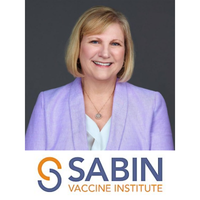
Senior Representative, Sabin Vaccine Institute *TBC
Translating Real-World Data Into Trial Efficiency: Next-Generation Endpoints And Predictive Modeling *Title TBC
Senior Representative, Revival Research Institute
Overcoming the Manufacturing Challenges of Next-Generation Vaccines *Title TBC
Senior Representative, Simtra Biopharma Solutions
Self-Amplifying mRNA: Opportunities for Development of Vaccines Against Complex Biological Targets

Accelerating Vaccine Clinical Trials: The Power of Pratia's Decentralized and Comprehensive Site Network *Title TBC
Senior Representative, Pratia
Overcoming Bioprocessing Hurdles for Difficult-to-Express Protein (DTE-P) Vaccines *Title TBC
Senior Representative, Premas Biotech
Ebola Surveillance: Navigating Safety in Crisis Zones
- li>
- Safety monitoring during trials in politically unstable regions (e.g., Congo, Uganda).
- Comparison of Merck and J&J approaches
- Post-licensure surveillance in outbreak settings
Addressing Declining Immunization Rates Through Digital Accessibility *Title TBC

A Versatile Vaccine Manufacturing Platform for Pandemic Preparedness: From COVID-19 to Influenza
Novel Method: Uses riboflavin and UV light to inactivate viruses without damaging proteins—avoids harsh chemicals.
COVID-19 Vaccine: SolaVAX™ CoV-2 showed strong, lasting immunity and variant coverage in pre-clinical studies.
Flu Vaccine: SolaVAX-Flu-Q induced high antibody responses in mice against four seasonal strains.
Platform Potential: Enables rapid, broad-spectrum vaccine development for emerging threats.

Panel: Regulatory *Title TBC
- Moving vaccines to market faster in emergency situations- Global regulatory harmonization – aligning with Europe and global markets- Understanding processes for innovative technologies

Protective Pan-Betacoronavirus Neutralizing Antibodies by Vaccination
Defining Immunobridging: Nuances, Regulatory Precedent, and Use Cases for Accelerated Vaccine Access

Panel: From Biomarkers to Vaccines: Diagnostic Innovation in Cancer Immunotherapy
- Navigating regulatory pathways for diagnostics in immunotherapy and cancer vaccine development.
- Ensuring diagnostic tool rigor across diverse technologies—wearables, imaging, software, and lab-based platforms.
- Bridging oncology and vaccine diagnostics: harmonizing standards across therapeutic areas.
- The evolving role of companion diagnostics in enabling personalized immunotherapies.
- Holistic integration of precision medicine tools into clinical development from a regulatory perspective.

Panel: Climate Change and the Shifting Landscape of Infectious Diseases*Topic Title TBC
- How is climate change affecting disease distribution and frequency?- What areas are at risk from emergence and re-emergence?- How can climate change data be integrated with disease surveillance and how is this informing planning and procurement for vaccination programs?- Reviewing the pipeline for vaccines against mosquito borne diseases – where are our priorities for vaccine R&D?- How do we predict the effect of climate change on vaccine distribution e.g. cold chain capabilities?
mRNA Synthesis with Improved RNA Polymerases: Prima RNApolstm For High Quality, Streamlined And Cost-Effective mRNA Manufacturing*Title TBC
Senior Representative, Primrose Bio

Panel: Platforms Are Out, Products Are In: What VCs & Private Investors Really Want
- is panel will explore the shifting priorities in venture capital investment within the vaccine and biotech space. Historically, platforms promised broad, long-term innovation, but today’s market increasingly favors tangible, indication-specific products. Is this a cyclical trend or a fundamental shift? Join leading VCs as they debate the future of biotech funding, the role of hype, and what startups must do to attract investment in a more cautious, product-driven landscape.
- Understand the current VC investment climate in biotech and vaccines.
- Explore the tension between platform-based innovation and product-focused funding.
- Discuss how hype and market cycles influence valuations and investor interest.
- Provide actionable insights for startups seeking VC attention.


Panel: Title: Vaccine Safety in the Absence of Consensus – Surveillance, Standards, and the Future of Public Health
- th the traditional vaccine policy infrastructure in flux—most notably the disruption of the ACIP and diverging guidance from federal agencies—this panel will explore how the landscape of vaccine safety is being reshaped. Who now sets the standard for vaccine recommendations? How are safety and efficacy being monitored without centralized oversight? And what are the long-term implications for public trust and public health?This session will bring together leaders from professional societies, state-level epidemiology, and academic institutions to discuss:
- The evolving role of organizations like CSTE, AAP, ACOG, and CIDRAP in filling the policy vacuum.
- Innovative approaches to vaccine safety surveillance in a decentralized environment.
- The historical role of the ACIP and what its disruption means for the future.
- Strategies for maintaining scientific integrity and public confidence in a fragmented system.
- State vs local level

Manufacturing for Domestic Health Security: Goals, Incentives, Strategic Partnerships
- li>
- ASPR-led update on centralizing domestic vaccine/API manufacturing
- Strategic goals and public-private incentives
- Emergency response challenges and solutions
Panel: Understanding the Growing Divide Between Childhood and Adult Vaccination
- li>
- Pediatric vaccination is more vulnerable than adult vaccination in the current climate.
- Panel will examine parental choices, provider trust, and policy support.
- Adult vaccination benefits from mandates, pharmacy access, and clinical backing.
- Goal: identify cross-cutting strategies to strengthen vaccination across all ages.
Panel: Broadly Protective Vaccines – Where Are We?
- Continuing R&D against coronaviruses: has ‘COVID fatigue’ also stalled research and investment? - Target product profile: who, what and when?- Do we understand enough about circulating coronaviruses & other respiratory viruses like influenza to have sufficient coverage against high risk variants?- Stimulating mucosal immunity in non-naive populations and improving our understanding of correlates of protection.- Economic perspectives on funding BP vaccines – funding mechanisms, market dynamics

Panel: Immunobridging for Accelerated Vaccine Access: From Preclinical Models to Real-World Application
· Defining Immunobridging– Use cases in outbreak scenarios and population expansion.
· Assay Development & Standardization– Challenges in T-cell vs. antibody assays
· Data Integration & AI Tools– Improving comparability and accessibility.
· Case Studies– MPOX, Nipah, MERS, Chikungunya.
· Academic vs. Operational Perspectives– Translating research into scalable solutions.
Panel: Human Challenge Models: A New Gold Standard?
- li>
- Evaluate HCMs as faster, cost-effective alternatives to Phase III trials, especially for outbreak-prone diseases.
- Share real-world examples from CEPI’s CHIM consortium and other global initiatives.
- Discuss regulatory and ethical frameworks for participant safety and trial approval.
- Explore operational challenges including infrastructure, biosafety, and assay standardization.
- Examine the role of immunobridging in translating animal data to human efficacy.
- Debate future potential of HCMs in mainstream vaccine licensure, including AI and biomarker integration.
Senior Representative, Thermo Fisher Scientific *TBC
Senior Representative, UKHSA *TBC
Panel: Translating Public R&D Into Animal Health Innovation
- What makes a publicly developed animal health technology attractive to industry?- How do governments decide when to advance a vaccine candidate, and when to hand it off?- Are there good models for co-development or joint IP stewardship in animal health?- What lessons can we draw from human health partnerships (e.g. CEPI, HERA) for veterinary tech transfer?- How do we avoid duplicating efforts across countries — is there scope for shared platforms?
Securing the Supply Chain: ATI's BioMaP-Consortium for Resilient Biopharmaceutical Manufacturing* TBC
Senior Representative, ATI

Create your personal agenda –check the favourite icon
Panel: Designing Clinical Trials for Emerging Threats

Streamlining vaccine manufacturing: Leveraging dual microbial and mammalian systems for rapid scale-up *Title TBC
Senior Representative, NorthX Biologics
Strategies for the Reduction of Agricultural Methane Emissions
- li>
- Challenges in targeting methanogenic microbes across diverse gut ecosystems, as well as achieving high rates of methane-reduction efficiency
- Regulatory and practical challenges of deploying methane reducing vaccine
- Possible applications of methane-reducing technology to other organisms and greenhouse gases
Fireside chat: Can AI Be Trusted with the Truth? Health Messaging in a Misinformation Age




High-Resolution Antibody Profiling: Using Next-Generation SPR to Guide and Refine Malaria Vaccine Antigen Design

Title TBC
Senior Representative, SSI Diagnostica
Empowering the Frontline: How Nurse-Led Innovation Builds Vaccine Confidence and Safer Delivery Models

Panel: Strain Selection for Respiratory Vaccines: Aligning Science, Strategy & Schedules
- li>
- Timing tensions between flu (Feb–Mar) and COVID (May–Jun) strain selection.
- Understanding the epidemiology and selective pressures on respiratory viruses informing strain selection times
- Platform disparities in speed to market (mRNA vs. protein vs. egg-based).
- Scientific debate over lineage-level vs. strain-level selection strategies.
- Impact of combo vaccines on aligning strain selection schedules.
- Variant unpredictability challenges the value of late-season selections
Panel: Genetic Adjuvants & mRNA Vaccine Durability: Next-Gen Strategies for Enhanced Immune Response
Introduction & Context:o Challenges with mRNA vaccine durability and breadtho Emerging role of genetic adjuvantso Relevance to pandemic preparedness and immunological innovationTalk 1: Mechanisms & Promise of Genetic Adjuvantso Overview of cytokine-encoded mRNA adjuvantso IL-12 and other promising candidateso Immunological mechanisms and delivery challengesTalk 2: Enhancing mRNA Vaccine Breadth & Durabilityo Case studies on combining mRNA vaccines with genetic adjuvantso Data on durability, breadth, and safetyo NIH funding landscape and regulatory considerationsTalk 3: Translational & Clinical Perspectiveso Preclinical and early clinical datao Formulation and delivery innovationso Potential applications beyond infectious disease (e.g. allergy, autoimmunity)Discussion & Audience Q&Ao Where do genetic adjuvants fit in the current vaccine tech landscape?o Regulatory hurdles and funding gapso Opportunities for collaboration and future research



Panel: Combining Respiratory Vaccines - Balancing Efficacy, Durability and Immunization Schedules
- What should we combine? Bi and Tri Pathogen vaccines.- What do we understand about efficacy, immunology and durability of combinations?- Balancing are we considering seasonality across diverse geographies?- Regulatory and policy considerations.
Panel: How Close Are We to Licensure of A CMV Vaccine? Lessons For Latent Virus Control*Topic TBC
- What immunological and technical barriers remain in targeting CMV, and why has progress been so slow?- How are different platforms—mRNA, VLP, subunit, viral vectors—addressing the challenges of antigen complexity and needs of diverse patient groups?- How might progress in CMV vaccine R&D inform broader strategies for tackling other persistent viral infections?
Panel: Accelerating One Health Innovation: Funding Climate Resilient Vaccines and Biotech in Livestock Systems
- Funding innovation with a ‘One Health’ or ‘dual-benefit’ proposition – vaccines, diagnostics, etc.- How do we define the market for products with a downstream value proposition, who pays for these interventions?- Who are the early adopters and what are the drivers?- Integrating environmental vaccines into animal health frameworks- Global equity: will LMIC producers be left behind or lead innovation?- Innovation with dual human/animal benefit.

Panel: Venture Philanthropy for Vaccines – A Powerful Engine to Do Good
- li>
- Explore how venture philanthropy bridges public health goals with private capital returns.
- Showcase successful case studies in vaccine development for cancer, T1D, ALS, and more.
- Discuss how these funds de-risk early science and catalyze VC and pharma engagement.
- Highlight the untapped potential in infectious diseases, AMR, and global health.
- Offer insights into future models of funding and collaboration in vaccinology



Vaccine Supply and Demand in Latin America & the Caribbean: Insights from IFC’s Regional Study






Created by


Terrapinn is proud to be a member of isla.
Working together to build sustainable events