Salman Bhai | Vice President, Clinical Development
Secretome Therapeutics
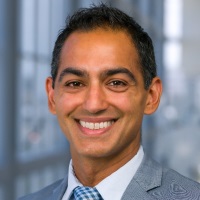
Salman Bhai, Vice President, Clinical Development, Secretome Therapeutics

Salman Bhai, MD is a neuromuscular neurologist and biotech executive specializing in clinical development and translational strategy for rare diseases. He serves as Vice President of Clinical Development at Secretome Therapeutics, where he leads clinical and scientific efforts supporting the advancement of emerging therapies for underserved patient populations. He is also an Assistant Professor of Neurology at UT Southwestern Medical Center, where he continues to care for patients and contribute to neuromuscular research. Prior to his current role, Dr. Bhai worked across multiple rare disease development programs in early- and late-stage settings, supporting study design, regulatory planning, biomarker strategy, and clinical translation. His academic work has included directing a neuromuscular research program, publishing extensively in the field, and contributing to international diagnostic and biomarker consensus efforts. He has also served on multiple scientific advisory boards across the rare disease and neuromuscular landscape. Dr. Bhai is deeply committed to elevating the voice of patients and their families in therapy development. He currently serves on the scientific advisory boards for Myositis Support and Understanding (MSU), the International Association for Muscle Glycogen Storage Disease (IamGSD), and the Association for Glycogen Storage Disease (AGSD). He earned his medical degree from Harvard Medical School and completed neurology residency and neuromuscular fellowship training at Mass General Brigham.


Appearances:


Day 2 - World Orphan Drug Congress USA 2026 @ 14:40

Ensuring Clinical Development Success: Engaging Patient Advocacy Groups Early and Often

In rare disease drug development, patient advocacy groups are not a “nice to have”—they are essential partners in building feasible, patient-centered, and successful clinical programs. Yet many sponsors still engage advocacy organizations too late, limiting their ability to meaningfully influence study design, recruitment, and long-term program success. 

This session examines how biopharma companies can strategically engage patient advocacy groups early and consistently across the clinical development lifecycle to de-risk trials and improve outcomes. Featuring perspectives from industry leaders and patient advocates, the discussion will highlight practical approaches, real-world examples, and lessons learned from rare disease programs where advocacy engagement directly shaped trial design, enrollment strategies, and patient experience. 

Objectives: 

  • Embed patient advocacy engagement into early clinical development planning, not just late-stage execution 
  • Identify critical points in rare disease development where advocacy input can improve trial feasibility and patient participation. 
  • Build sustainable, compliant partnerships with advocacy groups that extend beyond a single trial 
  • Avoid common missteps that limit the impact of patient advocacy collaboration in rare disease programs 
last published: 20/Apr/26 11:05 GMT

back to speakers

Get Involved At World Orphan Drug Congress USA


Connect with us


To Sponsor Or Exhibit


Jack Rendell
jack.rendell@terrapinn.com
t/ +44 07577689029


To Speak


Abdu Kauroo
abdu.kauroo@terrapinn.com


Marketing & Press


Jasper Cameron
jasper.cameron@terrapinn.com