2026 AGENDA

Boston, 29 - 30 September 2026
Schedule
Create your personal agenda –check the favourite icon
Sep 298:50Conference pass
Introductory remarks
Keynotes
Anna Abiola, Conference Director, Terrapinn Holdings Ltd
Sep 298:55Conference pass
Chair's remarks
Keynotes
Emily Gillen, Head of Global Data Partnerships, UCB
Sep 299:00Conference pass
Keynote presentation
Keynotes
Peter Marks, SVP Molecule Discovery and Head of Infectious Diseases, Eli Lilly
Sep 299:20Conference pass
Investment trends in AI
Keynotes
Moderator: Rana Lonnen, General Partner, Science Capital Ventures
Issa Kildani, Managing Partner, Founder, Ambrosia Ventures
Pooja Majmudar, Investment Partner, KELES Digital Health
Sarah Johnson, Partner, Advantary Capital Partners
Sep 2911:40Conference pass
Chair's remarks
FAIR Data: Management, Storage and Architecture
Sree Chitoor, Chief Technology Officer, IAVI
Sep 2911:40Conference pass
Chair's remarks
AI in Clinical Trials
Sep 2911:40Conference pass
Chair's remarks
Real World Evidence
Catherine Brownstein, Assistant Professor, Harvard Medical School
Sep 2911:40Conference pass
Chair's remarks
Large Language Models
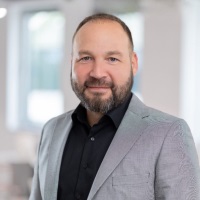
Dr. Nick (Nemanja) Kovacev, Surgeon/Engineer, OrtoMD Polyclinic
Sep 2911:40Conference pass
Chair's remarks
Digital Transformation
Sep 2911:40Conference pass
Chair's remarks
AI in Drug Discovery and Development
Sep 2911:45Conference pass
AI-Driven Endpoints: Redefining Clinical Trials for the Next Decade
AI in Clinical Trials
Sep 2911:45Conference pass
AI-ready data, foundation models, and agents for clinical trial optimization
AI in Drug Discovery and Development
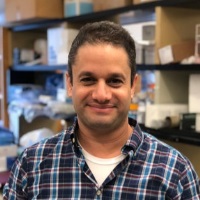
Etai Jacob, Head of Data Science and AI, Oncology R&D, AstraZeneca
Sep 2911:45Conference pass
Data transformation is not a line it’s a circle
Digital Transformation
Sep 2911:45Conference pass
Engineering Certainty and Clinical Safety: From Probabilistic to Deterministic AI
Large Language Models
Dr. Nick (Nemanja) Kovacev, Surgeon/Engineer, OrtoMD Polyclinic
Sep 2911:45Conference pass
Integration of real world evidence in genomics discovery
Real World Evidence
Catherine Brownstein, Assistant Professor, Harvard Medical School
Sep 2911:45Conference pass
Safety Data Management & AI Automation
FAIR Data: Management, Storage and Architecture
Vikalp Khare, Director, US Head of Safety Data Management, Otsuka Pharmaceutical
Sep 2912:05Conference pass
Generative AI for the Lab: Streamlining Scientific Workflows Through Intelligent Integration
AI in Clinical Trials
Akhil Rachamadugu, Director, Life Sciences, ServiceNow
Sep 2912:05Conference pass
In Silico-Enabled Biologics: Transforming Molecular Biology Design Through Integrated Informatics
Digital Transformation
Veronica DeFelice, Director of Biologics, Sapio Sciences
Sep 2912:25Conference pass
Accelerating trial selection with AI agents
Real World Evidence
Irfan Shah, Digital Ventures, Memorial Sloan Kettering Cancer Center
Sep 2912:25Conference pass
AI-driven trial design and optimization
AI in Clinical Trials
Sep 2912:25Conference pass
AI-powered programmable virtual humans for physiologically based drug discovery
AI in Drug Discovery and Development
Lei Xie, Professor, Northeastern University
Sep 2912:25Conference pass
Implementation of new age AI solutions and how to keep up with them
Digital Transformation
Sep 2912:25Conference pass
Multimodal Multi-Agent Solution for Sales Representatives
Large Language Models
Shihan He, Machine Learning Engineer, Novo Nordisk Inc.
Sep 2912:25Conference pass
The Data Dilemma: Storage, Management, and the Privacy Puzzle
FAIR Data: Management, Storage and Architecture
Joel Schwarz, Adjunct Law Professor, Cybersecurity and Privacy, Albany Law School
Sep 2913:05Conference pass
A data science ecosystem for pharma R&D
FAIR Data: Management, Storage and Architecture
Daniel Gusenleitner, Mission Lead of the Pharma R&R Data Science Ecosystem, Bayer
Sep 2913:05Conference pass
A data science ecosystem for pharma R&D
FAIR Data: Management, Storage and Architecture
Daniel Gusenleitner, Mission Lead of the Pharma R&R Data Science Ecosystem, Bayer
Sep 2913:05Conference pass
Digital transformation in biotherapeutics discovery
Digital Transformation
Alexander Horspool, Associate Director of Data and Lab Automation, Boehringer Ingelheim
Sep 2913:05Conference pass
DNA Methylation-Mediated Epigenetic Adaptation Promotes Cellular Resilience In AML
Real World Evidence
Manna Ahmed, Assistant Research Professor - Manager of The Genomics Resource Facility, Fox Chase Cancer Center
Sep 2913:05Conference pass
Navigating launch challenges in rare disease markets
AI in Drug Discovery and Development
Soumavo Sarkar, Director, Novartis
Sep 2913:05Conference pass
Physics-Informed Large Language Models for Biologics: Applying Nuclear Engineering Rigor to AI Safety and Reliability
Large Language Models
Daya Shankar, Founder & Chief AI Officer, VaidyaAI, Dean School of Sciences & AI Faculty, Woxsen University, Woxsen University
Sep 2913:05Conference pass
Virtual patient generation leveraging RWD to expedite clinical development
AI in Clinical Trials
Yilin Xu, Head of clinical data analytics, AbbVie
Sep 2913:25Conference pass
The Agent Did It. Now Can You Prove It? Cryptographic Traceability for AI in Clinical Workflows
Startup Pitches
Alistair Dootson, Head Life Sciences, EQTY Life Sciences
Tina Morrison, Head of Life Sciences, EQTY Lab
Sep 2913:40Conference pass
Responsible AI by Design: How to Launch Agentic AI in Regulated Biotech
Startup Pitches
Atika Kumar, Founder, Wiztree Consulting
Sep 2913:55Conference pass
AI-Driven Insights from Every single Patient
Startup Pitches
Mattia Marco Caruson, Founder and CEO, mama health technologies
Sep 2914:25Conference pass
Chair's remarks
AI in Drug Discovery and Development
Sep 2914:25Conference pass
Sep 2914:25Conference pass
Chair's remarks
FAIR Data: Management, Storage and Architecture
Lori Hoepner, Asst Professor, SUNY DOWNSTATE
Sep 2914:25Conference pass
Chair's remarks
AI in Clinical Trials
Soumavo Sarkar, Director, Novartis
Sep 2914:25Conference pass
Chair's remarks
AI in Clinical Trials
Soumavo Sarkar, Director, Novartis
Sep 2914:25Conference pass
Chair's remarks
Real World Evidence
Michael Liebman, Managing Director, IPQ Analytics. LLC
Sep 2914:30Conference pass
AI based first draft document authoring in support of clinical trials
AI in Drug Discovery and Development
Chris Willis, Director, Research Business Insights & Technology, Bristol Myers Squibb
Sep 2914:30Conference pass
Development Assistant: Empowering AZ with Interoperable, Context‑Driven Insights
AI in Clinical Trials
Betsy luo, IT Business Analyst, AstraZeneca
Sep 2914:30Conference pass
Digital Transformation in Biomedical Research: Challenges and Opportunities
Digital Transformation
Jason Beckwith, Professor, University of Dundee
Sep 2914:30Conference pass
Large Language Models in Practice: From Patient Support to Precision Cancer Care
Large Language Models
Omer Alis, Director of Artificial Intelligence, Northeastern University
Sep 2914:30Conference pass
Multi-cancer Early Detection (MCED)
Real World Evidence
Samir Hanash, Director, Red And Charline Mccombs Institute For The Early Detection And Treatment Of Cancer, MD Anderson Cancer Center
Sep 2914:30Conference pass
Pitfalls and Best Practices: Notes from the (research) field
FAIR Data: Management, Storage and Architecture
Lori Hoepner, Asst Professor, SUNY DOWNSTATE
Sep 2915:10Conference pass
Agentic AI for biotech competitive intelligence
Large Language Models
Daniel de Moraes Branco, Senior Director Corporate Development, Latin America Medical Affairs Lead, Artiva Biotherapeutics
Sep 2915:10Conference pass
AI in Drug Development and Discovery - an investors perspective
AI in Drug Discovery and Development
Colby Kash, Ceo, Camelot BioCapital
Sep 2915:10Conference pass
Digital innovations driving clinic trials efficiencies
AI in Clinical Trials
Naomi Fried, CEO, Pharmstars
Sep 2915:10Conference pass
From Data Custodian to Data Product Leader: Building FAIR and AI-Ready Clinical Data Platforms for Precision Trials
FAIR Data: Management, Storage and Architecture
Kayure Patel, Senior Data Sciences Product Leader, Genentech/Roche
Sep 2915:10Conference pass
HEART: Healthcare Enabled by AI in Real Time
Real World Evidence
Qingchu Jin, Research Scientist, Northeastern University
Sep 2915:10Conference pass
Securing the Agentic Future: How Privacy and Trust Drive Real Digital Transformation
Digital Transformation
Preetha Ram, Managing Partner, Pier 70 Ventures
Sep 2915:30Conference pass
The Skills Behind the Strategy: Preparing Today's Workforce for Digital Transformation
Digital Transformation
Uwe Hohgrawe, Associate Dean Global Learner Access, Strategic Partnerships and AI, Northeastern University
Sep 2915:50Conference pass
AI ML for drug discovery
AI in Drug Discovery and Development
Srijit Seal, Visiting Researcher, Broad Institute of MIT and Harvard
Sep 2915:50Conference pass
Applications of biological foundation models to accelerate clinical trials
AI in Clinical Trials
Neil Pfister, Assistant Professor; Head of AI in Precision Medicine Research Group, University of Alabama at Birmingham
Sep 2915:50Conference pass
Digital transformation within medical and scientific communications within pharma and biotech
Digital Transformation
Sep 2915:50Conference pass
Diving deeper into indications
FAIR Data: Management, Storage and Architecture
Maureen Stark, Biospecimen Senior Specialist - Data Mgt, Roche
Sep 2916:40Conference pass
Chair's remarks
AI in Drug Discovery and Development
Pooja Majmudar, Investment Partner, KELES Digital Health
Sep 2916:40Conference pass
Chair's remarks
Digital Transformation
Shabana Motlani, Director, USO PS QA & GxP Automation & Analytics, Novo Nordisk
Sep 2916:40Conference pass
Sep 2916:40Conference pass
Chair's remarks
Real World Evidence
Michael Liebman, Managing Director, IPQ Analytics. LLC
Sep 2916:45Conference pass
Bridging the gap between FEMtech and FEMhealth
Real World Evidence
Michael Liebman, Managing Director, IPQ Analytics. LLC
Sep 2916:45Conference pass
Leveraging Data and AI to transform Research, Care, and Operations at Sylvester Comprehensive Cancer Center
Digital Transformation
Vasileios Stathias, Assistant Director, Data Science, Sylvester Comprehensive Cancer Center
Sep 2916:45Conference pass
Protecting Our Cognitive Edge: The Paradox of AI Offloading vs. Skills Atrophy
AI in Clinical Trials
Lincoln Shand, Global Technical Leader, Data Management, PD Data Science and Analytics, Roche
Sep 2916:45Conference pass
ROI on AI implantation in drug discovery
AI in Drug Discovery and Development
Pooja Majmudar, Investment Partner, KELES Digital Health
Sep 2917:05Conference pass
How Novo Nordisk Transformed Customer targeting using AI
Digital Transformation
Sai Rithvik Kanakamedala, Data Scientist, Novo Nordisk
Sep 2917:25Conference pass
AI-Powered Trials: Unlocking Leadership in Clinical Innovation
AI in Clinical Trials
Yilin Xu, Head of clinical data analytics, AbbVie
Hong Truong, Principal, Define Ventures
Sep 2917:25Conference pass
Better ways to recruit and retain patients
Real World Evidence
Sep 2917:25Conference pass
Digital health and AI, what does the future hold?
Digital Transformation
Moderator: Naomi Fried, CEO, Pharmstars
Omer Alis, Director of Artificial Intelligence, Northeastern University
Sep 2917:25Conference pass
The Health Data Trilemma: Privacy, National Security, and Borderless dataflows
FAIR Data: Management, Storage and Architecture
Moderator: Joel Schwarz, Adjunct Law Professor, Cybersecurity and Privacy, Albany Law School
Sep 2917:25Conference pass
Using AI in the drug development and discovery process
AI in Drug Discovery and Development
Create your personal agenda –check the favourite icon
Sep 308:50Conference pass
Introductory remarks
Keynotes
Anna Abiola, Conference Director, Terrapinn Holdings Ltd
Sep 309:40Conference pass
Evolution of women’s health
Keynotes
Preetha Ram, Managing Partner, Pier 70 Ventures
Sep 3011:40Conference pass
Chair's remarks
FAIR Data: Management, Storage and Architecture
Sep 3011:40Conference pass
Chair's remarks
AI in Drug Discovery and Development
Sep 3011:40Conference pass
Chair's remarks
Bioinformatics + InSilico R&D
Qingchu Jin, Research Scientist, Northeastern University
Sep 3011:40Conference pass
Chair's remarks
AI in Clinical Trials
Sep 3011:45Conference pass
AI in medical authoring and regulatory intelligence
AI in Clinical Trials
Sree Chitoor, Chief Technology Officer, IAVI
Sep 3011:45Conference pass
From High-Throughput Pipelines to FAIR Data: A Storage Strategy
FAIR Data: Management, Storage and Architecture
Sep 3011:45Conference pass
Harnessing the Power of Generative AI: Unlocking Insights from Real-World Data for Data-Driven Decisions in Pharma R&D
Real World Evidence
Sep 3011:45Conference pass
How AI can help early stage companies in drug development
AI in Drug Discovery and Development
Lou Kassa, CEO, Pennsylvania Biotechnology Center
Sep 3011:45Conference pass
When Quantum Meets Pharma: Inside the Race to Design Drugs Atom by Atom
Bioinformatics + InSilico R&D
Sep 3012:25Conference pass
Building Bridges: Developing a Common Omics Data Platform at AbbVie
FAIR Data: Management, Storage and Architecture
Sep 3012:25Conference pass
Multi-modal real world data foundation models: Challenges & opportunities
AI in Drug Discovery and Development
Janie Shelton, Director, Translational Epidemiology, Bristol Myers Squibb
Sep 3012:25Conference pass
Patient advocate journey through trials
AI in Clinical Trials
Ella Balasa, Patient Engagement Consultant, Patient Advocate
Sep 3012:25Conference pass
The Convergence of Patient Safety and Real-World Evidence in a Data-Driven Era
Real World Evidence
Osamagbe Woghiren, Senior Manager, QPPV Office & PV Operations (Global Pharmacovigilance), UCB
Sep 3012:25Conference pass
Virtual cell modelling
Bioinformatics + InSilico R&D
Jake Chen, Endowed Professor and Director, University of Alabama at Birmingham
Sep 3013:05Conference pass
From Silos to FAIR: Driving Data Strategy in Research and Development
FAIR Data: Management, Storage and Architecture
Sep 3013:05Conference pass
How to integrate multi-omics
Bioinformatics + InSilico R&D
Yi-Hsiang Hsu, Director and associate Professor, Broad Institute of MIT and Harvard
Sep 3013:05Conference pass
Leveraging RWD in the Drug Development Process
Real World Evidence
Thomas Dougherty, Data Science & AI Innovative Partnership Lead, Novo Nordisk
Sep 3013:05Conference pass
Mind the Gap: How Artificial Intelligence Can Strengthen the Clinical Trial Enterprise from Protocol Design to External Controls
AI in Clinical Trials
Alexander Sherman, Director, Center for Innovation and Bioinformatics, Mass General Hospital, Harvard Medical School
Sep 3013:05Conference pass
Revolutionizing immunotherapy through patient-centric therapeutic hardware platform, ATT-AI
AI in Drug Discovery and Development
David Sherris, CEO, Attivare Therapeutics
Sep 3014:25Conference pass
Chair's remarks
FAIR Data: Management, Storage and Architecture
Sep 3014:25Conference pass
Chair's remarks
AI in Clinical Trials
Sep 3014:30Conference pass
AI influenced nano technology in drug discovery and development
AI in Drug Discovery and Development
Beauty Pandey, Associate Dean & Associate Professor, Woxsen University
Sep 3014:30Conference pass
Detecting Dengue, Chikungunya, and Oropouche Viruses Using Radio Frequency Waves and Machine Learning.
Bioinformatics + InSilico R&D
Omer Alis, Director of Artificial Intelligence, Northeastern University
Sep 3014:30Conference pass
Driving field medical innovation
Real World Evidence
Karuna Kantor, Director, Field Medical, Novo Nordisk
Sep 3014:50Conference pass
How AI is used to support the three R’s in drug discovery
AI in Drug Discovery and Development
Sep 3015:10Conference pass
An ensemble method for robust labelling of single-cell RNA-seq data
Bioinformatics + InSilico R&D
Sep 3015:10Conference pass
Regulatory affairs, The regulations and guidance globally
AI in Drug Discovery and Development
Jia Huang, Associate Director, Merck
Sep 3015:50Conference pass
Pediatric Precision Medicine
Keynotes
Wendy Chung, Chief, Department of Pediatrics, Boston Children's Hospital
last published: 31/Mar/26 17:15 GMT
Boston, 29 - 30 September 2026
Schedule
Create your personal agenda –check the favourite icon
Sep 298:50
Conference pass
Introductory remarks
Keynotes
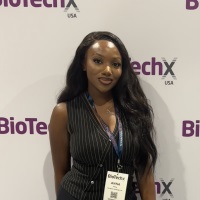
Anna Abiola, Conference Director, Terrapinn Holdings Ltd
Sep 298:55
Conference pass
Chair's remarks
Keynotes
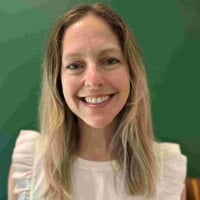
Emily Gillen, Head of Global Data Partnerships, UCB
Sep 299:00
Conference pass
Keynote presentation
Keynotes
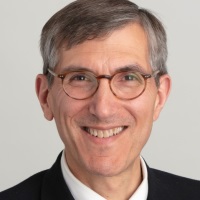
Peter Marks, SVP Molecule Discovery and Head of Infectious Diseases, Eli Lilly
Sep 299:20
Conference pass
Investment trends in AI
Keynotes
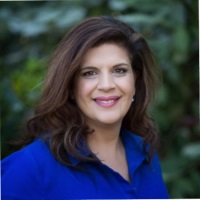
Moderator: Rana Lonnen, General Partner, Science Capital Ventures
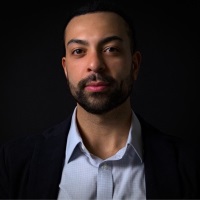
Issa Kildani, Managing Partner, Founder, Ambrosia Ventures
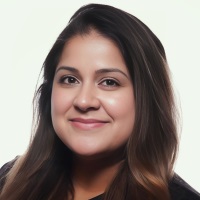
Pooja Majmudar, Investment Partner, KELES Digital Health


Sarah Johnson, Partner, Advantary Capital Partners
Sep 2911:40
Conference pass
Chair's remarks
FAIR Data: Management, Storage and Architecture

Sree Chitoor, Chief Technology Officer, IAVI
Sep 2911:40
Conference pass
Chair's remarks
AI in Clinical Trials
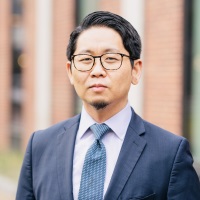
Sep 2911:40
Conference pass
Chair's remarks
Real World Evidence
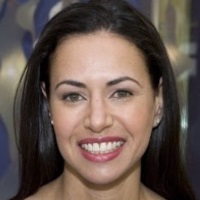
Catherine Brownstein, Assistant Professor, Harvard Medical School
Sep 2911:40
Conference pass
Chair's remarks
Large Language Models
Dr. Nick (Nemanja) Kovacev, Surgeon/Engineer, OrtoMD Polyclinic
Sep 2911:40
Conference pass
Chair's remarks
Digital Transformation
Sep 2911:40
Conference pass
Chair's remarks
AI in Drug Discovery and Development

Sep 2911:45
Conference pass
AI-Driven Endpoints: Redefining Clinical Trials for the Next Decade
AI in Clinical Trials

Sep 2911:45
Conference pass
AI-ready data, foundation models, and agents for clinical trial optimization
AI in Drug Discovery and Development
Etai Jacob, Head of Data Science and AI, Oncology R&D, AstraZeneca
Sep 2911:45
Conference pass
Data transformation is not a line it’s a circle
Digital Transformation
Sep 2911:45
Conference pass
Engineering Certainty and Clinical Safety: From Probabilistic to Deterministic AI
Large Language Models
Dr. Nick (Nemanja) Kovacev, Surgeon/Engineer, OrtoMD Polyclinic
Sep 2911:45
Conference pass
Integration of real world evidence in genomics discovery
Real World Evidence
Catherine Brownstein, Assistant Professor, Harvard Medical School
Sep 2911:45
Conference pass
Safety Data Management & AI Automation
FAIR Data: Management, Storage and Architecture
Vikalp Khare, Director, US Head of Safety Data Management, Otsuka Pharmaceutical
Sep 2912:05
Conference pass
Generative AI for the Lab: Streamlining Scientific Workflows Through Intelligent Integration
AI in Clinical Trials
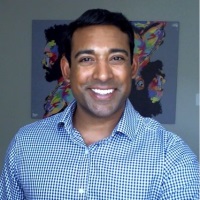
Akhil Rachamadugu, Director, Life Sciences, ServiceNow
Sep 2912:05
Conference pass
In Silico-Enabled Biologics: Transforming Molecular Biology Design Through Integrated Informatics
Digital Transformation
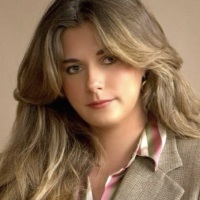
Veronica DeFelice, Director of Biologics, Sapio Sciences
Sep 2912:25
Conference pass
Accelerating trial selection with AI agents
Real World Evidence
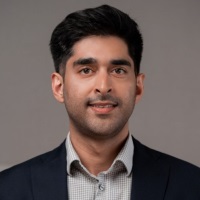
Irfan Shah, Digital Ventures, Memorial Sloan Kettering Cancer Center
Sep 2912:25
Conference pass
AI-driven trial design and optimization
AI in Clinical Trials
Sep 2912:25
Conference pass
AI-powered programmable virtual humans for physiologically based drug discovery
AI in Drug Discovery and Development
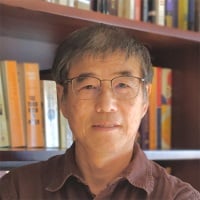
Lei Xie, Professor, Northeastern University
Sep 2912:25
Conference pass
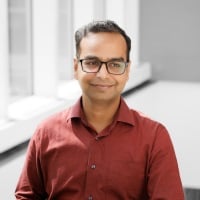
Implementation of new age AI solutions and how to keep up with them
Digital Transformation
Sep 2912:25
Conference pass
Multimodal Multi-Agent Solution for Sales Representatives
Large Language Models
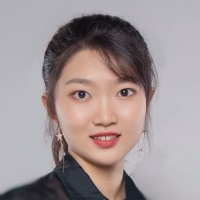
Shihan He, Machine Learning Engineer, Novo Nordisk Inc.
Sep 2912:25
Conference pass
The Data Dilemma: Storage, Management, and the Privacy Puzzle
FAIR Data: Management, Storage and Architecture
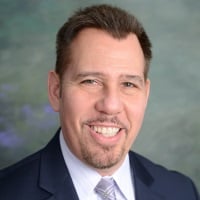
Joel Schwarz, Adjunct Law Professor, Cybersecurity and Privacy, Albany Law School
Sep 2913:05
Conference pass
A data science ecosystem for pharma R&D
FAIR Data: Management, Storage and Architecture
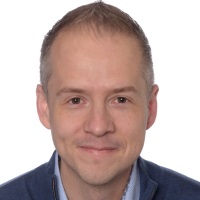
Daniel Gusenleitner, Mission Lead of the Pharma R&R Data Science Ecosystem, Bayer
Sep 2913:05
Conference pass
A data science ecosystem for pharma R&D
FAIR Data: Management, Storage and Architecture
Daniel Gusenleitner, Mission Lead of the Pharma R&R Data Science Ecosystem, Bayer
Sep 2913:05
Conference pass
Digital transformation in biotherapeutics discovery
Digital Transformation
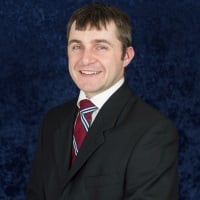
Alexander Horspool, Associate Director of Data and Lab Automation, Boehringer Ingelheim
Sep 2913:05
Conference pass
DNA Methylation-Mediated Epigenetic Adaptation Promotes Cellular Resilience In AML
Real World Evidence
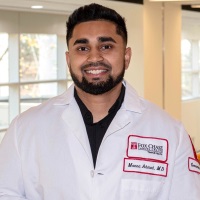
Manna Ahmed, Assistant Research Professor - Manager of The Genomics Resource Facility, Fox Chase Cancer Center
Sep 2913:05
Conference pass
Navigating launch challenges in rare disease markets
AI in Drug Discovery and Development
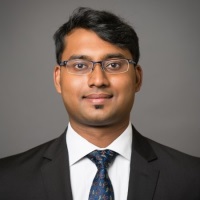
Soumavo Sarkar, Director, Novartis
Sep 2913:05
Conference pass
Physics-Informed Large Language Models for Biologics: Applying Nuclear Engineering Rigor to AI Safety and Reliability
Large Language Models
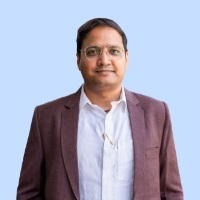
Daya Shankar, Founder & Chief AI Officer, VaidyaAI, Dean School of Sciences & AI Faculty, Woxsen University, Woxsen University
Sep 2913:05
Conference pass
Virtual patient generation leveraging RWD to expedite clinical development
AI in Clinical Trials
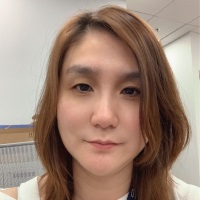
Yilin Xu, Head of clinical data analytics, AbbVie
Sep 2913:25
Conference pass
The Agent Did It. Now Can You Prove It? Cryptographic Traceability for AI in Clinical Workflows
Startup Pitches
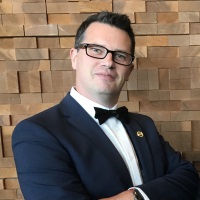
Alistair Dootson, Head Life Sciences, EQTY Life Sciences
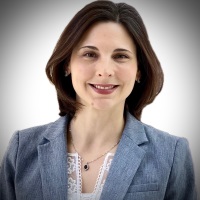
Tina Morrison, Head of Life Sciences, EQTY Lab
Sep 2913:40
Conference pass
Responsible AI by Design: How to Launch Agentic AI in Regulated Biotech
Startup Pitches
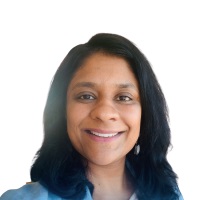
Atika Kumar, Founder, Wiztree Consulting
Sep 2913:55
Conference pass
AI-Driven Insights from Every single Patient
Startup Pitches
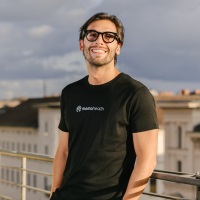
Mattia Marco Caruson, Founder and CEO, mama health technologies
Sep 2914:25
Conference pass
Chair's remarks
AI in Drug Discovery and Development
Sep 2914:25
Conference pass
Sep 2914:25
Conference pass
Chair's remarks
FAIR Data: Management, Storage and Architecture
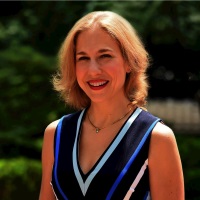
Lori Hoepner, Asst Professor, SUNY DOWNSTATE
Sep 2914:25
Conference pass
Chair's remarks
AI in Clinical Trials
Soumavo Sarkar, Director, Novartis
Sep 2914:25
Conference pass
Chair's remarks
AI in Clinical Trials
Soumavo Sarkar, Director, Novartis
Sep 2914:25
Conference pass
Chair's remarks
Real World Evidence
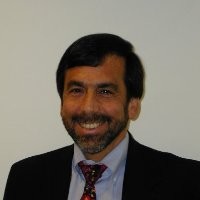
Michael Liebman, Managing Director, IPQ Analytics. LLC
Sep 2914:30
Conference pass
AI based first draft document authoring in support of clinical trials
AI in Drug Discovery and Development
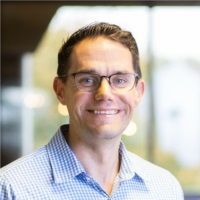
Chris Willis, Director, Research Business Insights & Technology, Bristol Myers Squibb
Sep 2914:30
Conference pass
Development Assistant: Empowering AZ with Interoperable, Context‑Driven Insights
AI in Clinical Trials
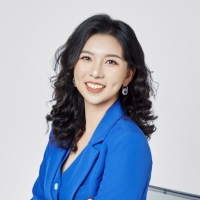
Betsy luo, IT Business Analyst, AstraZeneca
Sep 2914:30
Conference pass
Digital Transformation in Biomedical Research: Challenges and Opportunities
Digital Transformation
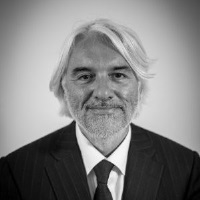
Jason Beckwith, Professor, University of Dundee
Sep 2914:30
Conference pass
Large Language Models in Practice: From Patient Support to Precision Cancer Care
Large Language Models
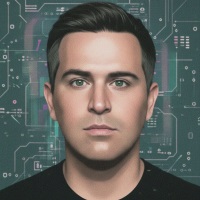
Omer Alis, Director of Artificial Intelligence, Northeastern University
Sep 2914:30
Conference pass
Multi-cancer Early Detection (MCED)
Real World Evidence
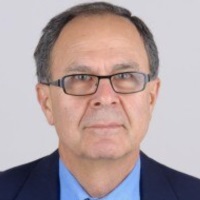
Samir Hanash, Director, Red And Charline Mccombs Institute For The Early Detection And Treatment Of Cancer, MD Anderson Cancer Center
Sep 2914:30
Conference pass
Pitfalls and Best Practices: Notes from the (research) field
FAIR Data: Management, Storage and Architecture
Lori Hoepner, Asst Professor, SUNY DOWNSTATE
Sep 2915:10
Conference pass
Agentic AI for biotech competitive intelligence
Large Language Models
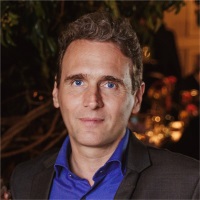
Daniel de Moraes Branco, Senior Director Corporate Development, Latin America Medical Affairs Lead, Artiva Biotherapeutics
Sep 2915:10
Conference pass
AI in Drug Development and Discovery - an investors perspective
AI in Drug Discovery and Development
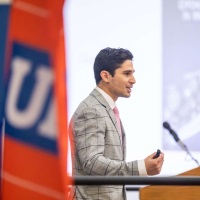
Colby Kash, Ceo, Camelot BioCapital
Sep 2915:10
Conference pass
Digital innovations driving clinic trials efficiencies
AI in Clinical Trials
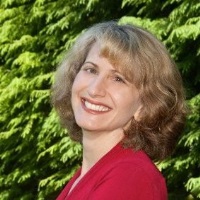
Naomi Fried, CEO, Pharmstars
Sep 2915:10
Conference pass
From Data Custodian to Data Product Leader: Building FAIR and AI-Ready Clinical Data Platforms for Precision Trials
FAIR Data: Management, Storage and Architecture
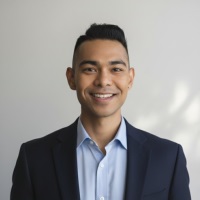
Kayure Patel, Senior Data Sciences Product Leader, Genentech/Roche
Sep 2915:10
Conference pass
HEART: Healthcare Enabled by AI in Real Time
Real World Evidence
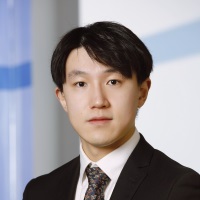
Qingchu Jin, Research Scientist, Northeastern University
Sep 2915:10
Conference pass
Securing the Agentic Future: How Privacy and Trust Drive Real Digital Transformation
Digital Transformation
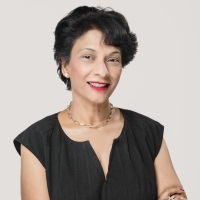
Preetha Ram, Managing Partner, Pier 70 Ventures
Sep 2915:30
Conference pass
The Skills Behind the Strategy: Preparing Today's Workforce for Digital Transformation
Digital Transformation
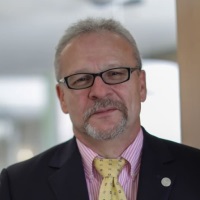
Uwe Hohgrawe, Associate Dean Global Learner Access, Strategic Partnerships and AI, Northeastern University
Sep 2915:50
Conference pass
AI ML for drug discovery
AI in Drug Discovery and Development
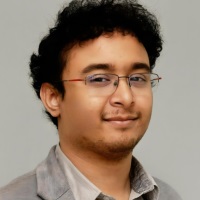
Srijit Seal, Visiting Researcher, Broad Institute of MIT and Harvard
Sep 2915:50
Conference pass
Applications of biological foundation models to accelerate clinical trials
AI in Clinical Trials
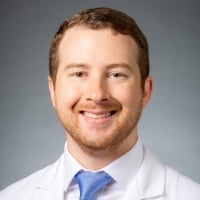
Neil Pfister, Assistant Professor; Head of AI in Precision Medicine Research Group, University of Alabama at Birmingham
Sep 2915:50
Conference pass
Digital transformation within medical and scientific communications within pharma and biotech
Digital Transformation

Sep 2915:50
Conference pass
Diving deeper into indications
FAIR Data: Management, Storage and Architecture
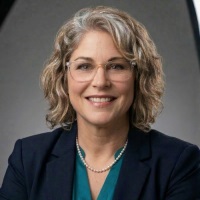
Maureen Stark, Biospecimen Senior Specialist - Data Mgt, Roche
Sep 2916:40
Conference pass
Chair's remarks
AI in Drug Discovery and Development
Pooja Majmudar, Investment Partner, KELES Digital Health
Sep 2916:40
Conference pass
Chair's remarks
Digital Transformation
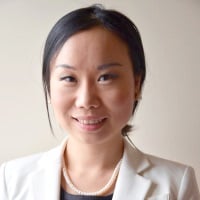
Shabana Motlani, Director, USO PS QA & GxP Automation & Analytics, Novo Nordisk
Sep 2916:40
Conference pass
Sep 2916:40
Conference pass
Chair's remarks
Real World Evidence
Michael Liebman, Managing Director, IPQ Analytics. LLC
Sep 2916:45
Conference pass
Bridging the gap between FEMtech and FEMhealth
Real World Evidence
Michael Liebman, Managing Director, IPQ Analytics. LLC
Sep 2916:45
Conference pass
Leveraging Data and AI to transform Research, Care, and Operations at Sylvester Comprehensive Cancer Center
Digital Transformation
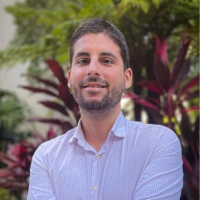
Vasileios Stathias, Assistant Director, Data Science, Sylvester Comprehensive Cancer Center
Sep 2916:45
Conference pass
Protecting Our Cognitive Edge: The Paradox of AI Offloading vs. Skills Atrophy
AI in Clinical Trials
Lincoln Shand, Global Technical Leader, Data Management, PD Data Science and Analytics, Roche
Sep 2916:45
Conference pass
ROI on AI implantation in drug discovery
AI in Drug Discovery and Development
Pooja Majmudar, Investment Partner, KELES Digital Health
Sep 2917:05
Conference pass
How Novo Nordisk Transformed Customer targeting using AI
Digital Transformation

Sai Rithvik Kanakamedala, Data Scientist, Novo Nordisk
Sep 2917:25
Conference pass
AI-Powered Trials: Unlocking Leadership in Clinical Innovation
AI in Clinical Trials
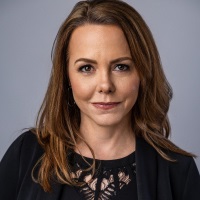
Yilin Xu, Head of clinical data analytics, AbbVie
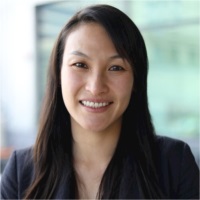
Hong Truong, Principal, Define Ventures
Sep 2917:25
Conference pass
Better ways to recruit and retain patients
Real World Evidence
Sep 2917:25
Conference pass
Digital health and AI, what does the future hold?
Digital Transformation
Moderator: Naomi Fried, CEO, Pharmstars
Omer Alis, Director of Artificial Intelligence, Northeastern University
Sep 2917:25
Conference pass
The Health Data Trilemma: Privacy, National Security, and Borderless dataflows
FAIR Data: Management, Storage and Architecture
Moderator: Joel Schwarz, Adjunct Law Professor, Cybersecurity and Privacy, Albany Law School
Sep 2917:25
Conference pass
Using AI in the drug development and discovery process
AI in Drug Discovery and Development
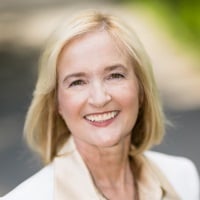
Create your personal agenda –check the favourite icon
Sep 308:50
Conference pass
Introductory remarks
Keynotes
Anna Abiola, Conference Director, Terrapinn Holdings Ltd
Sep 309:40
Conference pass
Evolution of women’s health
Keynotes
Preetha Ram, Managing Partner, Pier 70 Ventures
Sep 3011:40
Conference pass
Chair's remarks
FAIR Data: Management, Storage and Architecture

Sep 3011:40
Conference pass
Chair's remarks
AI in Drug Discovery and Development
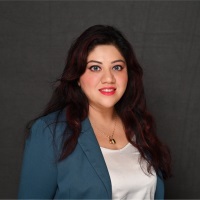
Sep 3011:40
Conference pass
Chair's remarks
Bioinformatics + InSilico R&D
Qingchu Jin, Research Scientist, Northeastern University
Sep 3011:40
Conference pass
Chair's remarks
AI in Clinical Trials
Sep 3011:45
Conference pass
AI in medical authoring and regulatory intelligence
AI in Clinical Trials
Sree Chitoor, Chief Technology Officer, IAVI
Sep 3011:45
Conference pass
From High-Throughput Pipelines to FAIR Data: A Storage Strategy
FAIR Data: Management, Storage and Architecture
Sep 3011:45
Conference pass
Harnessing the Power of Generative AI: Unlocking Insights from Real-World Data for Data-Driven Decisions in Pharma R&D
Real World Evidence
Sep 3011:45
Conference pass
How AI can help early stage companies in drug development
AI in Drug Discovery and Development
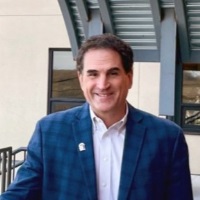
Lou Kassa, CEO, Pennsylvania Biotechnology Center
Sep 3011:45
Conference pass
When Quantum Meets Pharma: Inside the Race to Design Drugs Atom by Atom
Bioinformatics + InSilico R&D
Sep 3012:25
Conference pass
Building Bridges: Developing a Common Omics Data Platform at AbbVie
FAIR Data: Management, Storage and Architecture

Sep 3012:25
Conference pass
Multi-modal real world data foundation models: Challenges & opportunities
AI in Drug Discovery and Development
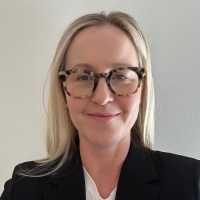
Janie Shelton, Director, Translational Epidemiology, Bristol Myers Squibb
Sep 3012:25
Conference pass
Patient advocate journey through trials
AI in Clinical Trials
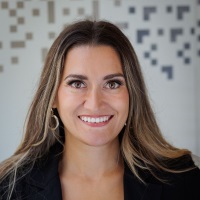
Ella Balasa, Patient Engagement Consultant, Patient Advocate
Sep 3012:25
Conference pass
The Convergence of Patient Safety and Real-World Evidence in a Data-Driven Era
Real World Evidence
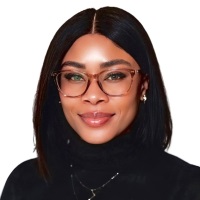
Osamagbe Woghiren, Senior Manager, QPPV Office & PV Operations (Global Pharmacovigilance), UCB
Sep 3012:25
Conference pass
Virtual cell modelling
Bioinformatics + InSilico R&D
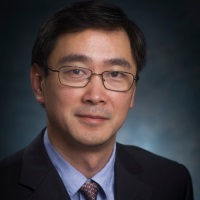
Jake Chen, Endowed Professor and Director, University of Alabama at Birmingham
Sep 3013:05
Conference pass
From Silos to FAIR: Driving Data Strategy in Research and Development
FAIR Data: Management, Storage and Architecture
Sep 3013:05
Conference pass
How to integrate multi-omics
Bioinformatics + InSilico R&D
Yi-Hsiang Hsu, Director and associate Professor, Broad Institute of MIT and Harvard
Sep 3013:05
Conference pass
Leveraging RWD in the Drug Development Process
Real World Evidence
Thomas Dougherty, Data Science & AI Innovative Partnership Lead, Novo Nordisk
Sep 3013:05
Conference pass
Mind the Gap: How Artificial Intelligence Can Strengthen the Clinical Trial Enterprise from Protocol Design to External Controls
AI in Clinical Trials
Alexander Sherman, Director, Center for Innovation and Bioinformatics, Mass General Hospital, Harvard Medical School
Sep 3013:05
Conference pass
Revolutionizing immunotherapy through patient-centric therapeutic hardware platform, ATT-AI
AI in Drug Discovery and Development
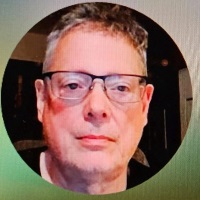
David Sherris, CEO, Attivare Therapeutics
Sep 3014:25
Conference pass
Chair's remarks
FAIR Data: Management, Storage and Architecture
Sep 3014:25
Conference pass
Chair's remarks
AI in Clinical Trials
Sep 3014:30
Conference pass
AI influenced nano technology in drug discovery and development
AI in Drug Discovery and Development

Beauty Pandey, Associate Dean & Associate Professor, Woxsen University
Sep 3014:30
Conference pass
Detecting Dengue, Chikungunya, and Oropouche Viruses Using Radio Frequency Waves and Machine Learning.
Bioinformatics + InSilico R&D
Omer Alis, Director of Artificial Intelligence, Northeastern University
Sep 3014:30
Conference pass
Driving field medical innovation
Real World Evidence
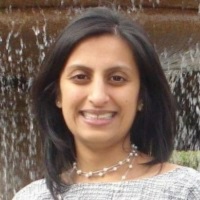
Karuna Kantor, Director, Field Medical, Novo Nordisk
Sep 3014:50
Conference pass
How AI is used to support the three R’s in drug discovery
AI in Drug Discovery and Development
Sep 3015:10
Conference pass
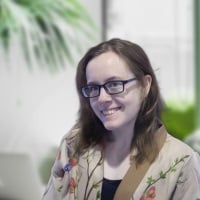
An ensemble method for robust labelling of single-cell RNA-seq data
Bioinformatics + InSilico R&D
Sep 3015:10
Conference pass
Regulatory affairs, The regulations and guidance globally
AI in Drug Discovery and Development
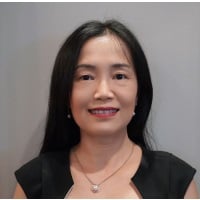
Jia Huang, Associate Director, Merck
Sep 3015:50
Conference pass
Pediatric Precision Medicine
Keynotes
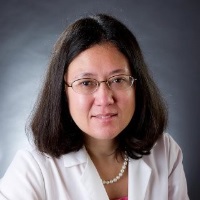
Wendy Chung, Chief, Department of Pediatrics, Boston Children's Hospital
last published: 31/Mar/26 17:15 GMT
Get involved at BioTechX USA

Created by


Terrapinn is proud to be a member of isla.
Working together to build sustainable events