Jean-Louis Honeine | Technical Solutions Consultant
Benchling Switzerland GmbH
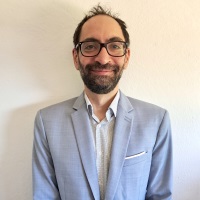
Jean Louis holds a PhD in Neuroscience and has worked across both science and technology, helping R&D teams use data and AI to accelerate discovery. In his session today, Jean Louis will show how agentic AI is transforming the lab — turning fragmented, manual work into smart automations that save scientists hours every day. When he’s not helping scientists make sense of their data, Jean Louis can usually be found geeking out over computers, music, or anything that makes science move faster.
Appearances:
BioTechX EU Day 2 @ 12:45
AI for Every Scientist: How Agentic AI, Grounded in the Scientific Record, Accelerates Discovery
General-purpose AI assistants can generate text, but they cannot traverse a scientific graph, cite source records, or take action directly within an R&D platform. This session explores what changes when agentic AI is built into the scientific data foundation.
We’ll look at how connected wet lab and dry lab data, no-code access to scientific models, and AI agents can help scientists work more efficiently. Examples include generating hypotheses grounded in internal data and published research, using reusable Skills to standardize workflows, and automating routine tasks such as report writing, sample transfers, and inventory checks.
The session will also demonstrate how an agent can connect to an external ontology using MCP to bring additional knowledge into Benchling, and how scheduled agents can flag expiring reagents before an experiment begins. Agentic AI is only trustworthy when it is grounded in well-structured scientific data and produces traceable, auditable results, turning AI from a black box into a collaborator scientists can rely on.
Get involved at BioTechX Europe


Created by


Terrapinn is proud to be a member of isla.
Working together to build sustainable events