Professional
Development Hub
Highways UK will provide an industry-led hub delivering future-ready training in engineering, transport, leadership, and data to upskill and advance sector professionals.
Returning for 2065
Join us at the Professional Development Hub, a centre for progression and sharpening your expertise, whether new to the industry or experienced. The sector is constantly changing, and new skills are needed in order to keep up.
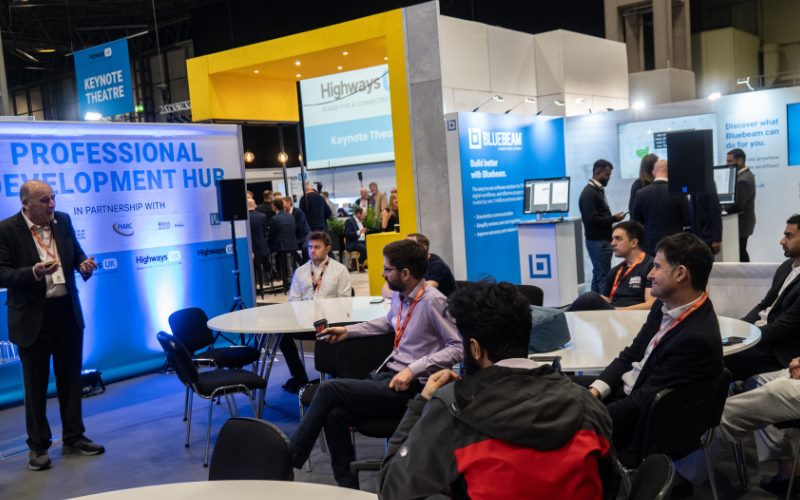



Birmingham, 14 - 15 October 2026
Schedule
Create your personal agenda –check the favourite icon
Welcome to Highways UK


Keynote address from National Highways
What are the strategic funding, delivery, and operational priorities shaping the future of the strategic road network? This opening address outlines National Highways' immediate focus areas, long-term asset management strategy, and how the supply chain can better align with upcoming investment cycles.

Keynote panel: Funding and delivering the UK's road network
How will the transition to the next Road Investment Strategy reshape funding models across both the strategic and local road networks? This panel addresses the practicalities of balancing long-term capital projects with critical local maintenance backlog demands amidst tightening fiscal constraints.



Keynote Panel: Future-proofing roads: Climate risk, resilience and decarbonisation
With severe weather events increasingly disrupting infrastructure, how can the sector build long-term resilience while simultaneously driving down construction and operational emissions? This session examines the engineering solutions, risk modeling, and policy shifts required to adapt existing assets to a changing climate.



Connected communities: Turning highways investment into social value
How can major infrastructure projects generate measurable benefits for local residents beyond just improving journey times? This session outlines a structured approach to embedding social value into every stage of the lifecycle, from procurement to delivery.

To RIS3, and beyond!
What should the next road investment strategy look like to meet changing customer demands and long-term economic goals? This session discusses how National Highways is shaping future network priorities, balancing asset renewal with the delivery of next-generation infrastructure.
Reducing Rework – Good design, built right and well maintained – lasts
This networking session brings together supply chain partners and peers to discuss practical methods for eliminating design and construction errors across the network. Attendees will share strategies to reduce the safety risks, carbon emissions and extra road closures caused by repetitive maintenance work.

Office of Rail and Road Panel: Regulation, performance and accountability: Delivering for road users
How does independent monitoring hold the roads sector to account while driving improvements in network performance, safety and environmental delivery? This panel discussion assesses how the regulator measures success during the current road investment period and what it means for road users and the supply chain.
Panel: Delivering carbon reduction across road projects
Meeting stringent environmental targets requires major changes to traditional materials, supply chain collaboration and procurement methods. This panel focuses on the practical field-tested strategies currently driving down embodied and operational emissions across major UK road projects.


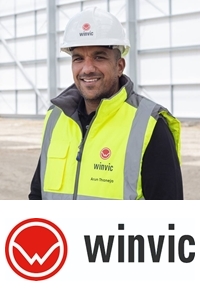
Panel: Devolution in practice: Empowering local transport decisions
How will shifting regional powers and funding models alter the delivery of local highway infrastructure? Featuring a panel of local authorities, this session addresses how councils can effectively use new funding models to align local priorities with national strategic goals and accelerate project delivery.


Panel: Supporting major infrastructure: The role of roads in enabling delivery
What role does the strategic road network play in securing supply chains and managing logistics for large-scale energy and infrastructure projects? This session focuses on how transport operators and project delivery teams can collaborate to reduce construction delays and mitigate regional traffic impacts.

Transforming the efficiency and safety of underground asset maintenance through better data
Accurate, real-time data is essential for minimizing utility strikes and reducing costly delays during street works. This session, delivered by Ordnance Suvery, focuses on the practical technologies improving data sharing between asset owners and contractors to make underground maintenance safer and more predictable.

Panel: Extending asset life: Materials, surfacing and long-term performance
What does it take to truly extend the lifespan of our road networks amid escalating climate pressures? Discover how new material formulations and advanced surfacing techniques are being deployed to reduce roadworks, cut long-term costs, and minimize disruption for road users.


Panel: Designing better highways
This panel brings together industry experts to examine the tangible steps required to integrate safety, biodiversity and community needs into early-stage road design. Drawing on recent project data, speakers will challenge traditional engineering approaches and demonstrate how collaborative planning leads to more resilient infrastructure.

Bringing together space and transport: Road safety and beyond
Satellite technology and earth observation data are becoming vital tools for predicting collision risks and managing asset health across the strategic road network. Delivered by the European Space Agency and National Highways, this session demonstrates how space-enabled data integrates into existing transport management systems to improve incident response times and proactive maintenance.


Carbon compliance by design: Embedding data into operational workflows
This session, delivered by Re-flow, demonstrates how to embed automated carbon data collection directly into daily operational workflows. Attendees will learn how contractors can track and report Scope 3 emissions accurately without adding burdensome administrative tasks to busy site teams.

The power of AI for predictive roadway maintenance
How can highways authorities move from reactive patching to AI-driven, predictive asset management before surface defects even appear? Delivered by Bentley Systems, this session covers the practical integration of automated camera data and machine learning to optimise resurfacing budgets and extend pavement life.

Road Safety Foundation Meetup
Celebrate 40 years of the Road Safety Foundation at this special networking hour at Highways UK, bringing together industry leaders, policymakers and road safety professionals to reflect on four decades of progress in making roads safer across the UK. Join us to connect with peers, share insights and look ahead to the future of road safety innovation and collaboration.

Keynote address from the President of the World Road Association (PIARC)
What global trends are shaping the future of road infrastructure, from climate resilience to network decarbonisation? Delivered by the World Road Association (PIARC), this keynote address shares international best practice and strategic insights to help UK authorities navigate systemic industry transitions.

Keynote address from the CEO of Transport Scotland
How is Scotland balancing major trunk road investments with its ambitious statutory targets for traffic reduction and decarbonisation? Delivered by Transport Scotland, this keynote address outlines the agency's strategic approach to asset resilience, sustainable procurement, and the long-term funding models required to maintain a safe network.

Keynote Panel: From maintenance to management: Rethinking how we deliver and renew roads
Shifting the focus from reactive repairs to long-term asset management is vital for maximising the lifecycle of the UK's road infrastructure. This keynote panel, discusses how authorities can better balance capital investment with day-to-day maintenance while utilising predictive data to prevent network deterioration.



Keynote address from the Mayor of Greater Lincolnshire
How will the newly established devolution deal reshape strategic transport connectivity and infrastructure funding across the region? Delivered by the Greater Lincolnshire Combined County Authority, this address outlines the mayoral priorities for network integration, rural mobility challenges, and the coordination of major freight and energy corridors.

Being boring: Planning Britain’s biggest road tunnels under the Thames
How do you navigate the complex planning, engineering, and funding hurdles of designing the longest road tunnel in the UK? Delivered by National Highways, this session details the strategic development of the Lower Thames Crossing, focusiing on its record-breaking scale and the groundbreaking use of a new private financing model.
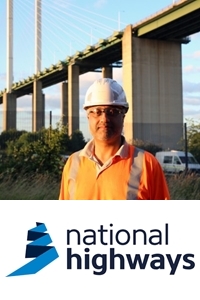
Designing sustainable roads: Embedding net zero from the start
How can mega-projects radically reduce construction emissions before a single excavator arrives on site? Delivered by the Lower Thames Crossing delivery team, this session explores how low-carbon design choices, strict procurement mandates, and alternative material selection are being used to establish a repeatable blueprint for net-zero infrastructure.

European Space Agency and National Highways Networking Hour
This networking session offers an informal opportunity to connect with peers and discuss the growing role of space-based technology in transport. Delivered by the European Space Agency and National Highways, the hour focuses on how satellite data, asset monitoring, and connectivity are shaping the future of the strategic road network.

Introducing the new Code of Practice: Well-managed Highway Infrastructure
This session will launch the new Code of Practice, bringing together the latest asset management practices from across the sector. Delivered by the Department for Transport and the UK Roads Leadship Group, it provides practical guidance to help local authorities implement a standard risk-based framework to justify funding and prioritise interventions across aging network assets.

Panel: Digital resilience: How technologies are future-proofing the road network
Moving advanced digital architecture from isolated trials into business-as-usual operations is key to protecting the strategic road network from severe weather and capacity constraints. This session focuses on the scaling of digital twins and sensor intelligence to enable predictive, automated maintenance across major routes.





Scotland’s road investment pipeline: Major projects and the evolving political landscape
This session, delivered by Transport Scotland, details how the agency is navigating shifting political priorities, statutory traffic reduction targets and funding models to secure network resilience. Attendees will understand how the new ten-year strategy rebalances capital investment between essential safety upgrades on the A9 and A96 and broader carbon reduction commitments.
Women in Transport Panel: Navigating allyship in the transport and construction industry
How can male colleagues and leadership teams move from passive support to active advocacy to improve retention and career progression for women in the sector? Delivered by Women in Transport, this panel shares practical strategies for building inclusive site and office cultures, breaking down systemic barriers, and developing effective allyship frameworks.



Building climate resilience into local roads
How can local highway authorities move beyond emergency response and embed climate resilience directly into long-term asset management budgets? Featuring a short briefing on the upcoming joint guidance from the DfT, CIHT, and Local Partnerships, this interactive session and panel discussion explores practical strategies for local authorities and their supply chains to adapt networks against extreme weather and secure future infrastructure funding.

Delivering social value through road infrastructure
How can major highways projects move beyond simple compliance metrics to deliver tangible, long-term benefits for local communities? This session explores how authorities and contractors are reshaping procurement to create targeted employment opportunities, support local supply chains, and build lasting economic and social legacies through road infrastructure investment.
Supporting more homes: How the SRN can enable new towns and development
Integrating massive housing developments with the strategic road network requires a fundamental shift in how transport capacity and spatial planning intersect. Delivered by National Highways, this session focuses on the practical funding mechanisms, infrastructure models and planning collaborations needed to unlock land for new towns without paralyzing existing traffic flows.
Purchasing for good: Making it easier for SMEs to supply National Highways
How can small and medium-sized enterprises break through complex procurement processes to secure a share of the major highways investment pipeline? Delivered by National Highways, this session outlines the agency’s practical steps to strip away traditional bidding barriers, increase pipeline visibility, and leverage updated frameworks and purchasing systems to make public sector supply chains genuinely accessible for SMEs.

Better driver experiences, reducing community disruption
Deploying digital worksite data to major satellite navigation platforms allows traffic management to actively reduce driver frustration and cut local emissions. Delivered by BUKO Digital, this session focuses on how real-time data synchronisation and targeted road-user messaging can slash resident complaints, lower traffic volumes around roadworks and improve site safety.
Panel: Home Safe and Well across the highways sector
Centred around National Highways’ flagship initiative, this panel session explores how clients, Tier 1 contractors, and the wider supply chain are collaborating to embed ownership, drive leadership accountability, and ensure everyone working on or using the road network gets home safe and well.


Delivering better journeys: Putting communities and users first
Aligning major network investments with community needs requires highways planning to actively incorporate active travel and public transport connectivity from the outset. Delivered by the Campaign for Better Transport, this session focuses on the practical planning frameworks and funding mechanisms needed to prioritise modal shift and create a truly inclusive, passenger-focused road network.

Panel: Adaptation and resilience: Preparing the road network for a changing climate
Shifting focus from short-term storm recovery to systemic climate adaptation is essential for protecting critical infrastructure from escalating severe weather events. This panel session, featuring Transport Scotland, National Highways, and South Gloucestershire Council, explores how operators are mapping climate risks, upgrading engineering standards, and building long-term operational resilience across the UK's road network.





Panel: Delivering better outcomes through collaboration
Breaking down traditional commercial silos is essential for local highway authorities and Tier 1 contractors to unlock maximum value from tight regional budgets. This panel session explores the real-world mechanics of collaborative procurement, sharing risk on major maintenance schemes, and creating joint regional strategies that improve asset condition and community outcomes.



Panel: Using tech to drive efficiency: From design to delivery
How can engineering teams and contractors move beyond the AI hype to deploy machine learning tools that actually speed up project timelines and reduce construction errors? This panel session brings together industry leaders to discuss the practical implementation of AI across the project lifecycle, from automating early-stage design variations and optimising planning permissions to predicting site risks during real-time delivery.

PIARC Panel: What can the UK learn from international road networks?
Adapting international breakthroughs to the UK’s distinct regulatory and funding landscape is essential for accelerating decarbonisation and boosting network resilience. This panel session, delivered by PIARC (World Road Association), focuses on the practical frameworks required to translate global asset management innovations into scalable, localized improvements across the UK road network.
Panel: From reactive to preventative: Managing assets for long-term performance
How can the roads sector shift away from costly, reactive maintenance toward a truly proactive approach to network management? This panel brings together experts to discuss how predictive data models, targeted interventions, and lifecycle planning can maximise funding and dramatically reduce traffic disruptions.


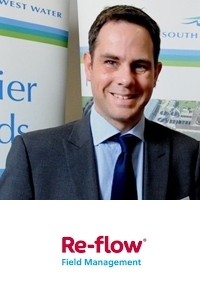
Incursions: Keeping our frontline workers safe
Incursions(including blue lightincursions) into roadworks pose a significant risk to our frontline workers.
Recognising the opportunity to raise awareness across the emergency services and road worker communities, the public and private sectors have collaborated to create a series of awareness videos to help keep emergency responders, roadworkers and members of the public safe.
PIARC, the world road association understand that work zones present persistent challenges worldwide and are supporting the initiative bysharing Road Safety good practice and learningon a global level.
Join us to hear more from those who have led this initiative from concept to delivery.

The “structures moonshot” project
How can advanced technology eliminate the need for disruptive road closures while protecting ageing infrastructure? Delivered by National Highways, this session details the Structures Moonshot project, a major initiative trialling advanced non-destructive testing, muon tomography, and AI to spot hidden defects in post-tensioned bridges and concrete half joints before they cause network delays.
Create your personal agenda –check the favourite icon
Keynote Panel: Digital, data and AI: Turning innovation into real-world application
How can the highways sector bridge the gap between pilot schemes and network-wide deployment of digital technologies? This keynote panel brings together industry leaders to discuss the practicalities of scaling up innovation, exploring how to overcome data silos, address workforce skills gaps, and establish the commercial frameworks needed to turn AI and digital twins into standard operational tools.

Keynote address from the Active Travel Commissioner from Greater Manchester
How can major urban centres successfully integrate walking, wheeling, and cycling into the heart of a unified public transport network? Delivered by Greater Manchester’s Active Travel Commissioner, Dame Sarah Storey, this keynote address explores the real-world delivery of the Bee Network vision, detailing how universal accessibility, road danger reduction, and connected infrastructure are being used to drive shift away from short car journeys.

Keynote Panel: Safety: A whole-system approach to the road network
How can the industry align infrastructure investment with the Department for Transport’s latest policy direction to drastically reduce network casualties? This keynote panel brings together policy makers and sector leaders to discuss the practical implementation of the DfT’s newly released Road Safety Strategy, exploring how the supply chain can operationalise its 2035 target of a 65% reduction in killed and serious injuries by embedding the Safe System approach across the network.



Moving the dial on customer behaviour: National Highways’ recent marketing campaigns
Deploying data-driven customer-focused campaigns allows strategic road operators to target and reduce preventable breakdowns, which are a major cause of delay. Delivered by National Highways, this session reviews the measurable impact of recent marketing initiatives and targeted driver communication.

Signals and Shifts: Market forces driving integrated infrastructure for housing delivery and economic growth
What economic and structural forces are changing how we fund and deliver the infrastructure needed for new housing? Delivered by Arcadis, this session assesses how local authorities and developers can better align market pressures with integrated transport planning to support long-term regional growth.

Panel: Addressing the skills gap in highways: Attracting new talent, upskilling, and bridging the gap
Securing a diverse, highly skilled workforce is a critical priority as the roads sector transitions to digital and green technologies. This panel addresses the practical recruitment strategies, apprenticeship models and cross-industry initiatives needed to build a resilient talent pipeline for future infrastructure delivery.



Panel: Cleaner water, stronger partnerships: Sustainable solutions for managing roads run-off
How can the highways sector better manage extreme weather events while preventing untreated runoff from polluting local ecosystems? This panel session discusses the practical engineering and regulatory challenges of maintaining aging drainage infrastructure and scaling up sustainable nature-based solutions across the network.



Panel: Connected and autonomous vehicles: From vision to reality
How are local authorities and fleet operators preparing physical and digital roadside infrastructure for the commercial deployment of self-driving vehicles? This panel session addresses the immediate regulatory, safety and funding challenges that must be overcome to integrate connected and autonomous technologies into the existing UK transport network.

Panel: Deliver or lose out: How new funding rules and public demand are reshaping local highways
How must local authorities adapt their asset management strategies to secure funding under tighter, outcomes-focused central government criteria? This panel session discusses how councils are balancing public pressure for immediate pothole repairs with the long-term investment needed to modern workforce demands and carbon targets.

Panel: Working in partnership: Delivering better outcomes for communities
How can closer collaboration between tier-one contractors, local authorities and community groups improve social value on major infrastructure projects? This discussion outlines practical ways to align commercial delivery with local needs, ensuring road schemes leave a positive, measurable legacy for the communities they impact.



Panel: Materials innovation: What delivers and what doesn’t?
What are the real-world performance benefits of alternative materials when subjected to heavy traffic and extreme weather? This panel addresses the balance between sustainable material innovation and proven durability to determine which emerging technologies are genuinely ready for network-wide adoption.
Panel: The Roads Research Alliance: From research to reality, what’s happening next?
How can the highways supply chain quickly adopt academic research to solve pressing safety, carbon and asset management challenges on the network? This panel session highlights how the collaboration bridges the gap between laboratory innovation and site deployment, outlining the next phase of live trials and commercial applications.
Upcoming opportunities within National Highways' procurement pipeline
What upcoming contract opportunities, framework structures and commercial priorities will define the strategic road network's next investment period? Delivered by National Highways’ Director of Indirects and Roads Procurement, this session outlines the future purchasing pipeline and explains how the supply chain can align with updated safety, carbon and delivery standards.
Keynote Panel: Customer and user experience: Are we getting the basics right?
Are highways authorities balancing major capital investments with the day-to-day essentials like smooth surfaces, clear signage and reliable journey times? This keynote panel evaluates current satisfaction levels and discusses practical strategies to ensure routine maintenance meets the expectations of both commercial operators and the public.



Enabling real time traffic management and incident response
How can operators use real-time vehicle and infrastructure data to predict congestion, manage incidents and keep traffic moving safely? This session discusses how connected roadside technologies and advanced analytics enable control centres to make faster, more accurate operational decisions across the network.
GLA’s Dig Once strategy: reducing streetworks disruption through collaboration
How can utility companies, London boroughs and delivery partners collaborate to minimise streetworks disruption across the capital? This session explores the GLA Infrastructure Coordination Service’s Dig Once strategy, demonstrating how a coordinated approach to streetworks improves network efficiency and benefits local communities. Using data and proven case studies, the session provides practical insights on how to embed this collaborative model into future project delivery.
Panel: Delivering major transport projects differently
How can the sector overhaul delivery models to stop major infrastructure schemes overrunning on time and budget? This panel session addresses how client organisations and the supply chain are restructuring risk, procurement and contract management to prevent costly delays and improve project predictability.
Panel: Social value in practice: Delivering real outcomes for communities
How can National Highways, local authorities and tier-one contractors move beyond checklist compliance to deliver measurable, long-term economic and social benefits to local areas? This panel session discusses the practical challenges of capturing social value data, engaging marginalised groups and embedding meaningful community benefits into projects

The power of procurement: How organisations can use their buying power to make roads safer
How can National Highways use contract specifications and supplier selection criteria to enforce higher safety standards across the supply chain? Delivered by National Highways, this session discusses how strategic purchasing decisions can mandate safer fleet operations, better vehicle technology and improved site practices on major projects.
The role of public transport and bus franchising in network efficiency
How can metropolitan authorities use bus franchising models to better integrate local transport networks and reduce private vehicle congestion? This session looks at the practical operational and financial challenges of taking control of local bus networks and the impact this model has on overall network efficiency and regional economic growth.
A lean approach to carbon reduction in local authority highways inspections

Freight and logistics: Keeping the economy moving
How can the road network better adapt to the needs of the freight and logistics industry? This session explores the infrastructure upgrades, urban congestion solutions and zero-emission fleet support required to keep goods moving efficiently and sustain national economic growth.

Seeing the network differently: Satellite, sensors and remote data
How can highways authorities leverage satellite imagery, IoT sensors and remote data analytics to monitor asset condition and predict maintenance needs without boots on the ground? This session looks at how shifting from manual inspections to data-driven, remote monitoring improves worker safety, cuts costs and enables proactive network management.

“We had good quality meetings – some refreshing existing relationships and some new”
“It's a great event for making and building connections”
“The event is very professionally run and useful to make new contacts”
“We are entirely happy with the quality of the event overall and the level of attendance generated by organisers”
“It was a hugely successful event for us. There were so many talks going on through the day that kept it interesting as well which was fantastic”
“Really excellent event this year”
“A good mix of stands, a diverse agenda and interesting guest speakers / panellists”
“Ample range of stakeholders representing the core of the industry”
“Overall an excellent exhibition with lots of footfall on our stand and many interesting panels and speakers to listen to on the various stages.”
Get Involved at
Highways UK 2026


TO EXHIBIT OR SPONSOR
Tom Morris
tom.morris@terrapinn.com
Francesca Tibbett
francesca.tibbett@terrapinn.com
TO SPEAK
Lucy Matthews
lucy.matthews@terrapinn.com
Marketing & Press
Alicia Brown
alicia.brown@terrapinn.com
Created by


Terrapinn is proud to be a member of isla.
Working together to build sustainable events