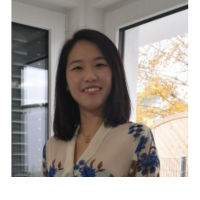
Tina Wang | Director, HTA programme and Strategic Partnership
Center for Innovation in Regulatory Science

I am Director of the HTA Programme and Strategic Partnerships at the Centre for Innovation in Regulatory Science (CIRS), an independent, not-for-profit organisation, where I lead global HTA strategy, policy research and international engagement.
My work focuses on the intersection of regulatory decision-making, HTA, evidence generation and patient access. Through comparative policy research and international benchmarking, I examine how regulatory, HTA and reimbursement systems are evolving, how healthcare archetype, decision processes differ across markets, and how reforms reshape decision-making, evidence expectations, medicines development and patient access. I work closely with senior decision-makers and stakeholders across global regulatory agencies, HTA and payer bodies, industry, academia and patient organisations. By bringing these perspectives together in a neutral environment, I lead international research and policy dialogue on shared challenges and emerging priorities in HTA.
A distinctive focus of my work is China’s rapidly evolving pharmaceutical innovation, regulatory and reimbursement landscape, including the globalisation of China-origin medicines and the implications for international development, evidence and access strategies.
Appearances:
Day 2 @ 13:45
Panel: From Different Perspectives to a Shared Goal: Improving Timely Patient Access
Timely patient access remains a challenge, particularly in oncology and rare diseases, where delays in diagnosis, evidence generation, assessment, and reimbursement can have significant consequences for patients.
This panel brings together perspectives from regulators, HTA bodies, patient advocates, and industry to explore how different stakeholders can contribute to a shared goal: improving patients access appropriate treatments as early as possible. Rather than focusing on policy change, the discussion will highlight practical actions that can make a meaningful difference today.
The panel will explore:
Why time matters for patients, particularly in oncology and rare diseases.
Barriers patients face from diagnosis to treatment access.
How uncertainty can be managed when evidence is limited.
Small, practical actions that can improve timely patient access today

Created by


Terrapinn is proud to be a member of isla.
Working together to build sustainable events