Graeme Ladds | CEO
PharSafer
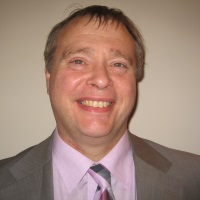
With a first degree in Biochemistry and Pharmacology, and a Ph.D. focusing on drug metabolism and Pharmacokinetics, Graeme has worked in the areas of Drug Safety and Medical services for over 35 years.
Having worked as a Head of Global Pharmacovigilance for a multi-national innovator Company and EU QP PV for several of the top ten Pharma Companies, large generic and smaller innovative Pharma, Graeme is the CEO and Owner of PharSafer® – a position held for the last 21 years – and has taken many products from bench to clinical to post-marketing in many global markets; helping many small start-up Companies (Biotech, Advanced Therapy, Medical Device, Biologic, Generics, Herbal, OTC) in their planning and growth, due-diligence activities for product in-licensing and marketing, and development strategies with partner and distributor Companies.
Graeme has also been involved in many global audits (conducted) and inspections (taken part in) for clients and also database designs and development that have been commercialised.


Created by


Terrapinn is proud to be a member of isla.
Working together to build sustainable events