Dervla Loughnane | CEO
Virtual Psychologist
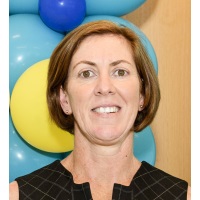
Dervla Loughnane is an accomplished healthcare entrepreneur, business leader and registered psychologist with more than 26 years of experience across applied psychology, organisational wellbeing, behavioural science and digital health innovation. As Founder and CEO of Virtual Psychologist, an Australian-founded national digital mental health company established in 2017, Dervla has spent almost a decade challenging traditional models of psychological service delivery. Her vision is to make mental health support more accessible, responsive and inclusive by using technology to remove barriers to care and put human connection at the centre of the healthcare experience. Virtual Psychologist delivers innovative psychological services nationally through a technology-enabled platform that connects individuals with qualified mental health professionals via text, messaging, audio and video. Building on this model, Dervla has championed the integration of wearable technology and physiological data to create a more holistic understanding of mental wellbeing, connecting indicators such as sleep, heart rate variability, activity and stress with psychological health and behavioural patterns. More recently, through The Human Performance Company (HPC), Dervla is extending this philosophy beyond traditional mental health services into proactive prevention, human performance and workforce wellbeing. Combining neuroscience, behavioural science, wearable intelligence, personalised coaching and clinical expertise, HPC aims to help individuals and organisations better understand the relationship between physical health, cognitive performance, stress, recovery and psychological wellbeing. The approach recognises that healthcare must evolve beyond responding to illness and increasingly focus on identifying risks, supporting behavioural change and optimising wellbeing before problems escalate. A passionate advocate for innovation with a human purpose, Dervla believes technology should enhance rather than replace human connection. Her work explores how collaboration between healthcare professionals, technology providers, employers and policymakers can create more integrated and person-centred models of care, particularly for people who are underserved by traditional healthcare systems.
Appearances:
Day 2 @ 14:30
Therapy in Your Pocket: Are Mental Health Apps Helping or Just Keeping Us Busy?
AO Theatre

Created by


Terrapinn is proud to be a member of isla.
Working together to build sustainable events