Agenda
The website agenda is no longer being updated or used. Please refer to the Terrapinn Events App for the most recent version of agenda.

London, 17 - 18 March 2026
Schedule
Create your personal agenda –check the favourite icon
Welcome Remarks

Chair’s Opening Remarks

Past, Present and Future of Gene Therapy: How far have we come?

Future-Proofing Your Supply Chain for Scalability: Aligning Early-Stage Decisions with Global Commercial Success

Keynote Panel Discussion: Navigating the Cell and Gene Therapy Landscape: Opportunities & Challenges for Driving Market Success








In vivo CAR-T: The manufacturing reality behind the promise

Chair’s Remarks: Alexander Natz, Secretary General, European Confederation of Pharmaceutical Entrepreneurs

Chair's Remarks: Alain Wagner, Director of Research, CNRS

Chair's Remarks: Chris Baldwin, Vice President, Manufacturing and Supply, Resolution Therapeutics

Chair's Remarks: Katie Binley, Chief Scientific Officer, ikarovec

Chair's Remarks: Lara Campana, SVP, Research and Translational Science, Resolution Therapeutics

Chair's Remarks: Miguel Forte, CEO, Kiji Tx

Chair's Remarks: Raphael G. Ognar, President & CEO, Co-founder, NKILT Therapeutics

Chair's Remarks: Ricardo Silva, Senior Scientist, iBET

Chair's Remarks: Roy Baynes, Executive Vice President and Chief Medical Officer, Eikon Therapeutics

Chair's Remarks: Sophie Mountcastle, Programme Manager, Medical Research Council

A not-for-profit approach to the pricing of an approved ex-vivo gene therapy

Behind Allogeneic Cell Therapy: The Critical Role of Donor Registries and the WMDA in Starting Material
Building a scalable iPSC platform for the future
Building an academic pipeline

Cell therapy optimisation: Sourcing and engineering
Engineering the biology of AAV secretion

Gene therapy for kidney disease

Leveraging CIR technology to accelerate and improve access to off-the-shelf cell therapies for cancer patients

Stop fighting your software: More Science, Less Admin
Digital transformation used to be a biotech buzzword, cited in strategic objectives, but not impacting daily life in the lab. Now laboratory software is a foundational element of most biotech discovery workflows. Yet for many bench scientists, finding a software system that’s easy and intuitive to use, affordable, actually reduces their administrative burden, and combines all the digital functionality they need into a single system is still a tall order.
Developed in response to existing product frustrations, Lab Thread combines an electronic laboratorynotebook, molecular biology tools and project management functionality alongside real-time inventory management. Featuringcollaborativechat functionality and AI-driven search, Lab Thread was built to simplifyteam communication, connecting multiple software modules into a single, auditable digital thread that continues to evolve in response to user needs.

Creating sophisticated gene therapy solutions for chronic eye diseases
CRISPR directed gene editing for lung cancer delivered via inhalation

Digital models, shadows and twins for improving ATMP manufacturing

Expansion of autologous regulatory T-cells for treatment of Idiopathic Aplastic Anaemia patients: Insights on the TIARA Trial
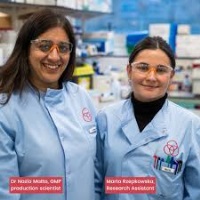
How to develop cell therapy programs in Latin America?

Operational considerations for cell therapy manufacturing

Reinventing AAV & Lentiviral Purification with Smart Polymers

Standardising process development for different cell therapy productions
The future of Advanced Therapies, a CDMO perspective

Update on the European and US Ecosystem for cell and gene therapies: What does the future of ATMP policy and access look like
Access timelines & Challenges for ATMPs and Oncology medicines in the Netherlands vs surrounding countries

Approaches to innate immunotherapy

Going Digital in 120 Days: How Leaders in Cell & Gene Therapies Are Going Digital And Leveraging AI for Smarter Manufacturing
1. Fast-Track Digital Investment
Real-world strategies ATMP companies used tosecure board approval for digital projects.
How leading innovators linkregulatory readiness, operational risk, and ROI/ROAto unlock funding.
2. Playbooks from Top-Tier Cell & Gene Manufacturers
Blueprints for success: Proven digital deployment frameworks from CGT pioneers.
Avoiding common pitfalls:Real World Examples ofScalable Implementation in GMP and GxP Environments.
3. Smart Factories, Smarter Decisions: Unleashing AI on the Shop Floor
How AI istransforming batch record management, deviation analysis, and tech transfer.
From dashboards to decisions: Practical examples ofAI-driven insights in action from PD to commercial.

In-Cell Western Assays as a Tool for Potency Evaluation in Drug Development

Keys to AAV manufacturing Success: Fast, robust and high-yield process development with DOE, Automated Bioreactors and selected critical raw materials
rAAVs are the preferred viral vector for gene therapy due to serotype-specific tropism, durable transgene expression and a growing number of approved and commercialized therapies. Manufacturers and developers are more than ever striving to simplify their manufacturing process whilst improving robustness and cost-effectiveness. Here we present a case study demonstrating the importance of selecting key critical raw materials such as transfection reagent FectoVIR®-AAV, and plasmid pPLUS®AAV-Helper for process performance, combined with a high-throughput production platform that integrates DOE with automated, single-use bioreactors to establish a scalable, high-yield rAAV upstream manufacturing platform suitable for preclinical and clinical supply.

Regenerative Macrophage Therapy for Inflammatory and Fibrotic Diseases

Surviving the valley of death: How can young companies succeed?

Topic TBC

Turning rare disease data into actionable knowledge

Chair’s Remarks: David Morrow, Scientific Lead for Advanced Therapies, EATRIS

Chair’s Remarks: Nicola Redfern, Director, NJ Redfern Ltd.

Chair's Remarks: Gerty Schreibelt, Assistant Professor / Immunologist, Radboud University Medical Centre

Chair's Remarks: Harris Makatsoris, Professor of Manufacturing, King’s College London

Chair's Remarks: Ivana Barbaric, Professor of Stem Cell Biology, The University of Sheffield
Chair's Remarks: Kerstin Papenfuss, Director Pharma, Deep Science Ventures

Chair's Remarks: Nisha Shaunak, Trust Head of Programmes, Advanced Therapies, Guy’s and St Thomas’ NHS Foundation Trust

Chair's Remarks: Patricia Longo, CMC Sr. Staff Scientist, Regeneron

Chair's Remarks: Stefanos Theoharis, Chief Executive Officer, OneChain Immunotherapeutics

Chair's Remarks: Tara Sadeghi, Chief Operating Officer, Cellenkos Inc.

Clinical development of NK cell therapies

Comparability assessments for AAV process changes
Engineering potent cellular therapies by modulating morphogenic signalling pathways

In vivo generation of therapeutic immune cells: CAR-T and Beyond

New methods for detecting replication competent AAV for gene therapy

Operational considerations of using cord blood as a cell therapy starting material

Point of care manufacturing: Challenges & Opportunities

Resilience by Design: Alternative Financial Models for Funding

The bumpy and uncertain road to access in the Netherlands

Where are we heading with exosomes?

ATMP commissioning in England: Latest insights

CAR WARS – The rise of in vivo CAR-T
CAR-T therapy targeting solid cancers

Engineering Armored CAR-T Cells to Overcome the Leukemic Microenvironment

HTAi insight: Rare disease interest group project

In vivo vs ex vivo manufacturing of lentiviral vectors – perspective born from experience

The imperative of institutional readiness in delivering CAR-T

Three costly mistakes to avoid with your assay design when approaching clinical trials
The Inserm We-Met platform, part of the French National Institute of Health and Medical Research, specializes in advanced functional biochemistry and high-resolution protein characterization. Leveraging cutting-edge technologies such as capillary electrophoresis and microfluidic systems, We-Met enables ultra-low sample consumption while maximizing analytical sensitivity and reproducibility—key parameters for robust assay development in clinical research.
This presentation will outline three high-impact errors that can compromise assay integrity and escalate costs in terms of time, resources, and sample availability:
- Sample Handling and Pre-Analytical Variability:From collection at investigator sites to biochemical extraction, improper sample preparation introduces systematic bias and jeopardizes downstream data quality.
- Reagent and Method Validation:Ensuring compliance with regulatory frameworks and guidelines such the ICH guideline M10 on bioanalytical method validation from EMA (European Medicine Agency) or FDA (U.S Food & Drug Administration), critical for assay reliability and regulatory acceptance.
- Quantification Accuracy and Reproducibility:Establishing rigorous controls for precision and reproducibility is essential to meet clinical trial standards and avoid costly rework.
Drawing on our experience in developing and validating complex assays—including one targeting a hexameric protein implicated in multiple sclerosis and post-COVID syndromes—we will provide a structured roadmap for mitigating these risks within an evolving regulatory landscape.

Why commercialising CGT manufacturing is harder than it looks

CMC perspectives for supply of ATMPs

Development of a preventive dendritic cell vaccine for hereditary cancer
Development of mesenchymal stromal cell therapy for type 1 diabetes

Development of novel gene regulatory elements for CNS gene therapy

Flexible evidence standards to improve access to cell therapies

Formulation and delivery of new modalities: Insight on viral formulation platforms

Gene modified cell therapy utilising gamma delta T-cells for the treatment of solid tumours

Key learnings for developing a viable commercial strategy for young companies

Manufacturing approaches for exosome therapeutics

Utilizing EU academic infrastructure for developing cell and gene therapies
A Novel Cell‑Selective Lentiviral Platform for ex vivo and in vivo CAR‑T Engineering

Accelerating Advanced Therapies: Practical Solutions to Achieve Manufacturing Success

Achieving a global approach to patient access for ATMPs and ultra-rare diseases

From Millions of Cells to Your Next Immunotherapy Lead

Monitoring of immune response with single cell technologies
Navigating tomorrow; Future proofing, resilience and risk mitigation in Cell and Gene Therapy Logistics
As the field of cell and gene therapies rapidly evolves, so too does the need for a robust logistics framework that ensures the safe and efficient delivery of these therapies to the patients whose lives depend on them. This presentation explores strategies for future proofing , resilience planning and risk mitigation in cell and gene therapy logistics. Key themes will include the importance of proactive contingency planning and risk mitigation, through enhancing collaboration among stakeholders at critical time points and the use of real time data analytics and advanced technologies. By fostering resilience in our logistics planning, we can mitigate risks associated with temperature sensitivity, regulatory compliance, supply chain variability and ultimately improve patient outcomes. Join us to discover actionable insights and best practices that can be applied to enable organizations to thrive in the dynamic environment of cell and gene therapies.

On target biologic payload delivery using engineered gamma delta T-cells

Presentation by Asimov

Application Tailored and Dissolvable Microcarrier for large-scale adherent cell and exosome manufacturing

Engineering Optimized AAV Capsids via AI-Guided In Silico Design

From uncertainty to insight: real-world evidence of advanced therapies in Wales

Maintaining Genomic Integrity in Human Pluripotent Stem Cells for Advanced Therapies
Panel Discussion: Harnessing Technological Innovation to Optimise Supply Chain and Logistics in Advanced Therapies



Stem cell derived macrophages for next-gen immunotherapies

The Extroducer and targeted delivery of clinical payloads: case studies

The impact of the new Point of Care and Modular manufacturing regulation on ATMP delivery in the UK

Update from Genethon: Applications of technological platforms

Use of CAR-T Regs for the treatment of autoimmunity and transplantation

A global vision for cell and gene therapy

Delivering the first Gene Therapy as standard of care in Wales

Development and Translation of TCR Immunogene Therapy for Cancer

Leveraging collaborative efforts to address market access & HTA obstacles

Multi-Modal Assays for High-Precision Translational and Regulatory Decision-Making in CGT
Navigating the complex journey of cell therapy manufacturing from lab to patient: the role of automated platforms

Presentation by 4basebio

Chair’s Remarks: Paolo Morgese VP Public Affairs, Europe, Alliance for Regenerative Medicine
Chair's Remarks: Andrew Palfreeman, Associate Director, R&D Lab Core & Operations, Quell Therapeutics Ltd

Chair's Remarks: Arsalan Wafi, Academic Clinical Lecturer, King's College London

Chair's Remarks: Diana Hernandez, Director of Immune and Advanced Therapies, Anthony Nolan
Chair's Remarks: Elena Beltrami, Investment Manager, Biotech Venture Advisors

Chair's Remarks: Michelle Levene, Managing Director, 161 Consulting

Chair's Remarks: Miguel Forte, CEO, Kiji Tx
Chair's Remarks: Paul Carter, Senior Director, MSAT, Quell Therapeutics Ltd

Chair's Remarks: Paulo Fernandes, Senior Director, Technical Operations, Spur Therapeutics

Chair's Remarks: Uta Griesenbach, Professor, National Heart And Lung Institute, Imperial College

Academic proposal for market authorization of CAR-T cells

Bridging discovery with development: Transitioning into a clinical biotech

Delivering Market-Responsive Capability for Early Phase and Advanced Clinical Development
The NIHR is taking decisive action to gain ground internationally in early-phase delivery, advancedmodalities. Hear plans to enhance our research delivery capability to execute the most advanced, complex and high-value commercial studies at pace—and to pivot that capability as science, pipelines and population need change. With a specific focus on early-phase and advanced modalities, vaccines and immune therapies, and oncology, learn how we are accelerating innovation and aligning our national research delivery capability to global drug-development trends and NHS unmet clinical need.

Developing a reference material to enable accurate and reliable detection of residual pluripotent stem cells in pluripotent stem cell derived mesenchymal stromal cell therapy products

Developing muscle specific gene therapy for rare neuromuscular disorders

Evidence and Access challenges for CAR-T therapies across Europe

Exploring the challenges of delivering immunotherapies at clinical sites

Scouting for innovative gene & cell therapies

State of industry for manufacturing of ATMPs in the UK

Suspension process for LVV manufacturing

ADC release mechanisms at the tumour
CAR finder technology for rapid cell therapy development
Considering launch in Rest of World? What to look out for in pricing and access beyond core markets

Developing gene therapy for metabolic diseases

Engineered bacteria to enhance immunotherapy responses

IMPACT: Irish Medicines Centre for Personalised Advanced Cellular Therapeutics

Successful upscaling strategies in adenovirus manufacturing

The Safety Journey for Advanced Therapies – Innovation Over Effort
Objectives:
- Recognise why traditional pharmacovigilance models are often poorly aligned with the realities of advanced therapies.
- Understand where safety activities can create disproportionate effort without improving compliance or data accuracy.
- Evaluate how innovation-led approaches, including automation and streamlined workflows, can support complex modalities and small, diverse patient populations.
- Take away practical considerations for building scalable, compliant safety frameworks across the product lifecycle long-term.
Abstract:
Advanced therapies are redefining what good patient safety oversight looks like. Novel mechanisms of action, long-term risk potentials and limited clinical exposure place pressure on pharmacovigilance models that were built for products having a pharmacological activity, whilst regulatory expectations are evolving to accommodate such new scientific breakthroughs.
This session follows the safety journey of advanced therapies and challenges the assumption that stronger oversight requires more intense effort. Instead, it explores how innovation-led approaches, including automation, smarter workflows, and proportionate safety design can simplify operations, strengthen compliance, enhance data accuracy and support accelerated development without compromising patient safety.

Trials and tribulations of setting up a ultra-rare diseases charity

Barriers to diagnosis: Using data to unlock better access to healthcare

Considerations for QC programme development in cell therapies
Developing innovative cell therapies for solid tumours and autoimmune diseases in resource-constrained settings

Developing technology for the long-term preservation of biologics

Development of iPSC derived CAR-NK Cells for Immunotherapy

From start-up to a publicly traded company

Integrated continuous biomanufacturing of AAVs

Latest update on Joint Clinical Assessments

Next generation gene writing platform for cell & gene therapies

Shaping the Future of Regenerative Medicine: Unlocking the potential of allogenic therapies

A novel ex vivo engineered monocyte-based therapy for peripheral arterial disease

Antibody engineering to account for the tumour interface with the immune macroenvironment

Exploring the regulatory challenges delivering cell and gene therapies in the NHS

Industrialization of iPSC-Derived Allogeneic Cell Therapies: Challenges and Breakthroughs?
Induced pluripotent stem cell (iPSC)–derived allogeneic immune cell therapies are poised to transform immuno-oncology, but broad adoption depends on scalable, reproducible, and cost-efficient manufacturing. This presentation highlights the industrialization of iPSC-derived NK and T-cell therapies through Cellistic’s Echo™-NK and Echo™-T manufacturing platforms.
Echo™-NK and Echo™-T address key limitations of donor-derived and autologous approaches by enabling standardized, closed, and automated bioprocesses that support consistent product quality and predictable performance from early development through commercial scale. High-density expansion and robust differentiation workflows significantly reduce manufacturing complexity and cost of goods while maintaining stringent quality attributes. Integrated control strategies ensure consistent identity, potency, and regulatory readiness. Together, these platforms enable the transition from bespoke cell therapy manufacturing to industrialized, commercially viable allogeneic immunotherapies.
www.cellistic.com

Operationalizing Patient Engagement in Gene Therapy Development

Realising the value of patient & public involvement

Trends in access barriers for advanced therapies in the UK

Panel Discussion: Advancing Cell Therapy Manufacturing: Embracing AI, Automation and Digitalisation



Panel Discussion: Broader Applications for Gene Therapies



Panel Discussion: Engaging with Patients to Improve Access and Affordability


Panel Discussion: Exploring the Evolving Landscape of Viral Vector Manufacturing






Panel Discussion: Exploring the Latest Challenges and Opportunities for Cell Therapies

Panel Discussion: New Frontiers in Cell Therapy: In-Vivo Engineering

Panel Discussion: Opportunities and Challenges of Investing in ATMPs: Insight on the Latest European and Global Trends





Panel Discussion: Perspectives on the EU Joint Health Technology Assessment: Is the JCA fit for purpose?

Panel Discussion: Revolutionising Cancer Treatment: Innovations in Immunotherapy


Panel Discussion: Top Tips for Attracting Investment


Create your personal agenda –check the favourite icon
Chair’s Opening Remarks

The Day After: Turning Headlines into Value in Biotech M&A

Where are we heading with AI for Cell and Gene Therapies?
Delivering next generation regenerative medicine through bioengineering

Fireside Chat: The first successful treatment of Huntington’s disease with a gene therapy


Chair's Remarks: Adam Brown, Associate Professor, The University of Sheffield

Chair's Remarks: Amanda-Jayne Carr, Associate Professor, UCL Institute of Ophthalmology

Chair's Remarks: David James, Professor of Bioengineering, Sheffield University

Chair's Remarks: Gaurav Bhavsar, Technical Director, Gene Therapy Vector Facility (GTVF), King’s College London

Chair's Remarks: Giorgia Santilli, Associate Professor in Gene Therapy, UCL Great Ormond Street Institute of Child Health
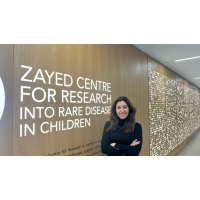
Chair's Remarks: Heather Main, Co-founder, HOYA Consulting

Chair's Remarks: Marcello Maresca, Senior Director - Genome Engineering, AstraZeneca
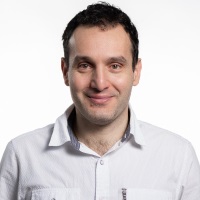
Chair's Remarks: Reuben Benjamin, Clinical Senior Lecturer, King's College London

Chair's Remarks: Roberto Nitsch, Director, AstraZeneca

Chair's Remarks: Vicki Coutinho, Managing Director & Consultant, Geni Consulting

AAV platform process development
Achieving early-stage clinical success

Drug screening for HDR

From idea to reality: How do you spin out a new cell therapy platform?
Global manufacturing footprint from build to commercial scale-up

Improving Prime Editing Repair Outcomes by DNA Repair Modulation
Neurosurgical delivery of ATMPs to human brain in early-phase first in-human clinical trials

Putting the patient front and centre: Delivering on the promise of cell therapies
Regulatory update on ATMPs: Adapting to the evolving landscape

Treating 1 in 2500: Tackling diseases of the peripheral nervous system

Advancing In Vivo CAR-T Therapies: CDMO Strategies Integrating LVV Delivery and mRNA-tLNP Platforms
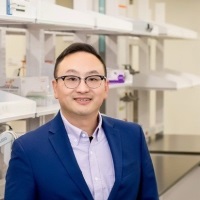
Beyond the protocol: Setting yourself up for clinical trial success

Decentralized Manufacturing of ATMPs: Navigating Regulatory Innovations and Strategic Partnerships for Enhanced Patient Care
In the dynamic realm of healthcare regulation, economic and innovative drives are increasingly linked, prompting regions like the US, EU, and UK to seek independence and enhance their biomedical appeal through supportive regulations. A significant advancement is the UK's 2025 implementation of a framework for decentralized manufacturing of Advanced Therapy Medicinal Products (ATMPs) near the point of care, ensuring timely patient access. This model connects localized units to a central "Mothership" site, though approval is needed when centralized methods are impractical, limiting immediate benefits for many ATMPs.
Transforming manufacturing and testing protocols is vital to meet new demands, with closed-system manufacturing and rapid microbial testing becoming essential for modular environments. The handling of raw materials, including off-the-shelf options like cell culture media and cytokines, impacts decentralized technology implementation. Automation and computerized data analysis are crucial, placing more responsibility on manufacturers, particularly the Qualified Person (QP), to ensure compliance and efficacy.
Strategic partnerships are vital to support centralized and decentralized manufacturing. Companies like Sartorius offer technological innovations and comprehensive support, helping navigate regulatory complexities and optimize processes. Such partnerships enable manufacturers to adapt to regulatory changes, enhance production capabilities, and efficiently deliver advanced therapies to patients despite potential regulatory delays in regions like the EU and US.

Evolution of gene therapy for inherited immune disorders
From Causes to Consequences: Decoding Off‑Target Events in CRISPR Gene Editing using INDUCE-seq
- Unbiased, genome-wide mapping of gene-editing–induced DNA breaks using INDUCE-seq, a PCR-free, cell-based assay with single-nucleotide resolution.
- INDUCE-seq accelerates discovery and preclinical decision-making by delivering high signal-to-noise, reproducible on- and off-target data in days, not weeks, across therapeutically relevant cell types.
- Enables earlier de-risking of gene-editing programs, with data that supports guide selection, modality comparisons, and emerging regulatory expectations for genome integrity.

GMP-compliant up-scaling of an optimized feeder-free CAR NK cell expansion protocol

Matrix production for cell and gene therapies

Modified cell therapies to overcome solid tumours

Reducing CMC risks and ensuring process scalability for Phase 3 readiness of vididencel, a cell-based active immunotherapy for myeloid blood cancers - Case study co-presented by Mendus & NorthX Biolog


Scaling-up start-ups towards clinical trials

Autologous and allogenic CAR-Ts for haematological and solid tumours
Developing therapeutics oligonucleotides for reactivating genes

Development of skills and training resources: Insight from the Innovation Hub for Gene Therapy

Enabling high-throughput production of uniform cell aggregates by harnessing in-air microfluidics

Exosomes for targeted drug delivery: Unlocking the potential of gene editing complexes

Lentiviral Vector Manufacturing
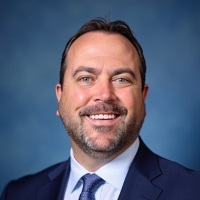
Regulatory Approval & Quality Assessment of ATMPs

Stem cell application in musculoskeletal disorders

Stem cell derived extracellular vesicles as a substitute for cell therapy

The master file model for qualifying materials
A unique immuno-modulatory platform to rejuvenate immune competence & overcome treatment resistance

Analytical methods for oncolytic viruses and their use to elucidate structure function relations

Can Europe compete? What the EU Biotech Act delivers for the ATMP industry

Cell free stem cell therapy 2.0: Clinical potential of MSC-EVs

Challenges and strategies for the development of a bicistronic AAV gene therapy for ocular disorders

Critical considerations for successful ATMP development: Academic bench to commercial bedside

How to create the optimal immune milieu for optimal effect Immune Effector Cells

Increasing Your Chance of Approval: Learning from Past Mistakes

Quality control considerations in iPSC gene editing

Scaling cell therapies for cardiac and neurologic diseases

Chair's Remarks: Adam Brown, Associate Professor, The University of Sheffield
Chair's Remarks: Heather Main, Co-founder, HOYA Consulting
Chair's Remarks: Leila Abbas, Preclinical Lead, Rinri Therapeutics

Chair's Remarks: Manal Mohammed, Senior Lecturer (Medical Microbiology), University of Westminster

Chair's Remarks: Marcello Maresca, Senior Director - Genome Engineering, AstraZeneca
Chair's Remarks: Patrick Hopkinson, Independent HTA Expert
Chair's Remarks: Piers Walser, Research Scientist, Clinical Biotechnology Centre, NHS Blood and Transplant

Chair's Remarks: Roberto Nitsch, Director, AstraZeneca
Chair's Remarks: Sara Benedetti, Group Leader, Assistant Professor in Gene Therapy, UCL
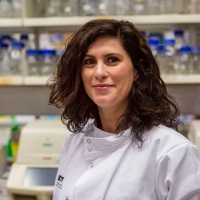
Chair's Remarks: Vicki Coutinho, Managing Director & Consultant, Geni Consulting
Compassionate Use and Transition of Care for Paediatric Patients


Development of viral plasmids for AAV manufacturing
Ongoing research into Gene Therapy Standards
Panel Discussion: Autologous vs. Allogeneic Approaches



Panel Discussion: Building the ATMP Workforce of the Future: Improving Skills, Diversity and Training






Panel Discussion: How can the Uptake of Approved CAR-T Therapies be Improved: Addressing Supply Costs, Access and Other Barriers?


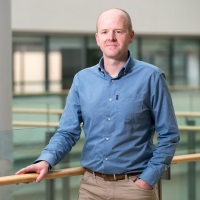

Panel Discussion: Innovation In Gene Editing - Leveraging Platform Technology to Enhance Development Efficiency






Panel Discussion: Key Learnings for Successful Company Creation and Spinning Out


Panel Discussion: Manufacturing Strategies: Decentralised Vs. Centralised Approaches for Cell Therapies


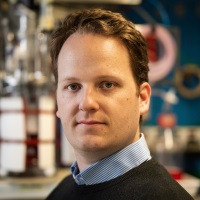


Panel Discussion: Navigating the Global Regulatory Landscape for Commercial Approval





Designing next generation adsorbent materials for viral vector manufacturing

Development of innovative in vivo CAR-T therapies: From the bench to the clinic

Lentiviral vector manufacturing

Automated CAR-T manufacturing assisted by AI


CRISPR modification of NK cells

Curing blindness: Cell therapy for AMD
Enabling precision editing through modified CRISPR Cas systems
Perspectives from pharmacy: Accelerating clinical trials set-up and delivery

Standardisation for scientists in basic research in regenerative medicine

Talent investor readiness for start-ups

Unpicking AAV ocular inflammation to improve outcomes for gene therapy
Using lipid systems biology towards diagnostic and therapeutic gain

Chair's Remarks: Abdullah Khan, Radcliffe Department of Medicine Principal Investigator, MRC WIMM Research Fellow, University of Oxford

Chair's Remarks: Claudiu Cozmescu, Postdoctoral Researcher, Gissen Lab, UCL

Chair's Remarks: Darius Widera, Professor of Stem Cell Biology and Regenerative Medicine, University of Reading
Chair's Remarks: Giandomenico Turchiano, Associate Director, Cell & Gene therapy Safety, AstraZeneca
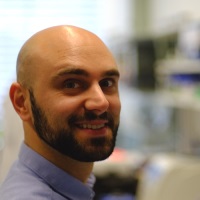
Chair's Remarks: Giovanni Rizzo, Partner Biotech Fund, Indaco Venture Partners
Chair's Remarks: Heather Main, Co-founder, HOYA Consulting
Chair's Remarks: Marcello Maresca, Senior Director - Genome Engineering, AstraZeneca
Chair's Remarks: Paul Gissen, Professor in Paediatric Metabolic Diseases, University College London and Great Ormond Street Hospital

Chair's Remarks: Sara Benedetti, Group Leader, Assistant Professor in Gene Therapy, UCL
Chair's Remarks: Vicki Coutinho, Managing Director & Consultant, Geni Consulting
Assessing the clinical efficacy of immunotherapies using engineered human model systems
Breaking Free from Viruses: Developing a Scalable Non-Viral Platform for HSC Gene Therapy Using CRISPR/Cas9 and Sleeping Beauty Transposon Delivered via Nucleofection or Lipid Nanoparticles

Decentralised CAR-T manufacturing
Diagnosing and addressing manufacturing bottle necks
Engineering next generation T-cells for cancer immunotherapy
Genomic stability and DNA repair after gene editing
In vivo lentiviral gene therapy for cholestatic disorders
Latest update on EU policies for ATMP development

Panel Discussion: Considerations for Successful Clinical Trial Design


Process development and intensification of NK cell production in stirred tank bioreactors
Developing a perfusion process for lentiviral vector manufacturing

From academic research to innovative ideas: Turning research into meaningful results
Gene editing to the retina: From in vivo to 3D retinal organoids
Going further: Cynata’s pursuit of developing potent regenerative cell therapies for global use
Programmable gene silencing technology for next-generation advanced therapy development
Targeting the blood-brain barrier to improve CNS delivery of hematopoietic stem cell gene therapy for metabolic disorders
The Latest Developments in Regulation for Advanced Therapy Medicinal Products
The need for bespoke quality analytics in developing iPS cell therapeutics
Using AI to develop personalised cancer vaccines

AAV gene therapies: Solving the challenge of neutralising antibodies

Accelerating the discovery of novel CAR-T
AI-Driven Excellence in GMP Manufacturing: Transforming Quality and Operations
Error-free genome editing for eradication of life-threatening persistent virus infections

Latest insight from King’s College London Gene Therapy Vector Facility

Leveraging technological innovation to support allogenic manufacturing
Optimising the antigen sensitivity of CAR-T cells
Requirements for Governance and Preparation of Gene Therapy

The Importance of Interacting with Regulators
Get Involved with Advanced Therapies Congress


Created by


Terrapinn is proud to be a member of isla.
Working together to build sustainable events