Jennifer Johnston | Cofounder and CEO
NysnoBio
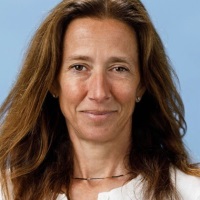
Dr. Johnston has been studying neurodegenerative disease for the last 20 years, starting with postdoc at Stanford which resulted in the discovery and description of Aggresomes. This discovery was the first example of cellular proteostasis demonstrating a link between the proteasome pathway and canonical neurodegeneration pathology phenotypes. At Elan Pharmaceuticals, Dr. Johnston lead over 15 programs in drug discovery for Parkinson’s disease resulting in a deep expertise in Parkinson’s disease. Loss of parkin protein is the most common autosomal recessive form of Parkinson’s Disease (PD) and because Parkin is highly validated in the protection of nigral neurons, my lab(s) have been focused on the development of Parkin therapeutics, using small molecules and gene therapy approaches. Our goal is to deliver a therapeutic to PD patients that will reverse the loss of dopamine neurons and restore function to change the course of disease. Towards that goal we have developed the first small molecule activators of Parkin enzyme activity, we have provided the first high resolution crystal structure of the parkin enzyme, we have discovered and described it’s novel HECT-like enzymatic activity with an unexpected active site cysteine, while maintaining a classical RING structure for E2 cofactor binding. We also demonstrated Parkin is an autoinhibited stress response protein, always in the autoinhibited state until activated by cellular cofactors. Our lab has provided the field with fundamental concepts, tools and reagents advancing Parkin research from the time the enzyme was discovered to the present, in the form of publications, patents and tool therapeutics. Currently, we are advancing genetic medicines for Parkinson's Disease, including Parkin and LRRK2 using small molecules and gene therapy.
Appearances:
Advanced Therapies USA 2025 - Day 1 @ 15:35
Insight on the Parkinson’s Disease Program: How targeting a genetic population enables entry into a larger market of sporadic PD?
Advanced Therapies USA 2025 - Day 1 @ 17:10
Panel Discussion: Broader Applications for Gene Therapies
Get Involved with the Advanced Therapies Congress
Created by


Terrapinn is proud to be a member of isla.
Working together to build sustainable events