Pascal Geldsetzer | Assistant Professor of Medicine
Stanford University
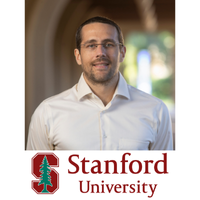
Pascal Geldsetzer is an Assistant Professor of Medicine at Stanford University and a Chan Zuckerberg Biohub Investigator. He has won an NIH New Innovator Award to investigate the feasibility of applying causal effect estimation techniques from the social sciences to clinical research questions. As part of this work, he has led quasi-randomization studies that have consistently and repeatedly shown a protective effect of shingles vaccination for mild cognitive impairment, dementia, and dementia progression. By taking advantage of specific date of birth-based eligibility rules that divided individuals who differed in their age by only a week into being eligible or ineligible for shingles vaccination, his group has been able to provide evidence that is far more robust to confounding than standard observational analyses. Given the potential significance of these findings for population health, his group is entirely focused on furthering their research on the potential link between shingles vaccination and dementia. Dr. Geldsetzer has earned a PhD and MPH in epidemiology and statistics from Harvard University and a medical degree from the University of Edinburgh. He is currently the Principal Investigator for three NIH R01 grants, a Chan Zuckerberg Biohub investigatorship, as well as an NIH (NIAID) New Innovator Award.
Appearances:
Pre-Congress Workshops - Monday 30th March @ 10:00
CHRONIC DISEASE, AUTOIMMUNITY & THE VIROME WORKSHOP (AM)
Exploring the drivers and development of vaccines against non-infectious disease targets
- Virome Discovery: Mapping the Invisible Drivers of Disease
- Uncovering the Immune Landscape of Autoimmune Disease: From Parkinsons to ALS
- Vaccines for autoimmunity
- The shingles vaccine and dementia: A causal relationship?
Panel: Adjuvants and Immunity: Exploring Systemic Benefits Beyond Zoster
- - Beyond Shingles: Explore emerging data linking zoster vaccines to reduced risks of cardiovascular disease and Alzheimer’s.
- - Immunological Insights: Discuss how zoster vaccines adjuvant systems may drive systemic immune benefits beyond zoster prevention
- - Correlates of Protection: Identify immune markers that may explain long-term protection and -potential cross-disease benefits.
- - Public Health Implications: Debate whether zoster vaccines should be recommended earlier in life for chronic disease prevention.
- - Future Research: Outline next steps for validating these findings and applying the model to other latent viruses like EBV.
12:15 pm – 1:00pm – Panel: Early Intervention, Big Impact: Regulatory Perspectives on EBV Vaccine Development
- Defining endpoints beyond mono, including surrogate markers for long-term EBV-related diseases.
- Evaluating mono as both a clinical endpoint and surrogate for conditions like MS and IBD.
- Age-targeting strategies: pediatric vs. adolescent populations.
- Balancing early intervention with unknown long-term immune effects.
- Assessing durability of protection and booster needs during peak transmission years.
- Harmonizing data requirements across EBV vaccine developers.
- Fostering collaboration to accelerate development and regulatory alignment.




Created by


Terrapinn is proud to be a member of isla.
Working together to build sustainable events