Create your personal agenda –check the favourite icon
Chair's opening remarks
Keynotes
Achieving Sustainability in the Biologics Market
Keynotes
barry chester, director, Pfizer
Accelerate ADC Development from DNA to BLA Through fully Integrated CMC and manufacturing platforms
Keynotes
Senior Representative, WuXi XDC
The Digital Advantage
Keynotes
Antibody-based product successes and progresses in 2024
Keynotes
Biosimilars Late Stage Development: Back to the Future
Keynotes
Uwe Gudat, Chief Medical Officer, Biocon Biologics
Bringing Medicine Development to patients, the why and the how
Keynotes
Developments at AIVITA Biomedical
Keynotes
Systems biology approaches in improving quality and titer of biologics
Bioprocessing: Upstream & Downstream
Accelerated and Robust Cell Line Development in HEK293 Cells for Increased Protein Yields and Improved Protein Quality
Bioprocessing: Upstream & Downstream
Senior Representative, ExcellGene
KojoX - A Transformative Operational Ecosystem Delivering Flexible Manufacturing Strategies and Security of Supply
Keynotes
Leveraging Biologics manufacturing capacity for supply of life impacting or saving medicine is the key to a flexible supply chain that can respond to unforeseen demand changes. FUJIFILM Biotechnologies’ kojoX™ operational ecosystem is transforming the CDMO industry, delivering across a globally harmonized network and over a range of scales. KojoX is founded on using standardized infrastructure and processes to enable rapid transfer and production of medicines across one global network. However, the constantly evolving landscape driven by scientific and technological advances requires flexibility within this kojoX framework.
The presentation will outline the tools and strategies Fujifilm deploy to integrate current ways of working with innovation activities to ensure future technical solutions and processing strategies can be effectively and efficiently deployed into the kojoX ecosystem to solve today’s challenges as well as future patient needs.
Genetic engineering strategies to eliminate lactate production and control ammonia secretion
Bioprocessing: Upstream & Downstream
Biomarkers in clinical trials and clinical practice – why one biomarker is usually not enough
Keynotes
Thomas Hach, GPCH, Novartis
Biosimilars Keynote Panel
Keynotes
Haoheng (Sandy) Yan, Head of US Regulatory Affairs, Shanghai Henlius Biotech Co., Ltd.
Keynote Panel Discussion: Accelerate ADC and bioconjugates development - sponsored by WuXi Biologics
Keynotes
Introducing Super Refined™ Poloxamer 188: optimised for mammalian cell culture with exceptional batch-to-batch consistency
Bioprocessing: Upstream & Downstream
Senior Representative, Croda Pharma
Automated bioinformatics pipelines for rapid in silico analysis – In silico antibody assessment selection
Showcase
Senior Representative, PipeBio, a Benchling Company
The critical role of the 5,000 L bioreactor: Bridging drug substance supply needs between early and late-stage development
Showcase
Senior Representative, Thermo Fisher Scientific
Title TBA
Showcase
Senior Representative, Seromyx
Biosimilars- An update from the UK
Regulation
BiXAb MAIT engagers: redirecting an abundant cytotoxic T-cell subset to control solid tumors.
Bispecifics & Multispecifics
Simon Plyte, CSO, Biomunex Pharmaceuticals
BPT567 (PD1-IL18) induces potent anti-tumor immune responses by targeting IL-18BP-resistant IL-18 to PD-1+ T cells in the tumor microenvironment
Armed Antibodies
Developability and risk-based control strategies of antibodies and ADCs
CMC & Developability
Developability and risk-based control strategies of antibodies and ADCs
CMC & Developability
Discovery, development and manufacturing of optimized biologics using engineered CHO cells.
Bioprocessing: Upstream & Downstream
From In Vitro Discovery to Modular Protein-Protein-Conjugation: Combinatorial Assembly of Bispecific Antibodies
Protein Engineering
Andreas Stengl, Team Lead, Protein Engineering, Ludwig Maximilians University Munich
Patient and Public Involvement in clinical studies. The importance of the contribution of a Patient Advisory Board
Patient Engagement and Study Activation
Lorenz Tanner, Member of Patient Board, SAKK Swiss Group for Clinical Cancer Research
Stimulating collaborations across the ecosystem to advance the impact of cutting-edge patient treatments
Antibodies for Immunotherapy
- The importance of innovation ecosystems to advance research into real-world applications
- How to stimulate collaborations in deep tech for patient treatments
- Building strong and resilient innovation ecosystems
The Evolving Landscape of Cell and Gene Therapies: Insights into Current Developments and Future Prospects
Cell & Gene Therapy
The Impact of Tissue Biopsy in Clinical Trials
Biomarkers: Precision Medicine & Companion Diagnostics
Debora Souza da Costa, Biosample Project Leader, Roche
Title TBA
Clinical Development & Operations
Narendra Maharaj, Head- Clinical Development, Biologics, Dr Reddys Laboratories Limited
Title TBA
Clinical Development & Operations
Narendra Maharaj, Head- Clinical Development, Biologics, Dr Reddys Laboratories Limited
Treating Solid Tumors
Targeting the Tumor Microenvironment
Carmen De Santo, Cruk New Investigator Fellow, Cancer Research UK
Cyto-Mine® Chroma: A multi-laser droplet microfluidics platform to accelerate clonal selection during therapeutic development
Bioprocessing: Upstream & Downstream
Sphere Bio’s Cyto-Mine® Chroma advances antibody discovery and cell line development with droplet microfluidics & multi-laser single-cell analysis. Leveraging picodroplet technology, it enables high-throughput screening of cells of interest, accurately sorting and dispensing single cells by productivity & viability, accelerating therapeutic development.
In this talk we will introduce Cyto-Mine® Chroma, highlight its multiplexing capabilities, present applications and assays for use with the platform, and have a look at the road ahead.
Frank Gesellchen, Assay Development Manager, Sphere Bio
Enhanced vector technology for improved expression control of bispecific antibodies
Bispecifics & Multispecifics
Senior Representative Lonza
Introducing a novel peptide linker technology for the direct modification of antibodies
Armed Antibodies
STAb-T Immunotherapies: Novel Delivery Strategies for Bispecific T Cell Engagers in Cancer
Cell & Gene Therapy
Luis Alvarez-Vallina, H12O-CNIO Cancer Immunotherapy Clinical Research Unit, Spanish National Cancer Research Centre (CNIO)
Title TBA
Protein Engineering
Senior Representative, Specifica, an Iqvia Company
Title TBA
CMC & Developability
Senior Representative, Nanotemper
Title TBA
Antibodies for Immunotherapy
Senior Representative, Genovac Antibody Discovery
Title TBA
Targeting the Tumor Microenvironment
Title TBA
Regulation
Joseph Park, Senior Manager, Samsung Bioepis
A critical look at acid-catalyzed deamidation, peptide solubility and other challenges in conventional Multi-Attribute Method (MAM) workflows – potential pitfalls and solutions
CMC & Developability
Bridging Science and Policy: Regulatory Pathways for Biosimilars in Emerging Markets
Regulation
Cytokine-based precision therapeutics addressing todays unmet medical needs in infectious diseases, oncology and autoimmunity
Biomarkers: Precision Medicine & Companion Diagnostics
Improving ADC development: high-throughput and in-depth characterization of ADCs by high-resolution mass spectrometry
Armed Antibodies
Antibody-drug conjugates (ADCs) are targeted biopharmaceuticals that combine potent cytotoxic drugs with highly selective monoclonal antibodies to deliver chemotherapy specifically to cancer cells, reducing damage to healthy tissue and minimizing side effects. This allows for higher drug doses and increased efficacy. However, ADCs with lysine or cysteine conjugation sites are highly heterogeneous, making their characterization challenging. Determining conjugation sites accurately is key to effective targeting. The drug-to-antibody ratio (DAR) also impacts efficacy, safety, and therapeutic potential. High-resolution mass spectrometry is essential for characterizing ADCs, providing data on conjugation sites, molecular weight, stability, and impurities, and aiding in optimization and quality control.
In the present study, we have developed two analytical workflows for the characterization of ADCs:
1. High-Throughput SEC-MS Workflow: This approach operates under native conditions, enabling rapid analysis of drug load distribution and DAR via fully automated data processing.
2. High-Resolution RPLC-MS/MS Workflow: This method facilitates precise determination of conjugation sites, quantification of site occupancy, and analysis of other post-translational modifications.
In a forced degradation analysis, we demonstrated that exposure to elevated temperature stress significantly impairs both the DAR and the conjugation site, highlighting the vulnerability of ADCs under stress conditions. In addition to the detailed assessment of conjugation site occupancy, we were also able to identify and quantify several critical quality attributes (CQA) of the antibodies, including several deamidation and oxidation sites. These results provide valuable insights into the stability and integrity of ADCs and emphasize the importance of stringent quality control in the development process.
With our approach, we show that these analytical workflows are very well suited for both high-throughput and comprehensive characterization of lysine- and cysteine-conjugated ADCs and can be transferred to ADCs with other conjugation strategies. In general, this approach can be used in the development process of ADCs for the comparison of production batches, stability studies and forced degradation analyses for quality control and assurance.
Preclinical Development of MGC028, an Exatecan-bearing ADC for the Treatment of ADAM9+ Solid Tumors
Antibodies for Immunotherapy
Repolarization and redirection of macrophages for tumor eradication
Bispecifics & Multispecifics
Felix Meiser, PhD student, TU Darmstadt
Robust bispecific antibodies through fusion of single-domain antibodies on IgG scaffolds
Protein Engineering
Title TBA
Clinical Development & Operations
Sergio Leal, Director, Clinical Development Ophthalmology, Bayer Consumer Care AG
Title TBA
Clinical Development & Operations
Sergio Leal, Director, Clinical Development Ophthalmology, Bayer Consumer Care AG
Attenuated cytokine antibody fusions for enhanced anti-tumor activity
Antibodies for Immunotherapy
Felix Geyer, PhD student, TU Darmstadt
Circular DNA, Circular Economy: Redefining Critical Quality Attributes for Sustainable Plasmid DNA Manufacturing
Cell & Gene Therapy
Ravish Patel, General Manager, Kodo Life Science
Clinical Data Management in Rare Diseases
Clinical Development & Operations
Pieter Voermans, Head Clinical Data Management, Sobi
Development and Dissemination of affordable cell based immunotherapies for low income countries
Cell & Gene Therapy
Developments at Phenomic
Targeting the Tumor Microenvironment
Sam Cooper, Co-Founder, Phenomic AI
Human Antibody Discovery and Engineering: The Adimab Way
Protein Engineering
This presentation will explore how Adimab has revolutionized therapeutic antibody discovery, growing from an innovative startup into a leading platform technology company. We will examine key technological breakthroughs in our platform development, focusing on synthetic antibody library evolution, advances in multispecific antibody generation, and novel approaches to antibody developability optimization. Through specific examples, we will demonstrate how our engineering solutions have enhanced therapeutic candidates and improved their potential for success. Join us to learn how Adimab's systematic, engineering-driven approach is shaping the future of antibody therapeutics.
Innovative Approaches in Cell Line Development: Leveraging Technology and Case Studies for Scalable Process Optimization
CMC & Developability
Senior Representative Lonza
Regulatory Harmonization for Biosimilars: Global Challenges and Opportunities
Regulation
- The role of clinical studies in biosimilar approval.
- Variability in biosimilar regulations across different regions and its impact on development.
- Opportunities for regulatory alignment to streamline approval processes and global access.
- Addressing challenges in pharmacovigilance and post-approval requirements for biosimilars.
Manal Almutairi, Senior Expert Clinical Assessor, sfda
The Tubutecan Platform – Technology Enabled Payload Solutions Targeting Topoisomerase-I: Preclinical Data for Solid Tumor Targeting ADC Candidates TUB-030 and TUB-040
Armed Antibodies
Title TBA
Antibodies for Immunotherapy
Senior Representative, Acro Biosystems
Title TBA
Bispecifics & Multispecifics
Title TBA
Bioprocessing: Upstream & Downstream
Myriam Adam, Senior director R&D and Cell line engineering, KBI Biopharma
Title TBA
Cell & Gene Therapy
A next generation ADC for Nectin-4 expressing tumors: preclinical characterization of IPH45, a novel and differentiated exatecan-based ADC targeting Nectin-4
Armed Antibodies
Discovery of antibodies that modulate macrophage functions in cancer
Antibodies for Immunotherapy
Jianyong Wang, Senior Principal Scientist, Genentech
Generating potent CAR T-cells for targeting solid tumours
Cell & Gene Therapy
Marc Davies, VP, R&D, Leucid Bio
Title TBA
Targeting the Tumor Microenvironment
Title TBA
CMC & Developability
Martin Bertschinger, Director Drug Substance Development, Ichnos Glenmark Innovation
Title TBA
Clinical Development & Operations
Precision controlled biomanufacturing using off the shelf, ready-to-use components: from bench to clinic
Showcase
Precision-controlled biomanufacturing, cell processing tools, and particle separation technologies are pivotal in the production of Advanced Therapy Medicinal Products (ATMPs), synthetically cultured biologics, and laboratory-grown food. As the demand for efficient, consistent, high-performance, and scalable manufacturing solutions intensifies, adaptable downstream cell processing platforms have become essential. Single-use systems offer a promising solution by providing operational simplification, reduced cross-contamination risks, flexibility, and minimal downtime. Nevertheless, the validation of these systems remains a critical concern, necessitating assurance of consistent performance, material compatibility, integrity, sterility, and regulatory compliance.
This session will present data from the development of a ready-to-use, sterile plug-and-play assembly designed to streamline critical processes such as cryo-preservation, cell banking, mammalian cell growth, separation, filling, and storage applications. We will also explore key validation considerations for single-use systems, highlighting the challenges and risks associated with transitioning from traditional aseptic technologies to innovative alternatives like the featured plug-and-play assembly.
Attendees will gain valuable insights into cutting-edge systems utilized across the life sciences and the meticulous steps required for their successful validation
Vytal®: The ready-to-use snap-fit system for container closure solutions, setting the standard for the future.
Showcase
In recent decades, the landscape of parenteral drug production has undergone significant transformation, driven by the emergence of novel molecules and advanced therapies. The pharmaceutical industry has witnessed a notable shift towards biologics, mAbs, and cell-based therapies, which now represent some of the most successful pharmaceutical products globally.
The production of biotherapeutics presents unique challenges due to their inherent instability and specific containment requirements. This has necessitated a fundamental reimagining of manufacturing processes, with aseptic filling becoming essential in modern pharmaceutical production.
Vytal®, an innovative RTU snap-fit closure is specifically designed for small to medium-batch production of advanced therapeutics, including biologics, viral vectors, mRNA, antibody-drug conjugates, cell & gene therapies and orphan drugs.
Developed under ISO13485 and GMP Annex I requirements, Vytal® offers:
· Snap-fit system
· Ready-to-use
· Glass & COP vial compatibility
· CCI assured even at low temperature (-80 °C)
· Compatibility with standard marketed CSTDs
· ISO dimensions
· Nested & Bulk
· Full visibility
· Reduced particle generation
· Low residual volume
· Anti-counterfeiting: Tamper-evident features & laser marking
Vytal® helps pharmaceutical companies accelerate time-to-market while maintaining high-quality standards, meeting the demands of modern filling technologies and competitive market pressures.
Benefit risk framework for regulatory decision next steps
Regulation
Beyond the Protocol: Key Steps for a Successful and Timely First Clinical Trial
Clinical Development & Operations
- Quality Management System: Implement robust processes to ensure consistency and compliance
- Clear Project Management: Align timelines and budget from planning through execution
- Strategic Framework: Define trial objectives, resources, and collaboration essentials for success
Engineering human cytokines for therapy
Protein Engineering
Matthias Feige, Technical University Munich
Engineering of bispecific antibody-based IL-12 mimetics with biased agonism capacities
Bispecifics & Multispecifics
Engineering of bispecific antibody-based IL-12 mimetics with biased agonism capacities
Bispecifics & Multispecifics
Harnessing IgA for Cancer Therapy: A Local Production Approach with Tumor-On-Chip and In Vivo Validation
Targeting the Tumor Microenvironment
Streamlining M-gager Development: From CHO Pool to Process Lock
CMC & Developability
CDR-Life is transforming the treatment of cancer and autoimmune diseases with its proprietary M-gager® T cell engager format, enabling highly selective targeting of both conventional and previously difficult-to-addressantigens. Our integrated, end-to-end development approach accelerates the creation of promising drugs against challenging targets. This is achieved through synergistic, multidisciplinary collaboration across the discovery, pharmacology, preclinical, and technical development functions at CDR-Life. To streamline process development toward clinical manufacturing, our CMC team leverages a strong partnershipwith a cell line developer for synchronized CHO cell line and upstream process development. Our established M-gager® platform process facilitates efficient process development starting with stable pools, enabling the production of representative material for animal and preclinical safety studies at an early stage. We reduce risks and ensure smooth, timely tech transfers by aligning clone selection and process optimization with both the cell line provider and the CDMO. Our integrated approach supports rapid development and scalable manufacturing, positioning CDR-Life to deliver transformative immunotherapies to patients with high unmet needs
The Therapeutic Potential of IgE and IgE-derived Antibodies
Antibodies for Immunotherapy
Title TBA
Armed Antibodies
Senior Representative, Tubulis
Title TBA
Cell & Gene Therapy
Title TBA
Cell & Gene Therapy
Title TBA
Biomarkers: Precision Medicine & Companion Diagnostics
Andreas Plueckthun, Professor Of Biochemistry, Director, Department Of Biochemistry, University of Zurich
Title TBA
Clinical Development & Operations
Bifunctional antibody derivatives for immune system manipulation
Bispecifics & Multispecifics
- Generation and characterization of single-domain antibody derived bispecifics
- Mimicking the function of a cytokine by triggering agonism on its receptor
- Antibody engineering to further improve the agonism
Bifunctional antibody derivatives for immune system manipulation
Bispecifics & Multispecifics
Sane in the membrane - Discovery of antibodies against challenging membrane protein targets using Salipro nanoparticles
Protein Engineering
TCR-Specific Engagers that Selectively Target IL-2 to Tumor-Specific T Cells
Cell & Gene Therapy
Steven Quayle, Senior Vice President & Head of Research and Translational Medicine, Cue Biopharma
The Path to Enlightenment: Strategic Photostability Testing & Light Mapping in Fill & Finish Operations
CMC & Developability
- Photostability Studies in CMC Development: Strategic implementation of forced degradation and confirmatory photostability testing at critical development milestones to identify light-sensitive products and establish appropriate protection requirements.
- Comprehensive Light Mapping Methodology: Systematic approach to quantify light exposure across fill and finish operations, focusing on critical processing areas where product is most vulnerable to photodegradation.
- Risk Mitigation Strategies: Development of effective light protection measures based on photostability data and light mapping results, including facility modifications, process adjustments, and monitoring protocols.
Title TBA
Armed Antibodies
Senior Representative, BSP Pharmaceuticals
Title TBA
Biomarkers: Precision Medicine & Companion Diagnostics
Heinz Läubli, Group Leader, Head of Clinical Research Oncology, University Hospital Basel
Title TBA
Targeting the Tumor Microenvironment
Directed Luck®: Transposase targeting and Transposon design push expression beyond limits
CMC & Developability
Transposases have eased cell line development. Taking this concept to a new level, we equipped our hyperactive transposase with epigenetic readers that targets highly active genomic sites in the host cell line and designed advanced transposons with optimized ITRs for most efficient and clean integration. DirectedLuck® delivers highly productive clones and bulk pools ready for manufacturing and is particularly suited for heterodimeric formats, polyclonal antibody cell lines and viral vector packaging cell lines.
Title TBA
Protein Engineering
Senior Representative, Bio-Rad
Title TBA
Antibodies for Immunotherapy
Title TBA
Clinical Development & Operations
Title TBA
Biomarkers: Precision Medicine & Companion Diagnostics
Radha Krishnan, Executive Director, Clinical Pathology Lead, MSD
Title TBA
Clinical Development & Operations
Unveiling the PanCancer potential of dual-mechanistic uPAR-targeting ADCs across cancers
Armed Antibodies
Currently, most approved antibody-drug conjugates (ADCs) target tumor-associated antigens. However, this approach hinders effective treatment of solid tumors, particularly those with a dense stromal microenvironment, like pancreatic cancer (PDAC), where the tumor stroma contributes to disease progression, immunosuppression, and drug resistance. To address this challenge, we have developed PanTarg, a novel ADC designed to target both cancer cells and the surrounding stromal environment. PanTarg specifically targets the urokinase plasminogen activator receptor (uPAR), which is overexpressed in both the tumor and stromal compartments of many aggressive cancers, particularly PDAC, with limited expression in normal tissues. This dual-target strategy aims to overcome stromal barriers and expand the range of indications and patient populations that can benefit from ADCs. PanTarg is based on a proprietary uPAR antibody with optimal ADC properties. In preclinical models of PDAC and other uPAR-positive tumors, PanTarg has demonstrated strong anti-tumor and stromal effects, bystander and immune modulatory activities, and good tolerability. These promising results validate uPAR as a compelling ADC target and position PanTarg as a potential new therapeutic option, either as a monotherapy or in combination therapies.
Developability and manufacturability considerations for next-generation biologics
CMC & Developability
Next-generation antibodies, including bispecifics and multispecifics, offer unique therapeutic applications in various human diseases. However, in order to do so, their deviations from traditional monoclonal antibody structures also present developability and manufacturability challenges. We will discuss our latest work on the developability assessment, such as the polyreactivity and aggregation propensity properties of various next-generation biologic candidates, in the overall aim of driving their rational development and optimization towards therapeutic success.
Sean Keng Rui Chia, Senior Scientist, Bioprocessing Technology Institute, Agency for Science, Technology, and Research
Developing Avidity-driven Tumour Selective Multispecific Antibodies
Bispecifics & Multispecifics
Dan Foxler, Head of Cell Biology, LabGenius Tx
eIg-based bispecific T-cell engager: Format matters
Antibodies for Immunotherapy
HDPs ADC Payload Toolbox – Multiple Options to Fight Cancer
Armed Antibodies
NANOBODY® VHH as a modality for Targeted Protein Degradation
Protein Engineering
Sustainability in Clinical Operations
Clinical Development & Operations
Patrick Eckenstein, Novartis
Title TBA
Cell & Gene Therapy
Title TBA
Cell & Gene Therapy
Title TBA
Targeting the Tumor Microenvironment
Heinz Läubli, Group Leader, Head of Clinical Research Oncology, University Hospital Basel
Title TBA
Regulation
Leonard Both, ATMP assessor, Swissmedic
Create your personal agenda –check the favourite icon
Bispecific and multispecific antibodies: An overview of development trends and the current clinical pipeline
Keynotes
Dr. Crescioli will provide a comprehensive analysis of the latest trends in the commercial clinical development of bispecific and multispecific antibodies. She will review trends in their mechanism of action, format and targets, and she will provide an overview of both early and late stage clinical pipeline.
Title TBA
Showcase
Senior Representative, Cytiva
Advancing Therapeutic Oligonucleotide Manufacturing: Oligo Factory’s GMP Solutions for Clinical Success
Showcase
The increasing demand for high-quality oligonucleotides in therapeutic applications necessitates scalable, efficient, and compliant manufacturing processes. Oligo Factory is at the forefront of this demand, offering ICH Q7 GMP-compliant oligonucleotide manufacturing with a focus on therapeutic oligonucleotides such as ASOs, siRNA, aptamers, and guide RNAs. This presentation will highlight Oligo Factory’s proprietary synthesis platform, scalable production capabilities, and comprehensive analytical services designed to meet rigorous regulatory standards.
Attendees will gain insights into how our U.S.-based and sourced GMP facility streamlines oligonucleotide manufacturing, ensuring the highest quality, rapid turnaround times, and flexible support from late discovery through clinical phases. In addition, we will explain our key process optimizations that enhance efficiency and consistency, enabling the reliable production of complex oligonucleotides for therapeutic development. Join us to explore how Oligo Factory is advancing the next generation of oligonucleotide-based therapies.
Roundtables
Roundtables
Current perspectives on agonists targeting the co-stimulatory members of the TNFRSF (CD27, 4-1BB, Ox40, GITR; LTBR)
General Inception - A venture capital firm that partners with innovators to nurture groundbreaking ideas across the biotechnology sector
Laure Bouchez, Executive in Residence, General Inception
Sponsored by FUJIFILM Diosynth
Sponsored by Genedata
Sponsored by Nona Biosciences
Biosimilars in Denmark: Easy market access, high uptake, increased patient care and sustainable health care budgets.
Market Access: Sustainability & Commercialisation
Building trust through Pharmacovigilance, Compliance, and Quality
Patient Engagement and Study Activation
Enhancing Antitumor Responses through Combined Checkpoint Inhibition
Checkpoint Inhibitors
- Review of key checkpoint inhibitors and their individual mechanisms of action
- Preclinical and clinical evidence supporting the synergistic effects of combination strategies
- Perspectives on future directions, safety considerations, and patient selection for combination therapy
Hilmar Ebersbach, CSO, Immunos Therapeutics
Expanding the use of monoclonals antibodies into cellular immunotherapy
Antibodies for Immunotherapy
Gene Therapies: What the future holds
Cell & Gene Therapy
Insights into the future of Gene Therapy
Cell & Gene Therapy
Predicting Intestinal Therapeutic Protein-Target Engagement in Inflammatory Bowel Disease with a Minimal Physiologically-based Pharmacokinetic (PBPK) Model
Autoimmune Disorders and Inflammation
Prediction of antibody developability properties at scale
In Silico & Computational Discovery and Development
- We developed machine learning models to efficiently predict key antibody developability properties.
- Predictions can be scaled up to process large numbers of antibodies.
- Our models can be used in a multi-objective optimisation setting.
Andrei Kamenski, Senior Data Scientist, In Silico Antibody Discovery, Novo Nordisk
Selective Human Receptor Modulating Peptides for GPCR agonism and antagonism
Protein Engineering
David O'Connell, Associate Professor, School Of Biomolecular And Biomedical Science, University College Dublin
What makes your antibodies happy if not (anti-)genius purification
Bioprocessing: Upstream & Downstream
Improved Antibody Discovery using High-Density Antigen Display with Engineered Virus-Like Particles
Protein Engineering
Senior Representative, Icosagen
Panel Discussion: Finance & Investment for Start Ups
Finance & Investment
Sascha Oliver Bucher, Co-Founder and Partner, Forty51 Ventures AG
Jae Sly, Chief Business Development Officer, Obatala Sciences
Revisiting Biomarkers in Lupus Nephritis
Autoimmune Disorders and Inflammation
Title TBA
Checkpoint Inhibitors
Stephen Beers, Professor of Immunology and Immunotherapy, University of Southampton
Title TBA
Patient Engagement and Study Activation
Lorenz Tanner, Member of Patient Board, SAKK Swiss Group for Clinical Cancer Research
Title TBA
Cell & Gene Therapy
Alexander Dityatev, Group Leader, German Ceter for Neurodegenerative Diseases (DZNE)
Anti-tau immunotherapy targeting the core demonstrates potential best-in-class potency for indication of Alzheimer’s disease and other tauopathies.
Antibodies for Immunotherapy
Challenges of Viral Clearance in a Downstream AAV Process and future directions
Bioprocessing: Upstream & Downstream
Title TBA
In Silico & Computational Discovery and Development
Senior Representative, Schrödinger
Title TBA
Checkpoint Inhibitors
Tomasz Sitar, Head of CMC at JJP Biologics, JJP Biologics
Title TBA
Market Access: Sustainability & Commercialisation
Unlocking Precision: The Versatility of Athebody Platform for targeted Therapeutics
Protein Engineering
CUE-401: A Novel IL-2/TGF-beta Fusion Protein for the Induction & Expansion of FOXP3+ Regulatory T Cells
Autoimmune Disorders and Inflammation
Steven Quayle, Senior Vice President & Head of Research and Translational Medicine, Cue Biopharma
Title TBA
Protein Engineering
Senior Representative, Kactus
Title TBA
Antibodies for Immunotherapy
Title TBA
Market Access: Sustainability & Commercialisation
Julie Maréchal-Jamil, Senior Director Pharmaceutical Policy, Medicines for Europe
Clinical Trial Design and Regulatory Considerations for Hematological Gene Therapies
Patient Engagement and Study Activation
Manal Almutairi, Senior Expert Clinical Assessor, sfda
Computational Protein Stabilisation: What Works, What Doesn’t, and Why
In Silico & Computational Discovery and Development
- I present a structured overview of computational methods currently available for protein stabilization.
- Drawing on both published literature and our internal efforts, I evaluate the relative effectiveness of these tools.
- I propose potential factors underlying the different success rates of these methods in stabilizing proteins.
Engineered IL-2/antibody fusion proteins confer autoimmune disease protection through selective expansion of specific immune cell populations
Autoimmune Disorders and Inflammation
- Progress in cytokine engineering is driving therapeutic translation by overcoming the limitations of these proteins as drugs
- We designed intramolecularly assembled single-agent fusion proteins (immunocytokines, ICs) which comprise of IL-2 linked to various biasing anti–IL-2 antibody that direct the cytokine towards regulatory immune cells, leading to superior autoimmune disease protection
- F5111 IC, which potently and selectively activates and expands regulatory T cells, conferring disease protection in mouse
- models of ulcerative colitis and immune checkpoint inhibitor-induced diabetes mellitus
New opportunities to overcome the efficacy and toxicity problems of immunotherapies with affinity-switchable antibodies
Protein Engineering
Title TBA
Bioprocessing: Upstream & Downstream
Disrupting Peptide Therapeutics: Numaferm’s Numaswitch Platform for Sustainable, Scalable, and Scarless GLP-1 Analog Manufacturing
Therapeutic peptide and GLP engineering
The demand for high-purity, scalable, and cost-effective production of GLP-1 receptor agonists and related peptide therapeutics continues to rise—yet traditional synthesis approaches remain constrained by sustainability, scalability, and cost limitations. Christian Schwarz, PhD, Founder and CSO of Numaferm GmbH, introduces a new paradigm in peptein manufacturing with theNumaswitch platform: a fully biotechnological production system enabling thetraceless, efficient, and sustainable manufacture of native peptides and proteins.
At the core of this platform isNumacut, a proprietary protease engineered to cleave after nearly all amino acids (except proline), enabling scarless removal of fusion tags and overcoming a longstanding limitation of conventional sequence-specific proteases like TEV. In tandem with Numaferm’sSwitchtag technology, this platform allows seamless integration ofnon-canonical amino acids, high-purity expression, and simplified downstream processing.
Numaswitch offersproduction timelines of less than 2 weeks,scalability to 100 kg per campaign, and isfree from toxic solvents, TFA, and non-sustainable reagents. Compared to traditional chemical synthesis, it deliversCO₂ footprint savings exceeding 90%andcost-of-goods reductions of over 85%, meeting increasing regulatory and environmental expectations.
These capabilities make Numaswitch a compelling solution for next-generation GLP-1 analogs, where molecular complexity, sustainability, and time-to-market are critical. Real-world applications will be discussed, highlighting how Numaferm's innovations translate intosecure supply chains,lower environmental impact, andtransformative economicsfor advanced peptide-based therapeutics.
Engineering a multimodal protease inhibitor for respiratory indications
Protein Engineering
Ruediger Jankowsky, CEO, AATec Medical GmbH
Expediting Online Liquid Chromatography for Real-Time Monitoring in Downstream Processing of Biopharmaceuticals
Bioprocessing: Upstream & Downstream
The application of Process Analytical Technology (PAT) principles for manufacturing of biotherapeutics proffers the prospect of ensuring consistent product quality along with increased productivity as well as substantial cost and time savings. Although this paradigm shift from a traditional, rather rigid manufacturing model to a more scientific, risk-based approach has been advocated by health authorities for almost two decades, the practical implementation of PAT in the biopharmaceutical industry is still limited by the lack of fit-for-purpose analytical methods. In this regard, most of the proposed spectroscopic techniques are sufficiently fast but exhibit deficiencies in terms of selectivity and sensitivity, while well-established offline methods, such as (ultra-)high-performance liquid chromatography, are generally considered as too slow for this task. To address these reservations, we introduce here a novel online Liquid Chromatography (LC) setup that was specifically designed to enable real-time monitoring of critical product quality attributes during time-sensitive purification operations in downstream processing. Furthermore, we will highlight the expansive opportunities of online LC based applications to serve as a PAT tool for biopharmaceutical manufacturing.
ISB 2001, a First-in-Class Trispecific BCMA and CD38 T Cell Engager Designed to Overcome Mechanisms of Escape from Multiple Myeloma Treatments
Antibodies for Immunotherapy
Maria Pihlgren Bosch, Senior Director, Ichnos Glenmark Innovation, IGI
Optimization of a Next Generation FcRn Inhibitor Fused to an Albumin-Binder for Improved IgG Clearance
Autoimmune Disorders and Inflammation
Vladimir Bobkov, Principal Scientist Discovery, Argenx
Ibo Janssens, Senior Scientist, Argenx
Title TBA
Therapeutic Vaccine Development and mRNA Technologies
Title TBA
Clinical Trial Planning & Design: Data Management
Livnat Halel, Experienced Clinical Projects Manager, Independent
Title TBA
Finance & Investment
Michael Huebner, Director, Country Lead EIP, Johnson & Johnson Innovation
Advances in pHLA directed T cell engager discovery and design
Antibodies for Immunotherapy
Insights into Successful Industrial Clinical Collaborations
Clinical Trial Planning & Design: Data Management
Panel Discussion: Finance & Investment for Start Ups
Finance & Investment
Sascha Oliver Bucher, Co-Founder and Partner, Forty51 Ventures AG
Title TBA
Therapeutic Vaccine Development and mRNA Technologies
Prasun Chakraborty, CEO and Founder, Genevation LTD
Title TBA
Clinical Trial Planning & Design: Data Management
Pieter Voermans, Head Clinical Data Management, Sobi
Title TBA
Clinical Trial Planning & Design: Data Management
Livnat Halel, Experienced Clinical Projects Manager, Independent
Engineering bispecific sdAb-based antibodies
Protein Engineering
Title TBA
Therapeutic Vaccine Development and mRNA Technologies
Cedric Bogaert, Chief Executive Officer, myNEO Therapeutics
Biosimilar Market Sustainability Panel
Market Access: Sustainability & Commercialisation
Julie Maréchal-Jamil, Senior Director Pharmaceutical Policy, Medicines for Europe
Biosimilar Sustainability Panel
Market Access: Sustainability & Commercialisation
Julie Maréchal-Jamil, Senior Director Pharmaceutical Policy, Medicines for Europe
First-in-class anti-TRPV6 antibody as a new therapeutic agent in oncology
Antibodies for Immunotherapy
Johanna Marines, Head of Preclinical, Mabqi
Conquering The Last Frontier: Developing Ion Channel Modulating Antibodies
Antibodies for Immunotherapy
Ion channels are an important target class implicated in several untreated or poorly treated diseases. Despite the unmet need and the potential of monoclonal antibodies (mAbs) in this domain, no mAbs targeting ion channels have achieved clinical approval or are in clinical development. Maxion has shown that small cysteine-rich miniproteins (knottins) with ion-channel modulating activity can be inserted into antibody CDRs to create a novel mAb format called KnotBodies. KnotBodies maintain the ion channel activity of knottins while benefitting from the optimal drug-like properties of antibodies. This presentation will illustrate the discovery and optimisation of KnotBody inhibitors to therapeutically relevant ion channel targets.
Aneesh Karatt Vellatt, Chief Scientific Officer, Maxion Therapeutics
Title TBA
Therapeutic Vaccine Development and mRNA Technologies
Title TBA
Clinical Trial Planning & Design: Data Management
Create your personal agenda –check the favourite icon
Title TBA
Keynotes
Michal Bassani-Sternberg, Group Leader, Antigen Discovery/Head Of Immunopeptidomics Unit, Department Of Oncology, University of Lausanne
Keynote Panel Discussion: Next Generation Antibody Formats
Keynotes
· Exploring the current state of antibody modalities and emerging therapeutics
· Advances in established formats: next generation bispecifics and ADCs
· The potential of AI in antibody engineering – what place does this technology hold in antibody development?
Clinical mass spectrometry
Proteomics & Mass Spectrometry
Developability assessment of antibody modalities with complex antigen-binding regions
Analytics, screening and diagnostics
Insulin Neoepitopes as Biomarkers and Potential Therapeutic Targets in Type 1 Diabetes
Translational Medicine
Synthetic Genetic Systems for Improving Protein Expression
Antibody & Biosimilar Manufacturing
The Localization of T-cell epitopes in biopharmaceuticals: from peptides to gene therapy vectors
Immunogenicity
Title TBA
Library Development
Turning enzymes into effective enzybiotics
Protein Engineering
This presentation explores the innovative approach of engineering enzymes to develop enzybiotics—enzyme-based antibacterial agents—as a promising alternative to traditional antibiotics. It highlights how specific modifications, such as domain swapping, mutagenesis, and fusion with targeting peptides, can enhance enzyme stability, specificity, and bactericidal efficiency. The talk also covers recent successes in combating multidrug-resistant pathogens and discusses future directions for optimizing delivery, broadening the antibacterial spectrum, and overcoming resistance mechanisms.
Unlocking New Target Opportunities In Oncology
Genomics
Role of automation in Protein mass spectrometry: from lead discovery to bioprocess modeling
Proteomics & Mass Spectrometry
Modern biopharmaceuticals, a substantial part of Roche's Large Molecule Research (LMR) project portfolio, are highly engineered, often bispecific proteins that address complex modes of action for disease treatment. Mass spectrometry (MS) is a well-established technology, easily capable of identifying proteins and their potential side products. Automation of protein MS analysis has already been successful in applications that require repeated analysis of samples from one well-characterized protein, e.g., throughout process development of biotherapeutics in clinical development.
This talk will showcase the approach taken by Roche's LMR MS unit to enable high-throughput MS analysis for protein screening or process modeling applications that were previously too demanding due to sample diversity and sample numbers.
Vincent Larraillet, Senior Scientist, Roche
Title TBA
Translational Medicine
In silico Immunogenicity profiling
Immunogenicity
Elizaveta Solovyeva, Senior Expert Data Scientist, AI and Computational Science, Novartis
In vivo models to predict clinical outcome of multispecific cancer therapeutics
Analytics, screening and diagnostics
Stefano Sammicheli, Senior Director, Ichnos Glenmark Innovation
Next-generation TCR-like antibodies with improved specificity profiles
Antibodies for Immunotherapy
In this talk, we introduce YUMAB’s advanced TCR-mimic discovery platform addressing the off-target-pHLA binding challenge. Employing our technology, we discovered highly specific, human antibodies against the cancer antigen WT1. Our antibodies outperform established references (e.g., 11D06, ESK1) in affinity and specificity without additional engineering. As a next step, we integrate these TCR-like antibodies with proprietary anti-CD3 antibodies to develop bispecific T cell engagers (“safeTY-engagers”). This innovative approach, funded by the BMBF (safeTY-engager, ID: 16LW0341), aims to enhance precision and safety in cancer immunotherapy.
Streamlining Biosimilar Development
Antibody & Biosimilar Manufacturing
Andreu Soldevila, Chief Executive Officer, SYNA therapeutics
Title TBA
Library Development
Juan Carlos Almagro, R&D Director, UDIBI-National Polytechnique Institute
Title TBA
Translational Medicine
Tanguy Lechertier, Senior Translational Research Manager, UCL
Utilising protein engineering and chemistry to functionalise antibodies
Protein Engineering
Bioanalytical studies of oligo based therapies
Analytics, screening and diagnostics
Carsten Krantz, Associate Director, Novartis
Fc-enhanced monoclonal antibody therapeutics to activate the tumour microenvironment
Antibodies for Immunotherapy
Antibody design to fine tune effector functions harbours potential to improve therapeutic effects. This talk will focus on two antibody Fc modification approaches that consider the immune composition of the tumour microenvironment: IgG Fc-engineering and generation of antibodies with IgE class Fc regions. Cancer biology and immunology guided antibody design can harness immune effector mechanisms and may hold promise for precision medicine, especially for patients with aggressive and treatment-resistant cancers.
Generation of antibodies for HCP monitoring
Antibody & Biosimilar Manufacturing
Claudio Calvaruso, Associate Scientist, Merck Serono
Mass spectrometry-based biodistribution of biotherapeutics: an alternative to radio-biodistribution
Proteomics & Mass Spectrometry
Title TBA
Library Development
Translating Bispecific Costimulatory Antibodies into First-in-Human Trials: Bridging Preclinical Development to Clinical Application
Translational Medicine
Merus Class of Bispecific ADC (ADClonics) to Achieve Improved Binding Selectivity, Internalization, and Tumor-Cell Killing
Antibodies for Immunotherapy
Giulio Russo, Senior Scientist, Merus (RESERVED)
Title TBA
Immunogenicity
Anette Karle, Immunogenicity expert, Novartis
Title TBA
Translational Medicine
Marco Müller, PhD student, Philochem AG
Inducing antigen-specific immune tolerance with chimeric non-classical HLA molecules inspired by pregnancy
Keynotes
Targeting TNFR2 for Therapeutic Purposes
Autoimmune Disorders and Inflammation
Andreas Beilhack, Professor, Universitatsklinikum Wurzburg
Unlocking the Clinical Potential of Immunoglobulin G Glycosylation through Integration of Large-Scale Population Data and Mechanistic Insights
Autoimmune Disorders and Inflammation
Anika Mijakovac, Expert associate/Senior researcher, Faculty of Science, University of Zagreb
last published: 27/Jun/25 16:05 GMT
Password must meet the following requirements:
- At least one letter
- At least one capital letter
- At least one number
- Be at least 6 characters
Alain Beck, Senior Director,
Centre d'Immunologie Pierre Fabre

Alain Beck is Senior Director, Biologics CMC and developability, Pierre Fabre Laboratories (FR). He is associated editor of mAbs (USA) and mAbDesign advisor board chairman (www.mabdesign.fr). He has contributed to the R&D of immuno-oncology mAbs, clinical stages mAbs and ADCs in oncology...
Jana Hersch, Head of Corporate Scientific Engagement,
Genedata
As Head of Corporate Scientific Engagement at Genedata, Jana leads the advancement of data, analytics, data science, and AI within the biopharma R&D landscape. Since joining Genedata in 2018, Jana has held several positions shaping product development, marketing strategies, and scientific...
Alain Beck, Senior Director,
Centre d'Immunologie Pierre Fabre
Alain Beck is Senior Director, Biologics CMC and developability, Pierre Fabre Laboratories (FR). He is associated editor of mAbs (USA) and mAbDesign advisor board chairman (www.mabdesign.fr). He has contributed to the R&D of immuno-oncology mAbs, clinical stages mAbs and ADCs in oncology...
Michael Zaiac, Head of Medical Affairs Oncology Europe and Canada,
Daiichi Sankyo

My passion are science and people. Hence, it appealed to me to study medicine and following undergraduate studies in Berlin, I went into surgery in the UK and Germany, and eventually I found my passion in surgical oncology, caring for patients with breast cancer, sarcoma, melanoma and many other...
Hans Keirstead, Chief Executive Officer,
AIVITA Biomedical, Inc.
Dr. Hans Keirstead is an internationally recognized stem cell expert and successful entrepreneur. Known for developing treatments for quadriplegic spinal cord injury, cancer therapies for melanoma, brain, and ovarian cancers, and a multi-pathogen vaccine, he has also advanced therapeutic research...
Johan Rockberg, Professor,
KTH
Professor in directed evolution and antibody technology at KTH Royal Inst.Technology, Sweden. Director of GeneNova, a center focused on developing platforms for more cost effective, safe and efficacious AAV-based gene therapy through interdisciplinary industry and academia collaborations. He is an...
Hans Keirstead, Chief Executive Officer,
AIVITA Biomedical, Inc.
Dr. Hans Keirstead is an internationally recognized stem cell expert and successful entrepreneur. Known for developing treatments for quadriplegic spinal cord injury, cancer therapies for melanoma, brain, and ovarian cancers, and a multi-pathogen vaccine, he has also advanced therapeutic research...
Charles Heise, Associate Director, Bioprocessing Strategy & Development,
FUJIFILM Biotechnologies

Charles Heise is Associate Director in the Bioprocessing Strategy & Development group at FUJIFILM Biotechnologies working on developing connected, integrated processes. He has over 15 years of experience in the biologics industry leading the development of cGMP processes for clinical and...
Hooman Hefzi, Associate Professor,
Danish Technical University
Hooman is currently an Associate Professor at the Technical University of Denmark where his research group broadly aims to engineer mammalian cells for improved cellular behavior in fields including biologics manufacturing and cultivated meat. He previously led the Omics and Modeling Team in...
Meenu Wadhwa, Head, Biosimilars section,
MHRA
Meenu Wadhwa heads a team in the R&D Biotherapeutics and Advanced Therapies group at the MHRA, UK. Areas of interest are development and application of assays – potency, bioanalytical (e.g., cytokines and related products, anti-drug antibody assays), biosimilars, unwanted immunogenicity and...
Bertolt Kreft, CSO,
Bright Peak Therapeutics AG

Bertolt is an expert in cancer drug discovery with 20 years of pharmaceutical industry experience and a broad background in oncology research covering target validation, biologics and small molecule lead discovery, as well as research supporting pre-IND, early and late-stage clinical development...
Alain Beck, Senior Director,
Centre d'Immunologie Pierre Fabre
Alain Beck is Senior Director, Biologics CMC and developability, Pierre Fabre Laboratories (FR). He is associated editor of mAbs (USA) and mAbDesign advisor board chairman (www.mabdesign.fr). He has contributed to the R&D of immuno-oncology mAbs, clinical stages mAbs and ADCs in oncology...
Alain Beck, Senior Director,
Centre d'Immunologie Pierre Fabre
Alain Beck is Senior Director, Biologics CMC and developability, Pierre Fabre Laboratories (FR). He is associated editor of mAbs (USA) and mAbDesign advisor board chairman (www.mabdesign.fr). He has contributed to the R&D of immuno-oncology mAbs, clinical stages mAbs and ADCs in oncology...
Bjørn Voldborg, Head of the National Biologics Facility,
Danish Technical University
Bjørn Voldborg has more than 20 years of experience working with recombinant protein expression from both academic and industrial settings. From 2001-2008, Bjørn was team leader in the biotech company Pharmexa A/S, responsible for molecular cloning and expression of protein-based drug...
Anike Te, Chief Strategy Officer; Aegis Professor of Engineering Biology,
Lucideon & University of Bristol
Anike Te is an industrial strategist, honorary professor and advisor focused on strategic growth and innovation.
Anike was appointed as Chief Strategy Officer of Lucideon in 2018, where she previously served on Lucideon’s Group Business Development Board and is currently a member of the Strategy...
Aline Oliveira, Competitive Intelligence Analyst,
Institute of Technology on Immunobiologicals (Bio-Manguinhos)
Aline de Almeida Oliveira holds a Bachelor's degree in Biological Sciences from the State University of Rio de Janeiro (2004), a Master's degree (2007), and a PhD (2011) in Oncology from the National Cancer Institute. She currently works at Bio-Manguinhos at Fiocruz, where she works at the...
Philipp Probst, Director ADC Research,
Araris Biotech AG
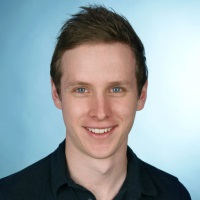
Philipp Probst is Director of ADC Research at Araris Biotech AG, a Swiss biotech company located in Au ZH pioneering a novel linker technology for antibody-drug conjugates. He studied Pharmaceutical Sciences and received his PhD from ETH Zürich in 2018, where he worked in the group of Prof. Dario...
Roberto De Luca, Head of Therapeutic Antibodies,
Philochem
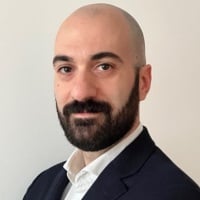
Roberto De Luca graduated in Biology at ETH Zürich. He performed his PhD studies at ETH Zürich focusing on the generation of antibody-cytokine fusion proteins for the treatment of tumors. Dr. De Luca is author of several peer-reviewed publications in international scientific journals.
Dan Bach Kristensen, Scientific Director,
Symphogen
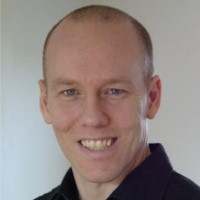
Dan Bach Kristensen holds a Ph.D. in biology and B.Sc. degree in chemistry. Dan is specialized in protein chemistry and mass spectrometry, which he initially applied in the field of proteome research. For the last 19 years Dan has been working with analytical development in the biopharmaceutical...
Khalid Al-Kinani, Professor and Dept. Chair,
University of Baghdad
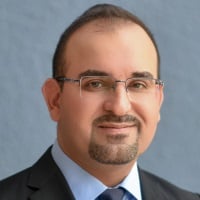
Khalid Al-Kinani is a distinguished Professor and Department Chair at the University of Baghdad, renowned for his expertise in the field of biologics. He also serves as a mamber of the 2nd Medicines Reguistration Committee at the Iraqi Ministry of Health (MOH) and a former Head of Biologics and...
Julia Behnke, CEO and Co-Founder,
ingineeon | advanced immunotherapeutics
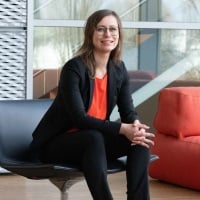
Julia has been researching on immune proteins already during her PhD at a leading hospital in the US. Afterwards Julia was involved in development of various therapeutics from preclinics up to clinical and market access strategy development in the industry. After combining this expertise with...
Daniel Waldera-Lupa, ,
ProtaGene
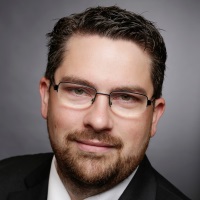
Born in Bochum, Germany, in 1984, with a passion for science and a drive for discoveryStudied biochemistry at the Ruhr University Bochum, graduating with a Master of Science in Biochemistry in 2009Awarded a Ph.D. (summa cum laude) in Chemistry and Biochemistry from Heinrich-Heine University...
Gundo Diedrich, Vice President,
MacroGenics
Gundo Diedrich is Executive Director of Antibody Engineering at MacroGenics. His work focuses on the discovery, engineering, and expression of antibodies as well as the development of the company’s multispecific antibody platform. Gundo received a Ph.D. in Chemistry from the Max-Planck Institute...
Steffen Goletz, Professor, Department of Biotechnology and Biomedicine,
Danish Technical University

PhD, Professor, Head of RG Biotherapeutic Glycoengineering & Immunology, DTU Bioengineering, Technical University of Denmark. Focus on novel bi- and multispecific antibody and cell-based therapeutics in immunooncology and infectious diseases. After early career in academic research, e.g. MDC in ...
Marco Traub, Chief Executive Officer,
TESCT - The Trans European Stem Cell Therapy Society
Dr. Marco Traub has gained considerable experience in several research, management, and educational projects over the past 25 years. He is the founder of the Trans European Stem Cell Therapy Consortium (TESCT) and acts since 2005 as Chair of the TESCT consortium and as EU-Commission Expert...
Aaron Sato, Chief Strategy Officer,
Adimab
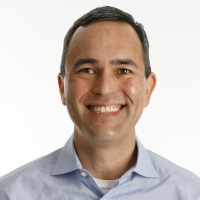
Aaron is the Chief Strategy Officer at Adimab, with over 25 years of experience in biotechnology, focusing on discovering and developing novel first-in-class antibody therapeutics. Before joining Adimab, Aaron served as the Chief Scientific Officer of Twist Bioscience, where he led their Biopharma...
Annette Vogl, VP, Biology and Translational Research,
Tubulis GmbH
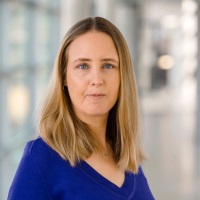
2015-2020: Scientist at Genentech,Since 2020: Head of Biology / VP, Biology and Translational Research at TubulisScientific training background: molecular cell biology, protein degradation, cellular protein homeostasis
Claes Gustafsson, Co-Founder,
ATUM BIO

As ATUM’s Co-Founder, Dr. Claes Gustafsson oversees most of the company’s external communications and is actively engaged in developing ATUM's technology platforms. Prior to co-founding ATUM in 2003, Claes managed key strategic teams at Maxygen Inc and worked as a scientist at Kosan...
Marco Traub, Chief Executive Officer,
TESCT - The Trans European Stem Cell Therapy Society
Dr. Marco Traub has gained considerable experience in several research, management, and educational projects over the past 25 years. He is the founder of the Trans European Stem Cell Therapy Consortium (TESCT) and acts since 2005 as Chair of the TESCT consortium and as EU-Commission Expert...
Nicola Beltraminelli, Chief Development Officer, Head of RED,
INNATE PHARMA
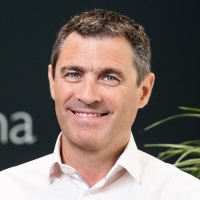
Dr. Nicola Beltraminelli joined Innate Pharma as Vice President and Chief Development Officer in January 2022 and was recently appointed as Head of Reasearch Early Development of the organization. Dr. Beltraminelli brings 25 years of biotech experience to the role, and specifically in the...
Alexander Rau, Senior Scientist Protein Engineering,
Anaveon
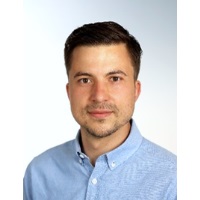
Alexander joined Anaveon in 2022 as a protein engineer, focused on developing the next generation of antibody-cytokine fusion proteins for cancer therapy. He previously worked at a biotech company, focusing on the generation of antibody therapeutics for immuno-oncology. He also has a strong...
Julien MUZARD, Field Application Technologist,
Entegris
Julien's career has been devoted to the discovery & development of new technologies to help solve of the world's most complex design challenges, from the treatment of human diseases by creating new therapeutic libraries, to the manufacture of smart nano-electronics & 3D...
Anselm Ebert, Business Development Director,
H and T Presspart Manufacturing
Dr Anselm Ebert, PhD holds the position of Business Development Director at H&T Presspart. Dr Ebert oversees the strategic management of the new product development process and manages new product introductions for H&T Presspart. Before joining H&T Presspart he was Director of Product...
Ana Isabel Gutiérrez López, Global Business Development Manager,
H and T Presspart Manufacturing
Ana Isabel Gutiérrez joined H&T Presspart in 2023 as Global Business Development Manager driving the company’s innovative Parenteral Applications Program.Before joining H&T Presspart, Ana spent over 12 years at West Pharmaceutical Services, where she held a prominent sales leadership...
Frederic Bouder, Professor Of Risk Management,
University of Stavanger
Prof. Frederic Bouder has developed policy-oriented research on risk communication and risk regulation, with a strong transatlantic and comparative dimension. His interest for medicines has taken central stage in his career including in the area of vaccines and biotechnology. His research interests ...
Cornelia Baumgartner, Clinical Operations Manager,
T-CURX GmbH

I started my career in the pharmaceutical industry in 2000 as a Clinical Research Associate (CRA) at Pfizer, where I gained hands-on experience in clinical research from the very beginning. This role provided me with a fundamental understanding of clinical trial operations, monitoring and...
Britta Lipinski, PhD Student,
Merck Healthcare KGaA
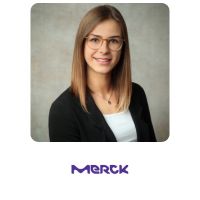
Britta Lipinski is a PhD candidate in the Antibody Discovery and Protein Engineering Department of Merck KGaA, supervised by Stefan Zielonka, where she works in close collaboration with the group of Prof. Dr. Harald Kolmar at the Technical University of Darmstadt. Her research focuses on the...
Britta Lipinski, PhD Student,
Merck Healthcare KGaA
Britta Lipinski is a PhD candidate in the Antibody Discovery and Protein Engineering Department of Merck KGaA, supervised by Stefan Zielonka, where she works in close collaboration with the group of Prof. Dr. Harald Kolmar at the Technical University of Darmstadt. Her research focuses on the...
Wouter Verdurmen, Assistant Professor,
Radboud University Nijmegen Medical Centre
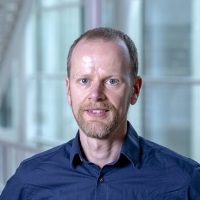
Dr. Wouter Verdurmen is an Assistant Professor at Radboud University Medical Center, specializing in biologics and immunotherapy. He studied Biomedical Sciences at Radboud University Nijmegen (the Netherlands) and obtained his PhD cum laude in 2012, focusing on the cellular delivery of...
Claudia Soares, Lead Scientist Drug Substance,
CDR-Life
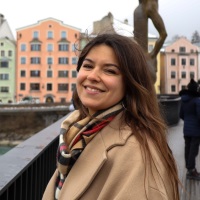
Cláudia is a trained Pharmacist and obtained her MSc from the University of Coimbra, in Portugal. She started her career at a CDMO with a focus on cell line and cell culture development. Cláudia joined the USP team at CDR-Life over two years ago and is now Lead Scientist in the Drug Substance...
Kevin Fitzgerald, Chief Scientific Officer,
Epsilogen
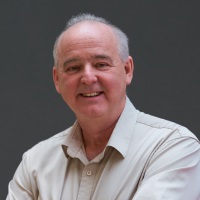
Kevin began his career at Cambridge Antibody Technology (now part of AstraZeneca) when CAT was still in its start-up phase. He went on to found and manage Isogenica Ltd and has since held CEO positions with PhosImmune Inc., Activiomics Ltd and F-star GmbH. Kevin studied for his PhD in the...
Frank Staal, Professor of Molecular Stem Cell Biology,
Leiden University Medical Center (Netherlands)

Frank Staal was trained in biomedicine at the Faculty of Medicine of Utrecht University, the Netherlands. He obtained both his Bachelor and Master degrees cum laude from this university and then moved to Stanford University, CA USA, for his PhD degree in Genetics under supervision of the late...
Frank Staal, Professor of Molecular Stem Cell Biology,
Leiden University Medical Center (Netherlands)
Frank Staal was trained in biomedicine at the Faculty of Medicine of Utrecht University, the Netherlands. He obtained both his Bachelor and Master degrees cum laude from this university and then moved to Stanford University, CA USA, for his PhD degree in Genetics under supervision of the late...
Cornelia Baumgartner, Clinical Operations Manager,
T-CURX GmbH
I started my career in the pharmaceutical industry in 2000 as a Clinical Research Associate (CRA) at Pfizer, where I gained hands-on experience in clinical research from the very beginning. This role provided me with a fundamental understanding of clinical trial operations, monitoring and...
Julia Harwardt, Scientist,
Merck Healthcare KGaA
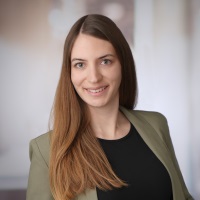
Julia Harwardt is a Bench Scientist in the Antibody Discovery & Protein Engineering department at Merck KGaA. She joined the company after completing her PhD in the group of Prof. Dr. Harald Kolmar at the Technical University of Darmstadt. With a strong background in biochemistry and antibody...
Julia Harwardt, Scientist,
Merck Healthcare KGaA
Julia Harwardt is a Bench Scientist in the Antibody Discovery & Protein Engineering department at Merck KGaA. She joined the company after completing her PhD in the group of Prof. Dr. Harald Kolmar at the Technical University of Darmstadt. With a strong background in biochemistry and antibody...
Sara Bonetti, Senior Scientist,
Salipro Biotech AB
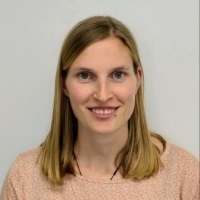
Sara Bonetti is Senior Scientist at Salipro Biotech, a company located in Stockholm, Sweden, working on stabilizing challenging drug targets for drug discovery. Prior to joining Salipro Biotech, Sara obtained her PhD in Biochemistry and Molecular Biology from the University of...
Camille Dagallier, Senior Formulation Scientist,
SANOFI
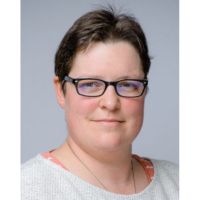
Dr. Camille Dagallier is a Laboratory & Process Development Senior Scientist at Sanofi, where she has been advancing drug product development since 2015. A graduate of ESPCI Paris with a master's in polymer science, she earned her PhD in colloid physics from the University of...
Emanuele Puca, Chief Operating Office,
Philochem
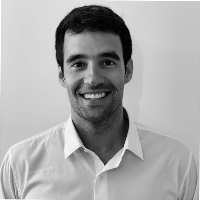
Chief Operating Officer of the Philogen Group and Board Member of Philochem AG (Philogen discovery center).
Graduated in Medicinal Chemistry at La Sapienza University and performed Ph.D. studies at ETH Zürich focusing on the generation of antibody-cytokine fusion proteins for the treatment of...
Thomas Rose, Head of Expression Systems,
ProBioGen AG
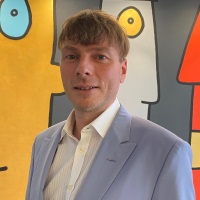
Thomas Rose, PhD, is Head of Expression Systems at ProBioGen. He received his MSc in Biotechnology from the University of Applied Science in Berlin, his PhD in Biochemistry from the Free University of Berlin and joined ProBioGen in 2001. His work focuses on cell line development and expression...
Robin Löving, CSO,
Salipro Biotech AB
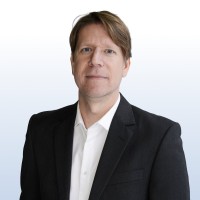
Robin Löving, Chief Scientific Officer (CSO) at Salipro Biotech. Robin has more than 15 years’ experience working with therapeutically interesting membrane proteins. He did his PhD with a focus on membrane proteins and antigen design at the Karolinska Institute in Stockholm, Sweden. After being...
Margaux Longuespee, Project Manager Quality,
EYLIO
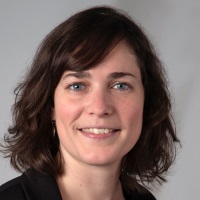
Dr. Margaux Fresnais obtained her PhD of chemistry at the University of Strasbourg (France) in 2016. Since then, she dedicated her activities to the development of mass spectrometric (MS) methods for targeting therapeutic antibodies and small-compound pharmaceuticals for personalized medicine. She...
Margaux Longuespee, Project Manager Quality,
EYLIO
Dr. Margaux Fresnais obtained her PhD of chemistry at the University of Strasbourg (France) in 2016. Since then, she dedicated her activities to the development of mass spectrometric (MS) methods for targeting therapeutic antibodies and small-compound pharmaceuticals for personalized medicine. She...
Virginia Metrangolo, Postdoc,
University of Copenhagen

Virginia Metrangolo is a Medical biotechnologist working as a postdoctoral researcher in the Engelholm research group at the Finsen Laboratory/Biotech Research and Innovation Centre in Copenhagen. Her research work involves the development of antibody-based therapies, mostly antibody-drug...
Oliver Siefert, Senior Scientist,
University of Stuttgart
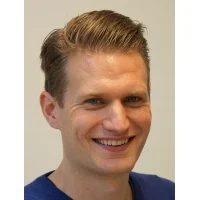
Oliver Seifert is a senior scientist in the laboratory of Roland Kontermann at the University of Stuttgart and leads the bispecific antibody group. He is an expert in the field of antibody engineering with more than 20 years experience. His scientific research covers development and...
Aniko Palfi, Director Biochemistry & Cell Biology,
Heidelberg Pharma
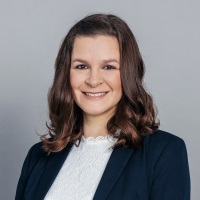
Anikó Pálfi is Director Biochemistry and Cell Biology at Heidelberg Pharma Research GmbH, a pharma company located near Heidelberg (Germany), mainly conducting research and development of anti-cancer drugs. She obtained her bachelor’s degree in bioscience at the University of Heidelberg in 2012 and ...
Björn Niebel, Senior Principal Scientist,
Sanofi Ghent - Sanofi R&D
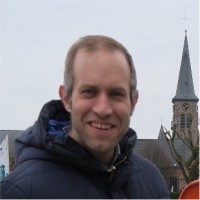
Björn Niebel is a Senior Principal Scientist, Group Head in the Discovery Department of the Nanobody Research Platform at Sanofi Ghent. Björn received his master’s degree in Chemistry from the University of Braunschweig, Germany in 2006 and holds a PhD in Biochemistry from the University of...
Melita Irving, Group Leader at the Ludwig Institute for Cancer Research,
University of Lausanne
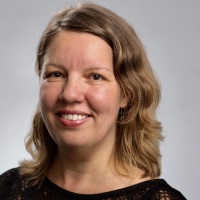
Originally from Canada, Dr. Melita Irving began working in the field of T-cell engineering for cancer immunotherapy in Switzerland in 2007. She has been a group leader at the Ludwig Institute for Cancer Research in the Department of Oncology at the University of Lausanne for the past 12...
Melita Irving, Group Leader at the Ludwig Institute for Cancer Research,
University of Lausanne
Originally from Canada, Dr. Melita Irving began working in the field of T-cell engineering for cancer immunotherapy in Switzerland in 2007. She has been a group leader at the Ludwig Institute for Cancer Research in the Department of Oncology at the University of Lausanne for the past 12...
Silvia Crescioli, Business Intelligence Creator,
The Antibody Society
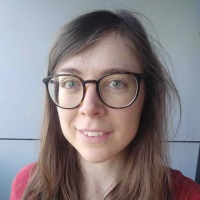
Dr. Silvia Crescioli is a Business Intelligence Creator at The Antibody Society working on business intelligence and educational research projects. Since 2021, she collaborates to the "Antibodies to watch" editorials in mAbs, reviewing antibody therapeutics recently approved or in...
Marisa Elliott, Director of Business Development,
Oligo Factory, Inc.
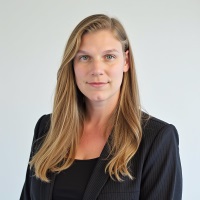
Marisa has >10 years of experience in life sciences and therapeutics, specializing in gene therapy, neurotechnology, and business development. She joined Oligo Factory in May 2024 as the Director of Business Development covering the Western US & Asia-Pacific regions where she leads strategic ...
Oliver Hill, Senior Director Protein Engineering,
YUMAB GmbH
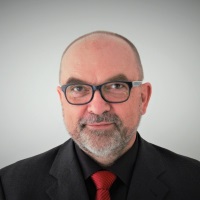
Oliver Hill – Senior Director Protein Engineering, YUMAB GmbH
Oliver Hill is an experienced biotechnology professional specializing in protein engineering and drug discovery. Currently, he serves as Senior Director of Protein Engineering at YUMAB GmbH, focusing on advancing antibody-based...
Axel Hohenstein, Managing Director (CSO),
Reaction Biology
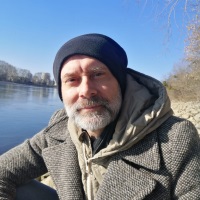
Axel joined Bioassay in 2007 as Scientists after covering the role of Laboratory Head of Department of Cell and Molecular Biology at Biotest AG. Upon joining Bioassay Axel quickly rose through the ranks and became Managing Director in 2010. In his new role he was involved in the acquisition of...
Peter Jorgensen, Chief Executive Officer,
Danish Generic and Biosimilar Medicines Industry Association (IGL)

Master in Political Science from the University of Copenhagen 45+ years of professional experience, including: Head of section in the Ministries of Social Affairs and of LabourLabour Counsellor at the Danish UN-mission in GenevaHealth Counsellor at the Danish EU-representation in BrusselsSpokesman...
Joan D'souza, Local QPPV,
Independent PV Expert

Current experience: Dr. Joan D'souza is a Pharmacovigilance Physician and a Consultant. She has expertise in
pre and post-marketing safety surveillance of drugs and medical devices.
Previous experience: A firm believer in sharing her knowledge: The DIA, World Drug Safety Congress;
...
Andre Choo, Deputy Executive Director,
Bioprocessing Technology Institute
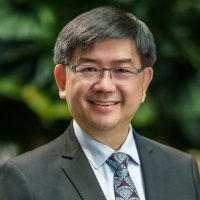
A/Prof Andre Choo obtained his PhD from the University of Technology Sydney focusing on the molecular engineering of antibody fragments and immunotoxins. He was also involved in the characterization of a mAb that induced apoptosis of kappa-myelomas. This is currently pursued by HaemaLogiX in Phase ...
Joshi Venugopal, General Manager and Head of Europe,
Novartis Gene Therapies
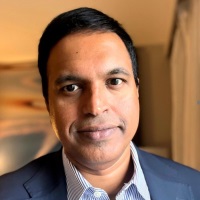
Joshi Venugopal is the General Manager and Head of Europe for Novartis Gene Therapies &Rare Diseases. He is also a Board Member of Somagenetix, a Zurich based biotech company developing gene therapies. A seasoned pharmaceutical executive, Joshi brings a unique blend of experience across...
Jian Tang, Associate Professor,
H.E.C. Montreal
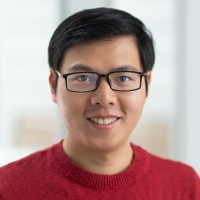
Jian Tang is an Associate professor at HEC's Department of Decision Sciences. He is also an Adjunct professor at the Department of Computer Science and Operations Research at University of Montreal and a Core Academic member at Mila - Quebec AI Institute. He is a Canada CIFAR AI Chair and the...
Joshi Venugopal, General Manager and Head of Europe,
Novartis Gene Therapies
Joshi Venugopal is the General Manager and Head of Europe for Novartis Gene Therapies &Rare Diseases. He is also a Board Member of Somagenetix, a Zurich based biotech company developing gene therapies. A seasoned pharmaceutical executive, Joshi brings a unique blend of experience across...
Linnea Franssen, Senior M&S Scientist,
Roche
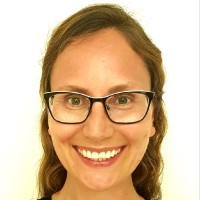
I am a researcher in Translational Modelling & Simulation at Roche. I support large molecule projects through model-based predictions that e.g. support the optimization of compound dosing schedules, predict First-In-Human dosing or select a lead drug candidate. I also develop in silico models...
Jian Tang, Associate Professor,
H.E.C. Montreal
Jian Tang is an Associate professor at HEC's Department of Decision Sciences. He is also an Adjunct professor at the Department of Computer Science and Operations Research at University of Montreal and a Core Academic member at Mila - Quebec AI Institute. He is a Canada CIFAR AI Chair and the...
Isabelle Petit-Topin, Team/Lab Lead in Downstream Process _ Manufacturing Science and Technology (DSP MS and T),
Novartis France
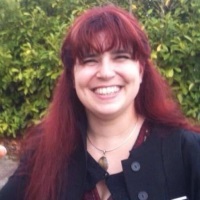
Isabelle Petit Topin is a passionate professional for Protein biochemistry and all that has to do with protein in general. Graduated at the University Paris Diderot, Isabelle obtained her PhD in 2009 (CIFRE HRA Pharma - Inserm - Paris) in Protein Biochemistry and Crystallography. After her...
Diego Braguglia, GP,
VI Partners
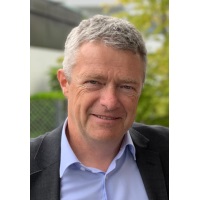
Diego has more than two decades of venture capital experience and has developed a solid experience in creating, growing and exiting ventures in therapeutics and medical devices. He served as chairman and non-executive director in Endoart (acquired by Allergan), Endosense (acquired by St...
Anissa Harbi, Immunologist,
Les Hôpitaux d'Alger
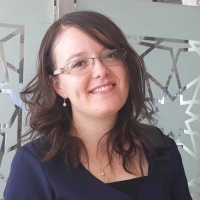
Anissa Harbi is an Immunologist MD from Annaba, Algeria, with a strong background in clinical research and patient care. Currently serving as an Immunologist at Les Hôpitaux d'Alger, Anissa is dedicated to advancing medical knowledge and improving patient outcomes.
Lewis Penny, Principal Scientist (Fluid Biomarkers),
Taurx Therapeutics Ltd
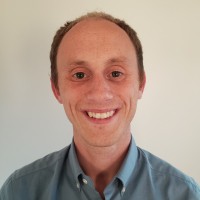
Lewis is currently an advanced research fellow at the University of Aberdeen where he completed his PhD. In partnership with TauRx Therapeutics Ltd. and the Scottish Biologics Facility, his research is involved in the discovery and development of novel anti-tau therapeutics, immunodiagnostics and...
SANDIP PAGAR, Scientist (Downstream Process Development),
UCB Pharma

Sandip is a downstream scientist at the Gene Therapy Process Sciences division of UCB Pharma in Belgium. He has worked for different organizations for 13 years, developing downstream processes for various biopharmaceuticals, such as fusion proteins, viral vectors, monoclonal antibodies, and...
Bert Thomas, Senior Vice President Of Business Development,
Bio-Thera Solutions
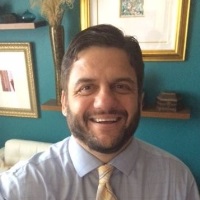
Bert is currently Senior Vice President, Business Development of Bio-Thera Solutions, a China-based pharmaceutical company, joining the company in 2017. Prior to joining Bio-Thera Solutions, Bert was the CEO of the Sarcoma Foundation of America (SFA), a rare cancer patient advocacy...
Aimee Mattei, Director of Immunoinformatics,
EpiVax Inc

Aimee Mattei, MS. is the Director of Bioinformatics at EpiVax. She manages a team of analysts and project managers providing in silico immunogenicity risk assessments supporting research, collaborative, and commercial projects. She leads the development of novel in silico methods and tools for...
Christine Rothe, Chief Development Officer,
iOmx Therapeutics AG
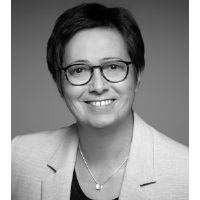
Christine Rothe serves as Chief Development Officer at iOmx Therapeutics where she is responsible for research and development programs. Christine has a long-standing track record in discovery and development of drug candidates. Before joining iOmx, Christine held positions of increasing...
Winston Haynes, VP, Computational Sciences & Engineering,
LabGenius Therapeutics
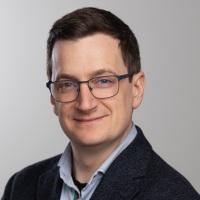
Winston is the VP Computational Sciences and Engineering at LabGenius, where he leads a team of experts in data science, machine learning, and software development to expand LabGenius’ ML-driven discovery platform capabilities.
He has extensive experience leading the development and application of ...
Hamed T. Ghomi, Sowerby Lecturer,
King's College - London
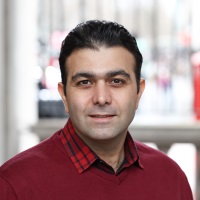
Hamed T. Ghomi is a scientist with over a decade of experience in computational molecular design, with a focus on peptide and protein engineering. He has led projects across industry and academia, including roles at companies such as Illumina, where he contributed to innovations in enzyme design...
Jakub Tomala, Assistant Research Professor,
John Hopkins University
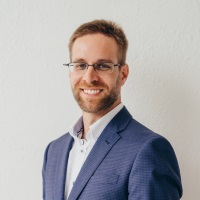
Dr. Jakub Tomala earned his Master Science degree and Ph.D., both in Immunology, at Charles University in Prague, Czech Republic. After completing a postdoctoral fellowship at Johns Hopkins University, School of Medicine, in 2018, Dr. Tomala became senior researcher in the Laboratory of...
Stefan Dübel, Director,
Technical University of Braunschweig

Stefan Dübel is Full Professor of Biotechnology and Director of the corresponding department at the Technical University of Braunschweig, Germany. After completing his PhD at the University of Heidelberg, he joined the German Cancer Research Center (DKFZ) in 1989, where he pioneered in vitro...
Baptiste Balbuena, Application Engineer Downstream,
Merck Group
Baptiste Balbuena is a Biomanufacturing Engineer MSAT EMEA passioned by bioprocessing. Holder of a master’s degree in project management and biotechnologies innovation from Montpellier University, he dedicated last years to technically support customers with various problematics concerning...
Christian Schwarz, Chief Scientific Officer and Co-Founder,
Numaferm
Christian is the co-founder and CSO of the biotech company Numaferm that was founded 2017 as a spin-off of the University of Düsseldorf, Germany. He is biochemist and biotechnologist by education and completed his PhD in the field of type 1 secretion systems at the same university between 2009 and...
Lukas Naumann, Scientist - Analytical Chemistry (PAT),
Roche
Dr. Lukas Naumann is a dedicated Scientist specializing in Analytical Chemistry with a focus on Process Analytical Technology (PAT) at Roche. With a strong background in biochemistry and pharmaceutical sciences, Lukas brings a wealth of expertise to the field of biologics. His research interests...
Luigi Buonaguro, MD, Innovative Immunological Models Unit,
National Cancer Institute
Dr. Luigi Buonaguro is the Director of the Innovative Immunological Models at the National Cancer Institute - IRCCS “Pascale ”, Naples – Italy. He is an expert in identification and characterization of tumor antigens for preventive/therapeutic cancer vaccine development. His focus is mostly on...
Nicolas Sabarth, Research Laboratory Head in Biotherapeutics Discovery and Cancer Immunology,
Boehringer Ingelheim
Nicolas Sabarth is heading a biotherapeutics discovery group at Boehringer-Ingelheim Vienna, Austria. He received his PhD from the Max-Planck-Institute for Infection Biology, Germany. Since then, he held positions of increasing responsibility in the R&D departments of...
Nadia Fernandez, Industry Clinical Collaboration Leader,
F. Hoffmann-La Roche Ltd.
I have more than 20 years of experience in the pharmaceutical industry and have held various positions in clinical trial management, procurement and medical affairs. As an Industry Clinical Collaboration Leader, I focus on bringing new and innovative treatment combinations to patients through...
Diego Braguglia, GP,
VI Partners
Diego has more than two decades of venture capital experience and has developed a solid experience in creating, growing and exiting ventures in therapeutics and medical devices. He served as chairman and non-executive director in Endoart (acquired by Allergan), Endosense (acquired by St...
Laura Unmuth, Bench Scientist & PhD candidate - Antibody Discovery & Protein Engineering,
Merck KgaA
Laura Unmuth is a Bench Scientist and PhD candidate in the Antibody Discovery & Protein Engineering department of Merck KGaA, supervised by Stefan Zielonka and in collaboration with the group of Prof. Dr. Harald Kolmar at the Technical University of Darmstadt. Her research work focuses on the...
Moutih Rafei, Full Professor,
University of Montreal
Dr. Rafei is an immunologist by training focused on the development of therapies within the immuno-oncology space. Throughout the past decade, he accumulated profound knowledge and insight in the fields of T-cell development, stem cell biology, cancer immunotherapy and autoimmune diseases. While...
Nadia Fernandez, Industry Clinical Collaboration Leader,
F. Hoffmann-La Roche Ltd.
I have more than 20 years of experience in the pharmaceutical industry and have held various positions in clinical trial management, procurement and medical affairs. As an Industry Clinical Collaboration Leader, I focus on bringing new and innovative treatment combinations to patients through...
Elsa Abranches, Chief Scientific Officer,
ViSync Technologies

Elsa Abranches holds a degree in Chemical Engineering and a Ph.D. in Stem Cell Biotechnology, from the Technical University of Lisbon, Portugal.
Elsa has over 20 years of experience in stem cell biotechnology, standardization and Advanced Therapies regulation areas, ranging from applied research...
Winston Haynes, VP, Computational Sciences & Engineering,
LabGenius Therapeutics
Winston is the VP Computational Sciences and Engineering at LabGenius, where he leads a team of experts in data science, machine learning, and software development to expand LabGenius’ ML-driven discovery platform capabilities.
He has extensive experience leading the development and application of ...
Christian Lotz, Director, Business Development - EMEA,
Pfanstiehl GmbH
Christian Lotz studied Physical Chemistry at the University of Bochum Germany and did his doctorate in Physical Chemistry at the University of Essen in Germany. He started his Industry career at Lipoid GmbH, a GMP manufacturer of parenteral grade phospholipids, in the sales department with...
Christian Lotz, Director, Business Development - EMEA,
Pfanstiehl GmbH
Christian Lotz studied Physical Chemistry at the University of Bochum Germany and did his doctorate in Physical Chemistry at the University of Essen in Germany. He started his Industry career at Lipoid GmbH, a GMP manufacturer of parenteral grade phospholipids, in the sales department with...
Rémi Longuespée, Mass Spectrometry Expert,
Novalix
Dr. Rémi Longuespée obtained a PhD in Life Sciences at the University of Lille (France) and a PhD of Biochemistry at the University of Sherbrooke (Canada) in 2012. He dedicated a major part of his career to the development of methods in mass spectrometry for applications in clinics, from anatomical ...
Hristo Svilenov, Associate Professor,
Technical University of Munich
Dr. Svilenov is an Associate Professor of Biopharmaceutical Technology at the Technical University of Munich (TUM). His research focuses on the development, formulation, and manufacturing of biotherapeutics. In 2024, he was awarded an ERC grant to advance novel antibody-based therapeutics.Prior to...
Can Araman, Senior Manager,
Merck KGaA
Dr. Can Araman is a Senior Manager heading the Protein Formulation Laboratory at Merck Life Science KGaA, Process Solutions department in Darmstadt, Germany. His team is working on delivering solutions to challenges in protein formulations stemming mainly from viscosity and aggregation of...
Rocky Strollo, Associate Professor of Endocrinology,
Università San Raffaele Roma
After earning his degree in Medicine in 2009 from the Campus Bio-Medico University of Rome, he completed an international PhD in type 1 (autoimmune) diabetes at the same university and at Queen Mary, University of London (supervisor Prof. Ahuva Nissim). He subsequently obtained his specialty in...
Andy Racher, Director of Commercial Operations,
SYNGENSYS
Dr Andy Racher is the Director of Commercial Operations at SynGenSys Ltd. With over four decades in the biotech sector, including a distinguished 20-year tenure at Lonza Biologics, Andy has a wealth of experience covering cell engineering, expression systems, cell line and process development, plus ...
Bernard Maillere, Head of laboratory,
CEA
Bernard Maillere is head of the Laboratory of Cellular Immunology and Biotechnology of the CEA, a French governmental research institute. He is also head of the immunology section of the doctoral school "therapeutic innovation" of the University of Paris-Saclay. He holds a Master's...
Steffen Goletz, Professor, Department of Biotechnology and Biomedicine,
Danish Technical University
PhD, Professor, Head of RG Biotherapeutic Glycoengineering & Immunology, DTU Bioengineering, Technical University of Denmark. Focus on novel bi- and multispecific antibody and cell-based therapeutics in immunooncology and infectious diseases. After early career in academic research, e.g. MDC in ...
Izabela Sabała, Head of Protein Engineering Laboratory,
Mossakowski Medical Research Institute PAS
Izabela Sabala brings a strong background in protein biochemistry, along with deep insight and practical strategies to her work. Her research is focused on engineering of a new class of antimicrobials—enzybiotics. These are enzymes with exceptional antimicrobial activity, currently being developed...
David Walter, Group leader,
Cancer Research UK

I am a Group Leader at Cancer Research Horizons and the CRUK lead for the Joint AZ-CRH Functional Genomics Centre. With over 10 years' experience, I specialise in functional genomics and preclinical oncology R&D. Before joining Cancer Research Horizons in 2019, I led target discovery and...
Yi-Ru Yu, Lead Scientist,
Pilatus Biosciences SA
Dr. Yi-Ru Yu is currently a Senior Scientist at Pilatus Biosciences SA. He obtained his B.S. in Life Science and M.S. in Genomic Science from National Yang-Ming University in 2008. Dr. Yu then pursued a Ph.D. in Prof. Chun-Ming Chen's lab, where his research focused on the congenital diseases...
Philipp Kuhn, VP Services & Operations,
YUMAB GmbH
2024Yumab GmbH VP Services & Operations2016-2024Yumab GmbH Project manager2014-2016Technical University of BraunschweigPhD student, Department of Biotechnology.2008-2014University of Heidelberg Study of Molecular Biotechnology (Bsc/Msc).
Sophia Karagiannis, Professor of Translational Cancer Immunology and Immunotherapy,
King's College London

Translational B cell and cancer immunologist with academic and biotechnology experience in the UK and USA. She heads a cancer antibody discovery team focusing on dissecting the crosstalk between human immunity and solid tumours and understanding the impact of antibody isotype on therapeutic...
Ettore Gilardoni, Head of Mass Spectrometry,
Philochem
Ettore Gilardoni is Head of Mass Spectrometry at Philochem AG. The team main activities vary from biodistribution of small organic molecules in biospecimens; biopharmaceuticals characterization, and proteomics application for target identification; host cell proteins characterization, and mechanism ...
Peter Kristensen, Professor,
Aalborg University

Peter Kristensen is Professor at the Department of Chemistry and Bioscience, Aalborg University, Denmark. He holds a Ph.D. and M.Sc. in Biostructural Chemistry from the University of Aarhus. With a career spanning over two decades, his academic journey is marked by significant contributions to...
Sebastian Hörner, Senior Scientist,
BiconY Therapeutics
Sebastian Hörner joined BiconY Therapeutics as a Senior Scientist in 2023. He studied technical biology at the University of Stuttgart from 2011 to 2017, where he started his work in the field of recombinant antibodies in the lab of Roland Kontermann. From 2017 to 2021, he worked as a PhD candidate ...
Jörg Wischhusen, Professor,
Universitätsklinikum Würzburg
Jörg Wischhusen studied biochemistry in Tübingen, Germany. During his thesis on mechanisms of immune escape in glioma (mentored by Michael Weller and Hans-Georg Rammensee) he performed early work in the field of experimental immune checkpoint blockade. In 2005 he was recruited as a junior research...