Agenda
**THIS AGENDA IS NO LONGER BEING UPDATED, PLEASE REFER TO THE TERRAPINN EVENTS APP**

Boston, 4 - 5 November 2026
Schedule
Create your personal agenda –check the favourite icon
Welcome Remarks

Chair's Opening Remarks

From Pipeline to Patients: Reflections on the gene therapy development journey

Keynote Panel Discussion: Navigating the Cell and Gene Therapy Landscape: Opportunities & Challenges for Driving Market Success


AI-Driven Small Molecules to Enhance Cell Therapy Potency and Persistence
T cell therapies are only as good as the cells that reach the patient, yet ex vivo manufacturing itself drives exhaustion and erodes the stem-like memory phenotypes that underpin durable response. We have built an AI-driven discovery platform that predicts novel intracellular targets and designs small molecules to address this at its source. Added during ex vivo expansion and washed out before infusion, these compounds act as manufacturing reagents rather than systemic drugs, allowing integration under a sponsor's existing IND without a standalone regulatory filing. In primary human T cells, our lead compound drives a roughly 16-fold increase in polyfunctionality, a twofold enrichment of stem-like memory cells, elevated TCF-1, and reduced exhaustion. Because the approach is target-driven and platform-based, it is modality-agnostic across CAR-T and next-generation cell therapies.

One Instrument, Every Vector: Empty/Full Ratio, Concentration and Aggregation in 10 Minutes on 10 µL, without Labelling or Calibration

Chair's Remarks: Chris Mason, Professor of Cell & Gene Therapy, University College London

Chair's Remarks: Holger Russ, Scientific Co-Founder, Tolerance Bio

Chair's Remarks: Poh Yeh-Chuin, VP, Head of Tech Ops, Tolerance Bio

Chair's Remarks: Richard Koya, Professor, University of Chicago School of Medicine

Chair's Remarks: Roy Baynes, Executive Vice President and Chief Medical Officer, Eikon Therapeutics

Chair's Remarks: Roy Levitt, Clinical Professor, Director, UHealth Institute for Advanced Pain Management Center, University of Miami

Chair's Remarks: Shahrooz Rabizadeh, CEO & Co-Founder, Sagittarius Bio, Inc

Chair's Remarks: Sharon Anderson, VP of Scientific Affairs, Alliance for Regenerative Medicine

Building a Resilient Advanced Therapy Supply Chain for Drug Development: Practical Insights

Designing for Scale: Manufacturing Robust Allogeneic CAR-T Cell Therapies in Hematologic Malignancies

Developing an effective value-based framework for HTA assessment markets
Gene therapy for cancer and inflammatory diseases
Next-gen gene therapy manufacturing: Unlocking the promise of HSV
Overcoming the NRF2 addiction in solid tumors using CRISPR-directed gene editing

The promises and challenges of IPS-derived cell therapies

Value of regenerative medicine for rare disease
Building, planning and executing an effective market access strategy for gene therapies

Disease agnostic gene therapy for neurodegenerative conditions

ELEVECTA™ stable producer cell line 2.0: A high-performance platform for AAV manufacturing cell lines
ELEVECTA™ stable producer cell line 2.0: A high-performance platform for AAV manufacturing cell lines
The clinical and commercial success of adeno-associated virus (AAV)-based gene therapies continues to drive demand for manufacturing platforms capable of delivering high productivity, consistent product quality, and scalable production. However, many existing manufacturing approaches remain constrained by process complexity, high cost of goods, batch-to-batch variability, and challenges associated with scale-up and long-term process robustness. As the field matures, there is growing interest in technologies that can simplify manufacturing while meeting the increasing quality and supply demands of advanced therapy developers.
Stable producer cell lines have emerged as a promising strategy to address these challenges by reducing reliance on transient transfection workflows and enabling more standardized manufacturing processes. Developing robust producer cell lines that combine high productivity, favorable capsid quality attributes, and manufacturability within commercially relevant timelines remains a significant challenge.
To address this need, we present the ELEVECTA™ stable producer cell line 2.0, a HEK293-based platform designed to rapidly generate high-performing AAV manufacturing cell lines with strong productivity and favorable quality characteristics.
A high-throughput cell line engineering and screening workflow was established to systematically evaluate the impact of rep and helper funtions, regulatory, and host-cell engineering strategies on AAV production performance. Hundreds of genetic configurations were assessed using advanced analytical screening tools, enabling the rapid identification of cell line architectures associated with improved productivity and product quality. Selected ELEVECTA™ stable producer cell line 2.0 were subsequently evaluated across multiple AAV serotypes for key manufacturing attributes, including viral genome titre, capsid quality, encapsidated host-cell DNA, stability, and scalability.
Across independent cell line development campaigns, cell lines generated using this approach consistently achieved viral genome titres exceeding 5 × 10¹¹ vg/mL at the polyclonal pool stage, with further improvements observed following clonal selection. Favorable product quality characteristics were also demonstrated, with full capsid levels ranging from 20% to 50%, depending on serotype, accompanied by low levels of partial particles.
In addition, targeted host-cell engineering significantly reduced encapsidated host-cell DNA, supporting cleaner viral preparations and potentially reducing downstream purification burden. The integrated workflow enabled progression from construct design to fully banked producer clones in less than 24 weeks while maintaining robust cell growth and long-term production stability.
These findings demonstrate how the combination of high-throughput genetic screening, rational cell engineering, and accelerated clone selection can enable the rapid development of stable producer cell lines capable of supporting next-generation AAV manufacturing. By improving process consistency, accelerating development timelines, and enhancing manufacturing scalability, this approach has the potential to support more efficient production of AAV-based therapies from early development through commercial supply.

IPS-derived thymic cells for allogenic cell replacement therapy
Reimagining Gene-Modified T Cell Manufacturing: New Data on Integrating Isolation, Activation, Transduction, and Expansion in a Single Quantum Flex™ Workflow
Summary:
Discover new data demonstrating a streamlined approach to gene-modified T cell manufacturing that integrates multiple critical unit operations into a single, closed workflow. This webinar will present the first demonstration of incorporating T cell isolation upstream of Quantum Flex™ processing, extending automation and process integration from cell selection through expansion.
Starting with Leukopak material collected on the Spectra Optia®, CD3+ T cells were isolated using a buoyancy-based microbubble separation method. Fewer than 10 million isolated and activated T cells were then directly introduced into the Quantum Flex system, where they underwent lentiviral transduction and expansion to a therapeutically relevant dose.
Key Takeaways:
- First demonstration of an integrated workflowcombining T cell isolation with Quantum Flex™ processing.
- End-to-end automationspanning cell isolation, activation, transduction, and expansion.
- Closed-system manufacturing approachdesigned to reduce open handling steps and operator intervention.
- Reduced hands-on processing timeand a shorter path from starting material to target cell dose.
- Robust expansion from a small starting cell numberwhile maintaining critical quality attributes.
- Comparison with traditional static culture methods, highlighting potential process efficiencies.
- Enhanced process consistency and scalabilitythrough integration of buoyant microbubble-based cell isolation with the Quantum Flex platform.
- Potential to simplify manufacturing operationsand support next-generation gene-modified T cell therapy production.
Join us to explore how an integrated, closed-system workflow could help advance cell therapy manufacturing through greater efficiency, flexibility, and process consistency.
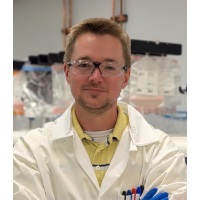
Standardisation in apheresis collection for cellular starting materials

Transforming treatment of autoimmune disease with effector T-cell therapy
Using new approach methodologies for the development of novel immunotherapies

Developing a chimeric antigen receptor tumor cell therapy (car-tumor)
Development of an AEX process for an engineered capsid ATC-0187

End-to-end approaches for comparability in cell therapy manufacturing

Engineering progenitor cells for TCR based immunotherapies for solid tumours
Modified self-amplifying RNA vaccines & therapeutics

Fresh Matters: Reducing Pre-Analytical Risk in Human Biospecimen Access for Advanced Therapies

Chair's Remarks: Chirag Khatiwala, Head of CMC and Technical Operations, Rarity PBC

Chair's Remarks: Christopher Ballas, Global Commercial Lead, Custom Cell Products, Cook MyoSite Inc

Chair's Remarks: Erin Harris, Chief Editor,Cell & Gene

Chair's Remarks: Kate Excoffon, Founder and CEO, Gene Tx Optimized, LLC

Chair's Remarks: Miguel Forte, CEO, Kiji Therapeutics and President, International Society of Cell and Gene Therapy
Chair's Remarks: Nneka Onwudiwe, Former PRO/PE Regulatory Review Officer, FDA

Chair's Remarks: Preet Chaudhary, CEO, Angeles Therapeutics and Professor of Medicine and Chief of BMT and Cellular Therapy, University of Southern California

Chair's Remarks: Ray Dogum, Chief Editor, Life Science Connect
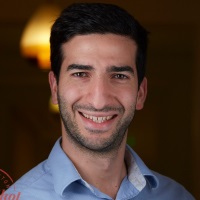
Accessing high value cell therapies: Accelerating CAR-T adoption
Cell therapy optimisation: Sourcing and engineering
Developing personal vaccines that target infectious diseases and cancer using an autologous cell platform

Enhanced and integrated control strategy for cell therapies

Exploring the back-end complexities of your supply chain
Exploring the opportunities of longevity medicine

Plant-based manufacturing for AAV gene therapy: Update on GMP pilot

Update from Genethon: Applications of technological platforms

A simplified, serum‑free T cell workflow powered by TheraPEAK® solutions
Abstract: Serum is a major source of variability in T cell manufacturing, driving lot-to-lot inconsistency, sourcing constraints, and contamination risk. This data-led session shows you how a chemically defined, serum-free workflow removes that dependency, so you can build more reproducible processes from early development through clinical scale.
This presentation examines experimental data on the impact of serum removal at each stage of manufacturing: improved lentiviral vector transduction efficiency, robust T cell expansion in serum-free culture, and clinical-scale performance across multiple platforms. You will see cross-platform results spanning T-flasks, G-Rex, Xuri, and Cocoon systems, plus practical evidence on how oxygen transfer and media exchange strategies shape expansion outcomes. Key points takeaways include:
- A data-backed framework for evaluating and implementing serum-free T cell culture in your own workflows
- Experimental data showing improved lentiviral vector transduction efficiency and consistent expansion after serum removal
- Cross-platform scale-up performance across T-flasks, G-Rex, Xuri, and Cocoon systems, from research through clinical manufacturing
- Critical success factors that determine a successful transition, including cell handling, media management, and dissolved oxygen control

Accelerating healthcare innovation through strategic partnerships

Bioanalytical and analytical strategies for CAR-T Cell Therapies
Evolution of Patient Access for Collection of Starting Material

From Delivery Vehicle to Cells: Enabling In Vivo CAR Development with Integrated End-to-End Solutions
In vivo CAR therapy is emerging as a transformative approach that enables direct immune cell engineering within patients using delivery platforms such as lentiviral vectors (LVVs) and lipid nanoparticles (LNPs). While recent clinical advances have validated the potential of this modality, significant challenges remain in achieving efficient cell-specific delivery, characterizing delivery vehicles, and monitoring CAR expression. To address these needs, ACROBiosystems has developed an integrated platform to support the development and evaluation of targeted in vivo CAR therapeutics. The platform combines immune cell-targeting binder discovery, quantitative characterization of antibody-decorated LNPs, assessment of cellular uptake and intracellular trafficking, and sensitive CAR detection using fluorescently labeled recombinant proteins, anti-idiotypic antibodies, and universal CAR detection reagents. Our studies demonstrate that functional ligand accessibility, rather than total ligand density alone, is a key determinant of targeting performance, highlighting the importance of robust analytical characterization during nanoparticle development. These tools further enable sensitive detection of CAR-expressing cells in both engineered cell populations and whole blood samples. Together, this integrated workflow provides critical solutions for evaluating targeting efficiency, delivery performance, and CAR expression, helping accelerate the development and clinical translation of next-generation in vivo CAR therapies.
Generating Meaningful Evidence using the MED (Mechanistic Endpoint Definition) Framework

How can educational programs support the field of cell therapy

Next generation AAV manufacturing platform: Productivity, product quality and scalability up to 2,000 litre bioreactor

PaVe-GT platform: Developing AAV gene therapies for rare diseases

AI virtual cell for cell engineering and manufacturing optimization

AI-driven decision-making platform for genomic medicine production

Gene editing off-target nomination and validation for biological products

Opportunities and challenges for in vivo cell therapy

Packaging, distribution and clinical considerations for cell therapy drug product

Starting early to develop evidence to support access & pricing for rare diseases

The optimism of optogenetics for vision restoration

Workforce development to support vector manufacturing processes

Clinical-Grade Armored BCMA CAR T Cells Overcome TGF-β–Mediated Immunosuppression in Multiple Myeloma


Optimising commercial field teams to support complex health systems

Scaling the Next Wave of Gene Therapies: Innovations in Lentiviral Vector Manufacturing

Starting with the Patient: BMS’s Journey Toward Timely Cell Therapy Process Control Through Earlier Insights

Targeted delivery of advanced therapies and other medicinal payloads

Developing an autologous muscle cell therapy for women’s health

Latest developments in late phase process development

Leveraging RWE to support clinical development for orphan diseases

Logistical complexity reduction for early-stage clinical trials

Mindset and skillset revolution in hiring to meet the emerging workforce needs

Pioneering next-generation targeted gene therapies for neurological disorders

Precision bio materials for T-cell modulation

The first CRISPR edited clinical TIL therapy: From pre-clinical to translational

Act for Hope: Moving advocacy to action to increase patient access

Cell Therapy Manufacturing Re-engineered
Computational modeling and machine learning for scalable, cost-effective rAAV production

Controlling Ice Recrystallization for Improved Cell Cryopreservation

Developing a Strategic Framework to Win for Patients in a Maturing CGT Landscape


Insight on the Parkinson’s Disease Program: How targeting a genetic population enables entry into a larger market of sporadic PD?

The Significance of the Traceability of Chain of Identity through Cold Chain Logistics

The use of CAR-T reg to treat chronic inflammatory disease

AAV-based gene therapy of human prion diseases (CJD)

Accurate modelling of cell therapy GMP yields to ensure clinical supply

AI-driven discovery of novel CAR-T cells

Developing new methods to decipher malignant processes for GBM

Exploring the structural and systemic barriers of access to CGTs

Manufacturing consistency in autoimmune diseases

Product over process: Achieving success in cell therapies

First in class T-cell directed CD6/CTLA4 CAR-Tregs for Autoimmune Disease

Next generation cell therapy using novel chimeric antigen receptor T cell and NK cell platforms
Novel riboswitch for gene therapy

QA considerations for supply chain and the applications of AI tools in QA for a cell therapy processing lab

Restoring Immune Balance: A Thymus-First Approach to Human Healthspan
Chair's Remarks: Craig T. Martin, Professor of Chemistry, University of Massachusetts

Chair's Remarks: Hernando Lopez-Bertoni, Associate Professor, Johns Hopkins School of Medicine

Chair's Remarks: Katie Hodges, President and Owner, KAH Management, LLC

Chair's Remarks: Michael White, Founder ViroSpark

Chair's Remarks: Ray Dogum, Chief Editor, Drug Discovery Online
Chair's Remarks: Scott Donohue, Senior Director, Market Access, Deerfield Management

Chair's Remarks: Scott Jeffers, Chief Technology Officer, GenSight Biologics

Chair's Remarks: Yan Li, Senior Director, Process Development, Cabaletta Bio
Applications of nanomedicine for stroke

Challenges and considerations for Medicaid coverage: Perspective from rural America

Considerations and challenges for the apheresis collection process

Leveraging automation to enable continuous manufacturing

Mastering hcDNA in AAV Gene Therapies

Mechanisms and consequences of DNA integration

Non-invasive tracking and imaging assessment of in vivo and ex vivo cell and gene therapies

Non-viral immune cell therapy for oncology & autoimmune diseases

Access pathways: Optimizing CGT access

AI for Genomic Medicine: Reprogramming Cell State for Neurological and Psychiatric Disease

Breakthroughs in manufacturing of ultra-pure mRNA
Enhancing viral vector infectivity through modulating acting dynamics

Harnessing technological innovation to perform effective in vivo T-cell modification

How agentic AI is reshaping CMC?

Panel Discussion: Harnessing Technological Innovation to Optimise Supply Chain and Logistics in Advanced Therapies

Precise, RNA-meditated insertion of transgenes in mice, rats, and NHPs

Panel Discussion: Advancing Cell Therapy Manufacturing: Embracing AI, Automation and Digitalisation

Panel Discussion: Building the Advanced Therapies Workforce of the Future: Improving Skills, Diversity and Training

Panel Discussion: Emerging Trends and Opportunities in Gene Therapy Development
Panel Discussion: Exploring Next Generation Viral Vectors and Emerging Vector Delivery Systems



Panel Discussion: Innovation In Gene Editing - Leveraging Platform Technology to Enhance Development Efficiency


Panel Discussion: Overcoming Barriers and Expanding Access to Cell and Gene Therapies
Panel Discussion: When’s the right time to start planning for commercial launch?


Create your personal agenda –check the favourite icon
Chair’s Opening Remarks

An Integrated Engine for Advanced Therapies: City of Hope Partner-Ready Engine for Clinical Translation

Lessons learned from filing a BLA based on a single arm trial design

Keynote Panel Discussion: Where’s the Money? Evolution And Future Outlook for Investment in Advanced Therapies




Leveraging the power of gene editing for extending the human lifespan

Roundtable 1: From Innovation to patient access: Exploring the role of platform technologies

Roundtable 2: In vivo gene editing of immune cells: CAR-T & Beyond

Roundtable 3: Autologous Vs Allogenic cell therapies

Roundtable 4: Tech transfer and scaling-up for the success of cell therapy programs

Roundtable 5: Convergence of RNA and cell therapy developments: What are the overlaps?

Roundtable 6: From ideation to successful execution: Surviving the valley of death

Roundtable 7: Navigating the complex regulatory and compliance requirements for GMP sites

Roundtable 8: Taking cell therapies across the BLA finishing line: Process development considerations

Chair's Remarks: Chien-Tsun Kuan, President / CEO and Co-Founder, ARCE Therapeutics, Inc.

Chair's Remarks: David Morrow, Scientific Lead for Advanced Therapies, EATRIS
Chair's Remarks: Kok-Seong Lim, Independent Expert

Chair's Remarks: Michael McMahon, Professor, Johns Hopkins School of Medicine and Kennedy Krieger Institute

Chair's Remarks: Prachi Narayan, Independent Expert

Chair's Remarks: Ruud Hulspas, Director Process Development, Dana Farber Cancer Institute

Chair's Remarks: Snehal Naik, VP of Science and Regulatory Affairs, BIO

Chair's Remarks: Yuntao Wu, Professor, George Mason University
Best practice for process development in cell therapy manufacturing
Bridging the Gap Between Discovery and Clinical Translation for a Base-Edited CART/CD34 Tandem Product

CAR-T cell therapy for solid tumours

CD74 CAR-T to treat lymphoma

Effectively interacting with regulatory authorities

Maximising yield of full particles by optimised payloads
New delivery technologies that target new unmet disease indications
Next-generation of stem cell derived pancreatic beta cells for cell therapies
Theranostic gene delivery vehicles
Exploring the value of donor selection & characterisation for CIR™NK cells

How do the new regulatory flexibilities incentivize rare disease therapies for commercial CGT development?

Manufacturing Innovation and Operational Excellence to Boost a Cell Therapy Development Engine

Manufacturing procedures for retro viral vectors in an academic setting

Moving gene editing beyond the liver

Shaping the current environment to support the commercialization of gene therapies

The Mygotic Process, The Next Advancement in Autologous Totipotent Stem Cells from Somatic Cells
Translating cell & gene therapies into the clinic from academia

A Novel AEX Chromatography Method for Full Capsid Enhancement

Alternative models for advancing and commercialising gene modified cell therapies
Development of macrophage-based cell therapies for the treatment of solid tumors

Development of potency assays for manufacturing of advanced therapies

Leveraging epigenetic editing for transformative medicine
Next generation of gene therapy delivery

Overview and adapting to the current regulatory landscape in the US

Regulatory considerations for clinical trial design

Driving Cell & Gene Therapies with DashCAR® toward Clinical Study for Cancer Treatment
How to Build the Manufacturing and Supply Strategy Into an Industrialization Plan for Early Stage Start Ups

Novel approach for manufacturing of large scale high titer gamma retroviral vectors in small academic GMP facility
Opus Genetics clinical update on 6 ophthalmic trials

Panel Discussion: Considerations for Successful Clinical Trial Design


Panel Discussion: Manufacturing Strategies: Decentralised Vs. Centralised Approaches for Cell Therapies


Panel Discussion: Navigating the Global Regulatory Landscape for Commercial Approval


Panel Discussion: Top Tips for Attracting Investment


Developing an efficient strategy for on-boarding emerging therapies

Engineering regulatory T cells (Tregs) for immune tolerance and transplantation

Lineage-selective in vivo CAR NK from self-renewing hematopoietic stem cells

Phase 1 experience with CD19/CD20 dual targeting GF-CART01 for B cell lymphomas

PRINT transgene insertion for the treatment of Fabry disease and hypothalamic obesity

Process Characterization Strategy to Support an Accelerated BLA-Enabling Pathway for AAV Gene Therapy

Chair's Remarks: Angela Justice, Founder, Justice Group Advisors

Chair's Remarks: David Peritt, Chief Scientific Officer, Lupagen
Chair's Remarks: Deb Bhattacharya, Vice President, CMC Technical Development, MyrtelleGTX

Chair's Remarks: Kunjan Kamdar, Director Quality Assurance & Regulatory Affairs at Laboratory for Cell & Gene Medicine, Stanford GMP Facility: Laboratory for Cell and Gene Medicine
Chair's Remarks: Manoj Kandpal, Director of Research Bioinformatics at the Center for Clinical and Translational Science, Rockefeller University
Chair's Remarks: Michael McMahon, Professor, Johns Hopkins School of Medicine and Kennedy Krieger Institute
Chair's Remarks: Niraj Ramachandran, Senior Regulatory Program Director - Cellular Therapies Pharma Technical Cell and Gene Therapy (PTC), Genentech
Chair's Remarks:Baochun Zhang, Assistant Professor of Medicine, Harvard Medical School

Advancements in Cell Therapy: Development of a Non-Viral Gene Delivery Platform for CAR-T Manufacturing
Analytical strategy for early gene therapy development

BTX-001 - an intravitreal gene therapy for geographical atrophy

CMC regulatory strategy for potency assays for cell and gene therapies
Driving Manufacturing Consistency and Quality through International Standards and Interlaboratory Study Reference Material Characterization

From Innovation to patient access: EATRIS solutions
Regulatory playbook for CNS gene therapy – TfR1 CapX from bench to clinic

Transposon-Based CAR-T cells

AI for clinical trials: Driving efficiency and representation in clinical research

IND preparedness for cell & gene therapies
International standards for characterising and testing cell therapy products

Next-generation precise CRISPR gene editing with chemically ligated guide RNAs
Optimization and application of HSV vectors

Tech transfer and scaling-up for the success of cell therapy programs
Unlocking Precision Gene Editing with AI

Use of novel bio-materials to create and enhance therapeutics

Clinical scale cell therapy manufacturing on a chip

Ensuring safety in regulatory submissions through off-targets and genotoxicity
From Genes to Clinic: Advancing Gene Therapies for Hereditary Hearing Loss

In vivo generation of therapeutic immune cells: CAR-T and Beyond
LVV economics: It’s not what you think

Multiantigen-targeted Cytotoxic CD4+ T Cells for Cancer Therapy
Rewards and challenges of being a one-stop shop for cell therapy manufacturing in an academic medical center

Using venture philanthropy to drive innovative therapies
CXR101 pre-clinical development for head & neck cancer
Developing a HIV cure with cell therapies
Developing Point-of-Care Manufacturing of Cell Therapy Products in an Academic Institution Laboratory

From Protocol to Patient: Strategies for Successful Cell and Gene Therapy Clinical Trial Delivery
Scaling up production of hiPSC-derived HSCs and CAR-T cells

Get Involved with the Advanced Therapies Congress
Created by


Terrapinn is proud to be a member of isla.
Working together to build sustainable events