

Meet our Speakers
- Suchad ChiaranussatiChairmanSC Capital Partners GroupSingaporeChristopher ChungManaging Director (Asia)Lewis Trust GroupUnited Kingdom
- Dr Michael De Jong DouglasManaging DirectorESR Singapore Pte LtdSingaporeChristopher J KenneySenior Vice-PresidentDigital RealtyUnited States
- Louis KuijsHead of Asia EconomicsOxford EconomicsHong KongGreg LaphamChief Investment OfficerBlackRockHong Kong
- Liam MccanceFounder & CEORhino PartnersSingaporeDavid MoskowitzFounder & CEOAttoresSingapore
 Charles TanCo-FounderGlobal AlternativesUnited KingdomConrad TsangFounder & ChairmanStrategic Year Holdings LtdHong Kong
- Julian KwanFounder & CEOInvestacrowdSingaporeTimothy WheelerDirector, APAC CoverageLloyds Banking GroupSingapore
- Louise KavanaghDirector, Fund ManagerInvesco Real Estate Investment (Asia) LLCHong KongDaniel CerfChief Executive OfficerARA-CWT Trust Management (Cache) LtdSingapore
- Young W ChaiChief Investment OfficerSamsung sra Asset ManagementRepublic Of KoreaHsien Yang ChuaChief Executive OfficeKeppel DC REIT Management Pte LtdSingapore
- Sherman HungHead of China Real EstateDBS BankHong KongEva LawFounder & ChairmanAssociation of Family Offices in AsiaHong Kong
- John LimGroup Chief Executive OfficerARA Asset Management LtdSingaporeRohit MohindraHead of Commercial Real EstateANZ BankSingapore
- Khoon NgPresidentCountry Garden Asset ManagementChinaKylie O'ConnorFund ManagerAMP CapitalAustralia
- Hidetoshi OnoManaging DirectorManulife Real EstateJapanJustine WingroveManaging DirectorGrove Fund Management Pte LtdSingapore
- Jonathan YapCIO & Head, Real Estate FundsAscendas-Singbridge Pte LtdSingaporeGretchen YuanPrincipalHodes Weill & AssociatesHong Kong
- Bernie DevineRegional Director, AsiaYardi Systems IncHong KongDavid BlackhallManaging DirectorVinaCapitalVietnam
- Kenneth GawPresident & Managing PrincipalGaw Capital PartnersChinaBryan T SouthergillManaging Director, Real EstateKKRHong Kong
- Rushabh DesaiHead of Asia-PacificAllianz Real Estate GmbHSingaporeGillian CheeFund ManagerSC Capital Partners GroupSingapore
- Alvin ChengExecutive DirectorEC World Asset Management Pte LtdSingaporeDr Stephen SuenFounding ChairmanMarga GroupMyanmar
- Jonathan E UmaliDirectorARCH Capital Management Co LtdHong KongAudrey WangDeputy General ManagerHNA Investment Group Co LtdChina
- John PattarManaging DirectorCLSA Capital PartnersHong KongSally BoxPrincipalGreenhill & CoAustralia
- Aylwin CheeJoint Lead, Singapore CoverageOCBC BankSingaporeAriel ShtarkmanCo-FounderOrca Capital / Atom AssetsHong Kong
- Steven BassPartnerOrion PartnersJapanAnson ChanChairman & CEOBonds Group of CompaniesHong Kong
- Dr Tuan Chiong ChewChief Executive OfficerFrasers Centrepoint Asset ManagementSingaporeBenjamin GattieCEO & Co-FounderThe Working CapitolSingapore
- Hardik GesotaDirectorGriha Pte LtdSingaporeMark HarrisonManaging Director PropertyWingateAustralia
- Frank KhooGlobal Head, Asia, Real AssetsAXA IM - Real AssetsSingaporeShridhar NarayanGroup Director & CIOHiranandani GroupIndia
- Rohan SikriSenior PartnerThe Xander Group IncSingaporeBroderick StoriePartnerPAGHong Kong
- Neeraj BansalRE & ASEAN Corridor LeaderKPMG IndiaIndiaDavid FassbenderExecutive DirectorPGIM Real EstateSingapore
- Sudhanshu KejriwalFounding PartnerDisti India AdvisorsIndiaAlvin MahChief Investment OfficerAlpha Investment partnersSingapore
- Alan MiyasakiSenior Managing DirectorBlackstoneJapanGraeme RossManaging Director, Real EstateCommonwealth BankAustralia
- Pedro TeixeiraGeneral ManagerBureau Veritas / CKM ConsultantsSingaporeElysia TseHead of Research & StrategyLaSalle Investment ManagementSingapore
- Thaili ChiManaging DirectorKaiLong Investment Management Hong Kong LtdHong KongThomas R Delatour Jr.Chief Executive OfficerCentury Bridge CapitalChina
- Stephen FinchDirector & CEOSRE Capital Management PTE LtdSingaporeAdam M GrabowInstitutional DevelopmentMorningstar AsiaSingapore
- Chay Khiong Jeffrey LeeManaging Director & CIOPhillip Capital ManagementSingaporeJonathan O'ByrneFounder & CEOCollective WorksSingapore
- Clare SowdenDirectorPricewaterhouseCoopersAustraliaLuuk StrijersDirector, Head of ProductsSGX Singapore ExchangeSingapore
- Daniel J VoellmManaging PartnerHVS Asia PacificHong KongShridhar NarayanGroup Director And Chief Investments And Strategy OfficerHiranandani Group of CompaniesIndia
- Vishal KumarManaging DirectorXander GroupIndiaAmar MeraniManaging Director & Chief Executive OfficerXander Finance Pvt LtdIndia
- Timothy ShenChairmanLook's Asset ManagementHong Kong

See Who is Attending

Opportunity. Risk. Return
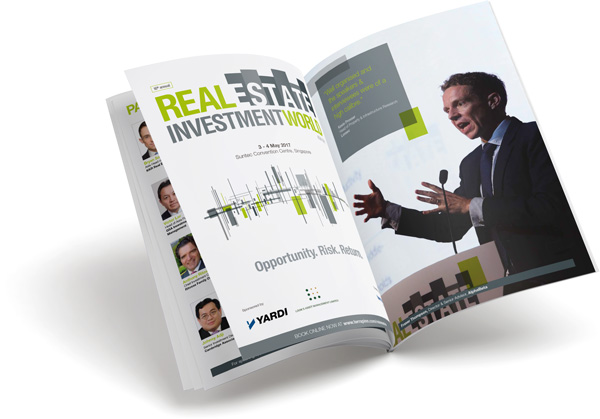
We’re pleased to unveil the 2017 agenda and speakers for the 16th edition of Real Estate Investment World.
This is the only conference in Asia that brings you LPs, GPs, developers, REIT owners, banks and more, to get straight to the heart of the investment opportunities for your business, exploring emerging asset classes and geographies across Asia Pacific.
Whether you’re looking to leverage new technologies, understand the different investment climates across the region, or simply want to hear from some of the brightest minds in the industry, you should join us.
Enter your details below to get event updates
Supported by:

Held in:

Organiser
