-

19 October 2026 | Workshop Day
20-21 October 2026 | Conference & Exhibition
RAI Convention Centre, AmsterdamR&D + Strategic Partnering For The
Global Vaccine Industry
Europe's Largest Vaccine Event
From basic research to commercial manufacture, this one meeting covers the whole vaccine value chain where science, government and manufacturers all come together to create groundbreaking progress.
2,000+
Attendees
280
Speakers
150+
Exhibitors
3
Days
2,000+
1 to 1 Partnering Meetings
18,000+
Networking Connections
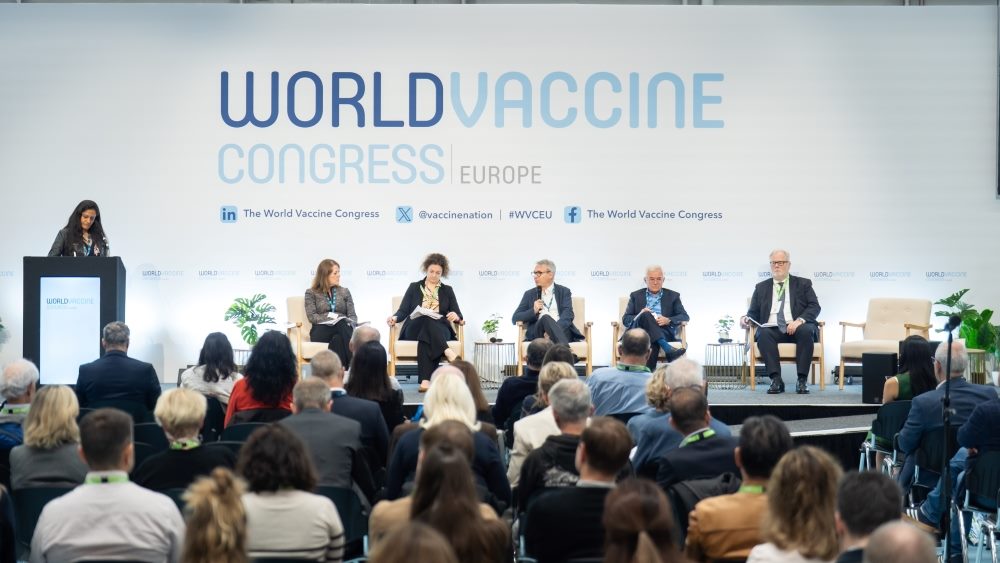
Covering Clinical Development, Bioprocessing & Manufacturing, Cancer Immunotherapy and much more
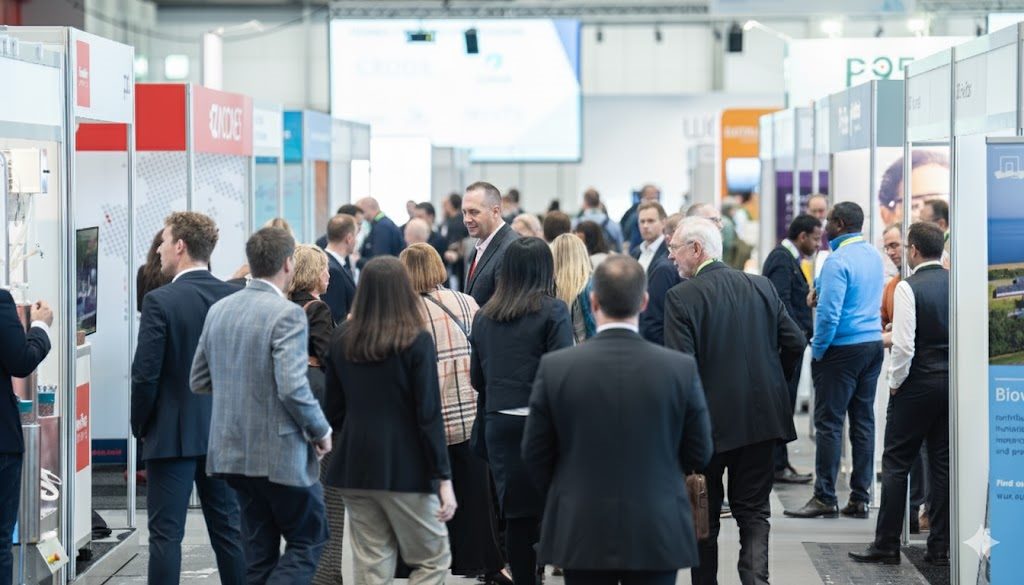
150+ leading solution providers from across the globe, featuring new ways of thinking and novel partnerships to generate solutions
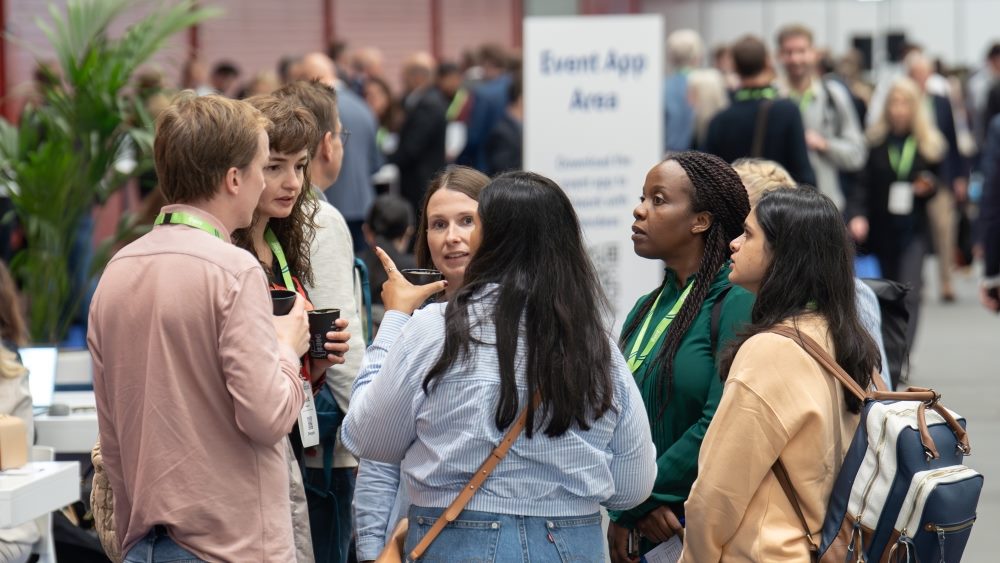
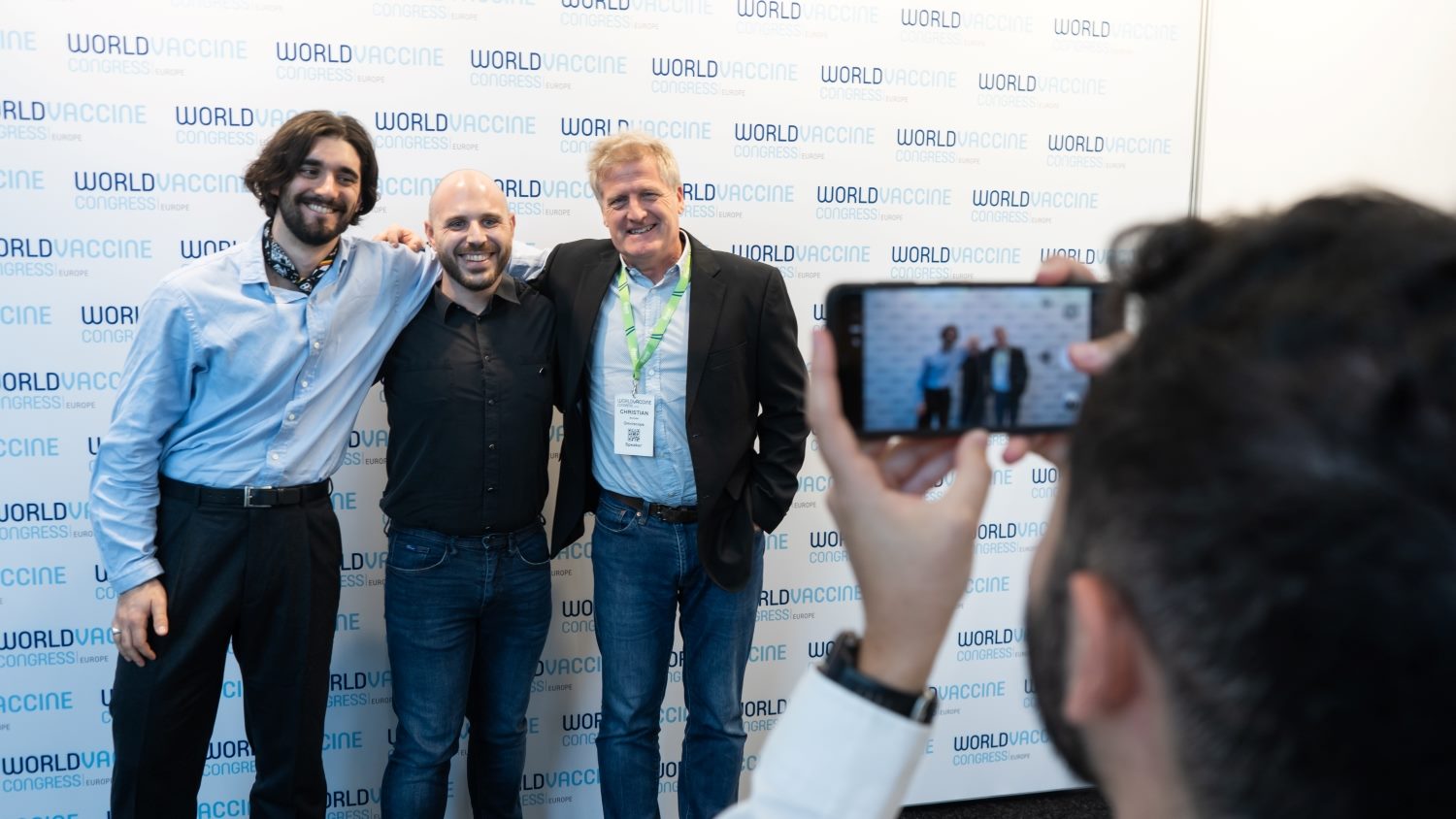
Networking is at the heart of World Vaccine Congress Europe. Our congress allows you to connect directly with thousands of vaccine experts across 4 days of built-in 1-2-1 networking

The Start-to-Finish of Vaccines
From immune profiling & clinical development, to global health, supply, and access
















2026 Speakers
 Marco CavaleriHead of Public Health ThreatsEuropean Medicines Agency
 Charlotte VernhesDirector Scientific and Medical AffairsVaccines Europe
 Jerome KimDirector GeneralIVI
 Jean-Francois ToussaintGlobal Head of Research and Development Vaccinessanofi
 Melanie SavilleChief Scientific OfficerPATH
 Maria Elena BottazziCo-Director of Texas Children's Hospital Center for Vaccine DevelopmentBaylor College of Medicine
 Robb ButlerDirector, Division of Communicable Diseases Environment and HealthWorld Health Organisation (WHO)
 Kate O'BrienDirector, Immunization, Vaccines and BiologicalsWorld Health Organisation (WHO)
 Erick LelouchePresidentLYONBIOPOLE
 Raman RaoChief Executive OfficerHilleman Laboratories Singapore Pte Ltd
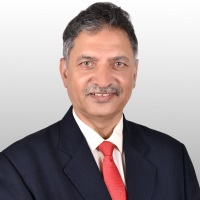 Rajinder SuriChief Executive OfficerDeveloping Countries Vaccine Manufacturers Network
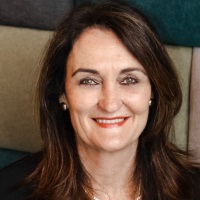 Petro TerblancheChief Executive OfficerAfrigen Biologics (Pty) Ltd
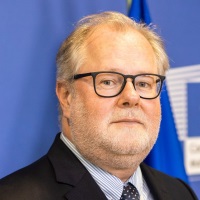 Wolfgang PhilippPrincipal Adviser for Health and Crisis Management, Directorate-General for Health and Food Safety (SANTE)European Comission
 Mark JitChair and Professor, Department of Global and Environmental HealthNEW YORK UNIVERSITY
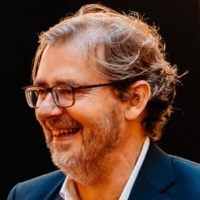 Maarten PostmaChair, Faculty of Economics & Business,University of Groningen
 Charlie WellerHead of VaccinesWellcome Trust
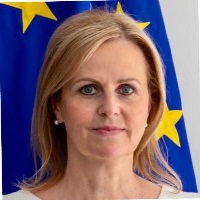 Florika Fink-HooijerDirector GeneralHealth Emergency Preparedness and Response Authority
 Jeffrey AlmondFormer VP Discovery R&D, Sanofi & Visiting ProfessorUniversity of Oxford
 Andrew DeavinSenior DirectorGSK
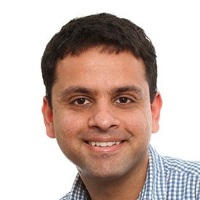 Ankur MutrejaDirector of External Affairs and Health SecuritySouth Asia-PATH
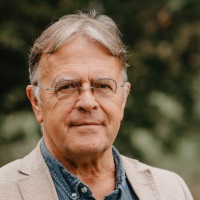 Jan PoolmanExecutive Advisor & FounderCreaBacVac B.V.
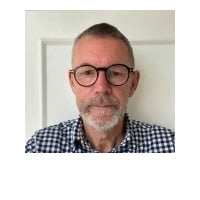 Jeremy SaltChief Executive OfficerThe Vaccine Group
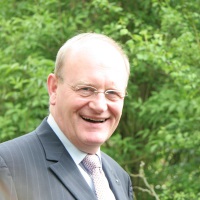 Joris VandeputtePast PresidentIABS
 Yap Boum IIDeputy Head of the Mpox ResponseAfrica CDC
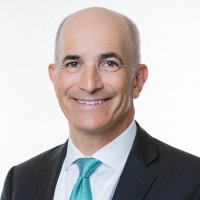 Michael CaldwellAssoc VP Vaccine Research & EducationMeharry Medical College
 Mark GeelsSenior DirectorIAVI
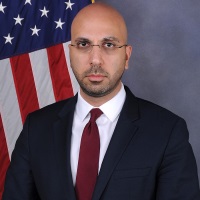 Kayvon ModjarradGlobal Medical Lead, Seasonal and Pipeline VaccinesPfizer
 Nina van SorgeHead of Netherlands Reference Laboratory for Bacterial MeningitisAmsterdam UMC
 Richard WhiteProfessor of Infectious Disease EpidemiologyLondon school of Hygiene and Tropical Medicine
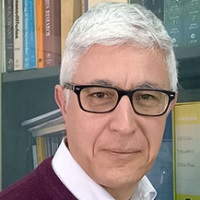 Luigi BuonaguroLab directorNational Cancer Institute
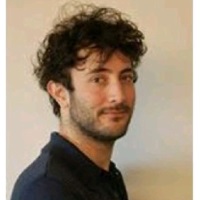 Fabrizio ChiodoAssociate ProfessorItalian National Research Council
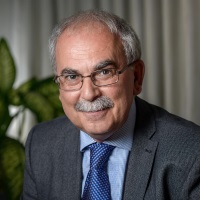 Bassam HallisHead of Vaccine Development and Evaluation CentreUK Health Security agency
 Erta KalanxhiDirector of PartnershipsOne Health Trust
 Hester KuipersExec Director EuropeIAVI
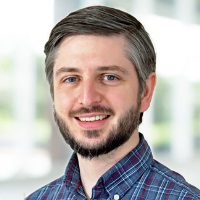 Darren LeneghanConsultant, Life SciencesVenture Valuation
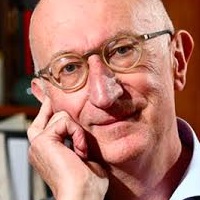 Geert Leroux RoelsProfessor EmeritusGent University
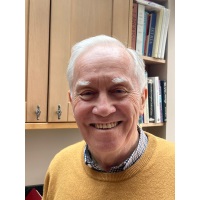 Stephen LockhartDirectorHurst Grange Associates
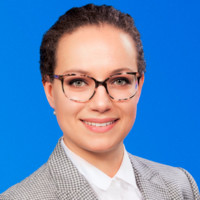 Irina MelnHead of InnovationEuropean Vaccine Initiative
 Arto A. PalmuChief Scientific OfficerFVR – Finnish Vaccine Research | FVR – Suomen rokotetutkimus
 Hanneke SchuitemakerCSOValneva Austria GMBH
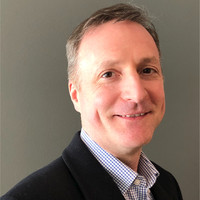 George SimeonCEOCurevo Vaccine
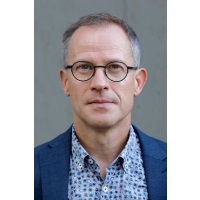 Nico VandaeleProf. dr.KU Leuven, Access-To-Medicines Research Centre
 Elissa R WeitzmanAssociate Professor, Director of ResearchBoston Children's Hospital, and Harvard Medical School
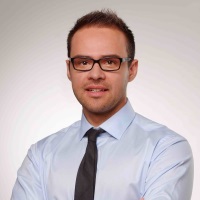 Mateusz Hasso-AgopsowiczTechnical OfficerWorld Health Organization
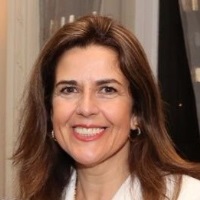 Ligia PintoDirectorate DirectorFrederick National Laboratory for Cancer Research
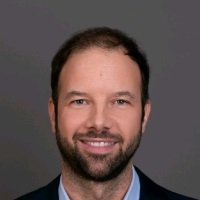 Gerben MarsmanHead of Alliance ManagementVaccine Formulation Institute
 Ole OlesenProfessorEuropean Vaccine Initiative
 Faith OsierCo-directorImperial College London
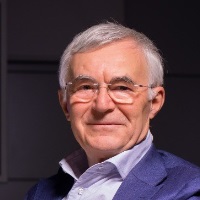 Rino RappuoliScientific DirectorFondazione Biotecnopolo di Siena
 Holy AkwarScience Advisor, Veterinary & AMRInternational Centre for Antimicrobial Resistance Solutions (ICARS)
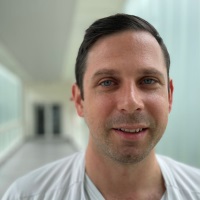 Tor Biering-SorensenProfessor, Faculty of Health and Medical Sciences, University of CopenhagenHerlev and Gentofte Hospital
 David BurkhartCEOInimmune Corp
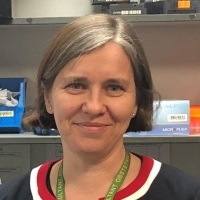 Lucy ChappellChief Scientific AdviserUK Department of Health and Social Care
 Rory De VriesAssociate ProfessorErasmus M.C.
 Martin FriedeHead, vaccine research unitWorld Health Organization
 Pete GardnerScientific DirectorLifeArc
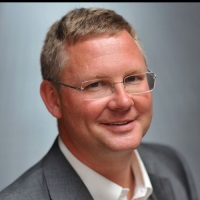 Martin Peter GrobuschProfessor of Infectious Diseases & Global HealthAmsterdam UMC
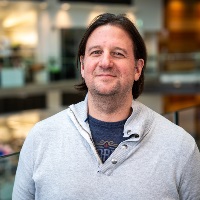 Jonathan HareTranslational Science LeadThe Francis Crick Institute
 Jonathan JonesManager - Microbial FermentationCpi
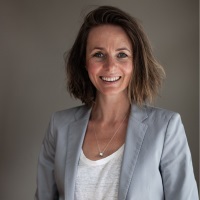 Judith KallenbergGlobal Health Access Programs and Partnerships LeadGSK
 Zoltán KisSenior Lecturer (Associate Professor)Department of Chemical and Biological Engineering, The University of Sheffield
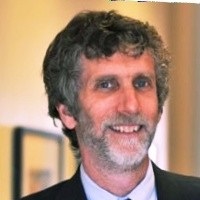 Wayne KoffManaging PartnerNext Frontier Advisors
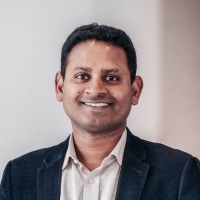 Raja (S) RajaramHead of Global Medical StrategySeqirus
 Ruben RizziSVP Global Regulatory Affairs, Safety & PharmacovigilanceBioNTech SE
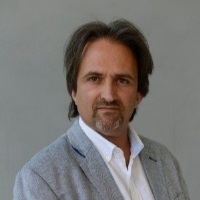 Reda SadkiExecutive DirectorThe Geneva Learning Foundation
 Anja SchreijerMedical Director Pandemic and Disaster Preparedness CenterErasmus MC
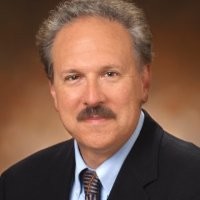 Walter StrausVice President, Clinical Safety & Risk ManagementModerna Therapeutics
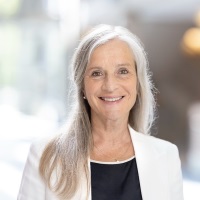 Miriam SturkenboomProfessor in RWE & Head, Department of DataScience and Biostatistics, University Medical Center Utrecht & PresidentVAC4EU
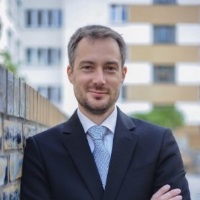 Roland VenturaHead of StrategyVaccine Formulation Institute
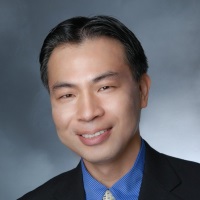 Y. Tony YangProfessorThe George Washington University
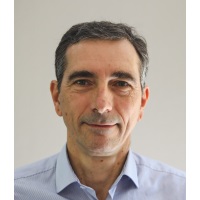 Paul-Henri DerrienIndustrial DirectorFrance Biolead
 Nigel TempertonProfessor and DirectorUniversity of Kent
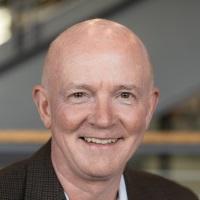 Tim CookeCEOOmniose
 Maheshi RamasamyChief InvestigatorOxford Vaccine Group
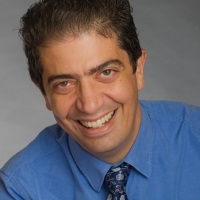 Ofer LevyDirector, Precision Vaccines ProgramBoston Children's Hospital
 Nicola LewisDirector of Worldwide Influenza CentreThe Francis Crick Institute
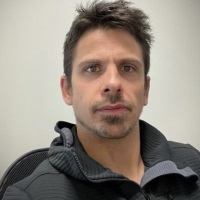 Alessandro ManentiChief Development OfficerVisMederi S.r.l.
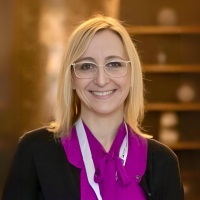 Giovanna RiggallHead of Heath Supply ChainUnimed
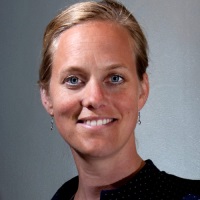 Meta RoestenbergClinical Head, Controlled Human Infection CenterLeiden University Medical Center (Netherlands)
 Sarah BlagdenProfessor of Experimental OncologyUniversity of Oxford
 Kashmira DateMedicalPfizer
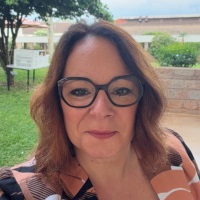 Karelle DE LUCAHead of R&DGALVmed
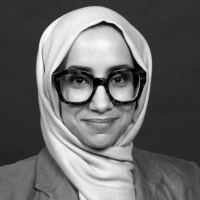 Mariam Jamal-HanjaniProfessor of Cancer Genomics and Metastasis Research Department of OncologyUCL Cancer Institute - Paul OGorman Building
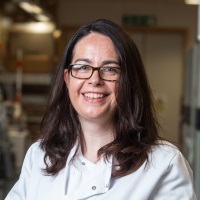 Teresa LambeCalleva Head of Vaccine Immunology & Professor of Vaccinology & ImmunologyUniversity of Oxford
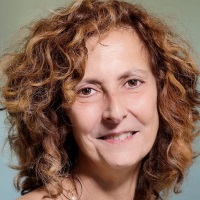 Mariagrazia PizzaChair in MicrobiologyImperial College London
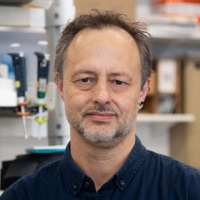 Miguel PrudencioGroup LeaderGulbenkian Institute for Molecular Medicine
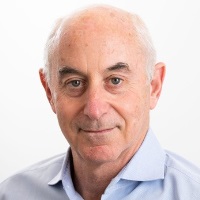 David GoldblattProfessor of Vaccinology and Immunology and Director of Clinical Research and Developmentucl
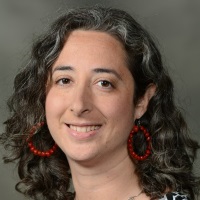 Keira CohenExecutive Medical DirectorJanssen (J&J)
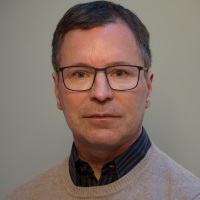 Mats LundgrenCSOAbera Bioscience AB
 Ab OsterhausDirector of Research Center For Emerging Infections and Zoonoses and ProfessorUniversity of Veterinary Medicine Hannover
 Simona RondiniHead Bacterial Vaccines and Senior Project Leader at GVGHGSK Vaccines
 Morten RuhwaldChief Medical OfficerNovo Nordisk Foundation Initiative for Vaccines and Immunity
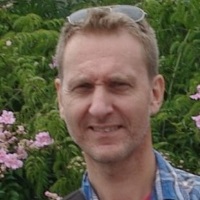 Robbert Van der MostCEOVaxxcellence
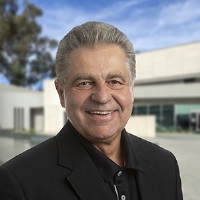 Richard WyattDirector Viral Immunology, IAVI Center for Neutralizing AntibodiesThe Scripps Research Institute
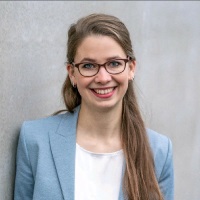 Katharina DahlmannApplication and PAT ExpertHAMILTON BONADUZ AG
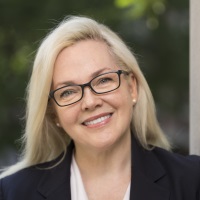 Rebecca FishProfessor, Director of Health Program at UNC Chapel HillFormerly Merck, GSK, US Senior Vaccine Advisor at HHS
 Pascal GeldsetzerAssistant Professor of MedicineStanford University
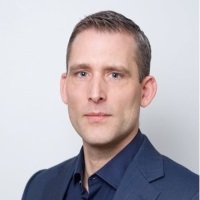 Jeroen KortekaasDirector, Viral Disease ResearchBoehringer Ingelheim
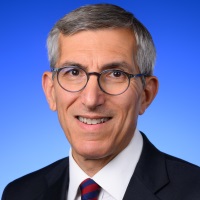 Peter MarksSVP Molecule Discovery and Head of Infectious DiseasesEli Lilly
 Jinte MiddeldorpDepartment Head Neurobiology & AgingBiomedical primate research centre
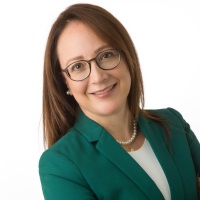 Mónica Perea-VélezCMC Advocacy and Policy DirectorGSK
 Nicholas PerombelonHead of Vaccines and TherapiesEMA
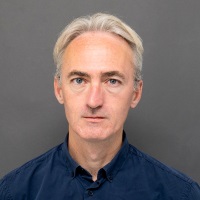 Paco PinoVP R&DExcellGene
 Dakshina ReddyHead of Global Regulatory Strategy and OperationsBill & Melinda Gates Medical Research Institute
 Anna SaernefaeltGlobal CMC LeadCEPI
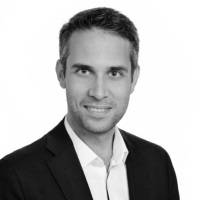 Georgios StathopoulosTechnical Officer, Vaccine AccessWorld Health Organization
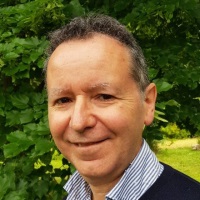 Keith SumptionFormer Chief Veterinary OfficerFAO
 Maxime TaquetAssociate ProfessorUniversity of Oxford
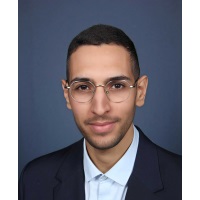 Hamid TrimechBusiness DevelopmentARCALIS, Inc.
 Peter TygesenBusiness Development DirectorSPI Pharma
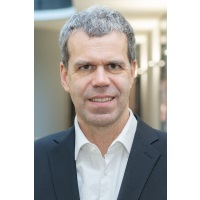 Sebastian UlbertDeputy DirectorFraunhofer-Institute for Cell Therapy and Immunology
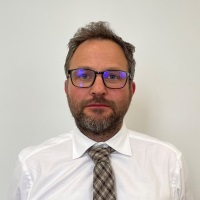 Saul WalkerDirector for Public PartnershipsCEPI
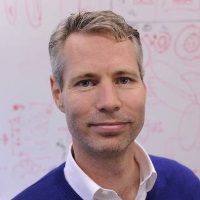 Gavin WrightProfessorUniversity of York
 Cristiana CampaCMC External Intelligence and Innovation Lead, Drug Development and SupplyGSK
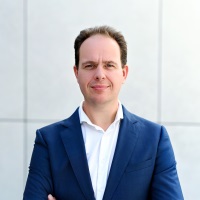 Jelle KleinMedical Director CPUSGS Belgium NV.
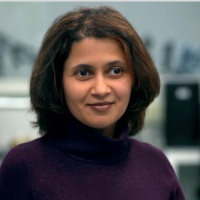 Amita VaidyaAssociate Directorsanofi
 Hamilton BennettGlobal Health Security R&D and PartnershipsModerna
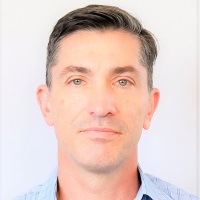 Andrew JonesPrincipal Advisor And Chief, Vaccine CentreUNICEF Supply
 Folake OlayinkaDirector of ImmunisationAfrica CDC
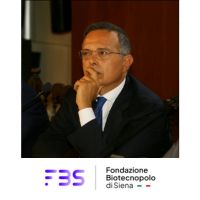 Gianluca PolifroneGeneral ManagerFondazione Biotecnopolo di Siena
 Nele SteensHead of R&D DivisionFAGG
 Thomas WaiteDeputy Chief Medical OfficerUK Department of Health
 Matthew WilsonChief Executive Officer & FounderU-Med
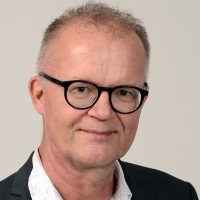 Mats WelinSenior ExpertMedical Products Agency Lakemedelsverket
 Annaliesa AndersonSVP & Chief Vaccines OfficerPfizer
 Rituparna DasTherapeutic Area Head, Respiratory VaccinesModerna
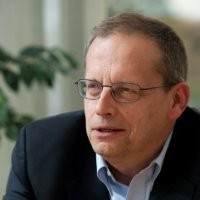 Michel De WildeFormer Senior Vice President R&D Of Sanofi Pasteur & OwnerMDW Consultant LLC
 Volker GerdtsDirector and Chief Executive OfficerVIDO
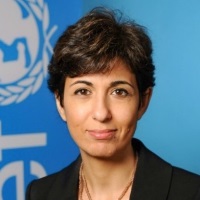 Leila Gharagozloo PakkalaDirector of Supply DivisionUNICEF SD
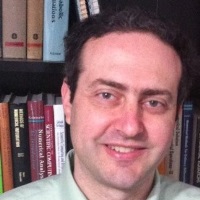 Lenny MoiseVP, ResearchSeromYx
 Karen O'HanlonChief Development OfficerStablepharma
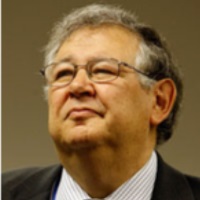 Jerald SadoffChief Medical OfficerCentivax
 Tyler SandbergProduct Manager, AssaysMabtech
 Clara SchoederAssistant ProfessorUniversity of Leipzig
 Asimenia AngelidouAssistant Professor of PediatricsHarvard Medical School
 Aparna ArvindExecutive CoachForbes Coaches Council
 Christine DahlkeTranslational Immunology LeadCEPI
 Rajat DesikanDirectorGSK
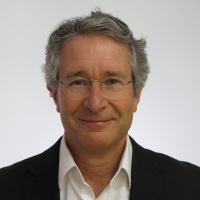 Jonathan HeeneyChief Scientific OfficerDIOSynVax
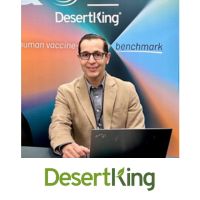 Damian HileyManaging Director, Vaccine DivisionDesert King
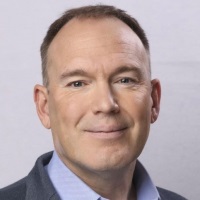 Marcus LaceyExec Director Global PandemicCSL Seqirus
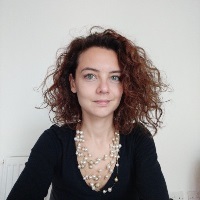 Arianna MariniAssociate Director, Global Clinical ImmunologyIAVI
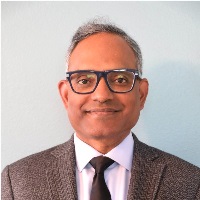 Senthil RanganathanVP, Technical Development and CMC OperationsGeoVax Labs, Inc.
 Delphine SaragoussiHead of Pharmacoepidemiology, Vaccines, Patient Safety & PharmacovigilanceSanofi
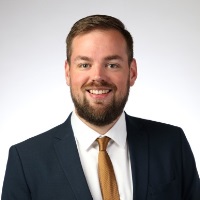 Jeffrey StolwijkScientific DirectorUneedle
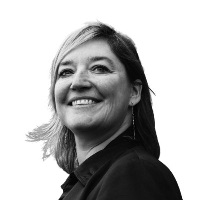 Vanessa VankerckhovenCEO & FounderIDEVAX
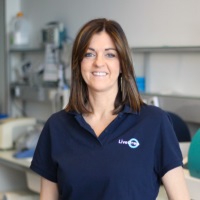 Ellen BoelenDirector Business DevelopmentImmuneSpec BV
 Sibilia QuiliciExecutive DirectorVaccines Europe
 Nicola RoseInterim Executive Director of Science and ResearchMHRA
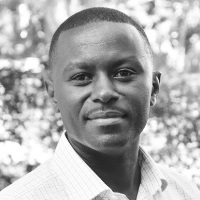 George WarimweProfessor of VaccinologyUniversity of Oxford
 Alexander DouglasAssociate ProfessorUniversity of Oxford
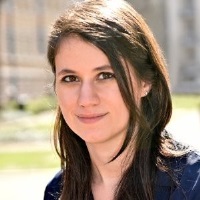 Emilie KarafillakisEuropean Director, Vaccine Confidence ProjectLondon school of Hygiene and Tropical Medicine
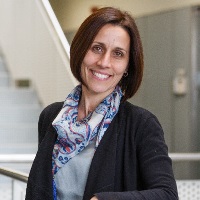 Gemma LahuertaParenteral Development DirectorLABORATORIO REIG JOFRE, S.A.
 Niall MacaulayPolicy OfficerHealth Emergency Preparedness and Response Authority
 Ana MilinkovicGlobal Regulatory LeadGSK
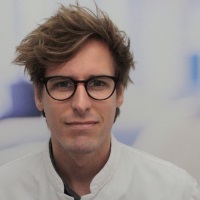 Valentjin SchweitzerClinical Microbiologist and EpidemiologistUniversity of Utrecht
 Elske SieswerdaClinical Microbiologist and EpidemiologistEcraid
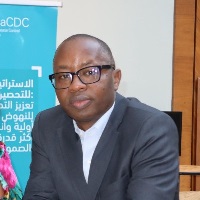 Fidele Ngabo GagaHead of RMNCAH DivisionAfrica CDC
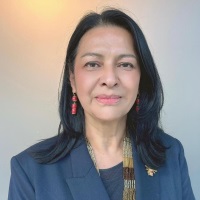 Ana Maria Henao-RestrepoLead R&D Blueprint for Epidemics, Health Emergencies Programme (WHE),World Health Organisation (WHO)
 Flavie VialProgramme Officer vaccines & vaccinationWOAH
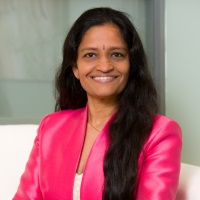 Jayasree IyerChief Executive OfficerAccess to Medicine Foundation
 Kim BouwmanWageningen University
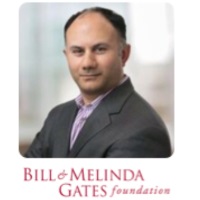 Ajoy ChakrabartiPortfolio And Platform LeadThe Bill & Melinda Gates Foundation
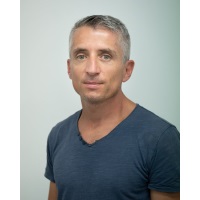 Mathieu EpardaudCo-founder & Scientific consultantLovaltech
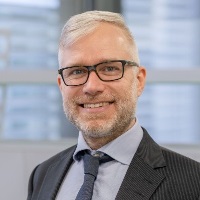 Tim FugmannCSO and Co-founderAlithea Bio
 Danna HargettHead of Strategy Development GroupAlcimed
 Stijn HollemeerschMedical Affairs DirectorHIPRA
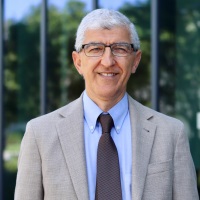 Ashraf IbrahimFounder and CEOVitalex Biosciences LLC
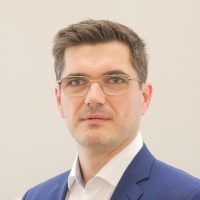 Heiko KellerSupply Chain ManagerCenter for Pandemic Vaccines and Therapeutics (ZEPAI) at Paul-Ehrlich-Institute (PEI)
 Meghan PenniniDirector, Translational ScienceFoundation for the National Institutes of Health
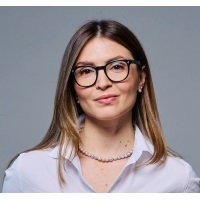 Blerina ShkodraChief Scientific Officerleon-nanodrugs GmbH
 Robert WalkerExecutive Vice President, Head of R&DNovavax
2026 Sponsors and Exhibitors
Exhibitor

Silver Sponsor

Silver Sponsor

Diamond Sponsor

Platinum Sponsor

Gold Sponsor

Gold Sponsor

Silver Sponsor

Silver Sponsor
Silver Sponsor

Silver Sponsor

Silver Sponsor
Silver Sponsor

Silver Sponsor

Silver Sponsor

Silver Sponsor
Silver Sponsor

Silver Sponsor

Silver Sponsor

Silver Sponsor

Silver Sponsor

Associate Sponsor

Associate Sponsor

Associate Sponsor

Associate Sponsor

Associate Sponsor

Associate Sponsor

Associate Sponsor

Associate Sponsor

Associate Sponsor

Associate Sponsor

Associate Sponsor

Associate Sponsor

Associate Sponsor

Associate Sponsor

Associate Sponsor

Associate Sponsor

Associate Sponsor

Associate Sponsor

Associate Sponsor

Associate Sponsor

Company Showcase Sponsor

Company Showcase Sponsor

Company Showcase Sponsor

Company Showcase Sponsor

Company Showcase Sponsor

Company Showcase Sponsor

Company Showcase Sponsor

Company Showcase Sponsor

Company Showcase Sponsor

Company Showcase Sponsor

Company Showcase Sponsor

Company Showcase Sponsor

Company Showcase Sponsor

Company Showcase Sponsor

Company Showcase Sponsor

Company Showcase Sponsor
Company Showcase Sponsor

Exhibitor

Exhibitor

Exhibitor

Exhibitor

Exhibitor

Exhibitor

Exhibitor

Exhibitor

Exhibitor

Exhibitor

Exhibitor

Exhibitor

Exhibitor

Exhibitor

Exhibitor

Exhibitor

Exhibitor

Exhibitor

Exhibitor

Exhibitor

Exhibitor

Exhibitor

Exhibitor

Exhibitor

Exhibitor

Company Showcase Sponsor

Exhibitor

Exhibitor
Startup

Startup

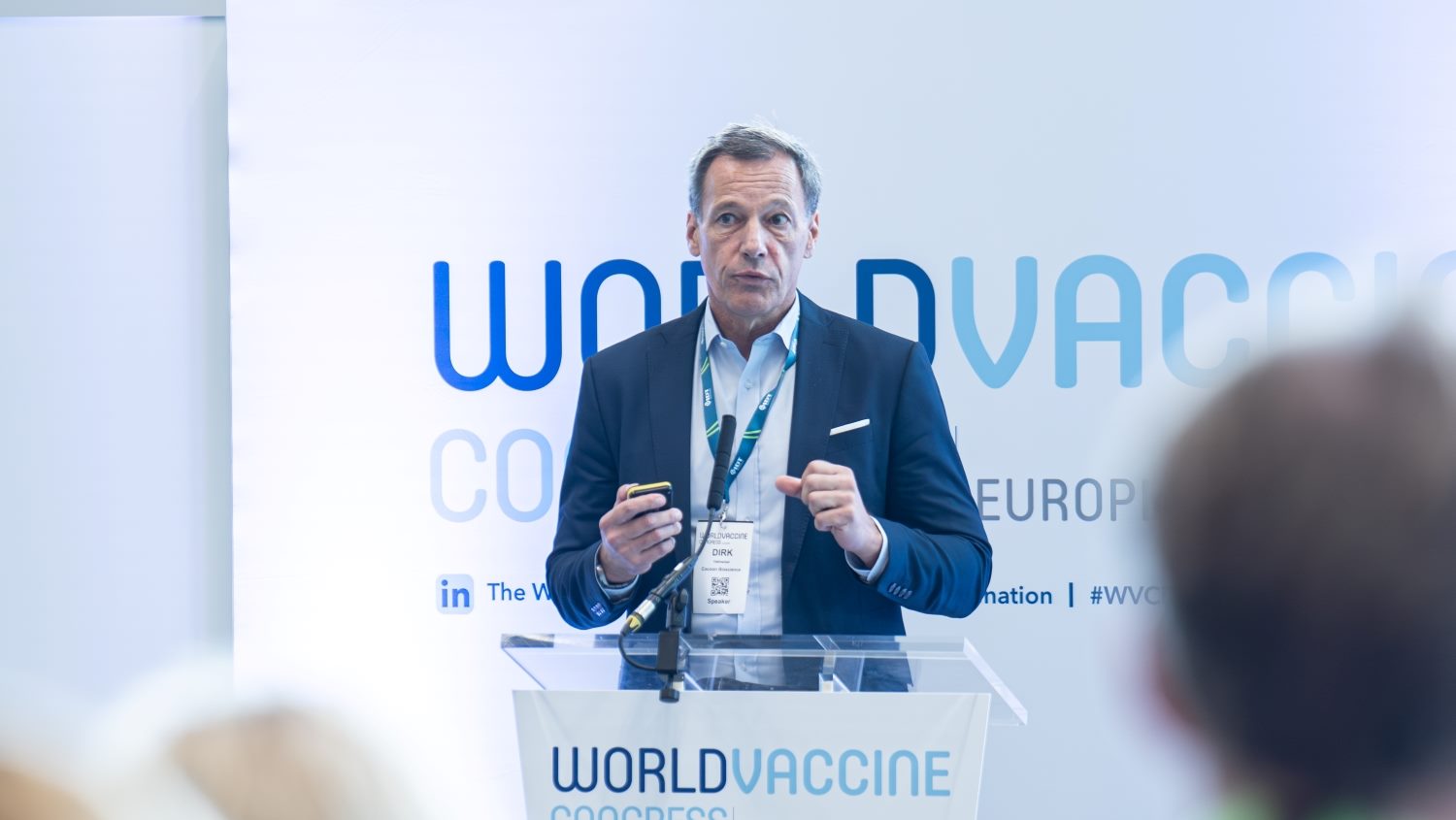
perfect for effective networking, and the
sessions were interesting.”
- Head of Innovation, European Vaccine Initiative
minute detail is kept in mind. An excellent set of speakers from all over the world, with latest topics addressed by subject matter experts.”
- CEO, DCVMN
- Michael Caldwell, Associate Vice President, Vaccine Research & Education, Meharry Medical College
Created by


Terrapinn is proud to be a member of isla.
Working together to build sustainable events