-
26 October 2026 | Workshop Day
27-28 October 2026 | Conference & Exhibition
RAI Congress Centre, AmsterdamStrategy, Advocacy & Partnering For
The Global Orphan Drug Industry
The World's Largest Rare Disease Event
The World Orphan Drug Congress is the largest and most established orphan drug & rare disease meeting of its kind across the globe.
From cell and gene therapy, genetic testing, and market access, to real world evidence, this one meeting covers the whole orphan drugs value chain where science, government and manufacturers all come together to create groundbreaking progress.
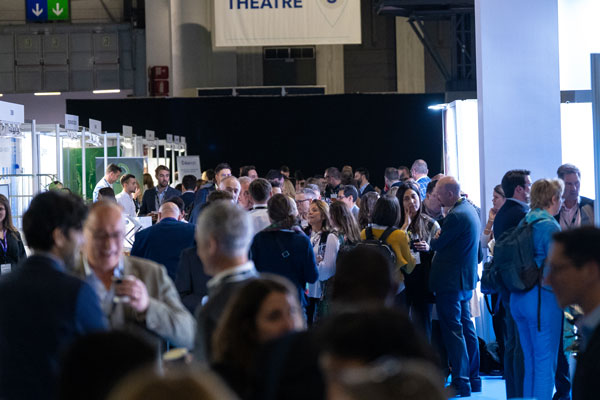
1,800+
Attendees
250+
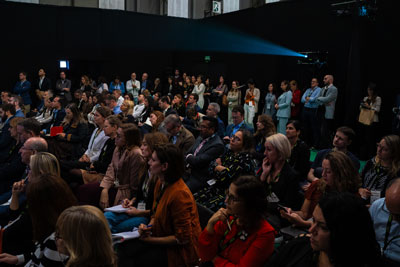
Speakers
100+
Exhibitors
3
Days
1,000+
1 to 1 Partnering Meetings
10,000+
Networking Connections
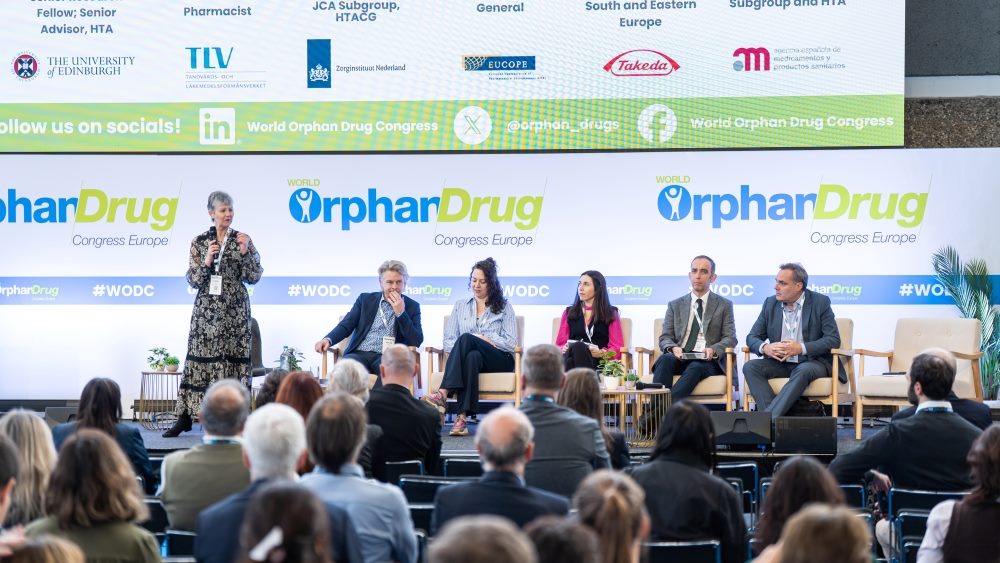
Covering cell & gene therapy, genetic testing, market access, real world evidence, orphan drugs policy and much more
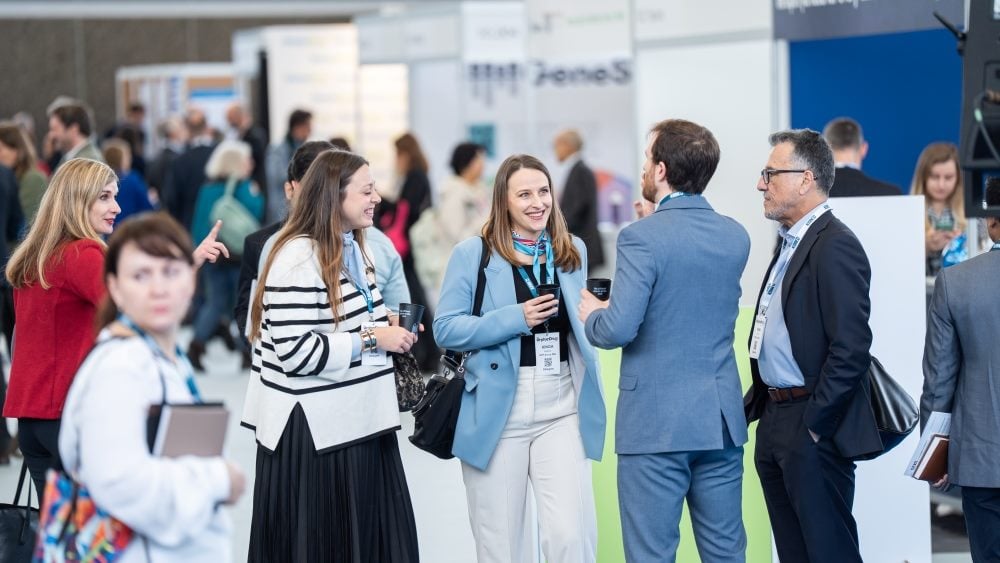
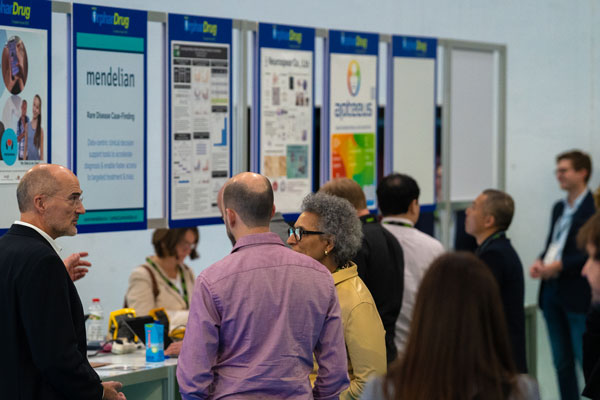
130+ leading solution providers from across the globe, featuring new ways of thinking and novel partnerships to generate solutions.
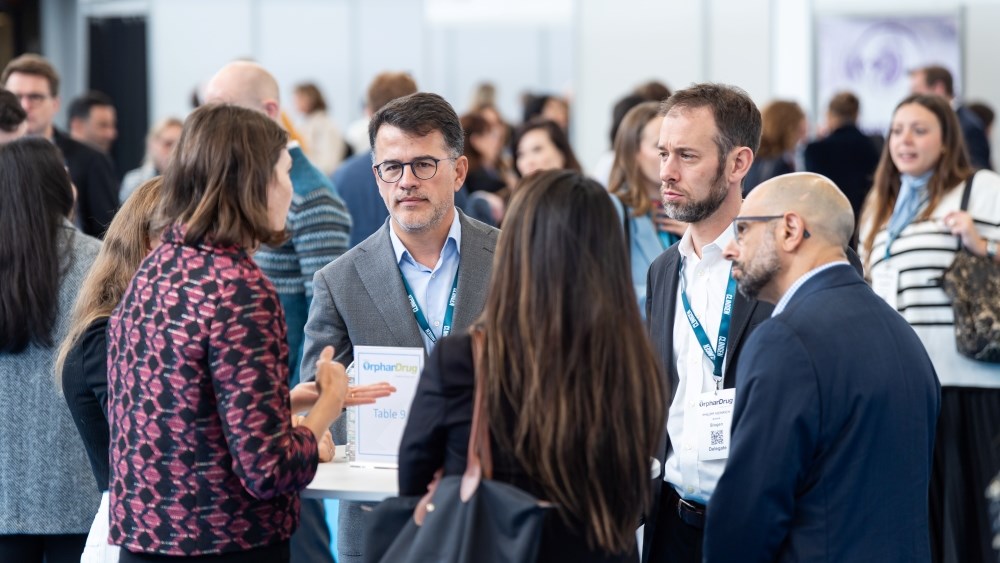
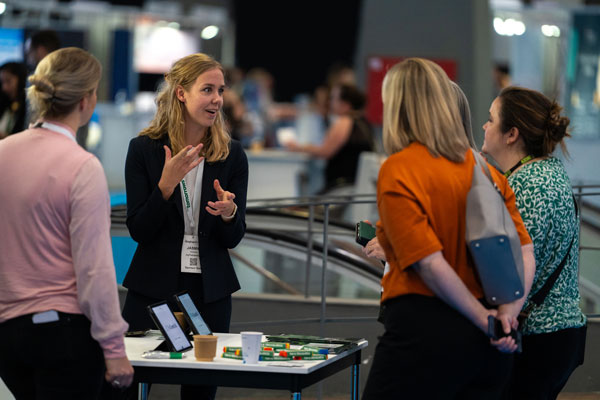
Networking is at the heart of World Orphan Drug Congress. Our congress allows you to connect directly with thousands of pharma experts across 3 days of built-in 1-2-1 networking
The Start-to-Finish of Orphan Drugs
From regulation and policy to global pricing and gene therapy
 Cell & Gene Therapies
 Genetic Testing
 Gene Editing
 Partnering & Investment
  Global Market Access
 Expanded Access Programs
 Real World Evidence
 Global Patient Advocacy
 Value Based Pricing & Reimbursement
 Epidemiology & Forecasting
 Orphan Drugs Policy
 Gene Therapy Development
 Clinical Trials
 Payers, HTA and Pricing
 Manufacture
In Partnership With
Past Speakers
 OMAR ALIFORMER ADVISER NICE / HEAD OF PAYERSVERPORA
 Derek AnselVice President, Therapeutic Strategy Lead, Rare DiseaseRare Diseaseworldwide clinical trials
 Fabienne BartoliInspector GeneralFrench National Authority for Health
 Stefano BenvenutiHead of Public Affairs and Market Access, Chair of IRDiRC Funders Constituent Committee (CCC)Fondazione Telethon
 Corinne BlanchetExecutive Director, Program Delivery, Rare Disease & PediatricsPremier Research
 Lara BloomPresident and CEOThe Ehlers-Danlos Society
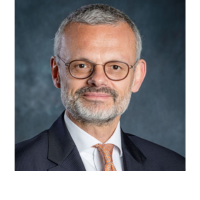 Thomas BolsHead of Government Affairs and Patient Advocacy, EMEA & APACPTC Therapeutics
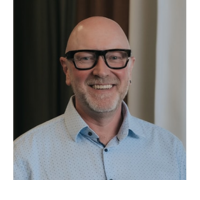 Matt Bolz-JohnsonMental Health Lead & Healthcare AdvisorEURORDIS
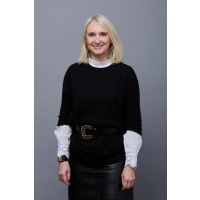 Anne-Sophie ChalandonHead of Global Public Affairs, Rare Diseases and CGT PoliciesSANOFI
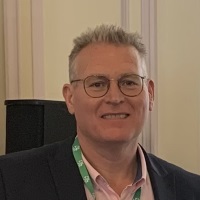 William ColeLife Science Partnership ManagerKidney Research UK
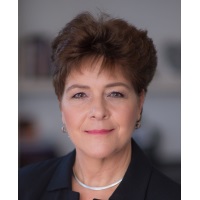 Elizabeth De LangeProfessor in Predictive PharmacologyLeiden Amsterdam Center for Drug Research LACDR
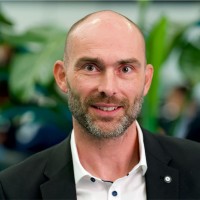 Toon DigneffeHead, Public Affairs & Public Policy, Europe & CanadaTakeda
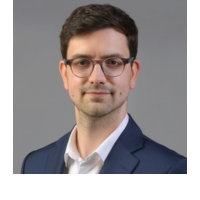 João DuarteVice President, Head of Global Regulatory Affairs ExcellenceIpsen
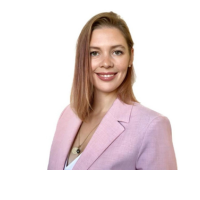 Elise EversSenior ConsultantInitiate
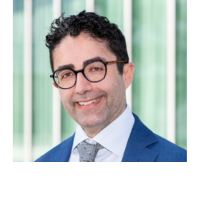 Pedro FrancoHead of Europe Global Regulatory and Scientific PolicyMerck
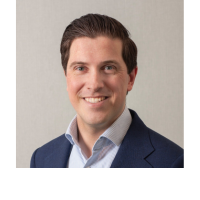 Thom FrielinkSr. AssociateCurie Capital BV
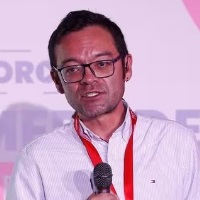 Diego Fernando Gil CardozoPresidentEnfermedades Raras en el Caribe y América Latina (ERCAL)
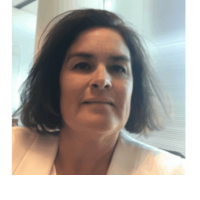 Sonia GobeilCofounderAtaxia of Charlevoix-Saguenay Foundation
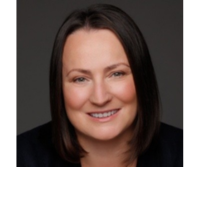 Josie GodfreyDirectorJG Zebra Consulting
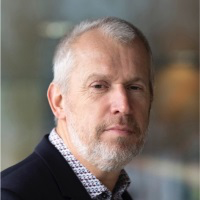 Wim GoettschSpecial Advisor HTA & Professor for HTA of PharmaceuticalsZorginstituut
 Alicia GranadosGlobal Head Scientific Advocacy and InsightsSanofi
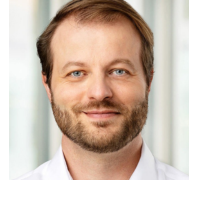 Marcus GuardianCEOInternational Horizon Scanning Initative
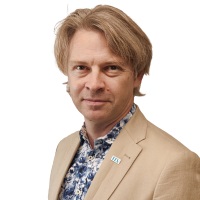 Niklas HedbergHead Of PharmacyTandvards och Lakemedelsformansverket
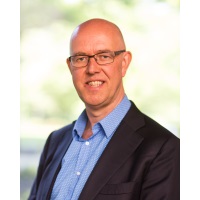 Patrick HopkinsonIndependent HTA ExpertIndependent HTA Expert
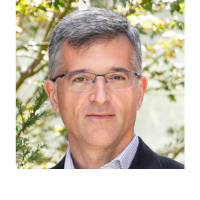 Julian IslaDirectorFoundation 29
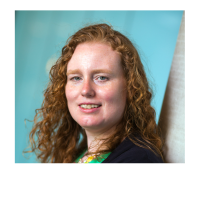 Anneliene JonkerRare Disease Therapy ResearcherUniversity of Twente
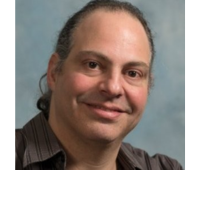 Ron JortnerFounder & CEOAspire Biosciences
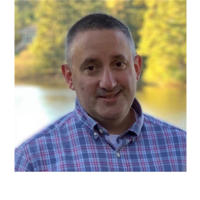 Jonathan KornsteinVP, Rare Disease & Pediatrics Clinical DevelopmentCaidya
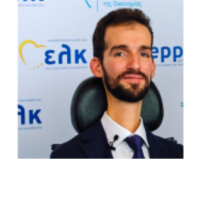 Stelios Kympouropoulosf.MEPEuropean Parliament
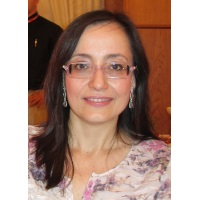 Christina KyriakopoulouPolicy Officer, Health Research ProgrammesEuropean Commission
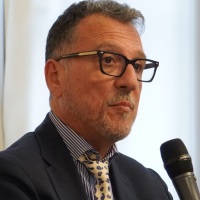 Yann Le CamFounder & Past-CEO of EURORDIS-Rare Disease EuropeVOZ Advisors
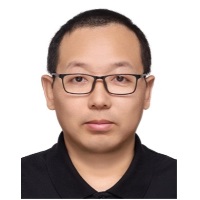 MI LIUProfessorSoochow University
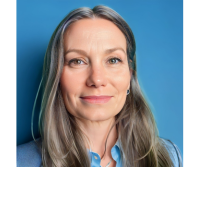 Karen MaloneCEOGeneScape
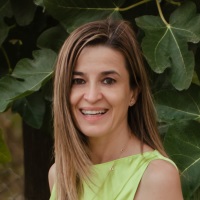 Aurora MateosFounder & DirectorMenkes International Association
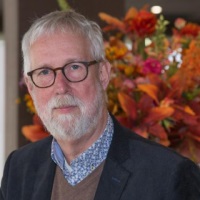 Jan MolPatient AdvocateHematon
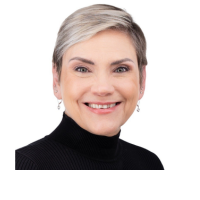 Juliet MoritzSenior VP Strategic Solutions and Patient CentricityERGOMED Clinical Research
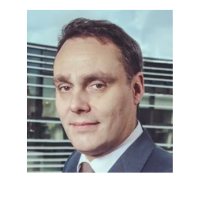 Alexander NatzSecretary GeneralEUCOPE - European Confederation of Pharmaceutical Entrepreneurs
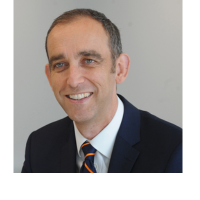 Jonathan NealHead of Central, South and Eastern Europe Takeda and EFPIA European Markets CommitteeTakeda
 Daniel O'ConnorDirector, Regulatory Policy & Early AccessABPI
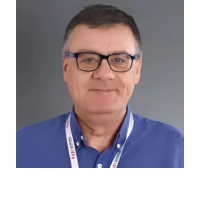 Francesc PalauDistinguished InvestigatorSJD Barcelona Children's Hospital
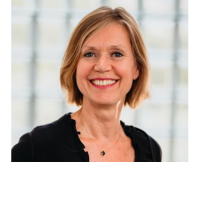 Samantha ParkerPatient Engagement Lead Rare Diseases and Vice Chair of IRDiRCItalfarmaco
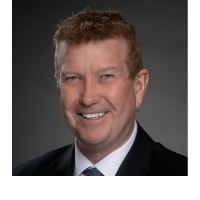 David PearceChair, International Rare Disease Research Consortium (IRDiRC)Sanford Health
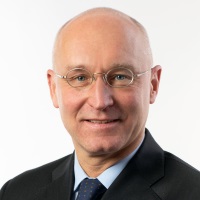 Enrico PiccininiSenior Vice President, EU & International, Rare DiseasesChiesi Group
 Shawn RitchieChief Executive OfficerMed-Life Discoveries
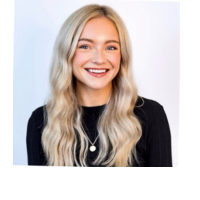 Georgia RobertsSenior Consultant HTAInitiate
 Christopher RudolfFounder & CEOVolv Global
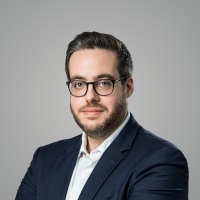 Adrien SamsonHealthcare policy senior managerEuropaBio
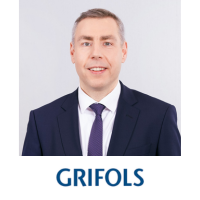 Jörg SchüttrumpfChief Scientific Innovation OfficerGrifols
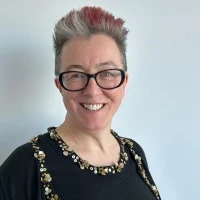 Claire SkentelberyDirector GeneralEuropaBio
 Tara SmithExec VP, Innovative TherapiesMed-Life Discoveries
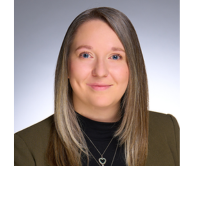 Rachel SmithVice President Therapeutic Area LeadParexel International LLC
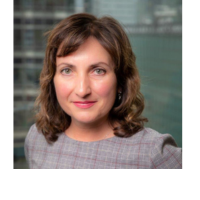 Violeta Stoyanova-BeninskaSenior Scientific Specialist at Human Division EMA, Chair of Regulatory Science Committee, IRDiRC, former Chair of COMP at EMAEMA
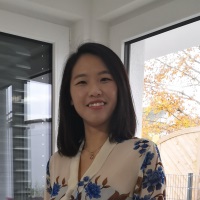 Kwee Lan TanHead of Team Regional Regulatory LeadBoehringer Ingelheim
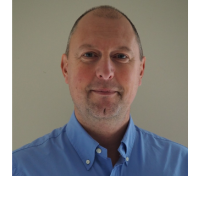 Sven TopsChief Market Access OfficerKintiga
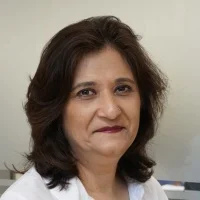 Sheela UpadhyayaLife Science Advisor in Rare DiseasesOpenflex Ltd
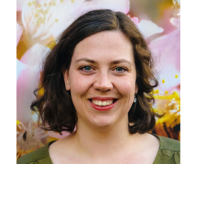 Anne WillemsenCo-chair JCA SubgroupZorginstituut Nederland
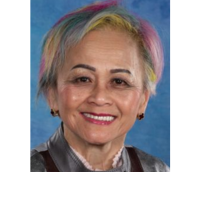 Durhane Wong-RiegerPresident, Chief Executive OfficerCanadian Organisation for Rare Disorder & Rare Diseases International
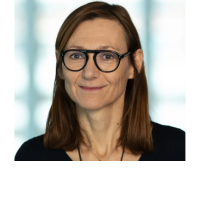 Martine ZimmermannSenior Vice President, Head of Global Regulatory AffairsIpsen
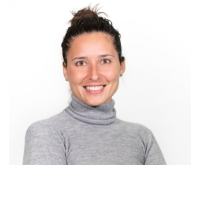 Giulia PieriniPartner, Strategic Patient Engagement & AdvocacyAlira Health
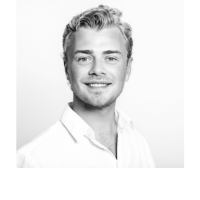 Sebastian HonoréCEOCure Lowe Foundation
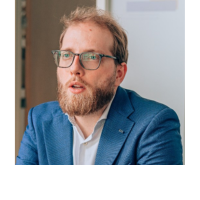 Victor MaertensGovernment Affairs DirectorEuropean Confederation of Pharmaceutical Entrepreneurs (Belgium)
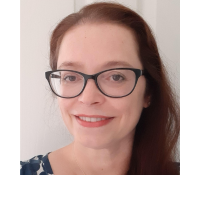 Aisling McMahonKidney Research UK
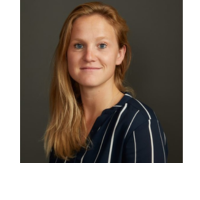 Warnyta MinnaardPatient advocateMissie Tumor Onbekend
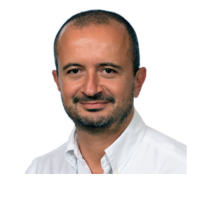 Paolo MorgeseVice President, Public Affairs, EuropeAlliance for Regenerative Medicine
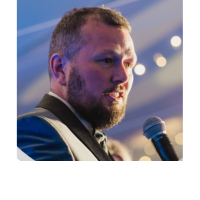 James OakleyCEOKeep Me Breathing
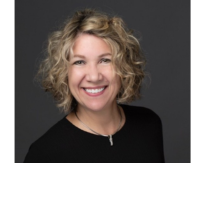 Paula OrandashDirector, Patient EngagementERGOMED Clinical Research
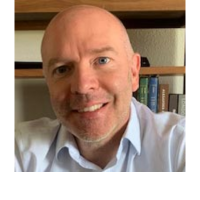 Trevor smithVPInovio
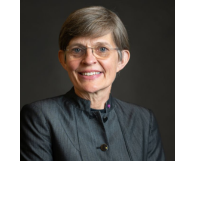 Annette BakkerCEOChildrens Tumor Foundation
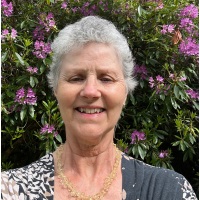 Karen FaceyChair HTAi Rare Disease Interest GroupUniversity of Edinburgh
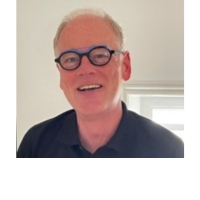 Dieter SchultewolterHead of Global Medical Affairs NeuroscienceTeva Pharmaceuticals
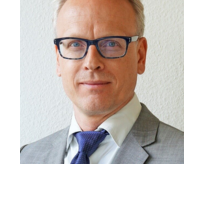 Leon van WouweClinical Innovation DirectorVolv Global
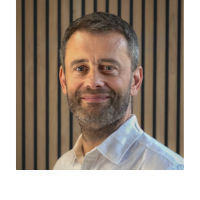 Chris Grimes-CromptonPrincipal ConsultantDECISIVE CONSULTING LTD
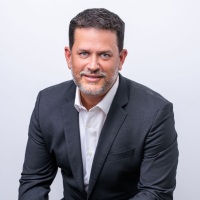 Kent RogersCEOEveryONE Medicines
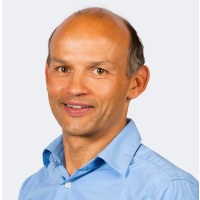 Tom Pulles, MDVP, Head of Medical Affairs & Patient Advocacy, EuropeAcadia Pharmaceuticals Inc.
 Diana SinkevichVP Market Access and HEORChiesi
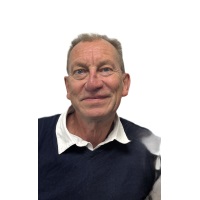 Andy BarrickCEOMultiple System Atrophy Trust UK
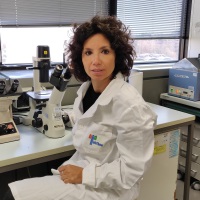 Francesca MalteccaGroup LeaderSan Raffaele Scientific Institute
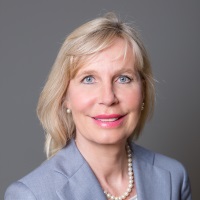 Juliane BernholzCEOA.M. Pharma
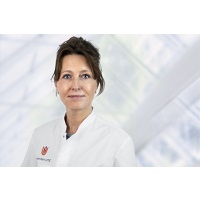 Carla HollakProfessor Genetic Metabolic DiseasesAmsterdam umc
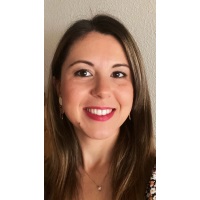 Beatriz Carmona-HidalgoPostdoctoral ResearcherJunta de Andalucía
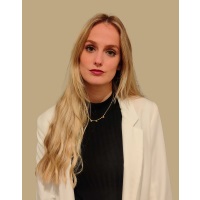 Anabel Granja DominguezResearcherJunta de Andalucía
 Alisha AngdembeSenior Health EconomistVisible Analytics
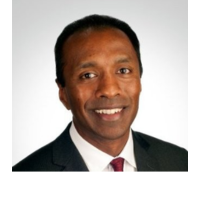 Anjan AralihalliFounderRaya Therapeutic, Inc.
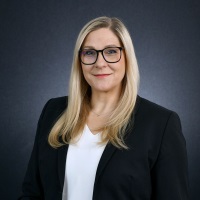 Anke Arnold-TuguluChief Regulatory OfficerAzafaros
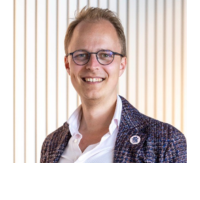 Thomas BroekhoffProject Managerhollandbio
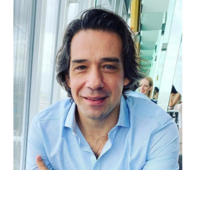 Daniel LewiCo-founder & Chief Executive OfficerThe Cure & Action for Tay-Sachs (CATS) Foundation
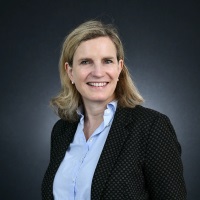 Gisela LinthorstHead of Patient Engagement and AdvocacyAzafaros
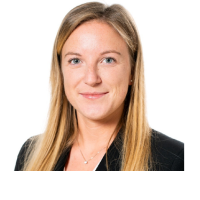 Sara BrambillaGlobal Programme ManagerRare Diseases International
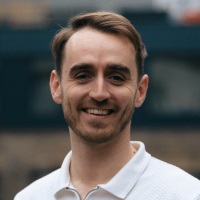 Pascal BrokmeierHead of EngineeringEvery Cure
 Henriette BurghoornAssociate Director, Market AccessGilead Sciences
 Elly DarkinDirector, Government Affairs & Policy, Europe & Canada, Rare DiseasesAlexion – AstraZeneca Rare Disease
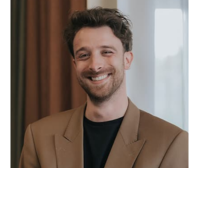 Julien DelayePatient Engagement Manager – HTA, EURORDISEURORDIS
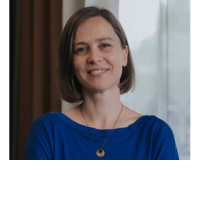 Jessie DubiefSocial Research DirectorEURORDIS
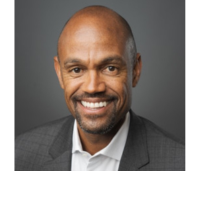 Nevan ElamFounder and Chief Executive OfficerRezolute, Inc.
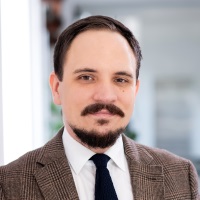 Adrian GoretzkiPresidentHealthcare Education Institute
 Jaap GroothoffMedical SpecialistAmsterdam umc
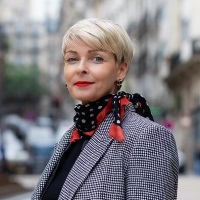 Daria JulkowskaScientific CoordinatorERDERA - INSERM
 Maria-Cruz MorilloGlobal Therapeutic Operations Lead, Rare DiseasesAllucent
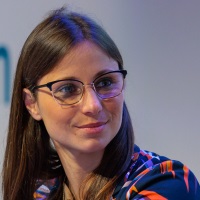 Alberta SpreaficoSenior Vice President, Health InnovationEversana
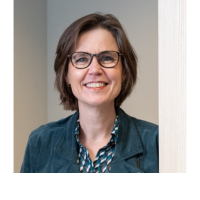 Lonneke Timmersstrategic advisorZorginstituut Nederland / National Health Care Institute
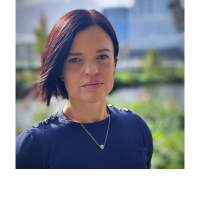 Sophie H. TurnerFounder & Strategic Patient AdvocateEmpowered By Us
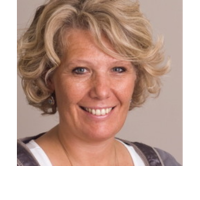 Silvia van der FlierMedical AdvisorVgz
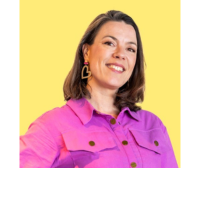 Wieteke WoutersProgramme Directorhollandbio
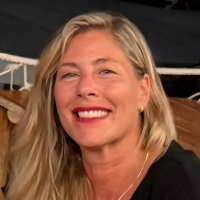 Kim AngelExecutive DirectorInternational MPS Network
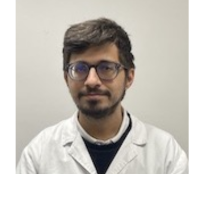 Daniele De RitisResearcherSan Raffaele Scientific Institute
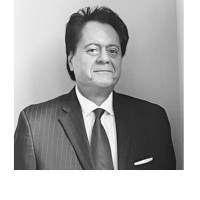 Pierantonio Russo, FCCP, FAAP, STSCorporate Chief Medical OfficerEversana
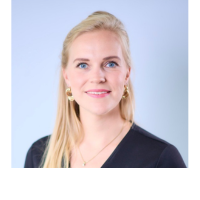 Angela Borghouts - de RuijterAssociate Director Market AccessGilead Sciences
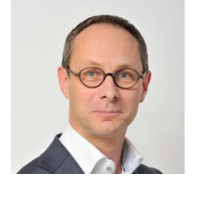 Peter MolUMCG - University Medical Center Groningen
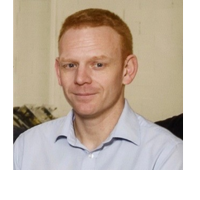 Michael MerchantScientific AdviserNational Institute for Health and Care Excellence
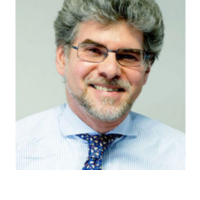 Maurizio ScarpaDirector, Coordinating Center For Rare DiseasesMetabERN
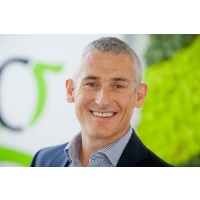 Kieron LewisDirector of Strategic ConsultingClinigen Group
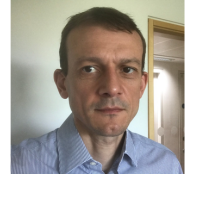 Joe StandingProfessor of PharmacometricsUniversity College London
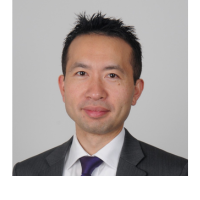 Francis PangSVP Global Market Access and International Geographic ExpansionOrchard Therapeutics
 Nathan ChadwickSenior Director, Therapeutic Strategy Lead - Rare Diseaseworldwide clinical trials
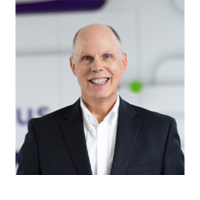 Raymond HumlVice President, Rare Disease StrategySciensus
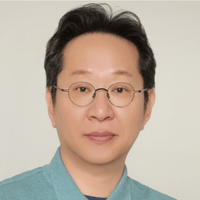 William JangTeam MemberBioMe, Inc.
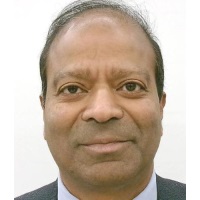 Manohar KatakamChief Executive OfficerSteroTherapeutics
 Sumira RiazPsychologist and founderUnboxed Psychology
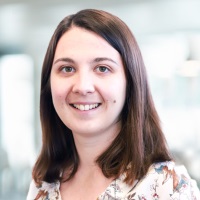 Eleanor ThurtlePrincipal ConsultantCostello Medical
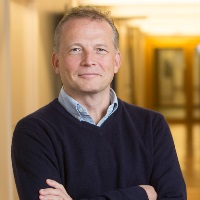 Miikka VikkulaProfessor of Human Geneticsde Duve Institute
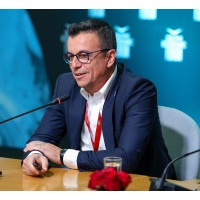 Dimitrios AthanasiouBoDWORLD DUCHENNE ORGANIZATION / UPPMD
 Viviana GiannuzziHead of Research and Innovation DepartmentFondazione per la ricerca farmacologica Gianni Benzi onlus
 Rachel HarrisonDirector, Managed Access Programargenx
 clive phillipsCEOMaking the Most of Now
 Anke Pisters-van RoyMDCZ
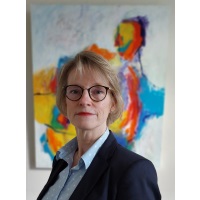 Carelle Reparon-SchuijtMedical Advisor IMFZilveren Kruis
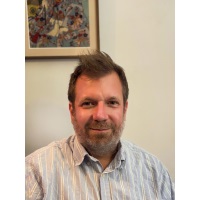 Michael WilburFounderMW Advocacy Solutions
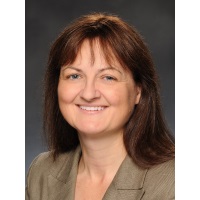 Sorrel WolowaczHead European Health EconomicsR.T.I. Health Solutions
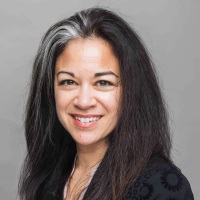 Danielle DongGlobal Medical Scientific Advocacy Lead, Rare DiseaseSanofi
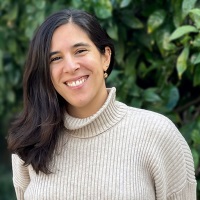 Rita FranciscoSurvey Project ManagerEURORDIS
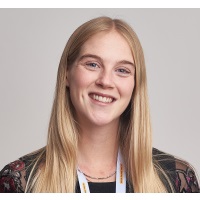 Hannah HarveyProjects ManagerBeacon for rare diseases
 Anna KoleGlobal Patient Engagement LeadUCB Pharma
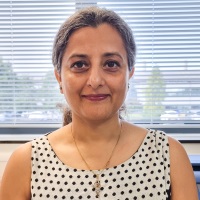 Ruchi SharmaCEOStemnovate Limited
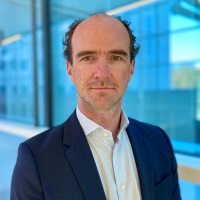 Bart van de WarrenburgProfessor of NeurologyRadboudUMC
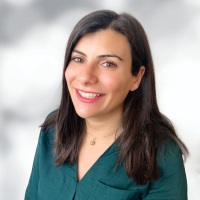 Silvy MardiguianHead of HEOR, Europe & New MarketsBeOne Medicines
 Susanne MichelHead of Market Access and HEOR EuropeClinigen
 Charlie AardewijnResearcher and patient-voice advocateVU Amsterdam
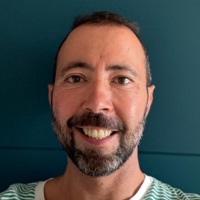 Pedro CampinoSr. Dir., Regulatory TA Lead – ImmunoglobulinsCSL Behring
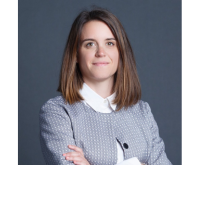 Giulia ColomboGlobal Director Payer Partnershipcsl
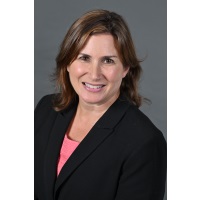 Joslyn CrowePatient Engagement & AdvocacyLexeo Therapeutics
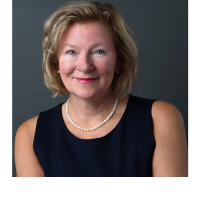 Pam CusickSenior Vice PresidentRare Patient Voice, LLC
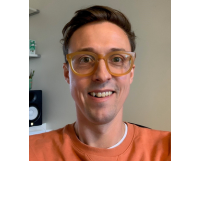 Jesper JorgensenNew Product Planning LeadUCB
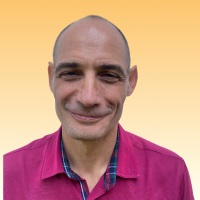 Bojan JovicMedical DirectorAllucent
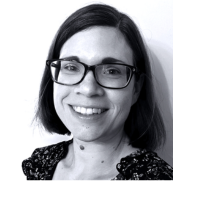 Jen LeePrincipal ConsultantHEOR Ltd
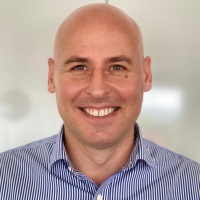 Vincent LévêqueCo-founder & CEOMirava Bio
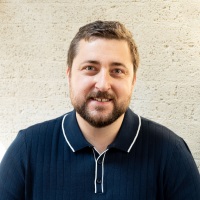 Joshua Lorenz-GuertinVice President, Research & DevelopmentSharp Therapeutics
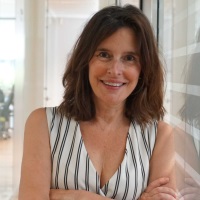 Flaminia MacchiaChief Operating OfficerORPHANET-AISBL
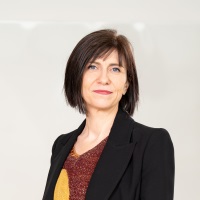 Monica OttoAssociate Professor of PracticeSDA Bocconi School of Management
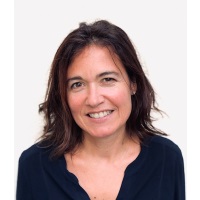 Vinciane QuoidbachManager, Public Health And Policy, Research ProjectEuropean Brain Council
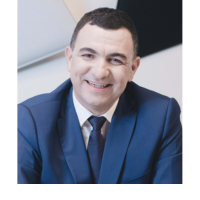 Adlane SoudaniGlobal Asset Lead Rare DiseaseIpsen
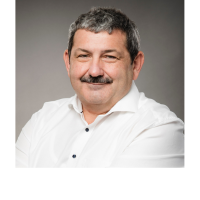 Ales StrancarMDSartorius BIA Seperations
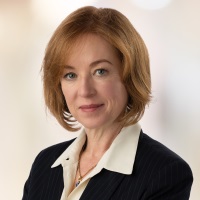 Gerdi StrydomManaging DirectorValid Insight
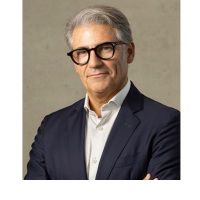 Jose Terencio AlemanySenior Vice President of DiscoveryGRIFOLS SA
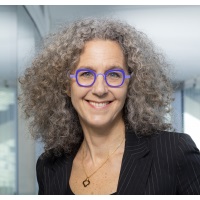 Nitza ThomassonExecutive Director, Global Head of R&D NeurologyServier
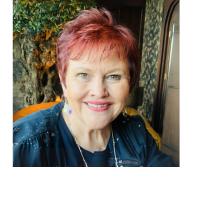 Tracey TingleDirector, Commercial Strategy, Market AccessWEP Clinical
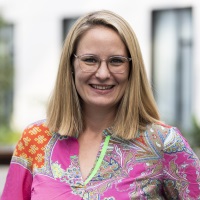 Miriam Wagner LongProject Mercury // World FSHD AllianceFSHD World Alliance // FSHD Society
 Katie WallerHead of Patient ProgrammesThe Lily Foundation
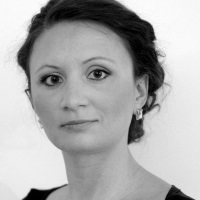 Kate WitkowskaStrategic Partnerships DirectorGenomics England
 Kaja ZarakowskaHead of Medical Diagnosis InnovationUCB
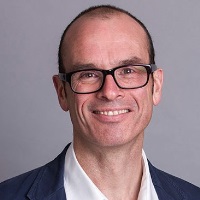 Julian HowellCEOPharmaKrysto Ltd
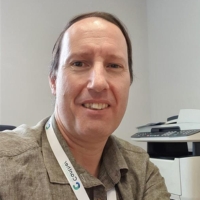 Fabrice LejeuneCSOGenvade Therapeutics
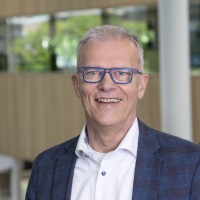 Kit RoesProfessorRadboudUMC
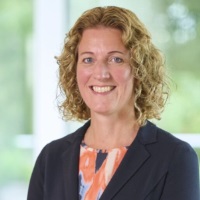 Janneke van de KampCEONorgine
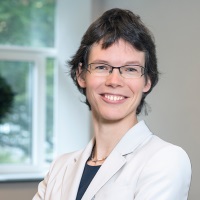 Monique van ScherpenzeelCEO & FounderGlycoMScan B.V.
 Michelle MellionChief Medical OfficerEveryONE Medicines
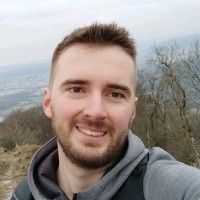 Boris SevarikaCo-Founder and CEONanoZymeX
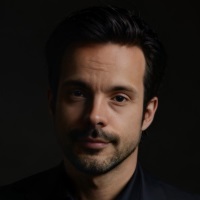 Leonid StoianovCEOTrialize
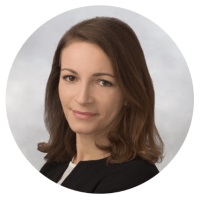 Delphine WagnerSenior Director, Regulatory AffairsKinesys Consulting
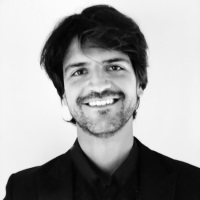 Cristobal Muñoz-SánchezProject management/RDIG projects coordinatorJunta de Andalucía
 Yiwei ChenFounderWonder Sir
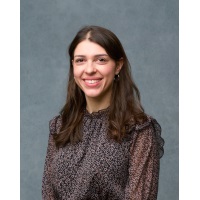 Giorgia CrimiPatient Advocacy ManagerFondazione Telethon
 Elizabeth DeFendisGovernment Business Development SpecialistBRCR Global
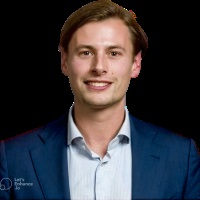 Yannick LampoBDSherwood Pharmaceuticals
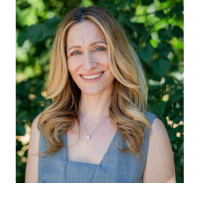 Samantha LawesDirector of Research Development & PartnershipsKidney Research UK
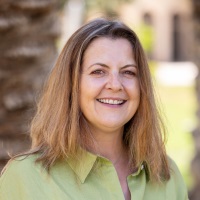 Sophie MuirChair of TrusteesTimothy Syndrome Alliance (TSA)
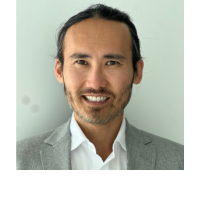 Chris ZhouVice PresidentACA Pharma
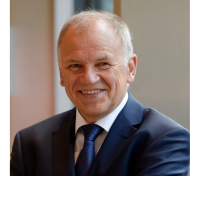 Vytenis AndriukaitisMEPEuropean Parliament
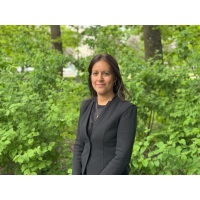 Rosa CastroPublic Affairs DirectorEURORDIS
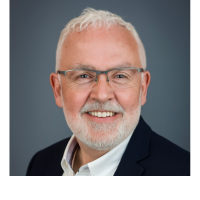 Andrew CumminsVice President of Business DevelopmentSciensus
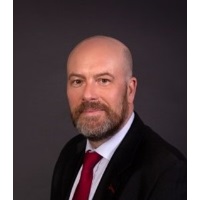 Erwan GicquelGovernment Affairs HeadMiltenyi Biotec
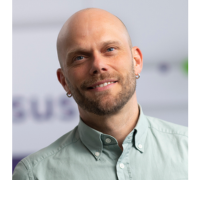 Mathieu LoiseauDirector of Rare Clinical ServicesSciensus
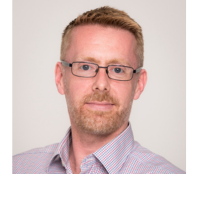 Douglas NivenStrategy Leader in Market AccessSciensus
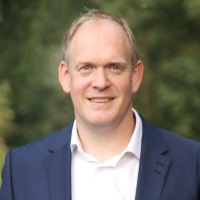 Andrew ThomsonConsultantRegnitio
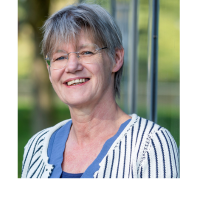 Hanka Dekkerexec directorVKS
 Mimi LeeCheif of Precision MedicineGeneDx
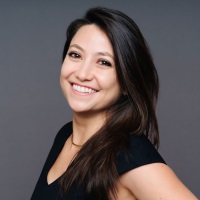 Veronica Lopez GoussetDrPH candidateHarvard T.H. Chan School of Public Health
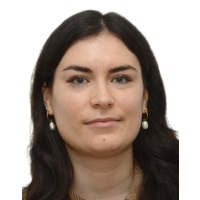 Josephine MossetSenior Policy OfficerCancer Patients Europe
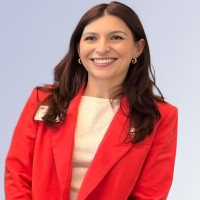 Lydia ShottonAssociate Director EU Government AffairsAlliance for Regenerative Medicine
 Anton UssiCEOEATRIS ERIC
 Mary WangDirector, Patient EngagementGenespire
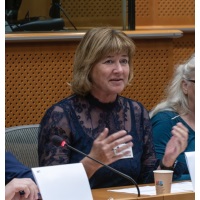 Astri ArnesenPresidentEuropean Federation of Neurological Associations
 Anissa BounabiAssistant scientific coordinatorERDERA - INSERM
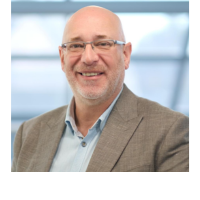 Paul BroomheadHead of SiteSGS Integrated CDMO Solutions
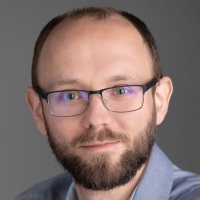 Vincent DamotteScientific Project Manager - INVENTSINSERM
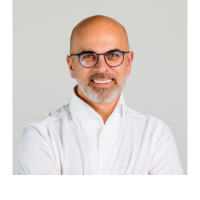 Maciej GajewskiVice President, Head Global Corporate Affairs, Rare DiseasesIpsen
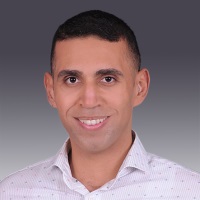 Remon HelmyAssociate Director HEORAlexion
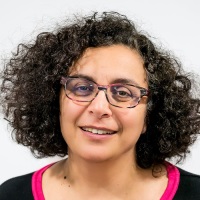 Rima NabboutMD/PhDHopital Necker- Enfants Malades
 Mark SheehanProfessorUniversity of Oxford
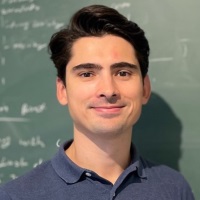 Laurens SluijtermanPostdoctoral ResearcherRadboudUMC
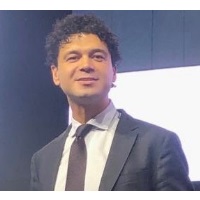 Samuele DoratoriHead of NeurologyServier
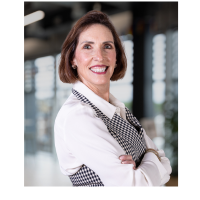 Jennifer SchranzSVP, Global Head Rare DiseasesIpsen
2025 Sponsors and Exhibitors
Platinum Sponsor

Platinum Sponsor

Gold Sponsor
Gold Sponsor
Gold Sponsor

Gold Sponsor

Gold Sponsor
Gold Sponsor
Gold Sponsor

Gold Sponsor
Gold Sponsor
Gold Sponsor
Gold Sponsor

Gold Sponsor

Gold Sponsor
Gold Sponsor

Gold Sponsor
Silver Sponsor

Silver Sponsor
Silver Sponsor
Silver Sponsor
Silver Sponsor
Silver Sponsor
Bronze Sponsor

Bronze Sponsor

Bronze Sponsor
Bronze Sponsor
Bronze Sponsor

Bronze Sponsor
Bronze Sponsor

Bronze Sponsor

Bronze Sponsor
Bronze Sponsor

Bronze Sponsor
Associate Sponsor
Associate Sponsor

Associate Sponsor

Associate Sponsor
Associate Sponsor
Session Facilitator

Exhibitor

Exhibitor

Exhibitor
Exhibitor
Exhibitor

Exhibitor
Exhibitor & Supporting Partner
Exhibitor
Exhibitor & Supporting Partner
Exhibitor & Supporting Partner
Exhibitor & Supporting Partner
Exhibitor & Supporting Partner
Exhibitor
Exhibitor
Exhibitor
Exhibitor
Exhibitor & Supporting Partner
Exhibitor & Supporting Partner
Exhibitor
Exhibitor
Exhibitor

Exhibitor
Exhibitor

Exhibitor & Supporting Partner
Exhibitor

Exhibitor
Startup
Startup
Startup

Startup
Startup

Startup
Startup
Startup
Startup
Startup
Startup

Startup

Startup

Startup
Startup
Startup
Startup

Startup

Startup
Startup
Startup

- Alexion, AstraZeneca Rare Disease
- Metabolic Support UK
- EURORDIS

- Cerner Enviza
- GenCC GmbH
Created by


Terrapinn is proud to be a member of isla.
Working together to build sustainable events