register now
get brochure
conference
add event to diary
contact us

supported by


held in conjunction with
related events
held in


Masterclasses
This year, we bring you 6 targeted workshops, giving you the hands-on practice that will make an impact on your day-to-day work!

» Pre-conference Masterclass A: Analytical Technologies to Assess Comparability and Characteristics of Biopharmaceuticals
» Pre-conference Masterclass B: Adaptive Clinical Trial Designs
» Post-conference Masterclass C: The Application of GCP and Ethical Considerations in Clinical Research in Asia
» Post-conference Masterclass D: BioBootCamp: From Scientist to CEO
» Post-conference Masterclass E: Virus and Mycoplasma Risk Minimisation Strategies for Biopharmaceutical Products
» Post-conference Masterclass F: Negotiation Skills: Cross Border Deals, the East West Connect: Opportunities and Potential Pitfalls
register today

Pre-conference Masterclass A: Analytical Technologies to assess comparability and characteristics of biopharmaceuticals
16 Mar 2009, 9am - 6pm
This masterclass will provide an overview of analytical physicochemical methods for the characterisation of biopharmaceuticals, particularly using mass spectrometry and other sophisticated instrumentation. Characterisation strategies for products including peptides, proteins, glycoproteins, antibodies and oligonucleotides will be covered, with reference to appropriate regulatory guidelines.
 
This masterclass will seek to address common questions asked of product characterisation such as why, when, what, how and how much to do?
 
  • regulatory requirements (ICH guidelines etc.)
  • process and product development analysis
  • what to characterise: post-translational modifications, including glycosylation, product related substances etc.
  • instrumental methods for protein and carbohydrate structure analysis including a detailed overview of a variety of mass spectrometry techniques.
  • comparability analysis
  • biosimilars
  • structural characterisation case studies: Glycoprotein Mapping,Carbohydrate analysis, oligonucleotide sequencing.
Who should attend?
This masterclass will prove valuable for a wide range of scientists and quality professionals working in the bio-pharmaceutical area, with particular relevance for those planning CMC strategies and wishing to better understand the range of techniques available for structural characterisation of glycoproteins. This includes: Bio-Pharmaceutical Analytical Development Scientists, Analytical Group Leaders, Biopharmaceutical Product Development Managers, Regulatory Scientists, Suppliers of Analytical Equipment to the Biotech/Pharma Industry, Quality Control Scientists, Quality Assurance Scientists, Analytical Scientists moving into the Biopharmaceutical Industry and Formulation Scientists.
 
About your workshop leader:
Fiona M Greer, Director, Biochemical Services & Quality Assurance, M-Scan Group, UK
Dr Fiona M. Greer is a founding Director of M-Scan (Mass Spectrometry Consultants and Analysts), a group of contract analytical laboratories specializing in the analysis of biopharmaceuticals.
With over 25 years experience in the structural analysis of proteins and glycoproteins using instrumental techniques, and many publications in this area, she is involved in the analysis of a diverse range of biotechnology products. She is particularly specialized in the use of mass spectrometry and other instrumental techniques to fulfil regulatory characterisation requirements and consults to companies throughout the world. She is regularly invited to give presentations and workshops at international meetings and has designed and presented various technical training courses, both for M-Scan and other organisations.
She holds a BSc in Food Science and an MSc in Forensic Science from Strathclyde University, ana a  PhD in Protein Biochemistry from Aberdeen University.

 
Pre-conference Masterclass B: Adaptive Clinical Trial Designs
16 Mar 2009, 9am - 6pm
Adaptive trial design refers to a clinical trial methodology that allows trial design modifications to be made after patients have been enrolled in a study. It allows use of accumulating data to decide on how to modify aspects of the study without undermining validity and integrity of the trial. In clinical development, the need is to adapt changes in various phases of the clinical trials by proper understanding of the early stopping for clinical benefit or harm, early stopping for futility, sample size readjustment and redesigning the study in midstream, so that time, costs, and efforts can be saved and finally effective drugs are made available earlier.
 
This masterclass will address the overview of the adaptive clinical trial design which will help audience to gain insight into current adaptive drug development process.
 
This masterclass will address the following issues:
  • Drug Development Process - From Bench to Patients and Costs
  • Adaptive Design – Definition
  • How Does Adaptive Designs Affect Clinical Development
  • General Rules and Types of Adaptations
  • What Does Adaptive Design Mean and Adaptive Principles
  • Regulatory opinion on adaptive designs
  • Benefits, Challenges and Summary
Benefits of attending:
  • Examine the key features of drug development
  • Understanding the message of adaptive design for efficient and effective implementation
  • Examining Implementation of adaptations to the learning and confirmatory phase
  • Receive a clear definition of adaptive design for a  coherent study protocol and regulatory approval
  • Gain insights into the concept of Adaptive Clinical trial design
Who should attend?
Directors, Managers, Heads and Team Leaders from Pharma Manufacturers, Biotechs and CROs responsible for Clinical Development, Clinical Operations, Project Management and Regulatory Affairs.
 
About your workshop leader:
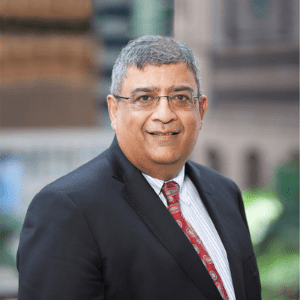
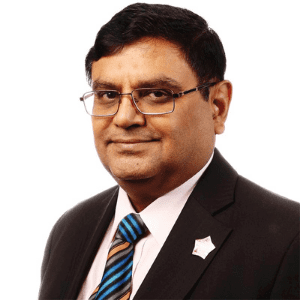
Rajinder Kumar Jalali, Director - Medical Affairs & Clinical Research, Ranbaxy Laboratories Ltd., Gurgaon, India

Dr. Jalali obtained his degree, Doctor of Medicine from Medical School in 1988.  After completing his doctoral thesis, he worked as Internist in different capacities at various hospitals and subsequently joined Ranbaxy Laboratories Ltd. as Clinical Research Physician.  He gained extensive experience in Protocol development in various therapeutic areas and worked on a number of clinical projects (Phase I to IV).

In his current position, he is working as Director, Medical Affairs & Clinical Research and guiding his team, with his extensive experience,  in the field of clinical research in clinical development and operations.

» Register now!
» Back to top


Post-conference Masterclass C: The Application of GCP and Ethical Considerations in Clinical Research in Asia
19 Mar 2009, 9am - 6pm
 
Asia is rapidly emerging as the new global giant in the fields of clinical trials as well as in basic clinical research in fields such as stem cell research, gene transfer research, and nanno-medicine. Increasingly a larger share of clinical trials globally are being carried out in Asian countries, such as China, India, Singapore, South Korea, Thailand, and Malaysia. Good Clinical Practice (GCP) has rapidly developed across the region in order to meet the increased demands of clinical trials and lingering concerns about ethics in clinical trials. Recent changes in US and European regulation and regulatory practices also play a role in the global emphasis on GCP and a renewed basis for ethics. This masterclass will address the current state of GCP and ethics in Asia with a view to the developing leadership role Asia is taking on in these important fields for clinical trials.
 
This masterclass will address the following issues:
  • The ongoing development and implementation of GCP into Asian clinical research
  • Recent developments in specific Asian countries, including Singapore, China, India, Thailand, South Korea, Taiwan
  • Registering clinical trials in Asia and publishing the results
  • Developments in Ethical Review in Asian countries
  • The role of the Forum for Ethical Review Committees in Asia & the Western Pacific (FERCAP) and the SIDCER training and recognition programmes
  • Informed consent and the specifics of Asian countries
  • The impact of the revision of the Declaration of Helsinki on Asia

 Benefits of attending:
  • Understand the current state of GCP and Research Ethics in India.
  • Gain insights into the challenges associated with initiating and carrying out clinical research in Asia
  • Evaluate the importance of establishing good processes appropriate to the region and countries
  • Gain an insight into the current laws and guidelines governing clinical research in Asia 
  • Learn from real life case studies about the challenges, and over-coming the challenges, of clinical research in Asia
Who should attend?
  • Project managers and coordinators
  • Regulatory affairs experts
  • Those engaged in protocol design and implementation
  • Those engaged in achieving marketing authorization in Asia and/or in the ICH regions using Asian clinical trial data
  • Members of ethics committees
  • Investigators
  • Clinical trial coordinators
  • Monitors and auditors 
  • Those specialized in pharmaceutical law
  • Patient groups

About your workshop leader
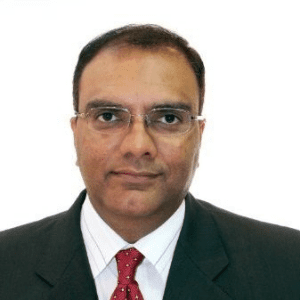
Francis P. Crawley, Executive Director, Good Clinical Practice Alliance – Europe, Belgium
 
Francis is the Executive Director of the Good Clinical Practice Alliance – Europe (GCPA) in Brussels, Belgium and a World Health Organization (WHO) Expert in ethics. He is the co-founder of the Forum for Ethics Committees in Asia & the Western Pacific (FERCAP) and the Strategic Initiative for Developing Capacity in Ethical Review (SIDCER). He is a philosopher specialised in ethical, legal, and regulatory issues concerning health research, teaching at several European, Asian, and Middle East universities. He is the past Secretary General, Ethics Officer, and Chairman of the Ethics Working Party at the European Forum for Good Clinical Practice. He has acted as an author or expert for the leading international and European ethics guidelines, as well as for several in-country guidelines in Asia, Africa, the Americas, and Europe.

He is currently Chairman of the Ethical Review Committee of the International Network for Cancer Treatment and Research (INCTR), a member of the INCTR Tissues Committee, and a member of the Ethics Committee of the European Organization for Research & Treatment of Cancer (EORTC). He has been a member of the joint EMVI-AMVTN Ethical Review Committee and a Permanent Liaison Officer to the International Bioethics Committee of UNESCO. He is currently a Contact Officer for the Council of International Organisations of Medical Sciences (CIOMS). For 2006 he was a Visiting Expert in research ethics in the Health Manpower Development Programme, Ministry of Health, Singapore.

He is a member of the Scientific Advisory Committee for the World Health Organization’s International Clinical Trials Registry Platform (ICTRP). He also served for four years on the UNAIDS Ethical Review Committee. He is a co-founder and past Steering Committee Member of the Global Forum for Bioethics in Research, a past member of the Committee of Interested Parties of the Centre for the Management of Intellectual Property in Health Research & Development, a past member of the European Science Foundation’s Education Working Group, and a past member of the WHO GCP Handbook drafting committee. In addition, he is a member of the Working Group on Ethics, Union of European Medical Specialists – European Academy of Paediatrics (UEMS-EAP) [formerly CESP], and a partner in the following completed European Commission projects ‘The Development of European Standards on Confidentiality and Privacy in Healthcare among Vulnerable Patient Populations’, ‘Ethical Function in Hospital Ethics Committees’, & ‘Ethical Considerations in Clinical Trial Collaboration with Developing Countries’. He currently represents the GCPA partnership on the European Commission FP7 research projects: European Network for Expertise for Rare Paediatric Neurological Disorders (nEUroped) and Relating Expectations and Needs to the Participation and Empowerment of Children in Clinical Trials (RESPECT).
He was the Co-facilitator for the Ethics Roundtable at the Africa Centre for Health & Population Studies in South Africa where he taught a modular GCP course and where he was a member of a DSMB for an HIV vertical transmission study. He is also a member of several regional organizations for ethics in research in Central and Eastern Europe, Asia, Africa, and Latin America. Currently he is Chairman of the Pandemic Advisory Committee to Roche (manufacturer of Tamiflu). He founded the AFROGUIDE Project: Developing Guidelines for Health Research in Africa with the UN Economic Commission for Africa and the African Union. He also serves on several editorial boards for international journals, including Applied Clinical Trials, Pharmaceutical Medicine (formerly the International Journal of Pharmaceutical Medicine), Good Clinical Practice Journal, and the Journal of Empirical Research on Human Research Ethics. He is an Honorary Member of the Faculty of Pharmaceutical Medicine, Royal College of Physicians, United Kingdom.

» Register now!
» Back to top
 
Post-conference Masterclass D: BioBootCamp: From Scientist to CEO
19 Mar 2009, 9am - 6pm
 
Want to succeed as a bio-entrepreneur? This BioBootCamp focuses on how to create new life sciences based company, and provides the basic ingredients to take new technology and biotechnology inventions to market. This BioBootCamp is designed to help bio-entrepreneurs translate their life sciences inspirations into scalable business ideas.  This experience will provide an overview of how to get started, and to get first-hand interactions and exposures with other experienced bio-entrepreneurs.  The to-be bio-entrepreneurs will come away with a clear idea of what’s involved for all stakeholders, and understand how to avoid the pitfalls of starting and building a life sciences business — whether you plan to work with a partner or take your idea one step closer to market on your own.
 
The BioBootCamp will address the following issues:
  • How to generate a business idea from a technology or invention;
  • The translation of a life sciences idea into a business model;
  • What is the value proposition of the life sciences idea;
  • How to protect the life sciences idea;
  • How do you value a life sciences idea;
  • What do investors look for;
  • How to do an elevator pitch to potential investors
The benefits from the BioBootCamp:
  • Learn from real life case studies of life sciences start ups in addressing the various crucial factors
  • Interact with experienced bio-entrepreneurs and investors
  • Be trained to do an effective elevator pitch
  • Equipped with a ready-to-go executive summary of your business idea
Who should attend:
  • Any scientists considering developing or joining a start-up company
  • Newly appointed biotech managers
  • Managers wanting a set of tools to support their development
  • Bio-centre managers
  • Biotech managers seeking capital
  • Scientists from the pharmaceutical industry interested in learning the opportunities of the “merger mania”
  • Project Managers in Life Sciences
  • Technology transfer officers
About your workshop leader:
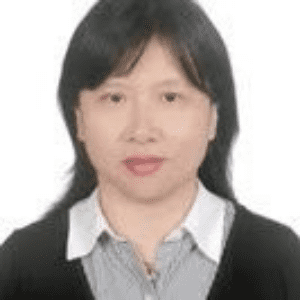
Dr Lily Chan, Chief Executive Officer, NUS Enterprise, Singapore
 
Dr Lily Chan is Chief Executive Officer of NUS Enterprise at the National University of Singapore. She leads NUS Enterprise with vision to inject an enterprise dimension to NUS teaching and research involving the University's students, staff and alumni. In particular, Dr Chan spearheads strategies and initiatives to promote industry collaboration and business ventures for the University. She oversees the functions of the Enterprise Cluster which complements the academic cluster of the University to nurture talents with an entrepreneurial and global mindset. The Enterprise Cluster comprises three main divisions – NUS Overseas Colleges (NOC), Industry Liaison Office (ILO) and NUS Entrepreneurship Centre (NEC), which are supported by Corporate Services and the following Business units – NUS Extension (NEX), NUS Press and NUS Technology Holdings Pte Ltd (NTH).

Prior to joining NUS in 2006, Dr Chan held the position of Managing Director, Investments, of Bio*One Capital Pte Ltd, an investment arm of the Singapore Economic Development Board with focus in expanding the growth of biomedical science industry in Singapore. Dr Chan brings with her more than 20 years of biomedical industry experiences, from initiating start-ups, venture investments and active Board involvements in many biotech companies. A company founded under her leadership included ES Cell International Pte Ltd, founded with technologies licensed from NUS, Universities of Monash (Australia) and Hadassah (Israel).

Dr Chan obtained her honours degree in Biology, at the Agnes Scott College, Atlanta, Georgia, USA. She completed her PhD (Microbiology and Immunology) in 1981, at the University of Illinois at the Medical Center, Chicago, Illinois, USA. Dr Chan started her career as a research scientist with the NUS Department of Medicine (1981-1983). One of the first research scientists to be hired in the Department, her research focus areas then were hepatitis and liver cancer, epidemiology, tumour markers and diabetes. She went on to become the QC/Technical Manager for Singapore Biotech Pte Ltd, Singapore (1984-1986) and was a postdoctoral research associate with the Department of Pathology, Tufts University, Boston, Massachusetts, USA (1986-1987). During 1987-1995, she assumed positions of increasing responsibilities, from a Manager in product development to subsequently becoming the General Manager (S'pore) and Director of Product Development (USA) for Genelabs Diagnostics Pte Ltd Singapore. Between 1995-1998, she was the Deputy Director, Bioprocessing Technology Centre, NUS (1995-1998).

Dr Chan holds two US patents -- for HIV1/HIV2 viral detection kit and method as well as for dengue virus peptides and methods. Both are now commercial products and one has become the confirmatory gold standard for retroviral testings in Europe. She has another patent pending for tuberculosis antigens and novel liver antigens. She has published more than 20 international journal publications.
 
Post-conference Masterclass E: Virus and Mycoplasma Risk Minimisation Strategies for Biopharmaceutical Products
19 Mar 2009, 9am - 6pm
Brought to you by Virusure

Ensuring the absence of adventitious agents from biopharmaceutical products requires constant vigilance. Much has been learnt from contamination incidences with known viruses and mycoplasmas, and methods for their detection have improved over the years. The emergence of new agents and risks provides for additional challenges, and requires ever more creative ways for ensuring the safety of your product.

This workshop will provide an interactive forum exploring the risk minimisation strategies available to biopharmaceutical manufacturers, as well as provide an extensive overview of virus and mycoplasma QC testing methodologies for products produced in mammalian, avian and insect cells, as well as plasma derived medicinal products.

The workshop will focus on the following aspects:
  • Risk minimisation strategies for biopharmaceutical products
  • What virus and mycoplasma risks exist for products produced in mammalian, avian and insect based cell systems?
  • What contribution to risk reduction can be expected from effective sourcing, QC testing and validated virus and mycoplasma removal?
  • What QC virus and mycoplasma tests are available for ensure the absence of viruses and mycoplasmas what are the limitations of such methodologies?
  • When and where should PCR testing be performed?
  • What steps can I take to minimise the risk from emerging virus and mycoplasma agents?
  • How can I ensure that the model viruses I select for my viral clearance study will adequately model potential contaminants?
Who Should Attend?
This workshop is aimed at providing an in depth understanding of the issues relating to virus and prion safety for those working in the development and production of biopharmaceutical products, for quality managers, project managers, regulatory managers and those involved in the sourcing of materials for biopharmaceutical production.

About your workshop leaders
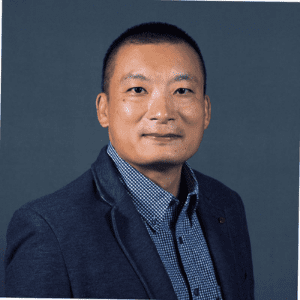
Dr Andy Bailey, Virusure GmbH, Vienna, Austria
Andy Bailey is an experienced virologist/TSE expert, originally from Q-One Biotech (Glasgow), and a frequent presenter at international biotechnology meetings on pathogen safety issues, including TSE and virus clearance, adventitious agent testing and pathogen safety in general. He has also presented at EMEA workshops on TSE safety as well as to the FDA TSE Advisory committee. He is currently Director of Operations at ViruSure, a company specialising in virus and prion safety testing.

Professor Dr Renate Rosengarten, Mycosafe Diagnostics GmbH, Vienna, Austria.
Renate Rosengarten is a mycoplasma expert working in the area of mycoplasmology for  30 years. Her academic career as a microbiologist with research focus on mycoplasmas took her to the School of Veterinary Medicine Hannover, the University of Missouri-Columbia and the Hebrew University Hadassah Medical School in Jerusalem. In 1996 she was appointed as Professor of Bacteriology and Hygiene at the University of Veterinary Medicine Vienna (VUW). She is Head of the Institute of Bacteriology, Mycology and Hygiene at VUW, current Chair of the Austrian Society for Hygiene, Microbiology and Preventive Medicine, Past-Chair of the International Organization for Mycoplasmology, and Founder and Managing Director of Mycosafe Diagnostics GmbH, a leading contract service and research organization with a high level of expertise in the area of mycoplasma biosafety assurance of cell cultures, virus stocks and related biopharmaceutical products and vaccines. Renate Rosengarten is a Member of the Cell Culture/Diagnostics Team of the International Research Program on Comparative Mycoplasmology, and also a Subgroup Co-Leader of the Mycoplasma Task Force of the Parenteral Drug Association. By working as a consultant for biopharmaceutical and biotechnology companies and by organizing international meetings on mycoplasmas, she is actively engaged to promote the area of Industrial Mycoplasmology.

» Register now!
» Back to top


Post-conference Masterclass F: Negotiation Skills: Cross Border Deals, the East West Connect: Opportunities and Potential Pitfalls
19 Mar 2009, 9am - 6pm
 
What’s happening in deal making and its impact on negotiation
  • Understanding the competitiveness for doing deals
  • Formulate a strategy for your product or technology
  • Review fully the components of a deal
  • Current valuation methodologies
Successful negotiation (practical exercise)
Delegates are asked to explore and illustrate with examples successful and unsuccessful negotiating experiences particularly those relating to cross border deals – the east west connect, and to discuss their findings with the group.
 
Preparing for negotiation (illustrative interactive discussion)
Explores what constitutes a good negotiating process in order to come to an agreement that will be effective over the long term, including:
  • Define the starting point
  • Establish the initial framework
  • Discover the vital clues that the early stages will provide
  • Determine how cultural differences might play out in negotiations
  • Understand how corporate strategy will affect your ability to negotiate
Negotiation planning:
  • Analysis of win-win, win-lose and lose-lose scenarios
  • Determine personality types and their impact on the outcome, consider the influence of cultural backgrounds and ethnic origins
  • Learn the techniques of a good negotiator
  • Understand types of power and how to use them
  • Review the different negotiation styles
  • Conflicting management types and their application
Who should attend?
Executives involved in in-/out-licensing, CEOs, CFOs, COOs and Business Development Executives with a remit to conduct deals and deliver value.
 
Benefits of attending
This is an essential building block to ensure individuals are fully empowered and conversant with deal negotiation to ensure the right outcome of their next critical deal.  The number of participants attending will be limited to ensure that delegates receive individual coaching and undertake activities in small, focused groups.
 
About your workshop leader:
Fintan Walton, Chief Executive and Founder, PharmaVentures, UK
 
Dr Walton is a business services and media entrepreneur who through several businesses has generated over $50 million in revenues over 15 years.
 
Dr Walton gained broad commercial experience whilst holding management positions at Bass and Celltech. In particular he was involved in contract research and licensing agreements with European, Japanese and US corporations.
 
As an entrepreneur, Dr Walton co-founded CONNECT Pharma, a company focused on assisting  pharmaceutical and biotechnology companies worldwide in all aspects of deal making including strategic alliances, Mergers & Acquisitions and equity financing. In 1997 the company became PharmaVentures.  His company has worked with clients on a global basis, delivering more than 400 assignments.
 
Dr Walton is an invited speaker at many leading industry events speaking on a range of topics including how organisations can drive greater value from their deals, these include; Drug Delivery Partnerships, Strategic Alliances, Business Development and Outsourcing.

» Register now!
» Back to top

event sponsors
Platinum:
Gold:
Registration:
Recruitment:
Join the growing list of sponsors!
exhibitors
symposium highlight
Discovery Technology Scientific Symposium 

With the increasing focus of research efforts on stem cell, proteomic and genomics, great attention has been drawn on the innovative technologies to perform and expedite the research discovery.
 
The Discovery Technology Scientific Symposium brings together global and local leading scientists in proteomics, genomics, and stem cell research with innovative technology providers to discuss the latest advances and the new technologies.
 
Find out more