|
|
Congress day one
30th November: 9am - 5pm
Antibody and Related-Products: Choosing the Right Format for the Right Indication
Improving Efficacy and Drugability of mAbs
Fab/Antigen or Fc/Fc-Gamma Receptors Co-Crystalisation Studies to Gain Insights on Structure and mAb Mechanisms of Action
Antibody Pk and Metabolic Studies
Congress day two
1st December: 9am - 5pm
Antibody Successes and Attrition Rates
Fab Fragment, Fc-Fusion Proteins and Peptides Success Stories: From the Bench to Recent Marketing Authorization
Cd20 mAbs in Clinical Development
Igf-1r mAbs in Clinical Development
Generation and Identification of mAbs Against New Targets
Antibody Patents
mAb Production Scale-Up, Process Transfer and Comparability
Congress day three
2nd December: 9am - 5pm
Antibodies and Non_Antibody Scaffolds for Molecular Recognition
Antibody Humanization, ‘Superhumanization’ and Engineering
Antibody-Drug Conjugate Development
Non Classical Iggs: Aglycosylated, Bispecifics and Intrabodies
Beyond Antibodies: Domain Antibodies and New Scaffolds
› register for a brochure
› add this to my calendar
|
|
|
|
|
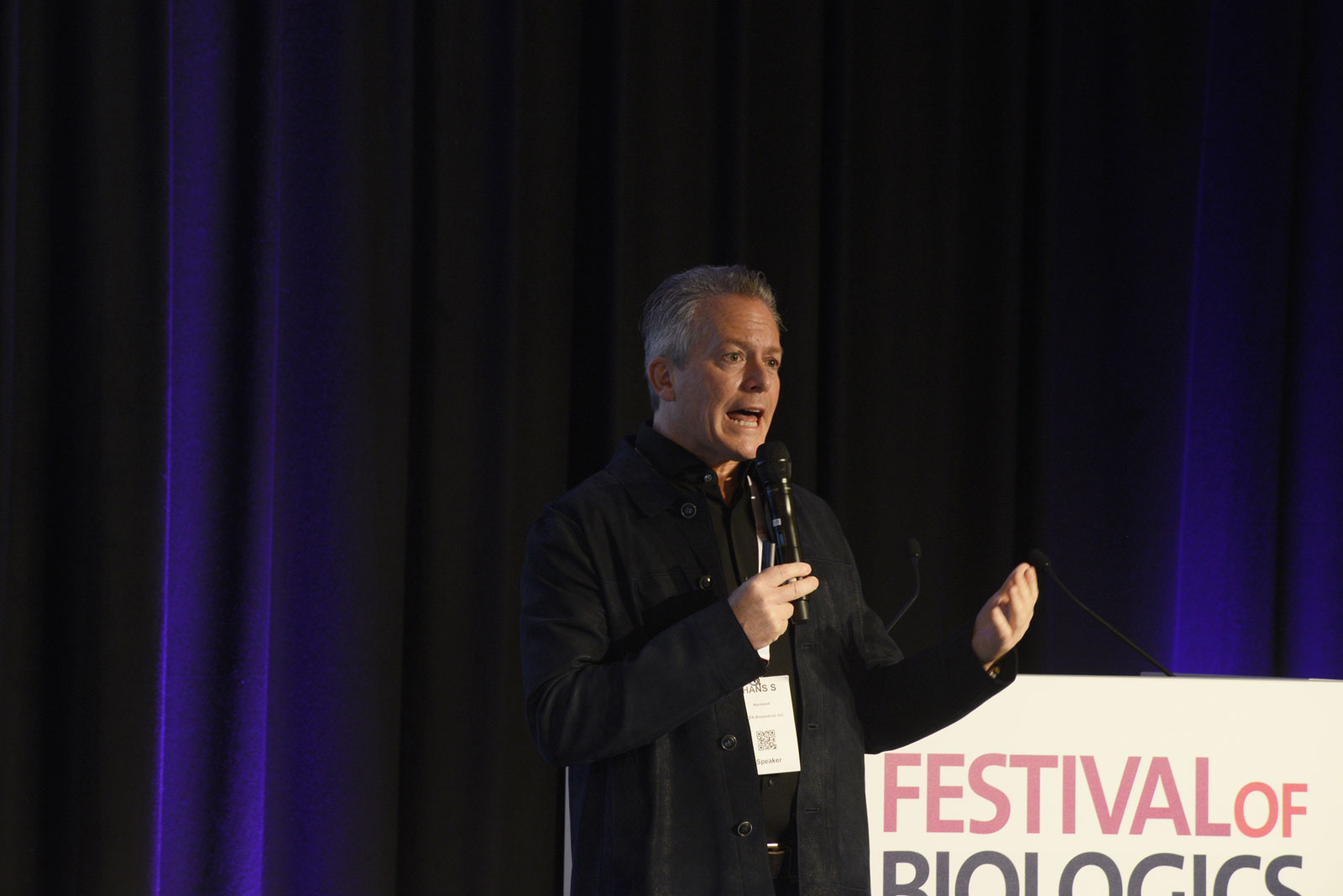
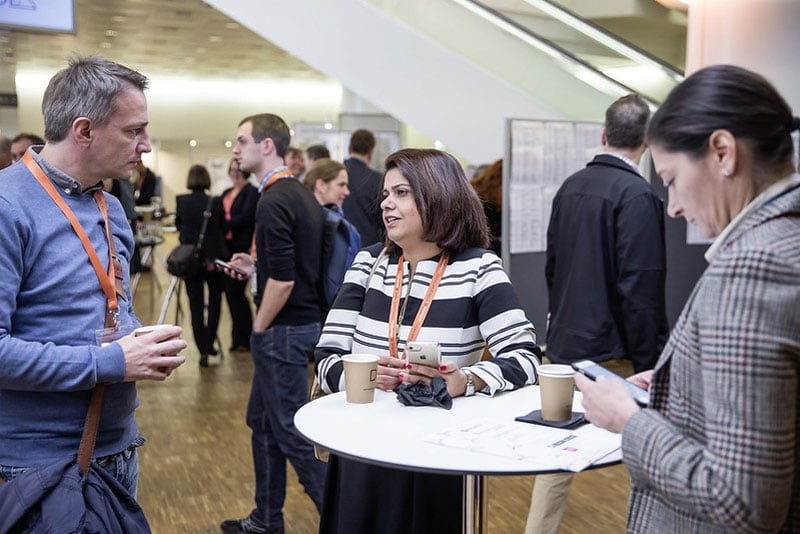
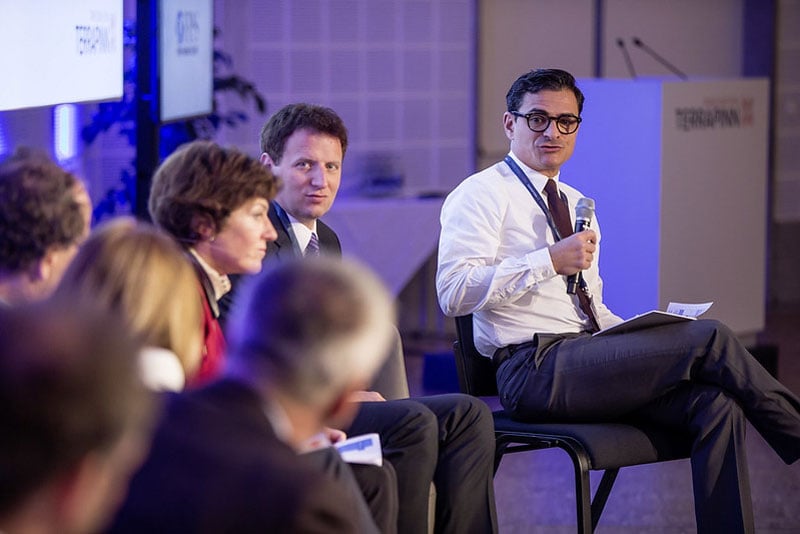
Hear from THE best speakers in the industry
Knowledge from inside the industry and from those who are leading the industry.
- Hear case studies presented by those active in the market
- Get your questions answered during the interactive Q&A sessions
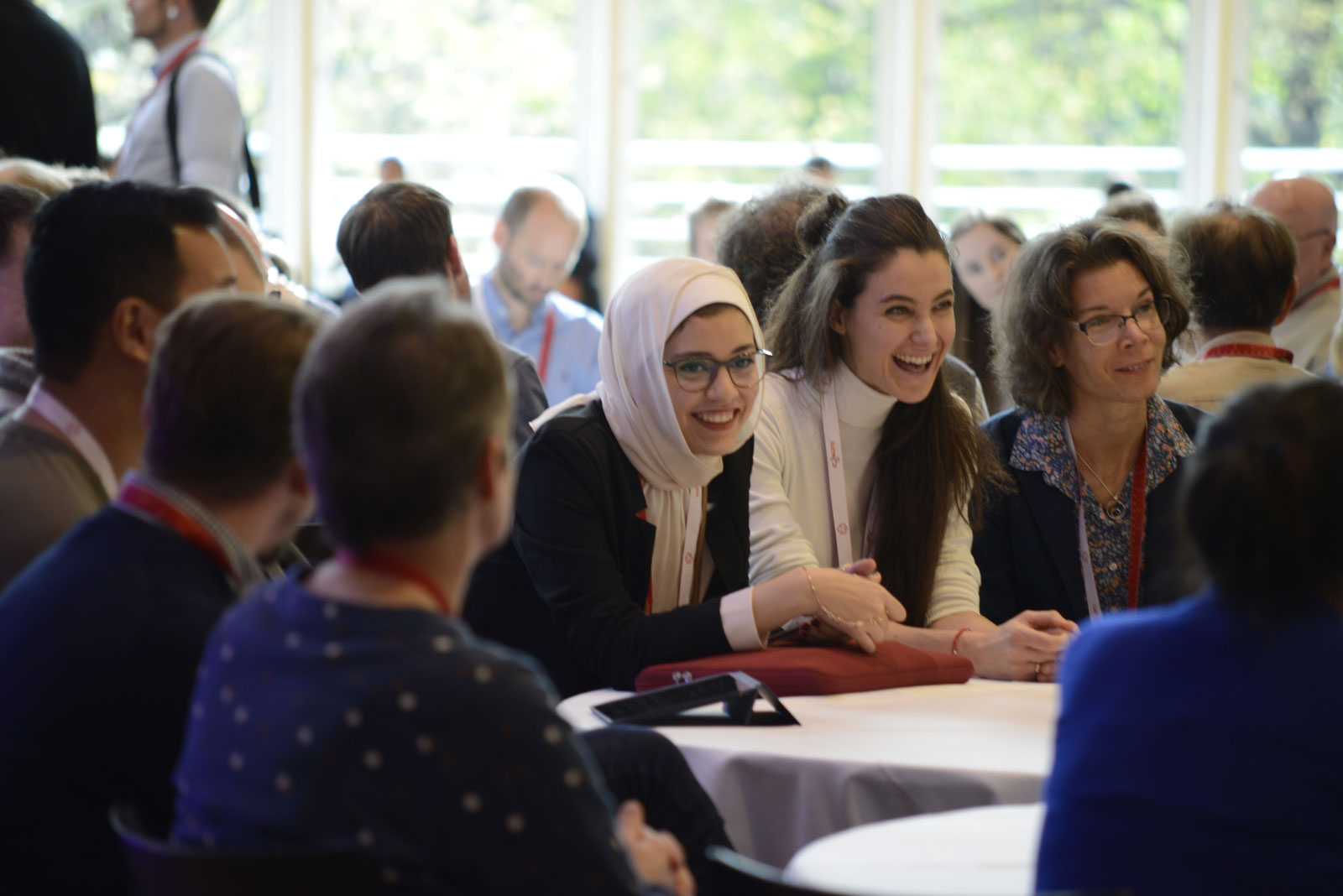
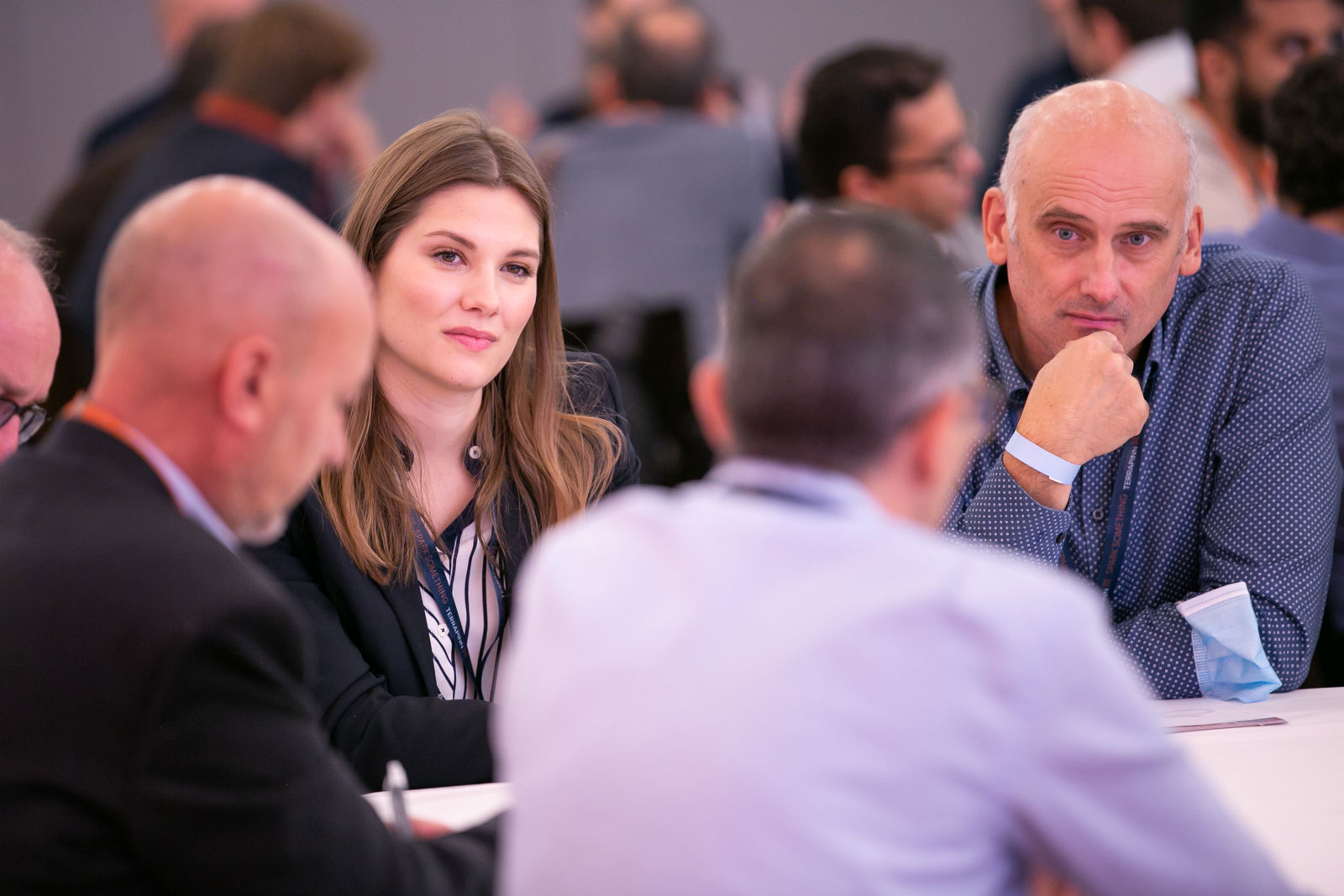
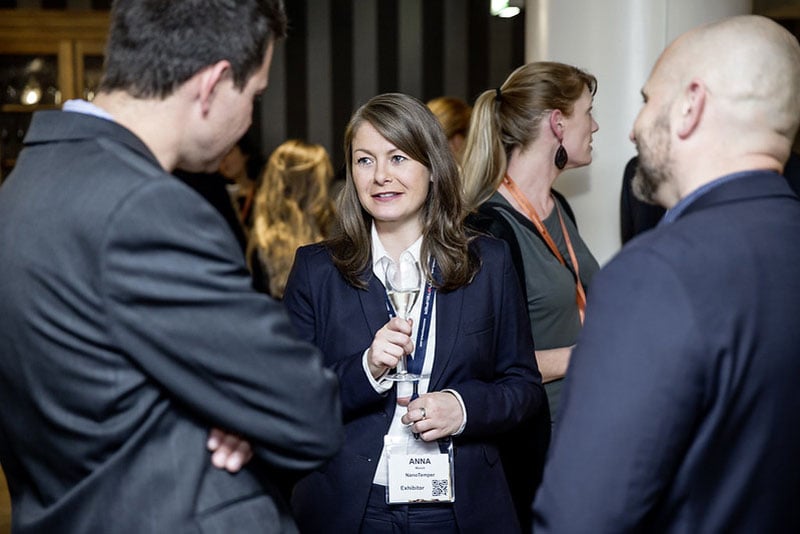
- Meet all those involved during our speed networking session and continue discussions informally at the networking drinks reception
» download the programme
Meet our 2008 speakers
Professor of immunology, Department of Immunopathology,
University of Amsterdam
|
 |
Head, Antibody Design Group,
Centocor
Dr. Juan Carlos Almagro is Research Fellow and Head of The Antibody Design Group at Centocor, Inc. His group focuses on humanization of antibodies, design of affinity maturation strategies and biophysical profile enhancement of lead antibody candidates. Dr. Almagro has been active in the Antibody Engineering field for 15 years, with contributions in the areas of structure-function relationship of antibodies, computational tools and databases for analysis of antibody sequences and structures, cloning and study of natural antibody repertoires from a variety of species, and design and validation of synthetic antibody libraries with tailored diversity for recognition of predefined types of ligands. Prior to joining Centocor, Dr. Almagro was Associate Professor at The National University of Mexico, Invited Professor at Simon Fraser University, Affiliate Visiting Scientist at Fred Hutchinson Cancer Research Center, and Visiting Scientist at Florida International University.
|
 |
Professor of Biopharmaceutics/Chairman and CEO,
University of Geneva/Therapeomic
Tudor Arvinte, Ph.D. was born in Romania in 1956, received his academic training in physics at the University of Jassy, Romania, and his Ph.D. in biophysics from the University of Düsseldorf, West Germany. He performed his doctoral work and postdoctoral stage at the Max-Planck-Institut für Strahlenchemie Mülheim/Ruhr West Germany. He held numerous research positions in Europe and the US, and in 1989 he joined Ciba-Geigy Pharmaceuticals in Horsham, England beofre moving to Ciba-Geigy in Basel, Switzerland in 1994. Until 2002 he worked as Head of Exploratory Formulation, Novartis Biotechnology Development & Production, Basel. His expertise is in the field of protein-biomembrane interaction, biopharmaceuticals formulation and delivery, including the development of formulation of growth factors for local bone repair applications. In 1995 T. Arvinte received the Ciba Fellow Award. On biophysical and biopharmaceutical topics T. Arvinte has widely lectured all over the world, and has over 60 publications in prestigious journals such as Journal of Biological Chemistry, Biochemistry, Proceedings of National Academy of Sciences USA, Pharmaceutical Journal, or the Journal of Molecular Biology. T. Arvinte worked with more than 60 protein drugs and holds 11 patents on stabilization and slow release formulations of proteins. At present he is Invited Professor at the School of Pharmacy, Department of Pharmaceutics and Biopharmaceutics, University of Geneva, Switzerland, where he is teaching a post-graduate course on “Formulation and delivery of protein biopharmaceuticals”. T. Arvinte is also Visiting Professor at the Department of Pharmacy, School of Health and Life Sciences King’s College London, UK. In 2003 Dr. Arvinte co-founded and joined the management board of Therapeomic Inc.
|
 |
Chief Scientific Officer & Senior Vice President,
Micromet AG
Dr. Baeuerle has served as Micromet's Chief Scientific Officer since October 1998. From February 1996 to September 1998, Mr. Baeuerle headed the drug discovery activities of Tularik Inc. in South San Francisco, CA, as Director, Drug Discovery. From October 1994 to February 1996, Mr. Baeuerle served as a full Professor and Chairman of Biochemistry at the Medical Faculty of Freiburg University, Germany. According to a survey by the Institute for Scientific Information (ISI, Philadelphia, PA, USA), Mr. Baeuerle was Germany's most frequently cited biomedical scientist of the past decade, and 38th worldwide, and published more than 200 scientific papers. Mr. Baeuerle performed his Ph.D. work at the Max Planck Institute for Psychiatry in Martinsried and at the European Molecular Biology Laboratory (EMBL) in Heidelberg, obtained a Ph.D. degree in biology from the University of Munich, and performed his post-doctoral research with David Baltimore at the Whitehead Institute of the Massachusetts Institute of Technology (MIT), Cambridge, MA.
|
 |
Director, Pharmaceutical Development,
Boehringer Ingelheim
Dr. S.J. Bassarab studied Biology and Biochemistry at the University of Marburg, Germany. His master degree was in Plant Physiology. The Ph.D.thesis was about the biochemistry of membranous interfaces. He joined Boehringer Ingelheim Germany in 1990. Here he worked as associated director in several positions within the Department of Analytical Sciences and Quality Control. As Director of Pharmaceutical Development Biopharma he is currently responsible for the entire drug product development of New Biological Entities at Boehringer Ingelheim, including formulation development, physicochemical characterization of drug product , the development of respective aseptic fill finish processes as well as manufacturing clinical trial supplies for biopharmaceuticals at Boehringer Ingelheim.
|
 |
Head, Physico-Chemistry Department,
Centre d'Immunologie Pierre Fabre (CIPF)
Dr. Beck completed a BS in Biochemistry and a PhD in Bioorganic Chemistry at the University Louis Pasteur (Strasbourg, France, 1989). During his thesis, he achieved the ynthesis and biophysical characterization of phospholipid biomembrane probes. He then went to McGill University, Montreal, as a Post-doc (Merck-Frost fellow, 1989-90), where he designed and synthesized PLA2 inhibitors. Back to France, he became the first employee of MEDAFOR (Strasbourg), a start-up company involved in discovery and development of natural products and small drugs (Alzheimer’s disease). From 1990 to 1993, Dr. Beck was in charge of set-up and management of a chemistry unit (medicinal and analytical chemistry, PK/PD, radioprotection). He then joined Pierre Fabre Médicament in 1994 and moved to the Center of Immunology Pierre Fabre (CIPF), a biotech R&D institute focused on Vaccines and Therapeutic Antibodies. He first held a position of Head of Analytical Research & QC. In 1995, he became Head of Physico-Chemistry Department (Bioanalytical Chemistry, Drug formulation & Delivery, Radioprotection, Biochemistry, Proteomics & Bioinformatics) and a member of CIPF’s board of Directors. He also successively created Peptide Synthesis & Mass Spectrometry units within this department and set-up academic collaboration in MS, NMR & crystallography (CNRS labs). From 1994 to date, as a multi-activity project-team leader and/or member, he contributed to the R&D of several recombinant proteins and synthetic peptides (cancer, inflammatory & infectious diseases). These projects cover discovery (RSV, PIV3 & oncology in house; HIV, HCV with BioMérieux; Leishmania with INSERM), translation to human clinical trials: RSV (BBG2Na vaccine with RIT of Stockholm, University of Rotterdam & WHO in Geneva), melanoma (P40/ELA vaccine with the LICR, Lausanne), solid tumors & hematological malignancies (F50035/ MK-0646 MAb, Merck &Co, NJ) & contacts with regulatory authorities (AFSSAPS, EMEA, FDA, Paul Ehrlich Institute, WHO). He is co-inventor on 15 patents, author/ co-author of 60 publications and more than 100 participation in scientific meetings as speaker, panelist, moderator, advisor, chairman, and/or organizer. He also acts as an expert for the WHO (Molecular characterization of Vaccines & Biologics), for the European Commission (7th FP) and for the French National Research Agency (ANR).
|
 |
Senior Scientist,
Novartis
Since January 2000 Francis Bitsch has been head of the protein analysis laboratory in Analytical Sciences at Novartis Institutes for Biomedical Research, Basel, Switzerland. Key responsibilities include: - Development of analytical methods for the characterization of recombinant proteins (structure elucidation, post-translationalmodifications) used as tools, structure determination or biopharmaceuticals. HPLC, gel electrophoresis, mass spectrometry, microcalorimetry and protein sequencing (Edman) - Development of analytical methods for the characterization of siRNA - Quantification of mAb and antigens in biofluids by mass spectrometry - Quantification of protein therapeutics in biofluids by mass spectrometry
|
|
Senior Director, Applications Development,
Cyntellect Inc.
Gary Bright, Ph.D. is Senior Director of Applications Development at Cyntellect. Since joining the company in 2005, Gary has led the development of applications focused on live cell manipulation, processes, reagents, and instrumentation. Prior to joining Cyntellect, Gary served as the Chief Science Officer at Bioptechs, Inc. as well as Scientific Director and Director of the Screen Development at Cellomics, building and leading the assay development and molecular biosensor programs. Earlier, Gary was a professor at Case Western Reserve University Medical School for 9 years. Gary has held post-doc and research scientist positions at the Center for Fluorescence Research at Carnegie Mellon University and has a Ph.D. degree in Cell and Developmental Biology from Kansas State University.
|
 |
Head of Research, Centre d'Immunologies ,
Pierre Fabre
|
|
Director of Ligand Application,
BAC
In 2001, Frank Detmers received his PhD at the department of Molecular Microbiology of the University of Groningen (The Netherlands). He worked as a post doctoral researcher at the Department of Cell Physiology at the Nijmegen Center of Molecular Life Sciences (NCMLS, Nijmegen, The Netherlands). He joined BAC BV at 2004 and the focus of his work is immobilization of affinity ligands on solid supports and the development of new applications of the CaptureSelect ligands. Currently, Frank is director of ligand application at BAC.
|
 |
Head and Senior Investigator, Protein Interaction Group,
National Institutes of Health (NIH)
Dr. Dimitrov joined the National Cancer Institute (NCI) of the National Institutes of Health (NIH), USA, in 1990, was tenured as Senior Investigator in 1993, and in 2008 appointed to the NIH SBRS. His research group includes ten molecular biologists who are experts in microbial and cancer-related proteins, display/screening/libraries methodologies, and antibody engineering, and one computer scientist. His major long-term goal is the development of clinically useful therapeutics and vaccines for prevention and treatment of infectious diseases and cancer based on human monoclonal antibodies. Dr. Dimitrov’s research interests are in the identification, characterization and engineering of potent cross-reactive binders to microbes, including HIV-1, SARS CoV, Hendra and Nipah viruses, CCHFV, dengue virus, Ebola and Marburg viruses, and Yersinia pestis, and to cancer targets including components of the IGF system, mesothelin, CD22 and several other cancer-related proteins. A current emphasis is on domain antibodies, engineered antibody constant domains (nanoantibodies), antibody-guided nanoparticles, antibodies against IGF-II and IGF-I, the antibodyome project and candidate AIDS vaccines. He has published 230 articles, 2 books and 22 book chapters (cited more than 5,000 times as of July 4, 2008).
|
|
Deputy Vice President, Scientific Hematology Laboratory,
University Hospital, Lyon
|
 |
CEO and Technical Sales Manager,
AAC Infotray
Dr. Ehrensberger studied chemistry and computer science at the University of Zurich. Afterwards he received he's doctorate at the Paul Scherrer Institute (ETH) in Solid State Chemistry. In doing so, he dealt with chemical reactions to store solar power. After his postdoctoral study at the Weizmann Institute of Science he returned to Switzerland where he is one of the co-founders of the AAC Infotray AG. In his function as CEO and Technical Sales Manager he participated in the formation of the company. Today, AAC Infotray AG is one of the leading LIMS manufacturers in Switzerland and has a wide and interesting range of products. Dr. Ehrensberger is also a member of the ISPE.
|
 |
|
Sarah Fredriksson was born 1968 in Sweden. She finished her MSc in Biotechnology Engineering at Lund University and received her PhD submitting a Thesis with the title “GENE FUSION IN PROTEIN ENGINEERING - Design of novel peptides and bifunctional enzymes” in 1999. Sarah Fredriksson research interests are transfection, protein engineering and novel nanostructures. She is the founder and CEO of Genovis AB – a Swedish company focusing on nanostructures specially designed for biomolecule delivery and imaging. Sarah Fredriksson is an active member of the board of Lund University.
|
 |
Senior Vice President, Research and Preclinical Development,
Adnexus
Eric Furfine has served as our Senior Vice President, Research and Preclinical Development since August 2006. From 2002 to 2006, Dr. Furfine served as Vice President, Preclinical Development at Regeneron Pharmaceuticals Inc., a publicly-traded biotechnology company. From 1989 to 2002, Dr. Furfine held positions of increasing responsibility at GlaxoSmithKline, most recently as the Director of Biochemical and Analytical Pharmacology. Dr. Furfine received a Ph.D. in Biochemistry from Brandeis University and an A.B. in Chemistry from Washington University.
|
 |
Director, Translational Biology,
Seattle Genetics
|
|
|
Dr. Giannotta received his PhD in sciences from the University of Liège, Center for Protein Engineering, in 1998 focusing on the regulation of prokaryotic promoters. He has been involved for 7 years in applied research projects dedicated to the transfer of results from laboratories to commercial applications. These research projects were carried out within the framework of the development of proteins overexpression in prokaryotic systems. Dr Giannotta is the co-inventor of a patent based on hybrid beta-lactamase dedicated to developing efficient, innovative and convenient BioTools which can be used for protein domain studies (Bifunctional Hybrid Proteins, BHP). Fabrizio Giannotta completed his university degree with additional modules in corporate management, financial analysis and industrial microbiology. He has set up ProGenosis (a spin off of the University of Liège devoted to the determination of receptor-ligand interactions) in 2006 and is currently the Chief executive officer of the company.
|
 |
Director, Molecular Engineering,
Biogen Idec
|
 |
Director, Biologics Development,
Abbott Bioresearch Center
|
|
Group Head, MRC Centre of Protein Engineering,
University of Cambridge
Christian Heinis is currently Tenure Track Assistant Professor at the Institute of Chemical Sciences and Engineering at the Ecole Polytechnique Fédéral de Lausanne (EPFL) in Switzerland. He was born in Aarberg, Switzerland and studied at the Swiss Federal Institute of Technology in Zurich (ETHZ), where he earned a degree in biochemistry in 2000. During his studies, he spent 6 months at the Imperial College of Science, Technology and Medicine in London. Between 2000 and 2003 he did a PhD in the research group of Prof. Dr. Dario Neri at the Swiss Federal Institute of Technology in Zurich (ETHZ). He was a postdoctoral fellow in the group of Prof. Dr. Kai Johnsson at the Ecole Polytechnique Fédéral de Lausanne (EPFL) (2003-2005) and in the group of Sir Gregory Winter at the Laboratory of Molecular Biology (LMB) in Cambridge, UK (2006-2008). In 2008 he was appointed Assistant Professor with tenure track for Bioorganic Chemistry at the Ecole Polytechnique Fédéral de Lausanne (EPFL).The general research interest of Christian Heinis is the development of novel and innovative therapeutic strategies using chemical and biological methodologies and tools.
|
 |
Chief Medical Director,
Ablynx
|
|
Director, Upstream Development,
Boehringer Ingelheim
Dr Hitto Kaufmann is currently Director of Upstream Development in Process Science Biopharmaceuticals at Boehringer Ingelheim in Biberach, Germany. His team covers all aspects of developing the upstream part of mammalian cell culture manufacturing processes including vector generation, genetic characterisation, DNA analytics, cell line generation, cell banking, media and feed development, process design and material production for toxicological studies. The team also runs the upstream part of a pilot plant supplying material for clnical phase I to III under GMP conditions and IPC laboratories to support the development efforts. Dr Kuafmann has joined Boehringer Ingelheim in 2003 as Associate Director Cell Biology. In his previous appointment he worked as a research scientist at the Walter and Eliza Hall Institute in Melbourne, Australia identifying novel drug targets involved in apoptosis. He received his doctorate from the ETH Zurich working on improved production processes in CHO cells.
|
 |
Research Leader, Discovery Oncology,
Roche
Dr. Christian Klein is currently Department Head in Discovery Oncology at Pharma Research, Roche Diagnostics GmbH in Penzberg, Germany responsible for the identification, validation and development of novel antibody therapies. Christian Klein joined Roche in 2002 as a postdoctoral fellow in the Therapeutic Protein Initiative. Since 2003 he works as Senior Scientist in Discovery Oncology specialized in the validation of novel targets for therapeutic antibodies and the preclinical pharmacology of antibody therapeutics. Since 2006 he is the preclinical science leader for the novel CD20 antibody GA101 working in close collaboration with Glycart Biotechnology AG. He received his doctorate from the Max-Planck Institute for Biochemistry in Martinsried and the Technical University Munich in 2002 working on structural aspects of the p53-MDM2 network.
|
 |
Vice President, Intellectual Property,
MedImmune
Jonathan Klein-Evans is Vice President, Intellectual Property for MedImmune, LLC. He has been overseeing all intellectual property issues for MedImmune since he joined the company in 2002. Prior to joining MedImmune, Jonathan was an in-house patent attorney at Human Genome Sciences, Inc. Prior to his tenure at HGS, Jonathan worked for the law firm of Pennie & Edmonds, LLP, first as a law clerk, then a patent agent, and finally as a patent attorney. In almost fifteen years in the field, Jonathan has worked on all aspects of patent law, including prosecution, litigation, opinions, interferences, oppositions, and licensing. Jonathan holds a B.A. in Biochemistry from Columbia University, an M.S. in Biological Sciences from Stanford University, where he studied prokaryotic gene regulation, and a J.D. from Georgetown University Law Center. He is a member of the New York State Bar and registered to practice before the United States Patent and Trademark Office.
|
 |
|
Dr. Michael Kragh is Director of Antibody Pharmacology at Symphogen. Symphogen is a leader in developing recombinant polyclonal antibodies, a new class of biopharmaceuticals for the treatment of cancer, autoimmune and infectious diseases. His team, Antibody Pharmacology, is responsible for late discovery and preclinical development of novel antibody therapies, including in vitro and in vivo efficacy, mode of action studies, and safety assessment. Michael Kragh has a master degree in human biology and a Ph.D. in cancer biology from University of Copenhagen. He has been working with cancer therapeutics for more than 10 years, primarily within pharmacology, and he has published 14 peer-reviewed articles.
|
 |
Associate Director, Development Sciences,
Genentech
|
|
Senior Vice President and Scientific Director,
Medarex
|
|
Executive Director, Preclinical Development,
ImmunoGen Inc
Robert Lutz is currently the Executive Director of Preclinical Development at ImmunoGen, Inc. ImmunoGen has created a new generation of antibody-drug conjugates, called Tumor Activated Prodrugs (TAPs) that combine tumor-targeting antibodies with powerful anti-cancer compounds. Dr. Lutz joined ImmunoGen in 1992 and for many years conducted target discovery and validation research in the area of apoptosis and cell survival with ImmunoGen’s subsidiary, Apoptosis Technology Inc. Prior to ImmunoGen, Dr. Lutz was a Research Fellow and Postdoctoral Fellow at the Eleanor Roosevelt Institute in Denver with Dr. Michael Sinensky. He received his doctorate from Brandeis University in 1987.
|
 |
Patent Attorney,
Edwards, Angell, Palmer & Dodge LLP
|
 |
Senior Vice President, Research and Preclinical Development,
Genmab
Dr. Paul Parren has been working in the field of recombinant antibodies for almost 20 years. He holds a PhD in molecular immunology from the University of Amsterdam. Dr. Parren was an Associate Professor at The Scripps Research Institute in La Jolla, California, where he worked between 1993 and 2002 on studying the role of human antibodies in protection against viral infections. In 2002, he joined Genmab where he is currently a member of the senior management team. Dr. Parren is based in Genmab Utrecht, the Netherlands and serves in the position of SVP, Research and Pre-Clinical Development. Dr. Parren has a strong expertise in antibody biology and immunotherapy and has published over 100 papers in the antibody field. He is particularly interested in unraveling the mechanisms by which antibodies act in vivo. Current research studies focus on immunotherapeutic approaches in cancer and inflammation in direct support of Genmab’s key antibody programs including antibodies targeting CD4, CD20, EGFr and CD38 as well as novel antibody formats such as the Unibody molecule.
|
 |
Professor of Biochemistry, Department of Biochemistry,
Universiy of Zurich
Andreas Plückthun is currently a Full Professor of biochemistry at the University of Zürich, Switzerland. He was born in Heidelberg, Germany and studied chemistry at the University of Heidelberg. He received his graduate education at the University of California at San Diego, where he obtained a Ph.D. in 1982. He was a postdoctoral fellow at the Chemistry Department of Harvard University (1982-85). From 1985 until 1993, he was group leader at the Genzentrum and Max-Planck-Institut für Biochemie in Martinsried. He was appointed to the faculty of the University of Zürich as a Full Professor of Biochemistry in 1993. He has written about 300 publications, which have been cited over 12,000 times. He received the Young Investigator's Award of the German Industry Fund, was elected member of EMBO, and is recipient of the Karl-Heinz-Beckurts-Prize for 2000 (Munich, Germany), a finalist in the World Technology Awards 2001 (London, UK) and recipient of the JP Morgan Chase Health Award in 2002 (San Jose, USA) and the Wilhelm Exner Medal 2002 (Vienna, Austria), and together with his team, the Swiss Technology Award 2005 (Bern, Switzerland) and the deVigier Award in 2005. In 2003, he was elected to the German Academy of Natural Scientists (Leopoldina). He is co-founder and Scientific Advisor of Morphosys AG (Martinsried, Germany) and of Molecular Partners AG (Zürich, Switzerland), for which he is also a board member. His research combines the development of selection technologies with detailed biophysical investigations, to create proteins of superior properties. This has included synthetic antibodies and different repeat proteins, ultimately for therapy, as well the evolution of membrane proteins such as GPCRs for stability and expression to obtain a higher success rate in structural studies.
|
 |
Senior Research Fellow/Editor-in-Chief,
Tufts Center for the Study of Drug Development/mAbs
Dr. Reichert has studied innovation in the pharmaceutical and biotechnology industries at the Tufts Center for the Study of Drug Development since 1999. Her work includes strategic analyses of candidate and approved products, including clinical development and approval times, phase transition probabilities, and approval success rates for new therapeutics and vaccines. These analyses have been featured in over 25 publications by Dr. Reichert. Her recent work includes studies of monoclonal antibodies as cancer therapeutics and as antiviral drugs. Dr. Reichert has presented her research results as an invited speaker at conferences in the United States, Canada, Europe and China. She was co-chair of the Massachusetts Biotechnology Council's Clinical Trials Committee for five years and has served on the editorial boards of three journals. In addition, Dr. Reichert regularly provides input to various government, non-profit, and industry organizations such as the National Institutes of Health, the Organization for Economic Cooperation and Development, the International AIDS Vaccine Initiative, and the Biotechnology Industry Organization. Dr. Reichert received her Ph.D. in organic chemistry from the University of Pennsylvania and her postdoctoral training as a National Institutes of Health Research Fellow at Harvard Medical School. Before joining the Tufts Center for the Study of Drug Development, Dr. Reichert performed drug discovery research and preclinical development at several companies in the Boston area.
|
 |
Director, Antibody Research Laboratories,
Kyowa Hakko Kogyo
A councilor of the Japanese Association for Animal Cell Technology. A member of MAbs editorial board. A member of Open Glycoscience editorial board. Director, Antibody Research Laboratories, Kyowa Hakko Kirin Co., Ltd.
|
 |
|
Luc-Alain Savoy was appointed Director of M-Scan SA, a contract analysis laboratory specialising in Mass Spectrometry, in 1991. Prior to this, he obtained his PhD at the University of Geneva, which involved the qualitative and quantitative application of Mass Spectrometry to the analysis of proteins. He followed this with a post doc position at Imperial College, London in the group led by Professor Howard Morris, where he studied protein glycosylation. He subsequently joined M-Scan Ltd, UK, prior to moving to Switzerland to found the M-Scan SA laboratory. He has extensive experience in the application of LC-MS and MS/MS to glycoprotein structural characterisation.
|
 |
Director, Global Sales,
Innovatis AG
Andreas Schneider is Director global Sales of innovatis AG, headquartered in Bielefeld - Germany. After graduating in Business Administration (BA) 1990 he worked in leading positions in IT business e.g. data management, data integration and information management for various branches of industries. In 2003 Andreas Schneider joined innovatis where he held various positions including Head of Sales DACH, Head of Business Development Europa and Director Operations US. Since 2007 he is responsible for global sales at Innovatis AG, one of the leading companies in automated cell analysis in pharmaceutical market. Mr. Schneider has a broad range of global experience in PAT, Process Automation and Data Integration projects especially in biopharmaceutical industry. Within the ISPE organization he is active member of the PAT Community of Practice (CoP) and takes the co-chair of the global PAT Data Management Team.
|
 |
Director, Translational Oncology,
Genentech
Mark Sliwkowski is currently a Staff Scientist in Research Oncology at Genentech, Inc. He received his B.S. from the University of Delaware and his Ph.D. in biochemistry from North Carolina State University. From 1982-1985, he was a post doctoral fellow in the laboratory of Dr. Theresa C. Stadtman in the Laboratory of Biochemistry, in the National Heart, Lung, and Blood Institute at NIH, where he studied bacterial enzymes that require selenium for their catalytic activity. He then moved to Triton Biosciences, Inc. (now Bayer, Inc.) where he was employed for six years as a research scientist. Dr. Sliwkowski joined Genentech, Inc. in 1991 as a senior scientist and worked on a number of programs involving drugs directed against the human epidermal growth factor receptor family (also known as the HER or ErbB family). Two of these drugs, Herceptin® (Trastuzumab) and Tarceva™ (erlotinib) have received U.S. Food and Drug Administration approval. Herceptin is approved for the treatment of HER2 positive breast cancer. Tarceva is approved for patients with relapsed non-small cell lung cancer and advanced pancreatic cancer. A third ErbB-directed drug, pertuzumab (rhuMAb2C4) is currently in phase III trials for metastatic breast cancer. Dr. Sliwkowski is leading a program whose aim is to augment the therapeutic utility of anti-cancer antibodies by arming these antibodies with cytotoxic drugs. This program is being conducted in collaboration with companies who have expertise in conjugating drugs to antibodies. The first of these antibody drug conjugates, trastuzumab-DM1, is currently in phase II clinical testing. Dr. Sliwkowski received a Pharmaceutical Achievement Award in 2005 as the “Industry Scientist of the Year”. His laboratory is currently involved in further dissecting the molecular details of ErbB receptor activation and regulation. He is an author of more than 80 publications and is an inventor on more than a dozen issued patents.
|
 |
Partner,
Edwards, Angell, Palmer & Dodge LLP
Candi obtained an MA in Biochemistry and subsequently a D.Phil in Molecular Immunology from Oxford University. After spending some time as a Post Doctoral Research Fellow, she entered the patent profession in 1997, qualifying as both a UK Chartered Patent Attorney and European Patent Attorney in 2002. She has worked in both private practice and industry and has been a partner at EAPD since 2008. Candi's practice has been focused for some time in the biotech area. She has particularly focused on life sciences work, particularly biotechnology and immunology. Her clients have included Domantis and the Medical Research Council. She also has extensive experience with other US-based clients including Alexion and Immunomedics. She is a standing member of the UK CIPA biotechnology committee, organizes the CIPA Biotech conference, lectures frequently on European patent law and practice and writes regularly for intellectual property journals.
|
 |
President R&D and CSO,
Genmab
Prof. van de Winkel is President, Research & Development, and Chief Scientific Officer of Genmab A/S, which he co-founded in February 1999. He is widely recognized as one of the leading scientists in the study of antibodies and their interaction with the immune system and has been responsible for a number of patents and patent applications. He is the author of nearly 300 scientific publications. Dr. van de Winkel holds a part-time Professorship of Immunotherapy at the University Medical Center in Utrecht. Prior to joining Genmab, Dr. van de Winkel served as Vice President and Scientific Director of Medarex Europe. He is a member of the Scientific Advisory Boards of the Biotech Turnaround Fund (BTF), of Advent, and of Thuja Capital Healthcare Fund.
|
 |
Senior Director, Lead Generation,
MedImmune
Tristan joined CAT in 1993 as a Senior Scientist. In his first few years there, he designed and constructed the large single chain Fv antibody libraries of over 1010 variants that formed the basis of CAT’s platform technology. He was also a key member of the project team that discovered and engineered HumiraTM, the world’s first marketed human antibody. Tristan was then responsible for the successful delivery from many of CAT’s Alliances with Pharma and Biotechs. He was subsequently an integral part of the Research phase of the strategic Alliance with Astrazeneca. After the acquisition of CAT, and latterly Medimmune, by Astrazeneca, he took up his current post leading a multidisciplinary team that includes phage display, ribosome display and transgenic mouse platforms, as well as high throughput screening and protein sciences.
|
 |
Pharmaceutical Assessor,
Medicines and Healthcare products Regulatory Agency
Keith holds a PhD in Biochemistry from Imperial College, London and completed postdoctoral studies at Imperial College and Ludwig Institute of Cancer Research, London. Keith transferred to Industry with Lonza Biologics, UK as a Senior Purification Scientist, developing and scaling up monoclonal antibody purification processes before moving to Prometic Biosciences, UK to advise on all Bio-processing activities and manage the Technical Support Group. Keith is currently an accredited pharmaceutical assessor at the MHRA involved in reviewing and assessing the pharmaceutical component of Biological Licensing Applications. Keith regularly provides companies with scientific advice and is currently the UK representative for several EMEA guideline drafting groups. Keith has authored several scientific articles, reviews and technical notes and was a Guest Editor for a recent Special Thematic Issue of Journal of Chromatography B entitled “Polyclonal and Monoclonal Antibody Production, Purification, Process and Product Analytics.”
|
 |
CSO and Seniior Vice President, Discovery Research,
Dyax Corporation
Dr Clive Wood is the Executive Vice President and Chief Scientific Officer of Dyax Corp. Dr Wood joined Dyax in 2003. Prior to this, Dr. Wood spent 17 years at Genetics Institute (GI) and its successor, Wyeth Research, where he held a number of drug discovery research positions. Most recently, Dr. Wood held the position of Senior Director and Acting Head of Inflammation Discovery Research at Wyeth Research in Cambridge, MA. At GI and Wyeth, Dr. Wood focused on respiratory diseases, transplantation, immunology, hematopoiesis and antibody technologies. Prior to joining GI in 1986, Dr. Wood worked for four years at Celltech Ltd. He received his Biochemistry BSc and PhD degrees from Imperial College, University of London, UK.
|
 |
Manager, Biopharm CEDD,
Domantis
Completing a PhD investigating the genomic structure of llama antibody genes with Unilever in 2000 Dr Ben Woolven went on to work within one of the discovery teams at CAT before joining Domantis in 2002. While at Domantis Ben managed the discovery phase of a number of projects including collaborations with Peptech (now Arana Therapeutics) and Tanox. In 2006 he moved into a role where he is responsible for the management of a range of external scientific collaborations set up in support of Domantis’s dAb programmes.
|
 |
Senior Scientist,
Abbott Laboratories
Dr. Chengbin Wu is a Senior Scientist, Biologics at Abbott Laboratories. He received his Ph.D from the University of Georgia in Biochemistry and Molecular Biology, and completed a postdoctoral fellowship at Harvard Medical School in the area of immunology. Dr. Wu leads therapeutic antibody preclinical development projects in immunoscience and other therapeutic areas at Abbott. His group also focuses on discovery and development of novel protein therapeutics and technologies, in particular, multi-specific and multi-valent biologic molecules.
|
 |
Senior Scientist, Therapeutic Protein Research,
Genzyme
Qun Zhou is a Principal Scientist in the Protein Engineering Group at Genzyme Corp. in Framingham, Massachusetts. He has been actively involved in multiple projects on research and development of therapeutic proteins at Genzyme and, most recently, in antibody glycoengineering. Qun received his PhD from University of Georgia on biochemistry and glycobiology. He completed his postdoctoral trainings on glycobiology at University of Oklahoma Health Science Center and on tumor biology at National Cancer Institutes/NIH.
|
|
|
|
|
- Do you have a story to tell?
- Do you have expertise in this market that you want to share?
- Have you benefited from a product or service that could help others?
If your answer is yes to any of the questions above please contact us to find out how you can help develop the programme for your peers
|
|
|
|
|