Asia's Pharma & Biotech Virtual Festival
Streaming in channel: Keynotes

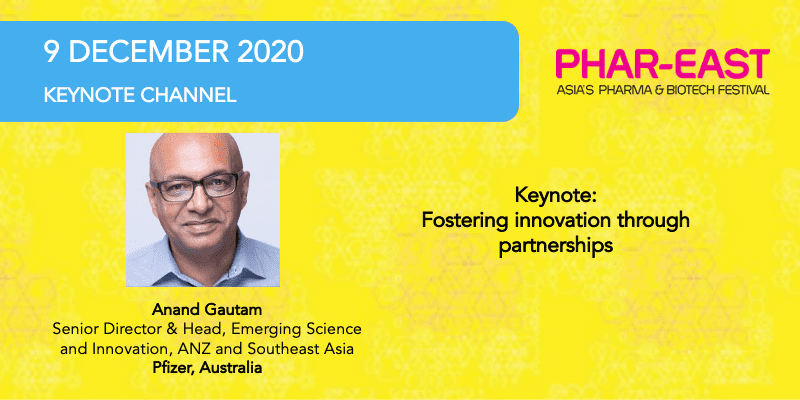
Streaming in channel:
Immunotherapy


Streaming in channel:
Clinical Trials


Streaming in channel:
Pharma 4.0


Streaming in channel:
Market Access & Pricing


Streaming in channel:
Biodata
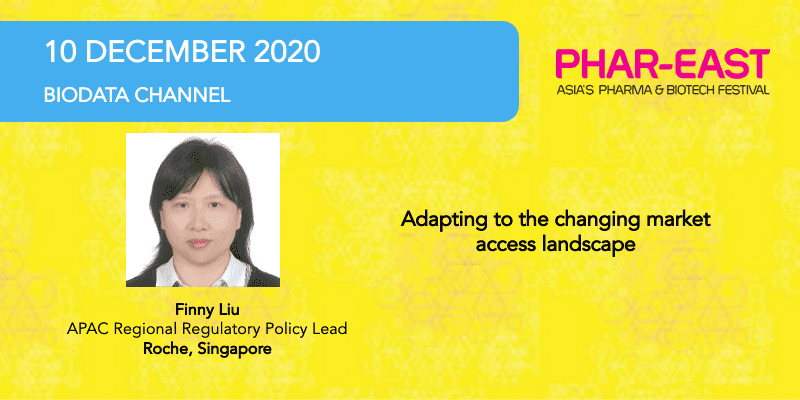
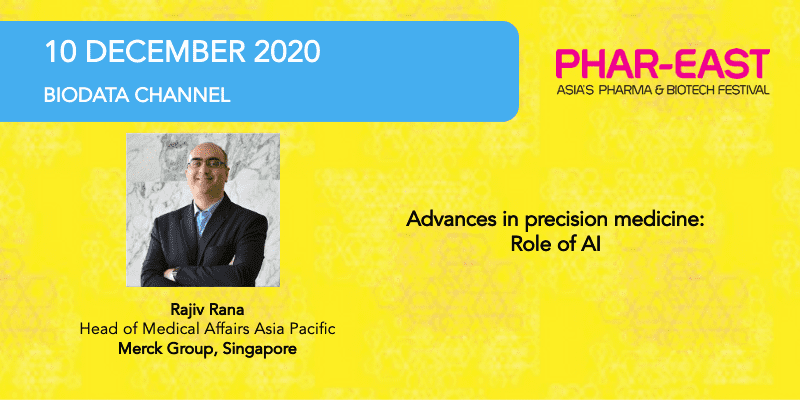
Streaming in channel:
Biotech Invest
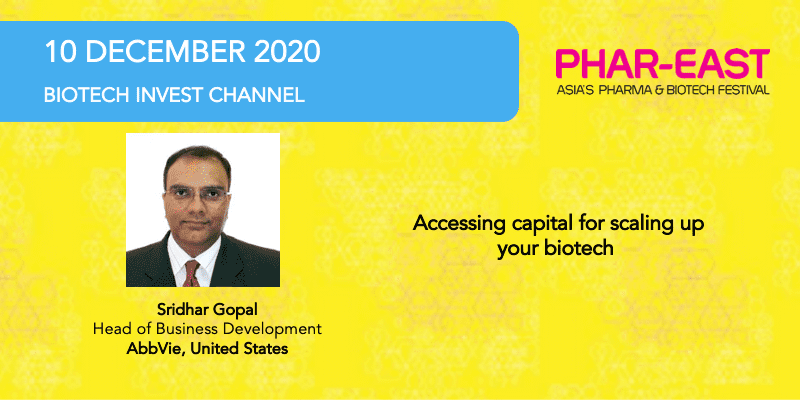
Korean Pavilion Sponsor

Gold Sponsor

Gold Sponsor

Gold Sponsor

Gold Sponsor

Silver Sponsor

Silver Sponsor

Associate Sponsor

1,000+
Attendees
120+
Speakers
6
Channels
3
Days
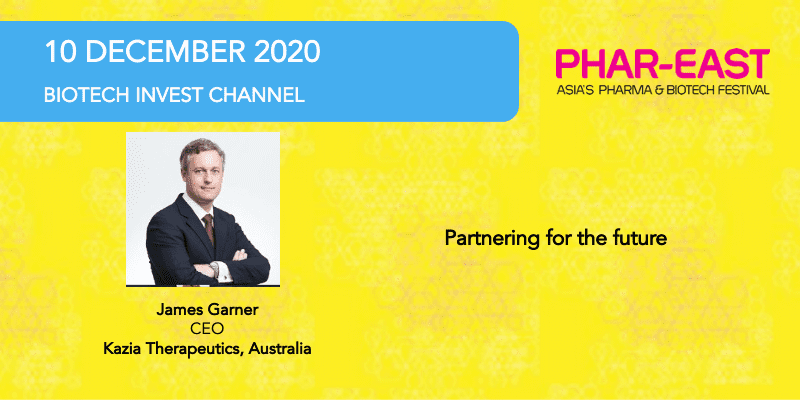
Meet our top speakers












Browse the Phar-East Virtual Agenda
More than 120 Speakers, Over 3 days of premium content.
Check out the Phar-East agenda now.
Companies that attend Phar East

























































Get ready to go virtual.
Join us live.
There’s never been a better time for the pharma and biotech leaders to come together to share their expertise and navigate the challenges we are all facing. We just can’t do that in person right now. So, in conjunction with our partners, we’re bringing you Phar-East - Asia's pharma and biotech festival - in an interactive virtual format that mirrors the physical event.
Over three days, Phar-East will bring you insights from live presentations, panel debates and virtual roundtables across 6 channels by leading pharma and biotech players. Join in live from wherever you are, or watch the sessions on demand.

Networking
Unlock your full networking access with the Phar-East Conference Pass to view the full attendee list and book virtual face-to-face meetings with clients, prospects and peers from across the region.

Lead generation
Establish connections with pharma and biotech players across the region. Meet them virtually and extend your network.

Learning
Featuring three days of dedicated and curated content from pharma and biotech players and solution providers.
Stay up to date on the latest Phar East news
Sign Up for Event Updates
By submitting, you agree to receive email communications from Phar East, including upcoming promotions and discounted tickets, news, and access to exclusive invite-only events.
Get involved at PHAR-EAST 2020
For speaking, sponsorship and exhibition opportunities contact
jonathan.mottram@terrapinn.com
Tel: +65 6322 2738
Organiser
