-

March 8, 2027 | Pre- Congress Workshops
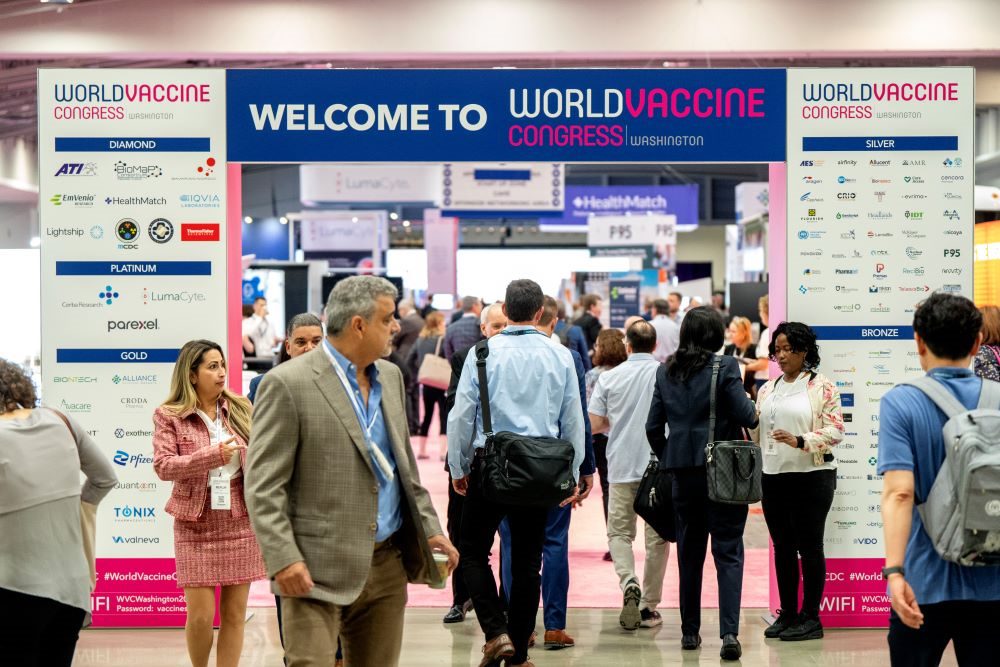
March 9 - 11, 2027 | Main Congress Days
WALTER E. WASHINGTON CONVENTION CENTER, WASHINGTON D.C.
R&D + Strategic Partnering
for the Global Vaccine Industry
WORLD’S LEADING VACCINE EVENT
3,000+
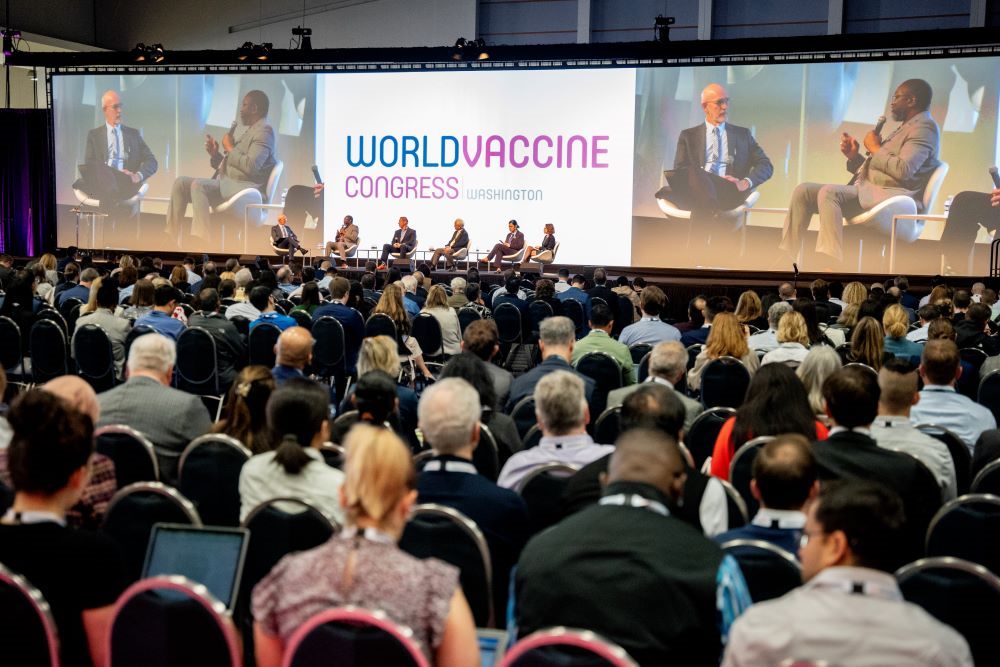
Attendees
400+
Speakers
200+
Exhibitors
60+
Start-ups
4
Days
12
Tracks
15
Workshops
2,500+
Partnering Meetings
The Most Important Vaccine Event of The Year
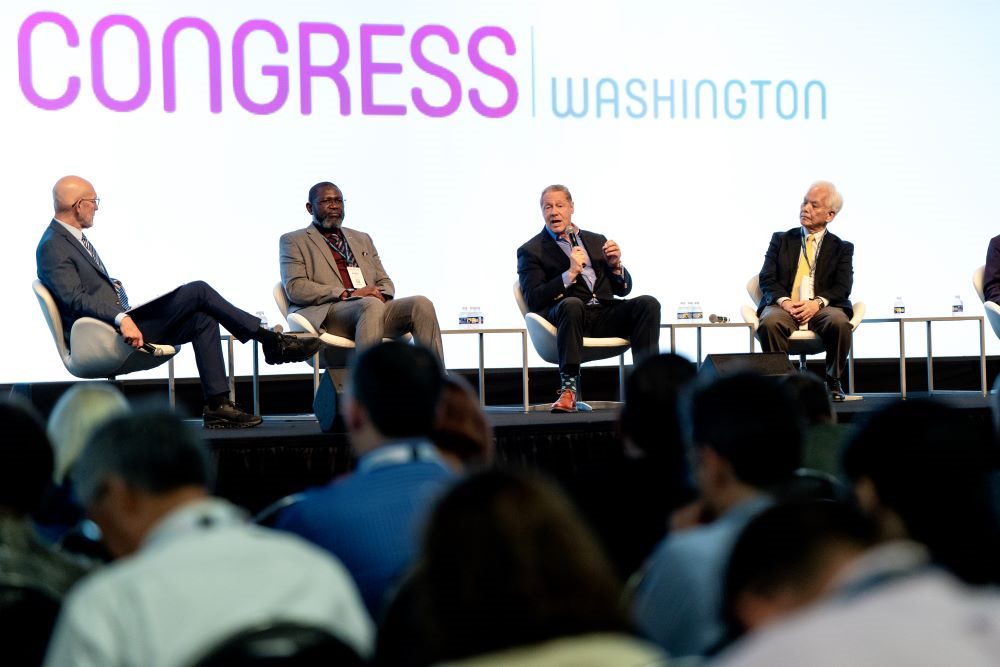
Covering Clinical Development, Bioprocessing & Manufacturing, Cancer Immunotherapy and much more

300+ leading solution providers from across the globe, featuring new ways of thinking and novel partnerships to generate solutions

Networking is at the heart of World Vaccine Congress Washington. Our congress allows you to connect directly with thousands of vaccine experts across 4 days of built-in 1-2-1 networking
The Start-to-Finish of Vaccines
From research, immune profiling & clinical trials to manufacture and access













2027 SPEAKERS
 Erin AbramsohnExecutive DirectorInfectious Disease Prevention Network (IDPN)
 Alicia AdamsExecutive DirectorFlorida Chapter of American Academy of Pediatrics, Inc.
 Haritha AdhikarlaSenior Translational Immunology LeadCEPI
 Babita AgrawalProfessorUniversity of Alberta
 Holy AkwarScience Advisor, Veterinary & AMRInternational Centre for Antimicrobial Resistance Solutions (ICARS)
 Galit AlterVP, Early Development for Vaccines & Immune TherapiesAstraZeneca
 Raiees AndrabiAssociate Professor of MedicineUniversity of Pennsylvania
 Joann Diray ArceAssistant Professor of PediatricsHarvard Medical School
 Max BayerPharma ReporterEndpoints News
 Rafik Bekkat-BerkaniVice President, Global Medical Lead VaccinesGSK
 Peter BerglundCSOHDT Bio Corp
 Nahid BhadeliaFounding Director, CEID; Founding Director, BEACON; Associate Professor, Infectious DiseasesBoston University
 Cedric BogaertChief Executive OfficermyNEO Therapeutics
 Amelia Burke-GarciaDirector, Center for Health Communication ScienceNORC at the University of Chicago
 Michael CaldwellAssoc VP Vaccine Research & EducationMeharry Medical College
 Alejandro CaneSVP, Head of Medical, VaccinesPfizer
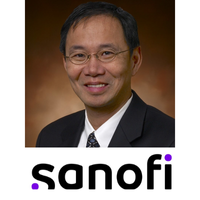 Danilo CasimiroChief Science Officer, Vaccine R&DSanofi
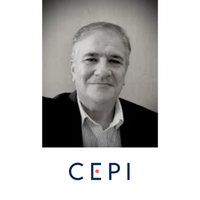 Javier Castillo-OlivaresDrCEPI
 Francesca CeddiaChief Medical Affairs OfficerModerna
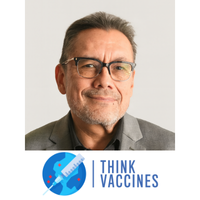 Enrique Chacon-CruzChief Editor, Vaccines Beat; CEO and FounderThink Vaccines
 Ling ChenProfessorGuangzhou Medical University,Guangzhou, China
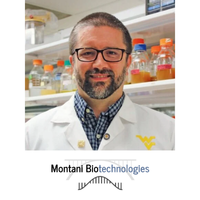 Heath DamronCo-founder, CSOMontani Biotechnologies, Inc
 Antonio DiGiandomenicoSenior Director, Head of Microbial Antibodies and Technologies, Early Vaccines and Immune TherapiesAstraZeneca
 Alejandro DuartePAHO PHE IPCPan American Health Organization
 Kathryn EdwardsPediatrics Professor EmeritaVanderbilt University
 Katie ElliasAdvisor, Impact Investing Community; Former Managing Director, T1D Fund; Founder,KE Advisory LLC
 Lauren GardnerReporterPOLITICO
 Huub GelderblomDirectorFred Hutch
 Pascal GeldsetzerAssistant Professor of MedicineStanford University
 Rebecca GentileDirector, Biologics AR&DMerck
 Michele GoodwinFaculty DirectorO'Neill Institute for National and Global Health Law
 Girija GoyalDirector in Advanced Technology TeamWyss Institute Harvard University
 Bassam HallisDeputy Director, Head of Vaccine Development & Evaluation CentreUK Health Security agency
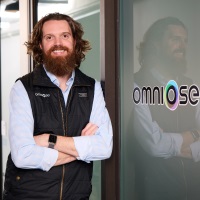 Christian HardingCSO & Co-founderOmniose
 Jon HeinrichsVPIAVI
 Caroline HellerChief Business OfficerRumin8
 Jean Hu-PrimmerSr. Director, Global Regulatory Product StrategyModerna
 Clarisse IngabireLivestock SpecialistThe World Bank
 Charles KlineAssociate Vice PresidentMerck
 Mahesh KumarSenior VP, Global Biologics R&DZoetis
 Anna LarsonAdvisorEpstein, Becker & Green
 Ofer LevyDirector, Precision Vaccines ProgramBoston Children's Hospital
 Gerben MarsmanHead of Alliance ManagementVaccine Formulation Institute
 Patricia MartinChief Operating Officer (COO)LimmaTech Biologics AG
 John MascolaCSOModeX Therapeutics
 Kayvon ModjarradGlobal Medical Lead, Seasonal and Pipeline VaccinesPfizer
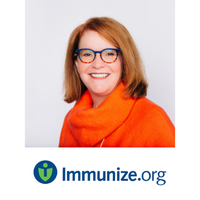 Kelly MoorePresident & Chief Executive OfficerImmunize.org
 Madison MullerHealth reporterBloomberg
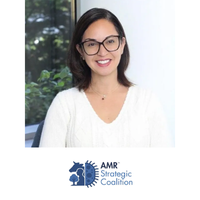 Jomana MusmarCEOAMR Strategic Coalition
 Jessica NixReporterBloomberg News
 Elizabeth NortonAssociate ProfessorTulane University
 Nikolai PetrovskyChairmanVaxine Pty.
 Amy PisaniCEOVaccinate Your Family
 Gregory PolandDirector of Mayo Vaccine Research GroupMayo clinic
 Lisa PurcellEntrepreneur-In-ResidenceThird Rock Ventures, LLC
 Parthiban RajasekaranInnovation LeadSanofi
 Giovanna RiggallHead of Heath Supply ChainUnimed
 Mehul S SutharAssociate Professor for Department of Paediatrics-Infectious DiseaseEmory University
 Daniel SalmonDirector, Institute for Vaccine SafetyJohns Hopkins Bloomberg School of Public Health
 Gautam SanyalPrincipal ConsultantVaccine Analytics, LLC, USA
 Lindsey ShieldsDeputy Director, Epidemic Prepardness and ResponsePATH
 John SimonFounding & Managing PartnerTotal Impact Capital
 Erin StraitChief Scientific OfficerDalan Animal Health
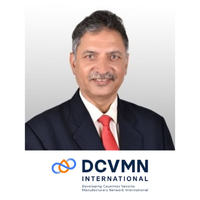 Rajinder SuriChief Executive OfficerDeveloping Countries Vaccine Manufacturers Network
 Nigel TempertonProfessor and DirectorUniversity of Kent
 Ciro UgarteEmergencies DirectorThe Pan American Health Organization (PAHO)
 James WassilCOO & CSOVaxcyte
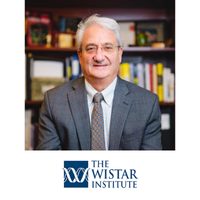 David WeinerExecutive Vice President: Director of Vaccine and Immunotherapy CenterThe Wistar Institute
 Kelsey YoungDeputy Executive SecretaryPublic Health Agency of Canada
 Hansilla AlaighCEO & FounderWISE-R
 Wilbur ChenProfessor of MedicineUniversity of Maryland School of Medicine
 Robert ChenScientific DirectorBrighton Collaboration
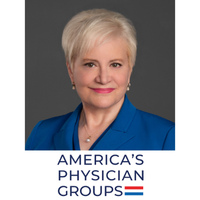 Susan DentzerPresident & CEOAmerica's Physician Groups
 David DowlingAssistant Professor of Pediatrics, Harvard Medical School; Precision Vaccine Program, Division of Infectious DiseasesBoston Children's Hospital
 Sheetij DuttaChief Laboratory of Structural Vaccinology, Biologics Research and Development BranchWRAIR
 Rikhav GalaSr. Principal Scientist and Group LeadPfizer
 Matthew HepburnSenior PartnerAvinora
 Terri HinkleyCEONational Association of School Nurses
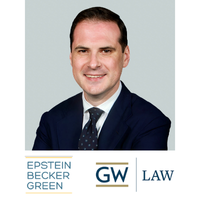 Richard Hughes IVPartner, Epstein, Becker & GreenThe George Washington University
 Sheila KeatingVice President ImmunologyGigaGen Inc
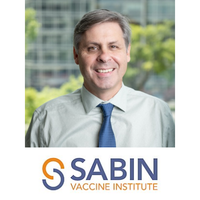 Thomas KingVP of Translational R&DSabin Vaccine Institute
 Tom MahoneySenior Advisor, EdJen Biotech LLC; Investor & AdvisorHarvard T.H. Chan School of Public Health
 Stephanie MonticelliPrincipal InvestigatorUnited States Army Medical Research Institute of Infectious Disease (USAMRIID)
 Usman NakakanaSenior Program Officer Clinical Vaccine Development and ImpactGates Foundation
 Taylor NorrisState Advocacy DirectorSouthern Alliance for Public Health Leadership
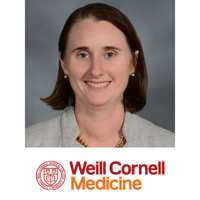 Sallie PermarProfessor and Chair, Department of PediatricsWeill Cornell Medical College
 Stephen RahaimCountry Director, Unimed AmericasUnimed
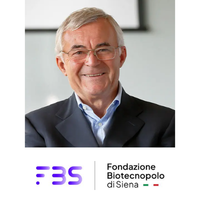 Rino RappuoliScientific DirectorFondazione Biotecnopolo di Siena
 Steven ReedChief Executive OfficerHDT Bio Corp
 TED ROSSDirector Global Vaccine DevelopmentCleveland Clinic
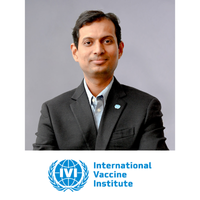 Sushant SahastrabuddheAssociate Director GeneralInternational Vaccine Institute
 Ted SchenkelbergManaging PartnerNext Frontier Advisors
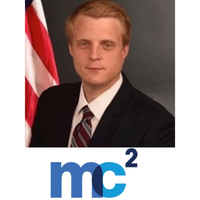 Taylor SextonExecutive DirectorMedical Countermeasures Coaltion
 Victoria StandleyImmunization Program SpecialistSanford Health
 Walter StrausVice President, Clinical Safety & Risk ManagementModerna Therapeutics
 Stephen ThomasDirector, Upstate Global Health InstituteNew York Upstate Medical University
 Simon van HarenAssistant Professor of PediatricsBoston Children's Hospital
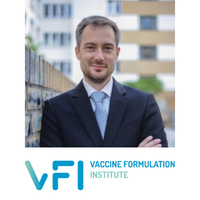 Roland VenturaHead of StrategyVaccine Formulation Institute
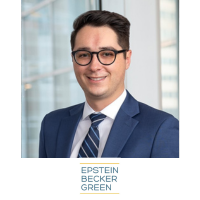 Will WaltersAttorneyEpstein Becker & Green P.C.
 Richard WhiteProfessor of Infectious Disease EpidemiologyLondon school of Hygiene and Tropical Medicine
 Don DiamondDirector, Division of Vaccine Research & Professor, Dept of Hem & HCTCity of Hope Comprehensive Cancer Center
 Brian AbramsonBoard of DirectorsNational Vaccine Law Association
 Mohamad-Gabriel AlamehAssistant ProfessorUniversity of Pennsylvania
 Kashmira DateMedicalPfizer
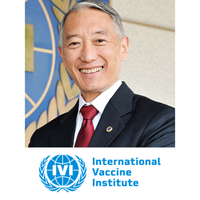 Jerome KimDirector GeneralIVI
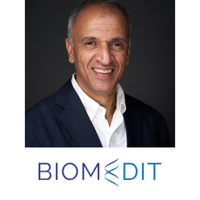 Arvind KumarVice President of ResearchBiomEdit
2027 Sponsors and Exhibitors
Diamond Sponsor

Diamond Sponsor

Platinum Sponsor

Platinum Sponsor

Platinum Sponsor

Gold Sponsor

Gold Sponsor

Gold Sponsor

Gold Sponsor

Gold Sponsor

Gold Sponsor

Gold Sponsor

Gold Sponsor

Gold Sponsor

Silver Sponsor
Silver Sponsor

Silver Sponsor

Silver Sponsor

Silver Sponsor

Silver Sponsor

Silver Sponsor

Silver Sponsor

Silver Sponsor

Silver Sponsor

Silver Sponsor

Silver Sponsor

Bronze Sponsor

Bronze Sponsor

Bronze Sponsor

Bronze Sponsor

Bronze Sponsor

Exhibitor

Exhibitor

Exhibitor

Exhibitor

Exhibitor

Exhibitor

Exhibitor

Exhibitor

Exhibitor

Exhibitor

Exhibitor

Exhibitor

Exhibitor

Exhibitor

Exhibitor

Exhibitor

Exhibitor

Exhibitor

Exhibitor

Remaining marketing opportunities for world class solution providers are selling fast.
Contact: Michael.Hodge@terrapinn.com
- Genesis Research Services

- Omnicure Clinical Research

- Microbiologics Inc.

- Merck

- Peter Hotez, Professor, Baylor College of Medicine




Created by


Terrapinn is proud to be a member of isla.
Working together to build sustainable events