Conference day one - Tuesday 1st November
|
|
|
| 08.30 | Registration
|
| |
|
| 08.50 | Chair’s opening remarks
- Antibodies – an inescapable reality for big pharma?
- Moving out of the fringes and into the limelight – the future of antibodies
|
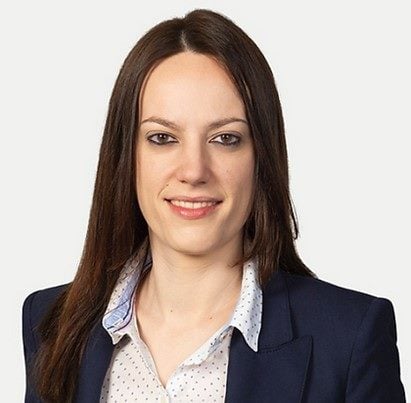
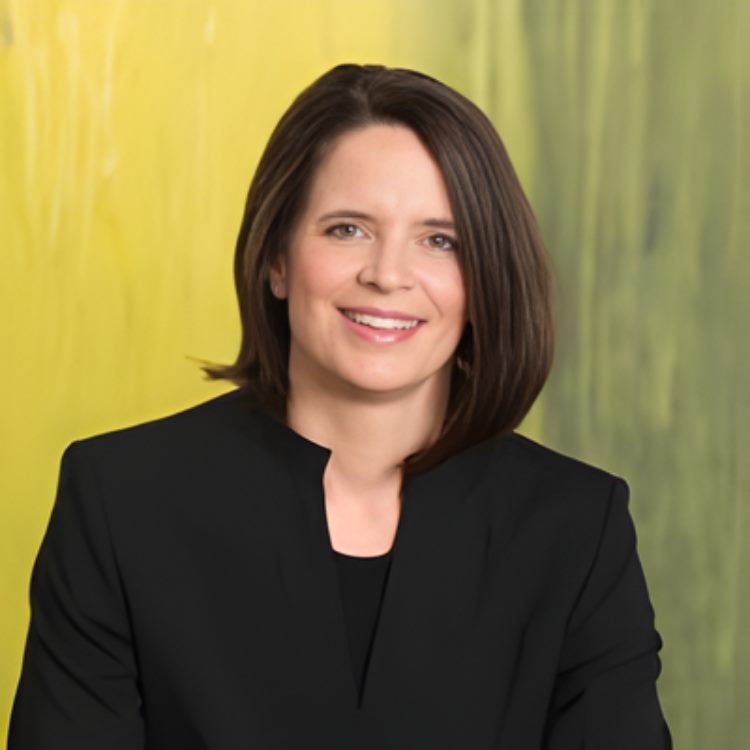
| | Gabriele Schaeffner, Principal Consultant, Drug Development Consulting Practice, PAREXEL International GmbH
|
| WHERE ARE WE NOW? ANTIBODIES AND THE MARKETPLACE |
|
| 09.10 | Opening address: the European antibody industry
- Update on European research programmes
- EU support for antibody research
- Introducing the Seventh Framework Programme
|
| |
|
| 09.40 | Coffee break
|
| |
|
| METHODS TO IDENTIFY NEW ANTIBODIES |
|
| 10.40 | Case study: ribosome display – the end for phage?
- How much potential does ribosome display have?
- Update on refinements to the ribosome display platform
- Will ribosome display replace phage?
|
| | Jane Osbourn, Vice President Biologics Discover, Cambridge Antibody Technology
|
| 11.10 | Case study: IV methods to display and screen recombinant antibody libraries
- Overview of the approach to create multiple sub-libraries
- Handling diversity - benefits of microarray displays
- Automating the screening process
- Applications of this platform
|
| |
|
| 11.40 | Panel discussion - a critique of the display methods available
- Commonly used libraries - the pros and cons
- Yeast and fungi - Phage Display - Ribosome Display
- Novel antibody IgG display systems – how well do they work?
- Protein arrays – how to identify and screen out your antibody
Moderator: Prof. Mats Ohlin Department of Immunotechnology Lund University, Sweden
|
| |
|
| 12.30 | Networking lunch
|
| |
|
| THE NEXT GENERATION – ADVANCES IN ANTIBODY PRODUCTION |
|
| 14.00 | Panel discussion: antibody engineering – exploring the latest developments
- Antibody enhancement – forming conjugates with drug compounds and enzymes
- Examining tumour activated pro drugs (TAPS) in the fight against cancer
- Single chain antibodies and their derivatives for complimentary activation in inflammatory diseases
- Maximising the benefits of domain isolation
- Nanobodies, synthetic antibodies and fluorbodies – how relevant are they?
Moderator: Paul Chamberlain Director, Biopharmaceuticals Drug Development Programs MDS Pharma Services
|
| |
|
| 14.45 | Advances in large scale antibody production: art or science?
- Computational fluid dynamics as a tool to obtain valuable information on operating conditions
- Scale down to scale up!
- Mixing, mass transfer and shear.....show stoppers for large scale cell culture
|
| | Jan Visser, Director, Small Scale Cell Culture & Development, Diosynth Biotechnology
|
| 15.15 | Speed networking
- Meet…move on…meet…move on…meet!
- Exchange business cards with fellow conference delegates and industry peers
- The best 50 minute networking session you’ve ever experienced
|
| |
|
| 16.05 | Coffee break
|
| |
|
| 16.30 | Case study: BiTEs – leveraging the benefits of both Abs and T cells
- Introducing the structure and science of BiTE
- Advantages of BiTE over traditional mAb therapeutics
- Production and manufacturing challenges to date
- Update on clinical status
|
| | Patrick Baeuerle, Professor of Immunology & Chief Scientific Officer, Micromet AG
|
| 17.00 | Case study: functional anti-cancer antibodies: a new age now begins
- The state of the art - clinical results and approved drugs
- Discovering antibodies and antigens through FunctionFIRST
- Examples of novel antigens and antibodies: pre-clinical validation
- Challenges ahead - each development pathway is unique
|
| |
|
| 17.15 | Chair’s closing remarks followed by Networking Reception
|
| |
|
| 17.30 | Case study: antibody variant screening and clinical candidate selection performed on the path to clinical manufacturing
- The GPEX technology -allowing screening as part of the cell line generation process
- Titrating heavy and light genes to the correct gene ration
- Milligram to gram production from an initial pooled cell line
- Clonal selection from the initial pooled cell line
|
| |
|
| 18.00 | Chair's closing remarks frolled by Networking Reception
|
| |
|
|
Conference day two - Wednesday 2nd November
|
| 08.30 | Registration
|
| |
|
| 09.00 | Chairman’s opening remarks
|
| | Paul Chamberlain, Director, Biopharmaceuticals Drug Development Programs, MDS Pharma Services
|
| OUTSIDE THE LAB – THE BUSINESS OF ANTIBODIES |
|
| 09.10 | Keynote address: regulation - what you need to do to get approval
- Strategies to get your antibody to market as quickly as possible
- Interpreting current guidelines
- Pre-clinical and clinical regulatory requirements
- How the five recent FDA initiatives impact on production of monoclonal antibodies:
- Process Analytical Technology (PAT) - Part 11 - CDISC - New vaccine regulation - The molecular libraries (NIH) Initiative
- Update on EU Clinical Trial directives
- Regulatory issues affecting business strategy
|
| |
|
| 09.40 | IP and antibodies – how far should you be allowed to go?
- Challenges surrounding IP in the antibody world
- Strategies for obtaining and/or enforcing your patents
- Bringing clarity to the IP surrounding antibody phage display
- Strategies for licensing and/or contesting the patents of others
|
| |
|
| 10.10 | Coffee break
|
| |
|
| 11.10 | Panel discussion: collaboration – how to build a successful partnership
- Why partner and when?
- Strengthening strategic research directions
- Securing non-exclusive internalisation of partner technology platforms
- Technology licence transfers – finance and practicalities
- Overcoming fears and anxieties – maintaining influence and control
|
| | Jane Dancer, Senior Manager, Business Development, Cambridge Antibody Technology
|
| 12.00 | Networking lunch
|
| |
|
| THERAPEUTIC CASE STUDIES – PRODUCTS APPROACHING THE MARKET |
In a special session, hear about some of the most exciting therapeutic antibodies to have recently appeared or approaching the market. Each case study will include:
- Overview of the product and applications
- Latest findings
- Implications of approval
|
| 13.30 | Case study: update on anti-IL-12p40 antibody ABT-874
|
| | Trudi Veldman, Director Biologics Generation, Abbott Bioresearch Centre
|
| 13.50 | Case study: TIE-1 targeted inhibitor of tumour growth
|
| |
|
| 14.10 | Case study: novel human antibody therapeutics for the treatment of lymphoid
|
| |
|
| 14.30 | Question and answer session with the first three case study speakers
|
| |
|
| 14.50 | Coffee break
|
| |
|
| 15.30 | Case study: MYLOTARG – treatment of CD33-positive acute myeloid leukaemia
|
| |
|
| 15.50 | Case study: Erbitux – an oncological growth factor blocker
|
| |
|
| 16.10 | Case study: LymphoStat-B antibodies inhibiting the biological activity of B-lymphocyte simulators
|
| |
|
| 16.30 | A hidden CD4 monoclonal antibody with unique characteristics
|
| |
|
| 16.50 | Question and answer session with the three case-study presenters
|
| |
|
| 17.10 | Chairman’s closing remarks
|
| |
|
|
Separately bookable "manufacturing and scale-up" - Thursday 3rd November
|
| 08.30 | Registration
|
| |
|
| MANUFACTURING MANAGEMENT |
|
| 08.45 | Keynote address: the challenge of large scale antibody manufacture
- From the past to the future - trends in manufacturing practice
- Planning and building new manufacturing facilities
- Strategies to mitigate risk and economic impact
|
| | John Dingerdissen, Vice President, Worldwide Manufacturing, Global Biologics Supply Chain LLC, Johnson & Johnson
|
| 08.50 | Chairman’s opening remarks
|
| | Bernard Chan, Head of Biologicals Manufacturing Development, UCB Celltech
|
| 09.00 | Keynote address: the challenges of large scale antibody manufacture
- From the past to the future - trends in manufacturing practice
- Planning and building new manufacturing facilities
- Strategies to mitigate risk and economic impact
|
| | John Dingerdissen, Vice President, Worldwide Manufacturing, Global Biologics Supply Chain LLC, Johnson & Johnson
|
| 09.30 | Preparing for commercial introduction - pipeline and production flow management
- Efficient management of multi-product manufacturing facilities
- Management of variations in manufacturing scale
- Manufacturing strategies for “non-blockbuster” antibodies
- Accommodating changes in processes and systems during scale-up and scale-down
- Maintaining comparability with multi-site manufacturing
|
| | Andreas Werner, Head of Biopharmaceutical Production Management, Boehringer Ingelheim
|
| 10.00 | Establishing a new European manufacturing facility
- European site-selection issues faced by global biotechnology organisations
- Securing licences for activity, manufacturing and export
- Update on the Genentech Espana venture
|
| |
|
| 10.30 | Coffee break
|
| |
|
| 11.15 | Recent changes to the regulatory environment and impacts on antibody manufacture and development
- The impact of post-approval regulation on manufacturing development planning
- Balancing regulatory risks with expenses
- Strategies to postpone manufacturing development activities until post approval
|
| | Philipp Hess, President and Founder, Philipp Hess Associates
|
| 11.45 | Microbial v Mammalian cell production – striking the balance
- At what stage do you need to make a decision?
- How effectively can you operate a facility incorporating both?
- Testing for microbial contaminants in mammalian production
- Maximising titres and economic considerations
|
| |
|
| 12.15 | Networking lunch
|
| |
|
| YIELD IMPROVEMENT – ADAPTING THE OLD OR ADOPTING THE NEW? |
|
| 13.45 | Single-use stirred-tank bioreactor systems
- The trend towards disposable processing systems
- The economic and operational advantages
- The Hyclone – Baxter single-use stirred-tank bioreactor system
- How does this technology compare with conventional systems?
|
| | Frank Wolpers, Industrial Sales Director Europe, Perbio Science Deutschland GmbH
|
| 14.15 | Case study: the importance of developing a high yield of product
- Update on the GS gene expression technology
- Selecting cell lines that are compatible with production requirements
- Adhering to regulatory guidelines with respect to cell line development
|
| | John Birch, Chief Scientific Officer, Lonza Biologics
|
| 14.45 | Case study: PER.C6 – a cell line for high quality, high yield and improved expressiona
- Background to the cell line
- The current demands on cell lines
- Evaluation of the effectiveness of PER.C6 in both fed-batch and continuous perfusion systems
- How does PER.C6 compare with other alternative cell lines?
|
| | Bram Bout, Vice President Protein Productio, Crucell Holand N.V
|
| RECOVERY AND PURIFICATION |
|
| 15.15 | Coffee break
|
| |
|
| 15.45 | Creating conditions for maximised recovery
- Removal of process contaminants by membrane chromatography
- Use of protein A media for chromatography
- Application of mixed-mode ligands for capture of antibodies and other proteins
- Strategies to prevent yield loss
|
| | Philip Nelson, Senior Manager Recovery Technology Support, Abgenix
|
| 16.15 | Applications of SELDI ProteinChip® technology to antibody purification
- Optimisation of antibody purification conditions
- Examples of antibody purification using mixed-mode ligands
- Profiling of process impurities
|
| | Sylvio Bengio, Scientific Communications Specialist, Pall Life Sciences
|
| MANUFACTURING ON A GLOBAL SCALE |
|
| 16.45 | Case study: development of a new 10% liquid triple virally reduced intravenous immune globulin from human plasma
- Goals of the development
- Manufacturing pathways and purification
- Biochemical and pre-clinical characterisation
- Product consistency and comparison between different manufacturing facilities
|
| |
|
| 17.15 | Chairman’s closing remarks
|
| | Bernard Chan, Head of Biologicals Manufacturing Development, UCB Celltech
|
|
Pre-congress "alliance masterclass" - Monday 31st October
|
| Optimising alliances for antibody products and technologies |
A one-day workshop hosted by PharmaVentures Ltd
As a consequence of the continued growth in antibody products and technologies, collaborative, licensing and M&A deals between large pharmaceutical and biotechnology companies will increase. It is essential that these alliances are carefully structured and managed to ensure success. PharmaVentures will address the key issues facing executives going into and managing the collaboration moving forward. By drawing on our extensive consultancy knowledge and our experience of providing training, we can provide the right level of insight to ensure improved outcomes. The pre-conference workshop day will provide an interactive format in which views can be exchanged and the key issues discussed.
|
| 09.00 | Registration and coffee
|
| |
|
| 09.30 | Introductory discussion
|
| |
|
| 10.00 | Trends in antibody production and technology deals
|
| |
|
| 11.00 | Coffee break
|
| |
|
| 11.30 | Valuing antibody transactions
|
| |
|
| 12.30 | Lunch break
|
| |
|
| 14.00 | Pricing and reimbursement considerations
|
| |
|
| 15.00 | Managing antibody alliances successfully
|
| |
|
| 16.00 | Concluding discussion
|
| |
|
| 16.30 | Close of workshop
|
| |
|